What Type of Hair Tie Is Best for Natural Hair: A Practical Guide
The best type of hair tie for natural hair is one that minimizes breakage and friction, such as silk scrunchies, spiral hair ties, or seamless elastic bands designed specifically for curly and coily textures. These options provide a gentle hold without pulling or snagging on delicate strands.
Natural hair tends to be more fragile and prone to damage when handled roughly or restrained with harsh accessories. Choosing a hair tie that respects the texture and moisture of natural hair helps maintain healthy curls and avoids common frustrations like breakage or dents.
This article will explore popular hair tie types suited for natural hair, explain their benefits and drawbacks, compare different materials and designs, and offer practical tips on how to use them effectively to protect and style your natural hair.
Understanding Natural Hair Characteristics
Curl Pattern and Fragility
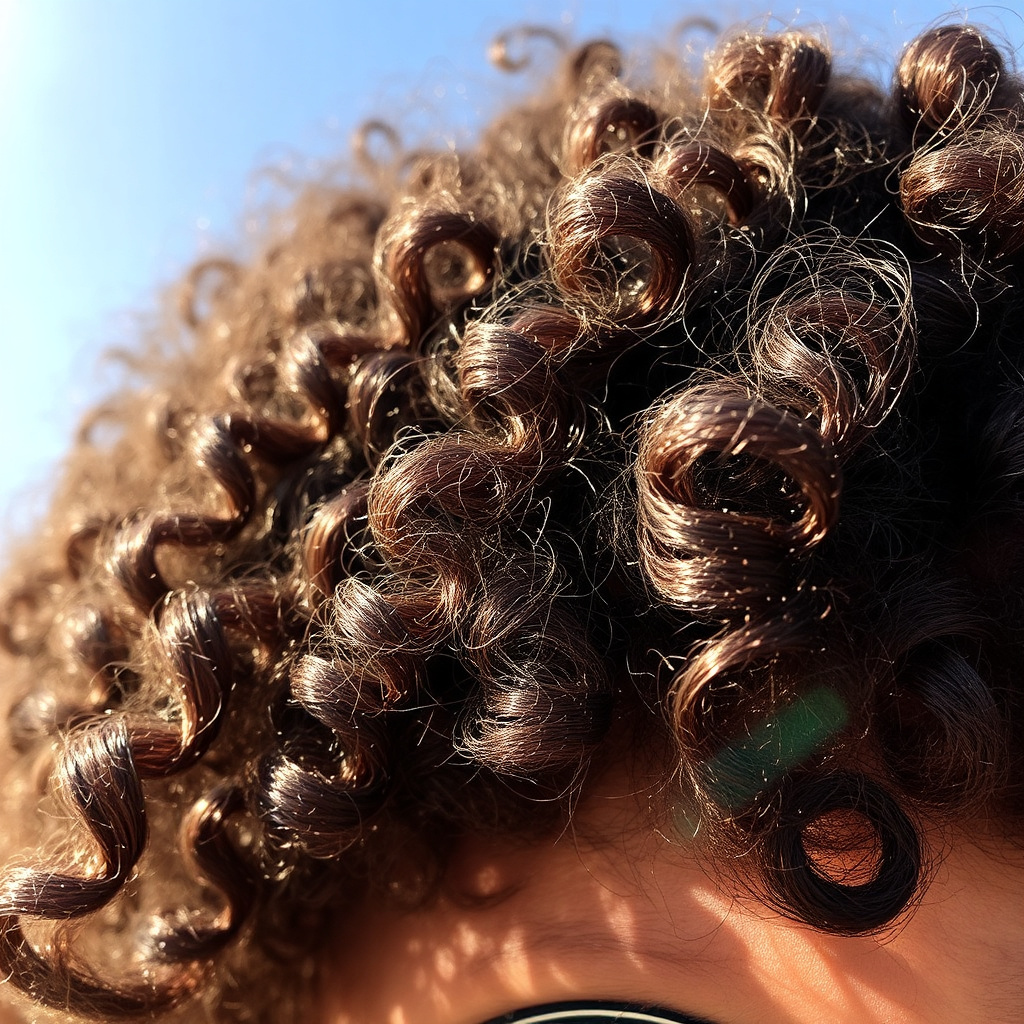
Natural hair often features tight curls or coils that vary widely among individuals. These curl patterns require gentle handling because the natural bends and twists create weak points that can snap easily when under tension.
Recognizing that natural hair needs softer hair ties is essential, as rough materials or tight elastics can easily cause splits or breakage along the fragile strands.
Impact of Moisture and Dryness
Natural hair tends to lose moisture quickly, making it more susceptible to dryness and damage from friction caused by standard hair ties. Hydrated hair benefits from accessories that reduce unnecessary rubbing or tugging.
Hair ties made from smooth, non-absorbent materials help retain moisture while securing hair comfortably, reducing the chance of hair weakening from dryness.
Materials That Work Best for Hair Ties for Curly Hair

Silk and Satin Hair Ties
Silk and satin hair ties reduce friction against the hair surface thanks to their smooth texture. This means fewer tangles, less breakage, and minimal hair dents after removal.
Because these materials don’t absorb natural oils, they help preserve hair moisture, which is key for maintaining elasticity and curl definition.
- Gentle on delicate curl patterns
- Reduces friction and hair damage
- Maintains hair moisture
Spiral or Coil Hair Ties
Spiral or coil hair ties, made of plastic or TPU, distribute pressure evenly around the ponytail. This reduces pulling and prevents hair from snagging or splitting.
Their design keeps hair secure without creating tight dents and can stretch enough to hold thick curls comfortably, making them popular for natural hair wearers.
- Even pressure distribution
- Prevents hair dents
- Stretchy and durable
Common Hair Tie Types to Avoid with Natural Hair

Thin Elastic Bands
Thin elastic bands can grip hair too tightly and cause snapping or breakage, especially when removing them. They often pull at strands, damaging the hair cuticle and leading to split ends.
Their tightness combined with rough texture makes them unsuitable for natural hair, which needs flexibility and softness from accessories.
For more on this, see our related guide: How to Choose the Best Shampoo for Dandruff Relief.
Rubber Bands and Metal Clips
Rubber bands and metal clips tend to snag hair and create tension points, which can rip out strands or cause splits. Their rigid design doesn’t accommodate the softness or movement of natural curls.
Consistent use of these harsh hair ties results in weakened hair integrity and visible damage over time.
Best Practices for Using Hair Ties on Natural Hair

Avoiding Excessive Tightness
When securing natural hair, it’s important not to wrap hair ties too tightly. This helps maintain scalp circulation and prevents unnecessary stress on the hair shaft.
A looser hold keeps curls defined and healthy while still managing hair during activities or sleeping.
- Leave slight slack in ponytails
- Avoid constant tension on one spot
Using Hair Ties Over Damp or Coated Hair
It’s safer to use hair ties when hair is damp or coated with leave-in conditioners or oils, which reduces friction and helps hair slide easily around the tie without snagging.
This method also helps retain moisture and keeps curls resilient against pressure points.
Styling Options with Protective Hair Ties for Natural Hair

Ponytails and Buns with Scrunchies
Using silk or satin scrunchies for ponytails and buns adds volume and softness to natural hair styles while protecting hair strands from damage.
Scrunchies distribute pressure broadly, minimizing dents and allowing styles that don’t sacrifice hair health for aesthetics.
For more on this, see our related guide: What Type of Hairstyle is Best for Thick Hair? Expert Tips and Styles.
Twists and Half-Up Styles Using Spiral Hair Ties
Spiral hair ties work well in securing sections for twists or half-up styles, holding hair quickly without snagging or flattening curls.
Their durability and gentle grip make them versatile for different hair thicknesses and textures commonly found in natural hair styling.
Care and Maintenance of Hair Ties for Longevity

Cleaning Fabric Hair Ties
Regularly washing silk or cotton hair ties prevents buildup of oils and dirt that can transfer to hair, maintaining both hygiene and hair health.
Handwashing with gentle detergents and air drying preserves fabric smoothness and elasticity.
- Use mild soap
- Avoid hot water
- Air dry only
For more detailed information about natural hair care and its unique properties, you can refer to this comprehensive resource on natural hair. natural hair care.
Replacing Worn-Out Elastic Hair Ties
Elastic hair ties lose their stretch over time, which compromises their grip and can lead to tighter knots that harm natural hair.
Replacing old elastics prevents breakage and keeps hairstyles looking fresh without excess tension.
Comparison of Popular Hair Tie Types for Natural Hair
Here is a quick comparison of common hair tie types and their suitability for natural hair care and styling.
| Hair Tie Type | Material | Hair Friendliness | Durability | Best Use Case |
|---|---|---|---|---|
| Silk Scrunchie | Silk/Satin | Very High – Minimizes friction | Moderate – Delicate fabric | Gentle daily wear, sleeping |
| Spiral Hair Tie | Plastic/TPU | High – Even pressure, no dents | High – Long-lasting | Active wear, thick hair |
| Thin Elastic Band | Rubber/Elastic | Low – Causes breakage | Low – Loses stretch fast | Short-term hold only |
| Cotton Scrunchie | Cotton | Moderate – Softer than elastic | Moderate – Can stretch out | Casual styles, mild wear |
| Rubber Band | Rubber | Very Low – Snags & breaks hair | Moderate – Durable but harsh | Not recommended for natural hair |
Frequently Asked Questions
Can I use regular hair ties on natural hair?
Regular hair ties often cause breakage and tangling in natural hair due to their rough material and tight grip. It’s better to use soft, non-damaging options like silk scrunchies or spiral hair ties designed for curly and coily textures.
Are silk scrunchies really better for natural hair?
Yes, silk scrunchies reduce friction and prevent hair dents, which protects natural hair from damage and dryness. They also help maintain moisture and preserve curl integrity throughout the day.
How often should I replace my hair ties?
Replacing hair ties every few months, or once they lose elasticity or become rough, helps avoid damage. Worn-out elastics can pull hair harshly and reduce the protective benefits of good hair ties.
Is it okay to sleep with hair ties in natural hair?
Sleeping with gentle hair ties like silk scrunchies is fine and can help keep hairstyles intact without causing breakage. Avoid tight or rough elastics overnight as they may stress hair and scalp.
Can hair ties help reduce hair loss in natural hair?
Using gentle hair ties that minimize pulling and friction can prevent some types of hair loss caused by breakage. However, hair loss from other causes won’t be improved solely by hair tie choice.
Key Takeaways
- Silk and spiral hair ties prevent breakage and retain moisture in natural hair
- Avoid thin elastic bands and rubber ties that cause pulling and damage
- Looser, gentle holds protect fragile curls during styling and daily wear
- Proper care and timely replacement of hair ties extend hair health benefits
Conclusion
Choosing the best type of hair tie for natural hair hinges on understanding the hair's unique needs: fragility, moisture retention, and curl pattern protection. Selecting accessories that reduce friction and avoid excessive tension is essential for preserving hair strength and appearance over time. Thoughtful selection and mindful use of hair ties can make a significant difference in how natural hair responds to everyday styling demands.
For those seeking a combination of style and hair care, silk or satin scrunchies offer an excellent balance by reducing friction and preserving moisture. Spiral hair ties provide a more secure hold without causing dents, ideal for active lifestyles or thicker curl patterns. Avoiding common damaging options like thin elastic bands or rubber bands can protect hair from stress and breakage, giving natural hair a better chance to stay healthy and vibrant.
To protect natural hair effectively, start by investing in a few quality silk scrunchies or spiral ties and incorporate gentle holding techniques that avoid overtightening. Clean hair ties regularly and replace them as soon as they lose elasticity or texture softness. These small steps can lead to healthier curls, less breakage, and a smoother natural hair journey.