Are Dip Powder Nails Bad for Your Nails? What You Need to Know
Dip powder nails are often praised for their durability and quick application, but many wonder if they cause damage to natural nails. In truth, dip powder nails themselves are not inherently bad for your nails; it’s how they’re applied, maintained, and removed that makes the difference.
Understanding the impact of dip powder nails matters because improper handling can lead to brittle, thin nails or infections. Nail health depends on factors like prep techniques, exposure to harsh chemicals, and removal methods, which vary widely among salons and DIY applications.
This article will unpack how dip powder nails interact with your natural nail structure, explore best practices for care and removal, and compare dip powder nails with other manicures. You'll gain insight into protecting your nails while enjoying this popular beauty trend.
How Dip Powder Nails Affect Natural Nails
The Application Process and Its Impact
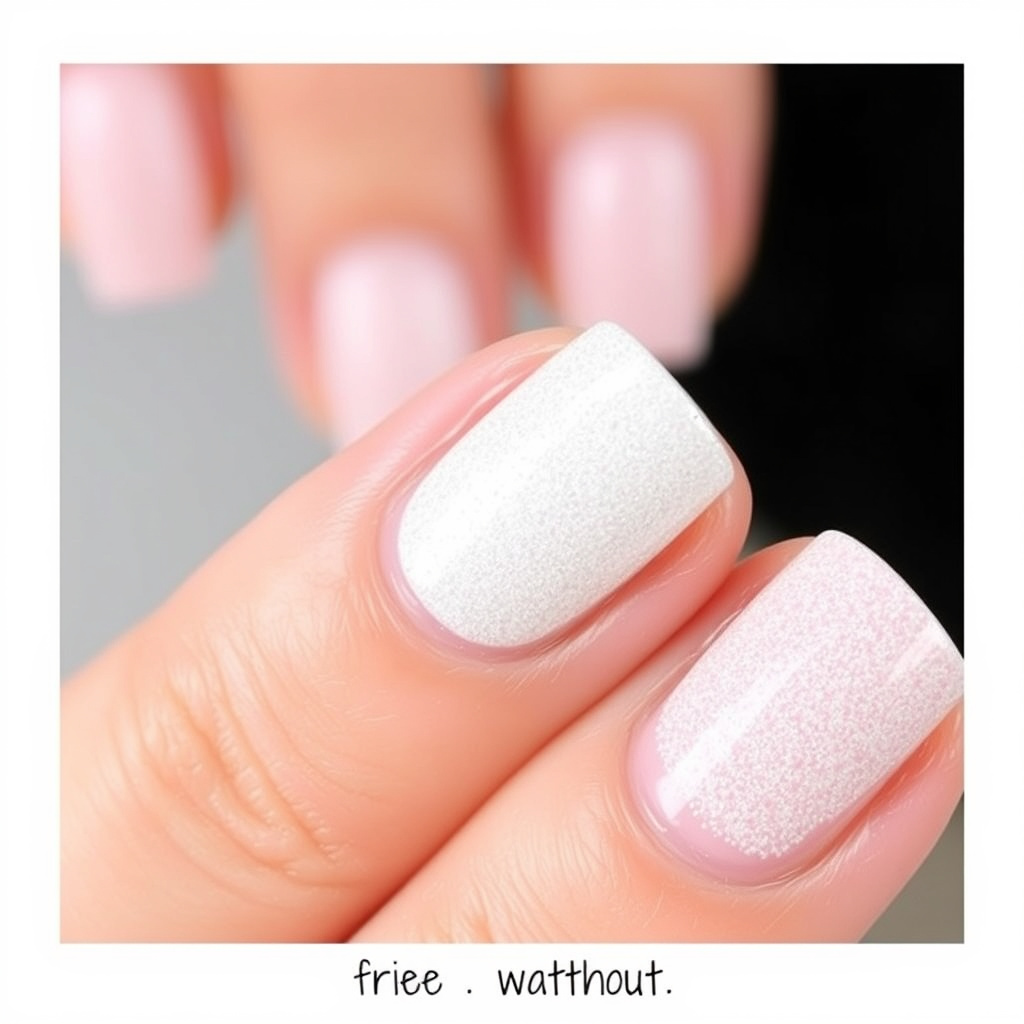
Dip powder nails are applied by first prepping the natural nail — usually involving buffing and cleaning — then dipping the nail into colored powder followed by sealing with a protective coat. Excessive buffing can thin the natural nail, making it more vulnerable to damage and sensitivity.
If the nail surface is overly roughened or if the powders contain allergens, irritation and weakening can occur. Proper salon or home prep should minimize harm by lightly buffing and avoiding skin contact with harsh chemicals.
Effects on Nail Health Over Time
Regular use of dip powder without breaks may gradually dry out nails, causing brittleness or peeling, especially if cuticles are neglected or nails are exposed to repeated harsh solvents during removal.
However, when applied and removed with care, and with nail conditioning between applications, dip powder nails do not necessarily cause permanent damage or thinning, differing from some acrylic or gel systems.
Safe Removal Techniques for Dip Powder Nails

Why Proper Removal Matters
Peeling or forcibly picking off dip powder nails can rip layers from the natural nail plate, leading to thinning, rough texture, and pain. The safest removal method involves soaking nails in acetone until the powder softens.
Following soak-off with gentle pushing of residues preserves the nail's integrity and reduces risks of infection or damage seen with careless removal.
Step-by-Step Safe Removal Process
Begin by lightly filing the topcoat to break the seal, then saturate cotton pads in 100% acetone and secure them on nails with foil wraps. After about 15-20 minutes, check if the powder softens enough to slide off gently with an orange stick.
Avoid rushing removal to prevent peeling or nail trauma. Afterwards, moisturizing cuticle oils and nail strengtheners help restore hydration and flexibility.
Comparing Dip Powder Nails to Other Nail Enhancements

Dip Powder Nails vs Acrylic Nails
Dip powder nails tend to be less harsh on nails because they don’t require strong liquid monomers involved in acrylics, reducing the risk of allergic reactions. They typically offer a more natural finish with lighter application steps.
Acrylic nails often provide more rigidity but can be tougher to remove safely, which increases natural nail damage risk if not properly maintained.
Dip Powder Nails vs Gel Nails
Gel nails require curing under UV or LED lights and are removed via soaking or filing, similar to dip powder nails. Dip powders offer longer-lasting color without chipping in some cases and avoid UV exposure during curing.
Both systems can be gentle if applied correctly, but improper curing or removal of gel nails can also damage nail health significantly.
Caring for Nails During and After Dip Powder Manicures

Daily Nail and Cuticle Care
Keeping nails moisturized with cuticle oil and hand creams combats drying effects of chemicals in dip powder nails. Avoiding excessive water exposure and wearing gloves during chores helps preserve nail flexibility.
Gentle filing around cuticles and not cutting them prevents infections and promotes healthy nail growth beneath the dip powder.
Nail Strengtheners and Break Periods
Using a nail strengthener between dip powder applications allows natural nails to recover from potential drying or thinning. Taking periodic breaks from enhancements helps maintain natural nail resilience.
Supplements rich in biotin and a protein-rich diet also support stronger nails from within, complementing external care.
Choosing a Skilled Technician for Dip Powder Nail Applications
What to Look for in a Salon or Technician
A knowledgeable nail technician practices careful nail prep, avoids excessive buffing, and uses high-quality products that are less likely to irritate nails. Hygiene standards are also critical to prevent infections.
Experienced professionals educate clients on dip powder nail care and recommend proper removal and nail recovery routines.
Warning Signs of Unsuitable Practices
If a technician uses rough buffing tools, rushes application or removal, or dismisses client concerns about nail health, stay cautious. Avoid salons lacking sanitation protocols or using questionable products.
Your nails should not feel excessively thin, sensitive, or unhealthy after a dip powder session; any persistent discomfort warrants further inquiry or switching providers.
Common Myths About Dip Powder Nail Safety
Myth: Dip Powder Nails Cause Permanent Nail Damage
Dip powder nails themselves do not cause permanent damage when applied and removed correctly. Many nail issues arise from neglect or poor habits, not the manicure type.
Nail restoration is possible with proper care and breaks, allowing nails to regain strength and thickness.
To further explore general nail care principles related to dip powder nails, consider visiting this authoritative resource. Dip powder nails detailed information.
Myth: All Nail Enhancements Are Equally Harmful
Different enhancement systems affect nails in different ways based on chemical composition and wear time. Dip powder nails often provide a balance between durability and gentleness compared to some acrylics or gels.
User experience and the technician’s skill significantly influence how harmful any nail treatment may be.
Dip Powder Nails vs Other Nail Enhancements Comparison
This table highlights key differences in durability, nail health impact, application, and removal across popular nail enhancement types.
| Nail Enhancement | Durability | Impact on Nail Health | Application Time | Removal Process |
|---|---|---|---|---|
| Dip Powder Nails | 2-4 weeks | Moderate when done properly | 30-45 minutes | Acetone soak-off gently |
| Acrylic Nails | 3-4 weeks | Higher risk of damage due to monomers | 45-60 minutes | Soak and filing, can be harsh |
| Gel Nails | 2-3 weeks | Moderate, UV curing effects | 30-45 minutes | Soak and filing with care |
| Regular Nail Polish | 3-7 days | Minimal, but frequent use can dry nails | 10-15 minutes | Removes with polish remover |
| Shellac | 2 weeks | Similar to gels, possible drying | 30-40 minutes | Acetone soak-off |
Frequently Asked Questions
Can dip powder nails cause nail thinning?
Dip powder nails can contribute to nail thinning if the natural nail is buffed excessively or removed improperly, but with careful application and removal, this risk is minimized.
How often should I take breaks between dip powder manicures?
It’s recommended to take breaks of at least one to two weeks between dip powder manicures to allow nails to recover and maintain strength.
Is it safe to remove dip powder nails at home?
Yes, if you use proper acetone soaking techniques and avoid peeling or forceful removal, at-home dip powder nail removal can be safe.
Do dip powder nails require UV light to set?
No, dip powder nails do not require UV or LED light curing, which reduces exposure compared to gel nail systems.
How can I protect my nails during dip powder manicures?
Regularly moisturizing cuticles, avoiding over-buffing, and following proper removal processes help protect natural nails during dip powder manicures.
Key Takeaways
- Dip powder nails are not inherently harmful but require careful application and removal to protect nail health.
- Proper soaking removal prevents nail thinning and peeling compared to peeling off dip powder.
- Taking breaks and using nail strengtheners support natural nail recovery after dip powder manicures.
- Choosing a skilled technician reduces risks of damage and improves manicure results.
Conclusion
Deciding on dip powder nails involves balancing aesthetics with nail health considerations. The main factor influencing whether dip powder nails cause harm lies not in the product itself but in application and removal methods. Excessive buffing of natural nails during prep or aggressive removal practices can lead to thinning and weakening over time. However, with moderate buffing, diligent cuticle care, and gentle acetone soak-offs, dip powder nails can be a relatively safe enhancement option. Understanding these nuances empowers you to make informed choices that prioritize healthy nails without sacrificing beauty.
For individuals seeking long-lasting color without daily polish maintenance, dip powder nails offer durability comparable to gels but avoid UV light exposure. Those prone to fragile or sensitive nails might prefer professional dip powder applications with minimal buffing techniques or regular breaks between sessions. Conversely, acrylic users familiar with stronger products should note dip powders typically exert gentler effects on natural nails. Nail care during and after wears, including moisturizing and occasional treatment with nail strengtheners, further supports resilience. If damage concerns persist, switching to regular polish or ensuring longer rest periods could be advisable.
If you decide to try dip powder nails, start with a reputable nail technician experienced in minimal buffing and proper removals. Monitor your nails’ condition and don’t hesitate to pause if you notice brittleness or sensitivity. By combining careful selection, maintenance practices, and attentive removal, dip powder nails can complement a healthy nail routine well. The next step is to find salons specializing in dip powder nail care or equip yourself with correct home removal tools and moisturizing products to enjoy this manicure style safely.