How Do Cordless Clippers Work: A Detailed Guide to Their Operation and Benefits
Cordless clippers operate on rechargeable batteries that power a small motor driving the blades independently of any external electrical connection. This allows users to move freely without the restriction of a cord, which is particularly useful for grooming areas where access to power outlets is limited or for mobile styling.
The importance of cordless clippers lies in their portability and convenience. They eliminate the risk of tripping over cords, make handling easier during detailed cuts, and provide the freedom to groom anywhere. Their battery life and motor strength determine how effective and comfortable they are to use, affecting both everyday and professional grooming sessions.
This article will explore the core technical elements behind how cordless clippers work, including battery technology and motor types. It will also cover key factors when selecting cordless clippers, maintenance tips, and compare different product categories to help you find the best cordless clippers for home use or professional environments.
Power Sources and Battery Technology in Cordless Clippers

Rechargeable Batteries: Lithium-ion vs. NiMH
Cordless clippers are typically powered by either lithium-ion (Li-ion) or nickel-metal hydride (NiMH) rechargeable batteries. Li-ion batteries offer longer runtime, faster charging, and less weight, which significantly enhances the clipper's usability.
NiMH batteries are less expensive but tend to be heavier and have shorter life cycles. Both types require proper charging to maximize battery health, with Li-ion generally recommended for those wanting the best performance and longevity.
- Lithium-ion: lightweight, longer run time, faster charge
- NiMH: more affordable, heavier, less efficient
- Battery life influenced by usage and charging habits
Battery Management and Safety Features
Modern cordless clippers incorporate battery management systems (BMS) to regulate charge and discharge rates, preventing overheating and overcharging. This extends battery life and ensures safe operation during extended grooming sessions.
Many models also feature indicators for battery level and charging status, helping users plan grooming without unexpected power loss. Some advanced clippers allow convenient USB charging, further improving portability.
- Battery management system controls power flow
- Overcharge and overheat protection
- Battery level and charging indicator lights
- USB or dock charging options
Motors Driving Cordless Clippers

Types of Motors Used in Cordless Clippers
Cordless clippers typically use either magnetic, rotary, or pivot motors. Magnetic motors use electromagnetic force to move the blades quickly back and forth, ideal for standard cutting tasks with moderate power.
Rotary motors provide strong, consistent torque suitable for thick or wet hair. Pivot motors also offer fast blade movement but with a more powerful stroke, enhancing precision and cutting strength. The choice impacts how the clipper performs with different hair types.
- Magnetic motors: fast blade movement, quieter
- Rotary motors: powerful torque, versatile
- Pivot motors: strong cutting force, precision
Motor Efficiency and Noise Levels
Efficient motors in cordless clippers convert battery power to smooth blade movement with minimal energy loss, extending run time. High-quality motors also run quieter, reducing noise discomfort during grooming.
Some professional-grade cordless clippers incorporate vibration dampening to minimize hand fatigue and enhance the overall user experience, especially during prolonged use.
- Energy-efficient motor design improves battery life
- Lower operational noise for comfort
- Vibration reduction features for easier handling
Blade Mechanism and Cutting Action

How Blades Move to Cut Hair
Cordless clippers use a set of stationary and moving blades where the motor drives the moving blade in a side-to-side motion over the stationary blade. Hair positioned between the blades is sheared cleanly, with blade sharpness and alignment critical for an even cut.
The blade speed influenced by the motor type determines the smoothness and precision of the cut. Faster blade movement can handle coarse hair better, while specialized blade materials reduce friction and extend sharpness.
- Moving blade oscillates laterally over stationary blade
- Hair sheared by synchronized blade movement
- Blade sharpness and alignment affect cut quality
- Blade speed varies by motor type
For more on this, see our related guide: How Do Hair Trimmers Work: A Complete Guide to Their Mechanism and Use.
Adjustable Blades and Guard Attachments
Blade height can often be adjusted manually or using guard attachments, allowing different cutting lengths for various styles and hair types. These guards snap onto the clipper and maintain consistent cutting lengths, from very short buzz cuts to longer trims.
Selecting clipper models with compatible guard sets expands styling options. Some models even allow fine blade adjustments without changing guards, offering more detailed control for precision work.
- Manual blade adjustments for length settings
- Snap-on guard attachments vary cutting length
- Fine settings provide detailed hairstyle control
- Expanded versatility with multiple guards
Charging, Runtime, and Maintenance

Typical Charging Methods and Runtime
Most cordless clippers recharge via a detachable power cord or docking station. Charging times vary but typically range from 1 hour to several hours, depending on battery capacity and charger power.
Runtime generally spans 60 to 120 minutes of continuous use per full charge, sufficient for most grooming tasks. Quick charge features on premium models offer minimal usage time after just a few minutes plugged in.
- Charging time: 1-4 hours depending on model
- Runtime: 60-120 minutes with a full charge
- Quick charge options available on some clippers
Cleaning and Blade Maintenance Tips
Routine cleaning involves brushing hair debris from blades and occasionally oiling them to reduce friction and prevent rust. Some clippers include detachable blades to facilitate deep cleaning.
Maintaining clean blades keeps cutting smooth and extends motor life by minimizing strain. Using manufacturer-recommended lubricants prevents buildup that can degrade performance.
- Brush hair debris off blades after use
- Oil blades regularly to maintain smooth motion
- Remove and deep clean detachable blades
- Follow manufacturer’s maintenance guidelines
Common Applications and User Benefits of Cordless Clippers

Home Grooming and Professional Uses
Cordless clippers are popular for home haircuts, beard trimming, and pet grooming thanks to their ease of use and mobility. Professionals also prefer cordless options in busy salons or barbershops for maneuverability around clients.
Their portability enables grooming in various settings without needing an electrical outlet nearby, making them ideal for travel or outdoor use. This flexibility enhances both convenience and styling precision.
- Home: quick haircuts and beard trims
- Professional: precise, mobile styling tool
- Travel-friendly grooming solution
- Versatile for pets and various hair types
For more on this, see our related guide: How Do Hair Clippers Work: A Detailed Guide to Their Mechanism and Use.
User Advantages Over Corded Clippers
Cordless clippers remove the risk of tripping or tangling cords during use, which improves safety and ease. They also allow free movement around the head or body, reducing strain from cord positioning.
They enable grooming in tight spaces or while seated comfortably without being tethered to a power source. However, run time limitations mean users should ensure the clipper is fully charged before starting.
- Freedom from cords enhances safety and ergonomics
- Mobility allows better styling angles
- Convenient for use anywhere without outlets
- Requires battery monitoring for uninterrupted use
How to Choose the Best Cordless Clippers for Your Needs
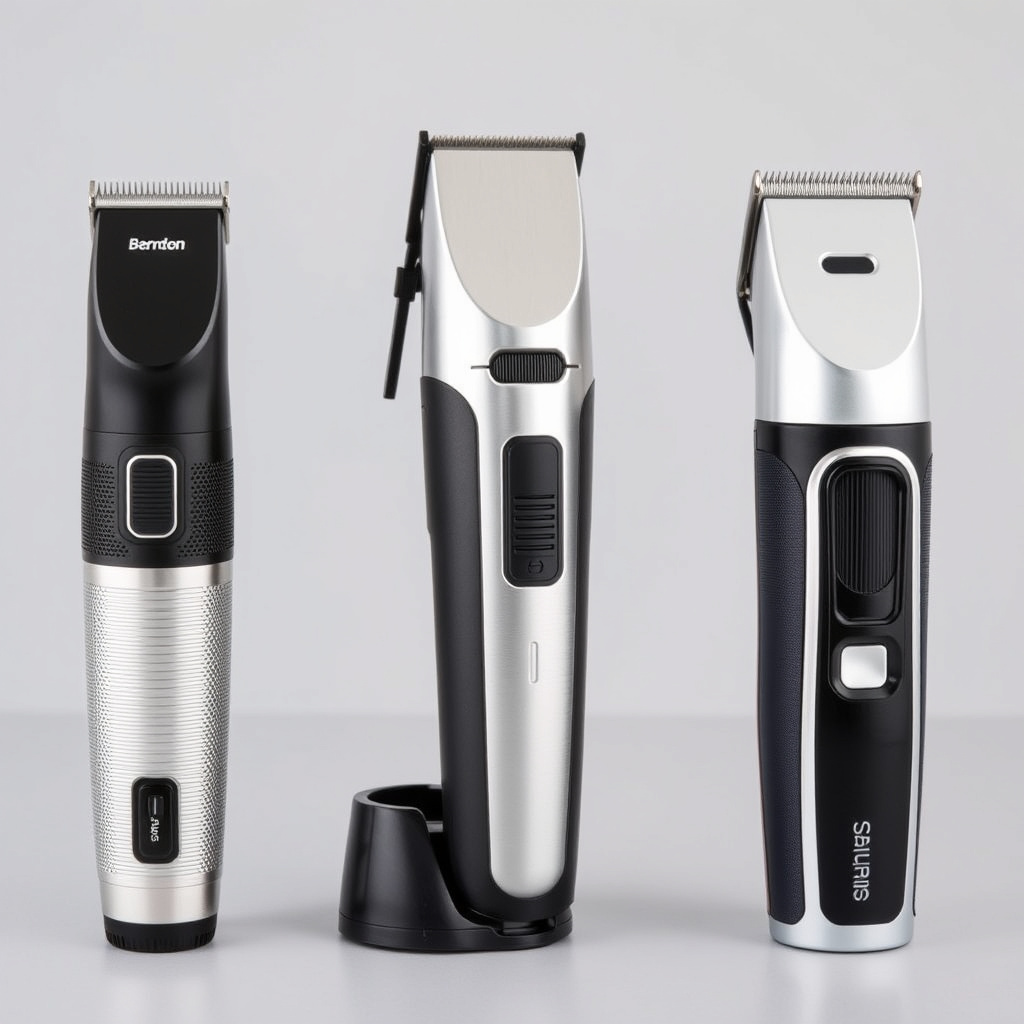
Key Features to Evaluate
When selecting cordless clippers, focus on battery life, motor power, blade quality, and available adjustment options. Consider your hair type and grooming style to pick features that will deliver consistent results.
Additional factors like weight, ergonomics, noise level, and ease of maintenance also affect user experience. Reading reviews and testing grip comfort can guide a practical purchase decision.
- Battery capacity and charge time
- Motor type and cutting power
- Blade sharpness and guard availability
- Ergonomic design and noise level
For further technical details, you can explore the comprehensive entry on Cordless Hair Clipper technology. Cordless Hair Clipper technology.
Comparing Models Based on Usage Scenarios
For occasional home use, a light, inexpensive cordless clipper with moderate battery life and simple guards may suffice. Professional users benefit from durable motors, long runtime, and versatile blades for diverse hair types.
Pet owners should prioritize models designed to handle thick fur with quieter motors to avoid stressing animals. Understanding these needs can narrow down choices to the best cordless clippers for home use or specialized tasks.
- Basic models for infrequent grooming
- Professional-grade for salons and barbers
- Specialized clippers for pets
- Models optimized for specific hair textures
Cordless Clippers Category Comparison
This table compares different types of cordless clippers based on critical factors like battery life, motor type, and suitability for various users.
| Category | Battery Life | Motor Type | Best For | Price Range |
|---|---|---|---|---|
| Basic Home Clippers | 60 minutes | Magnetic | Simple trims, beginners | $20 – $50 |
| Professional Clippers | 90-120 minutes | Rotary or Pivot | Salons, thick hair | $80 – $200 |
| Pet Grooming Clippers | 70-90 minutes | Rotary | Animal fur trimming | $50 – $100 |
| Travel Clippers | 40-60 minutes | Magnetic | Portable use, quick trims | $30 – $60 |
| Premium All-in-One Clippers | 120+ minutes | Pivot | Versatile styling, heavy use | $150 – $250 |
Frequently Asked Questions
How long do cordless clippers typically run on a full charge?
Most cordless clippers provide between 60 to 120 minutes of runtime on a full charge, depending on battery type and usage intensity.
Are lithium-ion batteries better than NiMH for cordless clippers?
Yes, lithium-ion batteries are generally lighter, charge faster, and last longer than NiMH batteries, making them preferable for cordless clippers.
Can cordless clippers be used while charging?
Some cordless clippers allow use while charging, but many do not, so it's best to check the model specifications to avoid damage.
How do I maintain my cordless clipper blades?
Regularly clean hair debris from blades and apply clipper oil to reduce friction, extend blade life, and maintain cutting performance.
Are cordless clippers noisier than corded clippers?
Cordless clippers can be quieter due to more efficient motors and vibration reduction, but noise levels depend on specific motor design.
Key Takeaways
- Cordless clippers run on rechargeable batteries, offering freedom of movement without cords.
- Motor type and battery technology affect performance and runtime significantly.
- Blade quality and adjustable guards determine cutting precision and style options.
- Choosing the right cordless clipper depends on personal grooming needs and hair types.
Conclusion
Understanding how cordless clippers work involves grasping the interplay between battery power, motor mechanics, and blade function. Battery technology—such as lithium-ion—enables independence from cords, while motor types like rotary or pivot influence cutting efficiency. Blade design and adjustability directly impact user control and haircut quality, making the choice of cordless clippers a balance of these technical factors tailored to personal or professional needs.
For those seeking simple home trims, lightweight magnetic motor models with adequate runtime suffice. Professionals or users dealing with thick or coarse hair benefit from more powerful rotary or pivot motor clippers with longer battery life and multiple guard lengths. Pet owners should select quieter, robust models for animal fur. Considering these scenarios helps identify the best cordless clippers for home use or specialized grooming tasks, ensuring comfort, precision, and convenience.
Before purchasing, evaluate your typical usage environment, whether you prioritize portability, runtime, or cutting versatility. Try holding a few models to judge ergonomics and read reviews focused on your hair type. With cordless clippers, charged and well-maintained blades will deliver consistent performance, so maintain your tool properly after each use. Selecting the right model will transform your grooming routine into an easier, more efficient experience.


One Comment