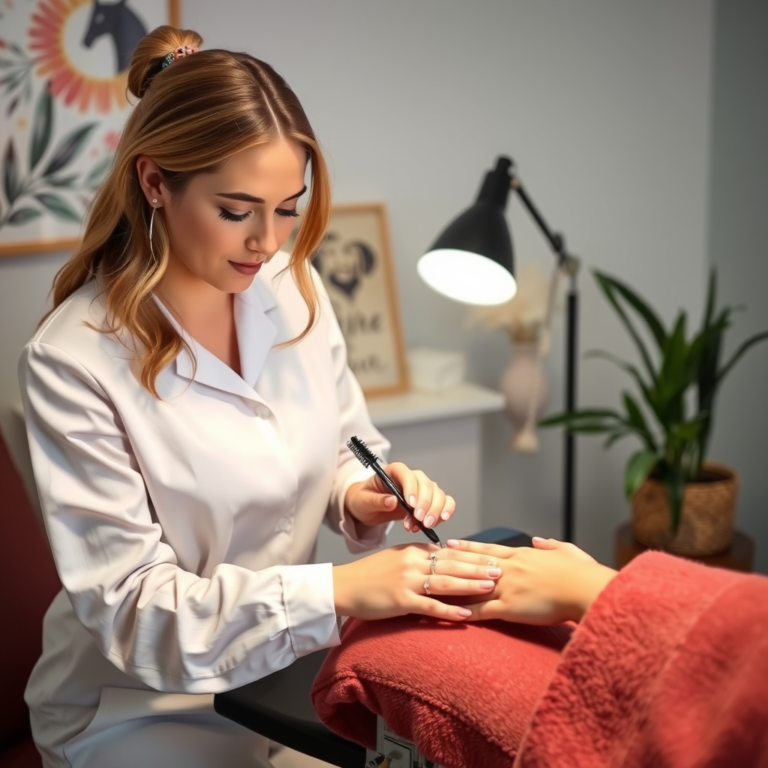
How Do Gel Nails Work: A Complete Guide to Gel Manicures
Gel nails work by applying a specialized gel polish that cures under ultraviolet (UV) or light-emitting diode (LED) lamps to create a hard, durable layer over the natural nails. This curing process solidifies the gel, making the nails resistant to chips and smudges for up to two weeks or more.
Understanding gel nails matters because they offer a longer-lasting alternative to regular nail polish, combining strength and shine with a relatively quick drying time due to the curing method. This makes gel nails popular for people who want manicures that maintain their look without frequent touch-ups.
This article will explain the science behind how gel nails work, detail the application and removal process, explore different gel types, highlight care tips, and compare gel nails to other manicure options.
The Chemistry Behind How Gel Nails Work

Photopolymerization Process
Gel nail polish contains photoinitiators that react when exposed to UV or LED light, initiating a chemical reaction called polymerization. This changes the gel from a liquid to a solid form, effectively curing the nail polish into a durable coating.
This polymerization creates cross-linked polymer chains, resulting in a hard, resilient surface that adheres closely to the nail without cracking or peeling easily.
Differences Between UV and LED Curing
UV lamps emit broad-spectrum ultraviolet light to cure gel polish, typically taking 2 minutes or more per layer. LED lamps, meanwhile, emit a narrow spectrum targeted to the photoinitiators, curing gel polish faster—typically 30-60 seconds.
The choice between UV and LED curing affects wear time and user experience, with LED curing generally being quicker and generating less heat during the process.
- UV lamps take longer but cure a wider range of gels
- LED lamps cure faster but only certain gel formulations
- LED lamps tend to have longer bulb life and use less energy
Step-by-Step Gel Nail Polish Application
Preparation and Base Coat Application
Nail preparation involves cleaning, buffing, and lightly roughening the nail surface to promote adhesion. After prepping, a thin layer of gel base coat is applied to seal the natural nail, preventing staining and increasing polish longevity.
The base coat is then cured under a UV or LED lamp to harden it before moving on to the colored gel polish layers.
- Clean nails thoroughly and push back cuticles
- Lightly buff nails for better polish grip
- Apply thin base coat evenly
Color Application and Final Topcoat
Color gel polish is applied in thin layers, with each layer cured under the lamp to build color intensity and coverage. Generally, two coats are recommended for an even finish.
Finally, a gel topcoat seals the color, adds shine, and is cured one last time under the lamp. After curing, nails are wiped with isopropyl alcohol to remove any sticky residue.
- Apply two thin coats of gel color
- Cure each coat fully before next application
- Seal with a high-gloss topcoat for durability
Gel Nail Removal Techniques and Care
Safe Removal Methods
Removing gel nails involves soaking the nails in acetone, which dissolves the cured gel without damaging the natural nail if done correctly. Typically, cotton soaked in acetone is wrapped around each nail with foil for 10-15 minutes.
After softening, gentle scraping with a wooden stick or cuticle pusher removes the gel. Avoid forcing gel removal to prevent nail damage.
- Use acetone soak method for safe gel removal
- Wait for gel to soften before scraping
- Do not peel or force gel off
For more on this, see our related guide: How to Choose the Best Nails Service Salon Spa for Your Next Visit.
Maintaining Nail Health Post-Removal
Post-removal, nails should be moisturized and rested to recover from any brittle effects. Using cuticle oil and hand creams supports nail flexibility and health.
Regular breaks from gel nails can prevent weakening, while avoiding excessive buffing protects the natural nail’s surface.
- Apply nourishing oils daily
- Avoid aggressive buffing or filing
- Give nails rest periods between gel applications
Types of Gel Nails and Their Uses

Hard Gel vs. Soft Gel Nails
Hard gel nails, also called sculpting gels, provide strong artificial extensions that cure solid and must be filed off. They are ideal for lengthening nails and providing a strong foundation for decorative designs.
Soft gel nails, commonly known as gel polish, offer a flexible, paint-like finish that’s easier to remove and typically used to enhance natural nails rather than extend them.
- Hard gels are more durable and used for extensions
- Soft gels focus on color and shine on natural nails
Soak-Off Gels and Long-Wear Gel Polishes
Soak-off gels are designed to dissolve easily in acetone, facilitating removal after weeks of wear. They retain hard gel durability but with convenient removal.
Long-wear gel polishes combine vibrant colors with chip resistance and fast curing times, making them popular for both professional salons and at-home users.
Caring for Gel Nails to Maximize Wear and Appearance

Daily Care Tips for Longevity
Maintaining gel nails involves protecting them from harsh chemicals and mechanical damage. Wearing gloves when doing chores and moisturizing cuticles daily can prolong the manicure’s life and appearance.
Avoid using nails as tools to prevent lifting or chipping, which compromises the gel nail polish’s integrity.
- Use gloves for cleaning or gardening
- Apply cuticle oil daily
- Avoid prying or excessive pressure on nails
For more on this, see our related guide: How to Choose Salon Services Pro in Colorado Springs for Exceptional Results.
When to Schedule Regular Fills or Touch-Ups
As natural nails grow, gel nails develop a gap at the cuticle line. Regular fills every 2-3 weeks help maintain a seamless look and prevent lifting.
Touch-ups also address minor chips and reinforce nail strength, keeping nails healthy and attractive between full applications.
Comparing Gel Nails to Other Manicure Types

Gel Nails vs. Acrylic Nails
Gel nails offer a more natural shine and flexibility compared to acrylics, which are harder and more rigid. Gels cure with light, whereas acrylics use a chemical reaction involving liquid monomer and powder polymer.
Acrylics provide stronger extensions but may be less flexible, potentially leading to cracking under stress. Gel nails are favored for their smooth finish and ease of application.
For more detailed information on gel manicures, check out this comprehensive gel manicure overview. gel manicure.
Gel Nails vs. Regular Nail Polish
Regular nail polish dries via evaporation and often chips within a few days, while gel nails cure into a solid film, resisting chips for weeks. Gel nail polish requires a curing lamp but offers longer wear and enhanced durability.
Regular polish is easier to apply and remove without special tools but lacks the longevity and resilience of gel nails.
Gel Nail Types and Application Comparison
This table compares the main gel nail types by removal method, durability, curing time, and typical use to help decide what suits your needs best.
| Gel Nail Type | Removal Method | Durability (Weeks) | Curing Time per Layer | Best For |
|---|---|---|---|---|
| Hard Gel | Filing off | 3-4 | 2 minutes (UV lamp) | Nail extensions and sculpting |
| Soft Gel (Gel Polish) | Acetone soak-off | 2-3 | 30-60 seconds (LED lamp) | Color polish with natural nails |
| Soak-Off Gel | Acetone soak-off | 2-3 | 30-60 seconds (LED lamp) | Convenient removal with strong finish |
| Regular Nail Polish | Nail polish remover | 1 week or less | Air dry, no lamp | Quick and easy color changes |
Frequently Asked Questions
How long do gel nails typically last?
Gel nails usually last between two to three weeks without chipping, depending on nail care and exposure to activities that may cause wear.
Is it safe to cure gel nails under UV or LED lights?
Yes, the exposure time is brief and safe for most people, but using sunscreen on your hands or opting for LED lamps with shorter curing times can reduce skin exposure.
Can gel nails damage my natural nails?
If applied and removed properly, gel nails generally do not damage natural nails. However, aggressive removal or skipping breaks can cause brittleness or weakening.
What is the difference between hard gel and soft gel nails?
Hard gels create durable nail extensions that must be filed off, while soft gels are flexible gel polishes designed to enhance natural nails and are soak-off for easy removal.
Can I apply gel nail polish at home?
Yes, many gel nail polish kits are available for home use, including curing lamps. Proper nail prep and curing steps are essential for best results.
Key Takeaways
- Gel nails cure via UV or LED light to create a hard, long-lasting polish layer.
- Proper application and curing steps optimize durability and shine.
- Safe removal with acetone and nail care protects natural nails.
- Gel nails offer a resilient alternative to regular polish with extended wear.
Conclusion
Understanding how gel nails work helps in making informed decisions about choosing this manicure option. The curing process chemically transforms the gel polish into a strong, glossy coating that resists common wear problems like chipping or dulling. This transformation relies on light-activated polymerization that locks in color and durability. Choosing the right type of gel and following proper preparation methods maximizes the benefits of gel nails while minimizing risk to natural nails.
For individuals seeking extended wear and minimal maintenance, soak-off soft gels combined with LED curing lamps offer an excellent balance of longevity and easy removal. Those wanting nail extensions may prefer hard gel types despite longer removal times because of their strength. Regular maintenance through touch-ups and cuticle care enhances the appearance and health of gel manicures. Comparing gel nails to acrylics and traditional polish highlights their advantages of natural look and flexible durability.
If you want to experience the lasting shine and strength of gel nails, consider visiting a salon or investing in a gel nail polish application kit. Prioritize learning safe removal techniques to protect your natural nails and provide rest periods between gel applications for optimal nail health. With these practical steps, gel nails can become a reliable part of your beauty routine.