How Often Should You Clean Clippers for Best Performance and Hygiene
You should clean your clippers after every use to maintain optimal performance and hygiene. Regular cleaning prevents hair buildup, reduces blade dulling, and lowers the risk of infections, especially when clippers are shared or used frequently.
Keeping clippers clean matters because hair residue, oils, and skin particles accumulate quickly, causing blades to clog and become less effective over time. Neglecting cleaning can lead to uneven cuts or even skin irritation. Frequent use amplifies this issue, making cleaning even more essential.
This article covers how often you should clean clippers along with detailed steps for cleaning and maintaining your device. We’ll explore different cleaning tools, tips for blade care, and how cleaning frequency may vary by clipper type and usage habits.
Why Cleaning Clippers Regularly Matters

Preventing Blade Dulling and Damage
Hair clippings and buildup between clipper blades cause friction that dulls the cutting edges. A dull blade pulls hair instead of cutting it cleanly, leading to discomfort and uneven trims. By cleaning after every use, you reduce this risk and keep blades sharper for longer.
Regular cleaning also avoids the need for frequent blade replacements or expensive sharpening services, saving money in the long term while protecting the clipper’s investment.
Maintaining Hygiene and Avoiding Infection
Clippers collect skin cells, oils, and sweat during use, creating a breeding ground for bacteria and fungi if not cleaned properly. This can cause skin irritation or infections, especially when clippers are used on multiple people.
Thorough cleaning after each session is essential to prevent cross-contamination and ensure a safe grooming experience for everyone.
Recommended Cleaning Frequency for Clippers
Daily Cleaning for Frequent Users
If you use clippers daily or multiple times a week, clean your device thoroughly after each use. This includes removing hair clippings, disinfecting blades, and oiling the parts.
Daily cleaning helps maintain ideal blade action, prevents rust, and keeps the clipper hygienic for consistent performance.
- Remove hair clippings using the brush
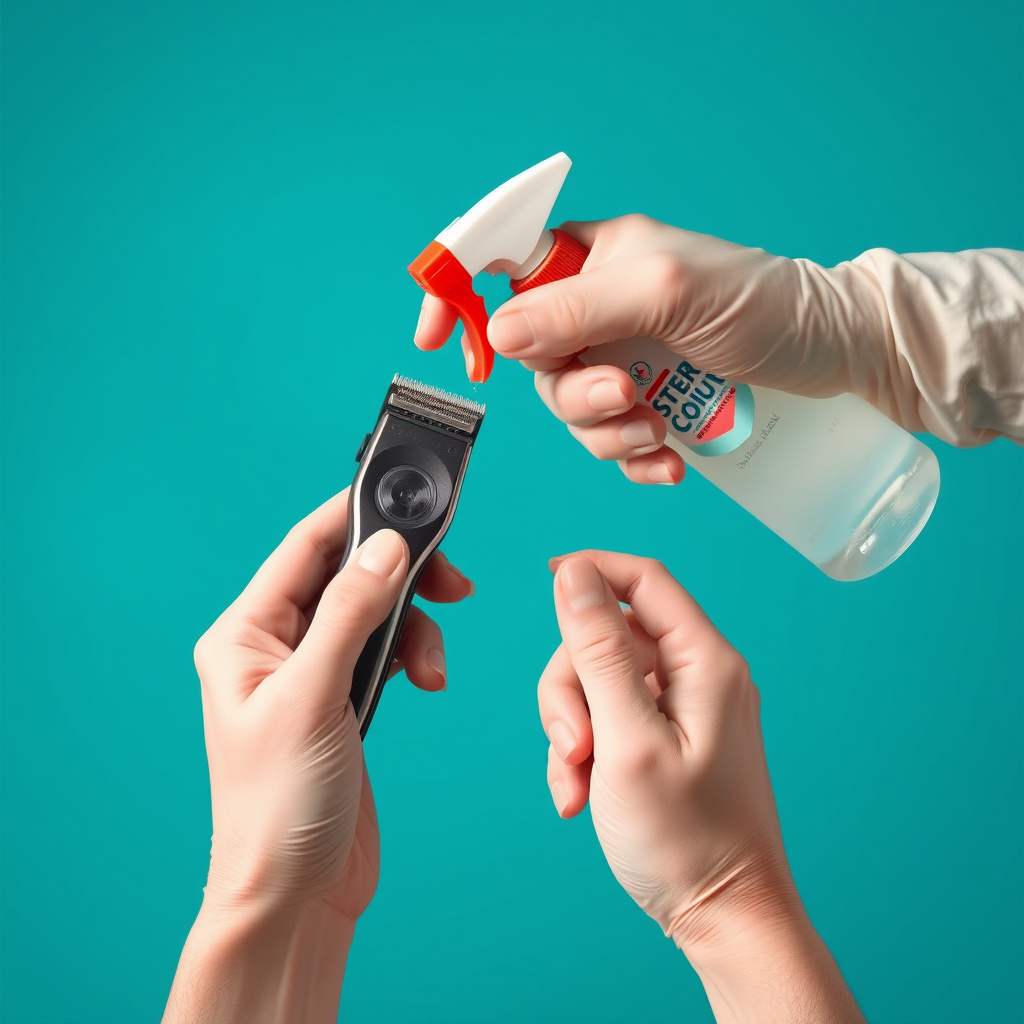
- Use clipper spray for disinfection
- Oil blades lightly after drying
Weekly Maintenance for Occasional Use
For those who use clippers once or twice a week, a detailed cleaning after every use suffices, combined with intensified maintenance weekly, such as blade removal and deep cleaning.
This avoids buildup, keeps parts lubricated, and identifies any damage early.
- Disassemble blades for deep cleaning weekly
- Apply lubricant across moving parts
- Sanitize blade and housing
How to Clean Clippers Properly Each Time
Step 1: Remove Hair and Dust
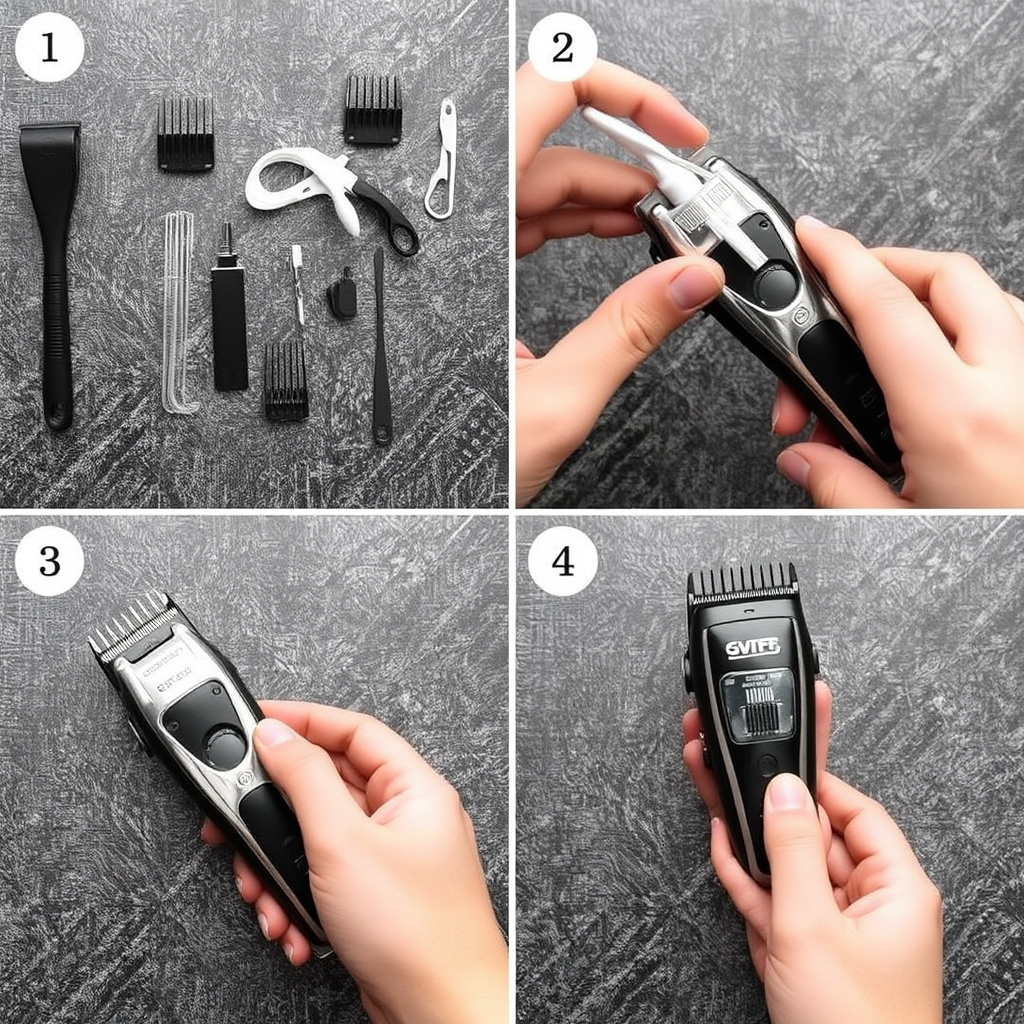
Turn off and unplug your clippers before cleaning. Use the included brush or a small cleaning brush to remove all hair clippings from blades and housing.
This initial removal of debris prevents friction during use and sets up the clipper for more effective disinfecting.
- Brush off hair from blade teeth
- Clean vents and casing
- Tap out loose dust
For more on this, see our related guide: How Often Should You Get a Haircut? Finding the Right Schedule for Your Hair Type.
Step 2: Disinfect and Oil Blades
Spray blade disinfectant to kill germs and prevent rust. Allow the clipper to air dry completely before applying a few drops of clipper oil evenly across the blades.
Oiling reduces metal friction, improves cutting smoothness, and extends blade life.
- Spray disinfectant on blades
- Let blades dry fully
- Apply clipper oil sparingly
Tools and Products for Effective Clipper Maintenance

Essential Cleaning Tools
A fine brush to remove hair, clipper blade spray for disinfecting, and high-quality clipper oil are must-haves for proper clipper upkeep. Some manufacturers include these in clipper kits.
A microfiber cloth can help wipe exterior surfaces and keep the device looking clean.
- Clipper cleaning brush
- Blade disinfectant spray
- Lubricant oil
- Microfiber cloth
Optional Maintenance Accessories
Additional tools like blade coolants prevent overheating during heavy use, while specialized cleaning gels dissolve stubborn residue. Replacement blades or guards keep your setup versatile and hygienic.
Investing in quality maintenance products protects your clipper’s longevity and ensures smooth cutting.
- Blade coolants
- Cleaning gels
- Replacement blades and guards
Clipper Cleaning Frequency Tips for Different Users
Professional Use and High Traffic Settings
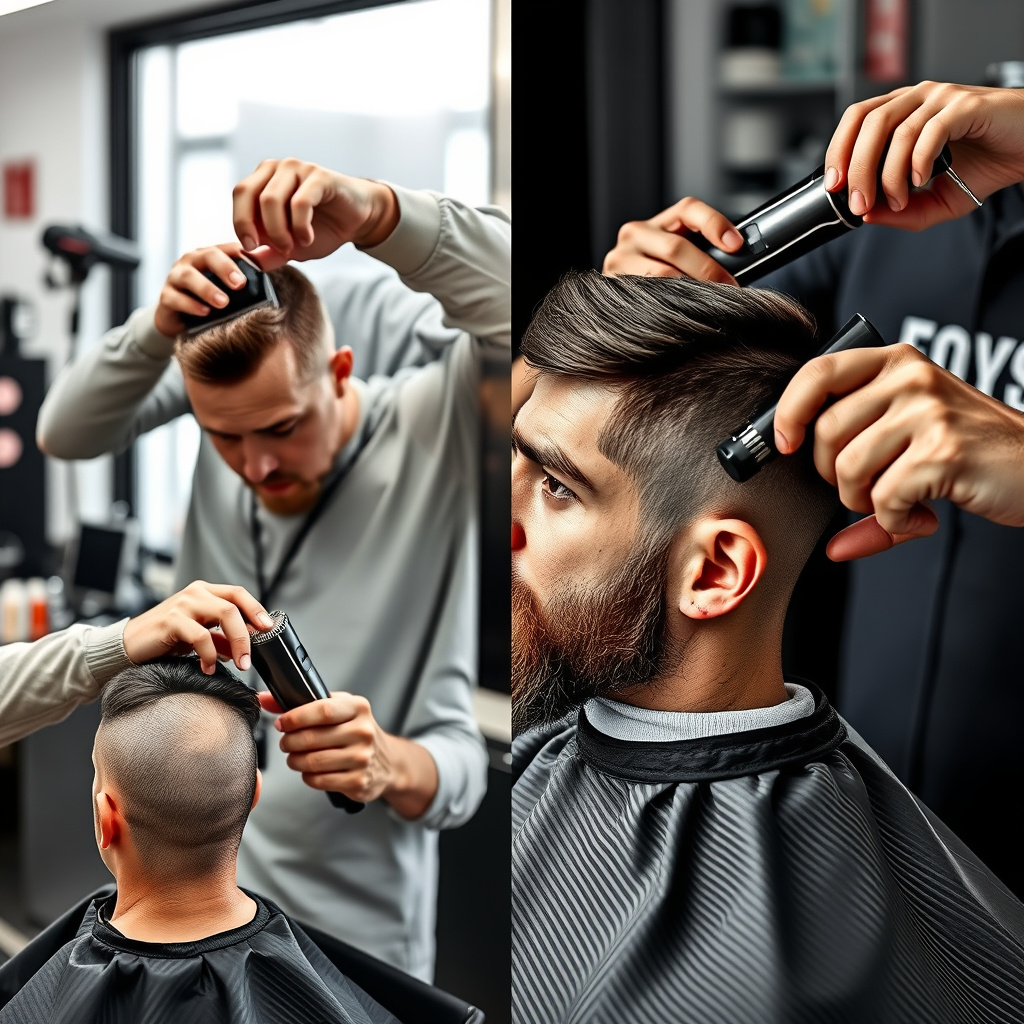
Barbers and stylists should clean clippers thoroughly after each client to avoid cross-infection. Multiple cleanings per day with quick disinfectant wipes and periodic full cleans maintain hygiene in high-use environments.
Professional-grade clippers may require extra attention to oiling and blade replacement due to heavy usage.
- Clean after every client
- Use disinfectant wipes between uses
- Oil blades multiple times daily
For more on this, see our related guide: How Often Should You Replace Clipper Blades for Best Performance.
Home Users and Light Use Scenarios
For home users who cut hair less frequently, cleaning after every use and weekly detailed maintenance is usually sufficient. If sharing clippers with family members, disinfect carefully between users.
This routine helps retain clipper condition and prevents hygiene risks at home.
- Clean after every use
- Weekly deep cleaning
- Disinfect before sharing
Common Mistakes to Avoid During Clipper Cleaning
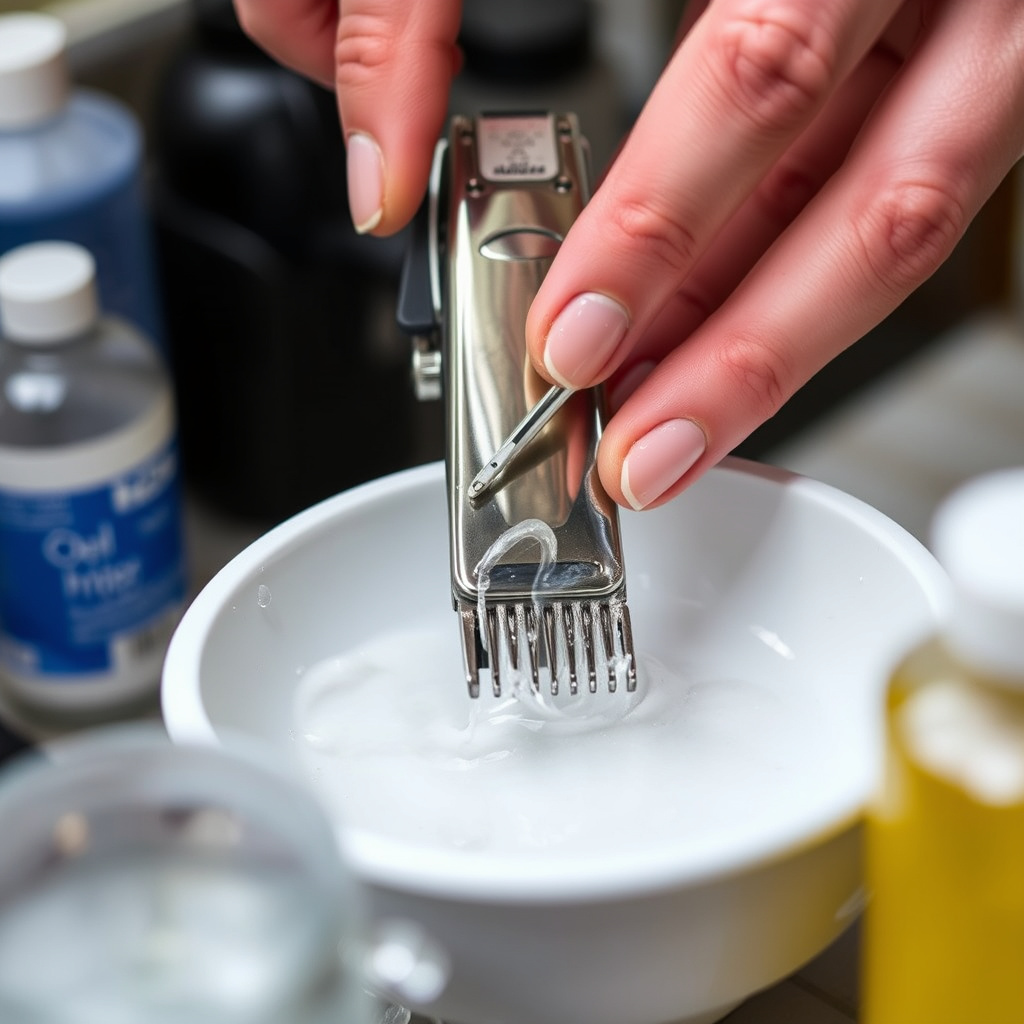
Using Water or Harsh Chemicals
Avoid submerging electric clippers in water or using household cleaners as they can damage internal components and blades. Stick to products designed specifically for clippers.
Water can cause rust and short-circuit clipper motors, so keep cleaning to dry methods and approved sprays.
- Never soak clippers
- Avoid harsh chemical cleaners
Skipping Regular Oiling
Many users neglect oiling blades regularly, which causes increased friction and overheating. This shortens blade and motor life and reduces clipping efficiency.
Make oiling an integral step in your cleaning process to prolong the lifespan and maintain smooth operation.
- Apply oil after drying blades
- Oil frequently if used daily
How Different Clipper Types Affect Cleaning Routines
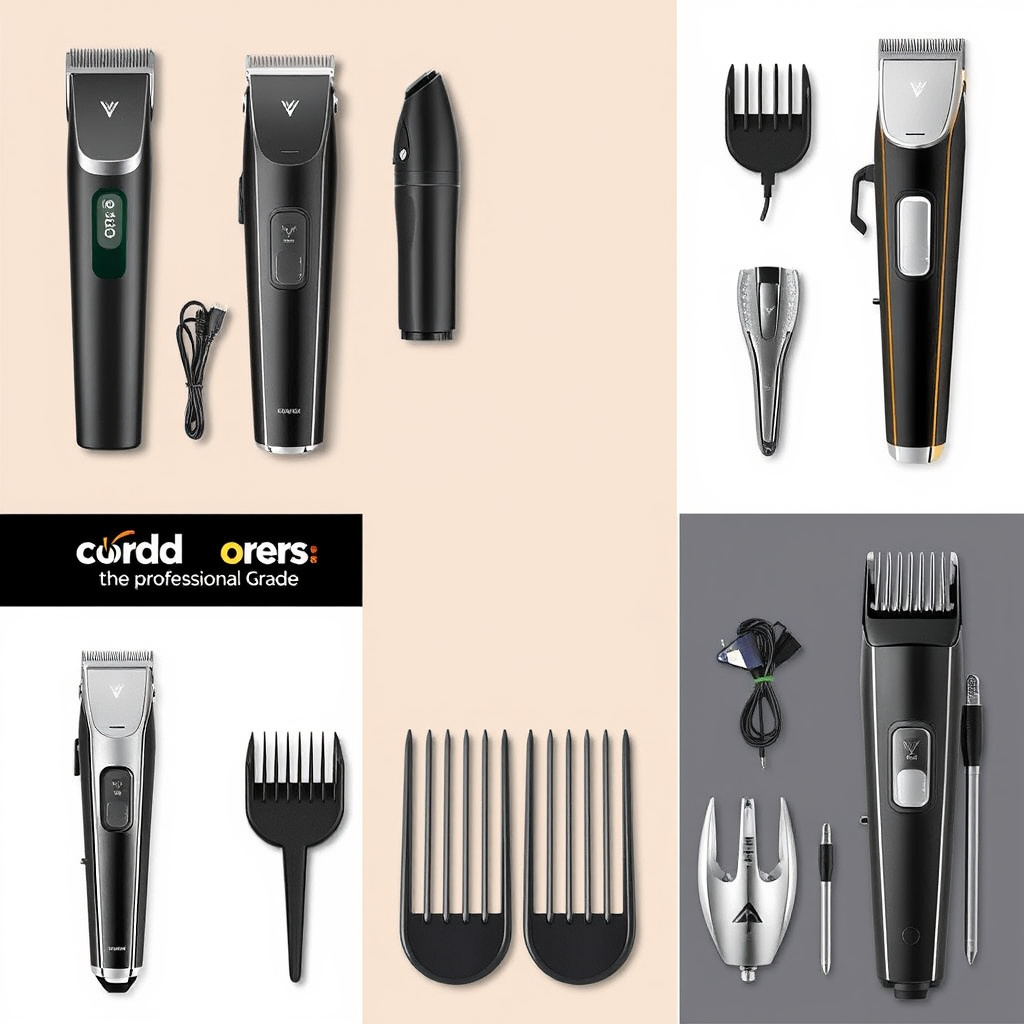
Corded vs. Cordless Clippers
Cordless clippers often require more careful cleaning to protect battery compartments and avoid moisture. They usually come with manufacturer guidelines for cleaning frequency that vary slightly from corded models.
Corded clippers allow easier cleaning without worrying about battery damage but still need regular blade care.
- Cordless units: careful drying needed
- Corded: more robust cleaning options
For more detailed insights on clipper design and care, see this comprehensive hair clipper maintenance resource. hair clipper maintenance.
Professional Grade Clippers
Professional clippers usually have removable blades making deep cleaning simpler and more effective. Their parts often tolerate higher-quality cleaning products as well.
The frequency and thoroughness of cleaning must be higher for pros due to intense daily use.
- Removable blade design
- Durable materials for cleaning
Clipper Cleaning Frequency Category Comparison
This table compares cleaning and maintenance frequency across different clipper user categories to help tailor your routine.
| User Category | Recommended Cleaning Frequency | Oiling Frequency | Disinfection Routine |
|---|---|---|---|
| Professional Barber | After each client | Multiple times daily | Disinfect blades after every use |
| Daily Home User | After every use | After every cleaning | Disinfect blades after every use |
| Weekly Home User | After every use | Weekly | Disinfect weekly |
| Occasional User | After use | Weekly or before storage | Disinfect as needed |
| Shared Clippers | After each user | After each cleaning | Disinfect thoroughly between users |
Frequently Asked Questions
Can I use water to clean my clippers?
Avoid using water directly on clippers, especially electric parts. Use a brush and clipper-specific disinfectant sprays to clean blades safely and effectively.
How do I know when my clipper blades need replacing?
If your clipper pulls hair, cuts unevenly, or shows visible blade damage despite cleaning and oiling, it’s time to replace the blades.
Is it necessary to oil clippers after every cleaning?
Yes, oiling after cleaning reduces friction, prevents overheating, and extends blade life, especially for daily or frequent users.
What disinfectant should I use on my clippers?
Use a clipper blade disinfectant spray specifically formulated to kill bacteria and fungi without damaging blades or clipper motors.
Does cleaning frequency differ for cordless and corded clippers?
Basics like removing hair and disinfecting remain the same, but cordless clippers need extra care to avoid moisture near battery components.
Key Takeaways
- Clean clippers after every use to maintain sharpness and hygiene.
- Daily users should oil and disinfect blades after each cleaning.
- Professional and shared clippers require more frequent disinfection.
- Avoid water and harsh chemicals to prevent damage.
Conclusion
The best approach to clipper cleaning balances usage frequency, hygiene needs, and maintenance. Cleaning after each use keeps blades from dulling and prevents buildup, while periodic deep cleaning and oiling extend the life of your clipper. Remember, adequate disinfecting is necessary to reduce infection risks, especially when clippers serve multiple people or professionals use them frequently.
For professional barbers or those cutting hair daily, cleaning after every client combined with multiple daily oil applications is essential. Occasional home users should clean after every use and perform a more thorough weekly maintenance that includes blade removal and lubrication. Using the right cleaning tools and products tailored to your clipper type, whether corded, cordless, or professional grade, will protect your investment and keep your grooming precise.
If you haven’t established a cleaning routine yet, start by brushing hair from blades immediately after each use, following up with spray disinfectant and oil. Over time, this habit will preserve your equipment and ensure every cut is smooth and hygienic. Regularly inspect your clipper blades and replace them as needed to maintain top performance.