How to Clean Clipper Blades for Efficient Haircuts
Cleaning clipper blades is essential to keep them sharp, prevent rust, and ensure hygienic haircuts. To clean them, first unplug your clipper and remove the blades if possible. Use a small brush to clear out hair clippings, then wash the blades with warm soapy water or isopropyl alcohol to disinfect. After thoroughly drying, apply clipper oil to protect and lubricate the blades.
Properly cleaned clipper blades not only extend the tool’s lifespan but also ensure smooth operation without pulling hair or causing skin irritation. Residual hair and product buildup can dull blades, making them less effective. Regular cleaning also reduces bacterial growth, which is especially important for professionals or frequent home users sharing equipment.
This article explains various techniques to clean clipper blades, from basic routine maintenance to deep cleaning and sterilizing methods. We'll also cover tools and products that make the process easier, how to lubricate blades correctly, and tips for preventing common problems like rust or corrosion.
Basic Steps to Clean Clipper Blades
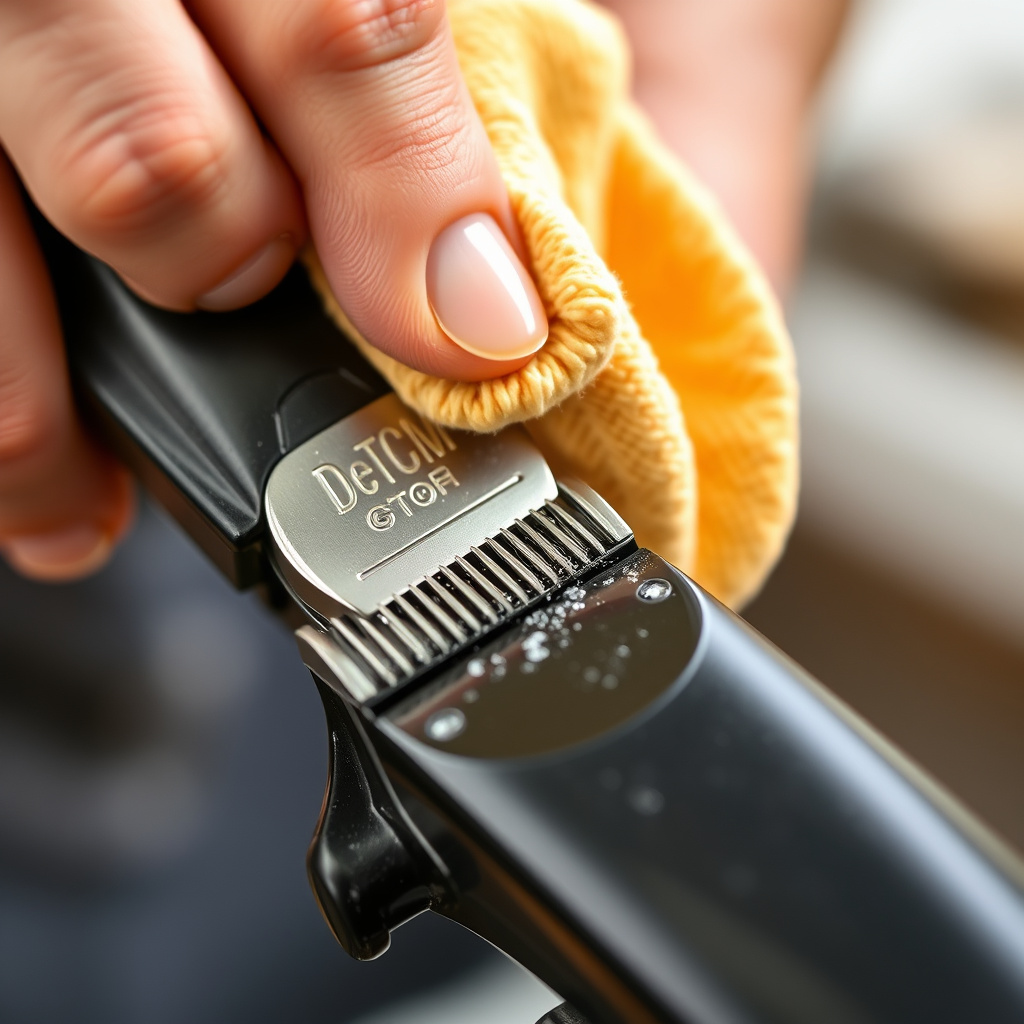
Removing Hair from Blades
Begin by detaching the blades from the clipper if your model allows it. Use a small, stiff brush—usually included with the clipper—to remove loose hair from between the teeth and edges. This step clears away the largest debris that can interfere with blade movement.
If you don’t remove the blades, brushing them while still attached can still work, but is less thorough. Pay extra attention to gaps where hair tends to collect to keep the blades functioning smoothly and reduce wear.
- Use a small cleaning brush
- Brush between blade teeth carefully
- Remove blades if your clipper allows
Wiping and Disinfecting Blades
After removing hair, wipe down the blades with a clean cloth dampened with warm water and mild soap or use isopropyl alcohol for disinfection. Avoid soaking blades in water as this can cause rust. Instead, gently clean surfaces to remove oils, dirt, or residue from hair products.
For disinfecting, alcohol is preferred because it evaporates quickly and kills bacteria. Allow blades to air dry completely before reassembling or applying oil.
- Avoid soaking blades in water
- Use isopropyl alcohol for disinfection
- Let blades air dry fully
Advanced Cleaning Techniques for Clipper Blades
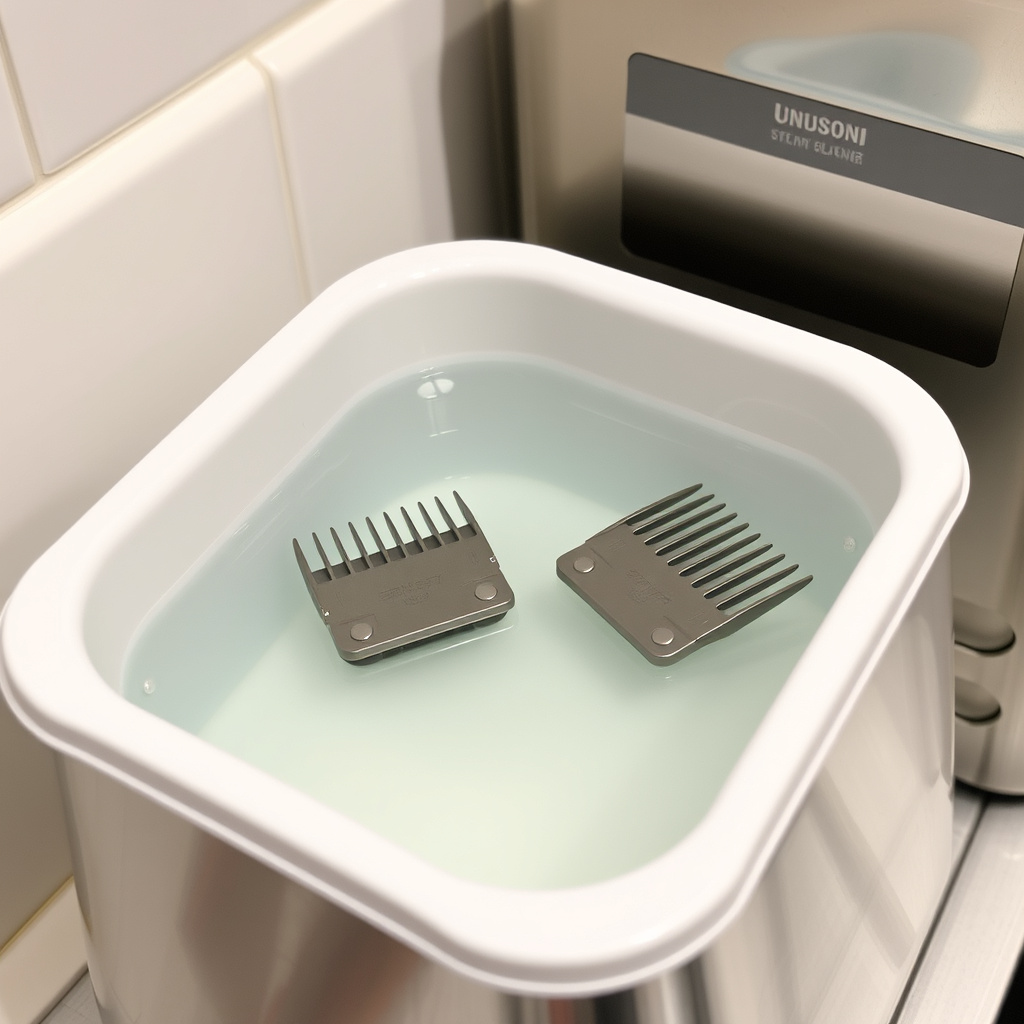
Using Ultrasonic Cleaners
Ultrasonic cleaners offer a professional way to deep clean clipper blades by using sound waves to remove debris from tight spaces. Place detached blades in the cleaner filled with recommended solution and run for several minutes. This method eliminates hardened buildup unreachable by brushing alone.
While effective, ultrasonic cleaning requires investment in equipment and suitable cleaning solutions. It's mostly used in salons or by barbers who maintain multiple sets of blades.
- Requires ultrasonic cleaning machine
- Removes deep grime between blade teeth
- Best for professional or frequent users
Soaking Blades in Sterilizing Solution
For thorough sanitation, clipper blades can be soaked briefly in a barbershop-grade sterilizing liquid designed to kill bacteria, fungi, and viruses. Follow product instructions closely, usually limiting soak time to avoid damaging blade finish or mechanisms.
This technique is critical for shared clippers in salons to prevent cross-contamination. Always rinse and dry blades carefully after soaking to preserve blade integrity.
- Use barbershop sterilizing solutions
- Limit soak time per product guidelines
- Rinse and dry blades thoroughly afterward
Lubricating and Maintaining Clipper Blades
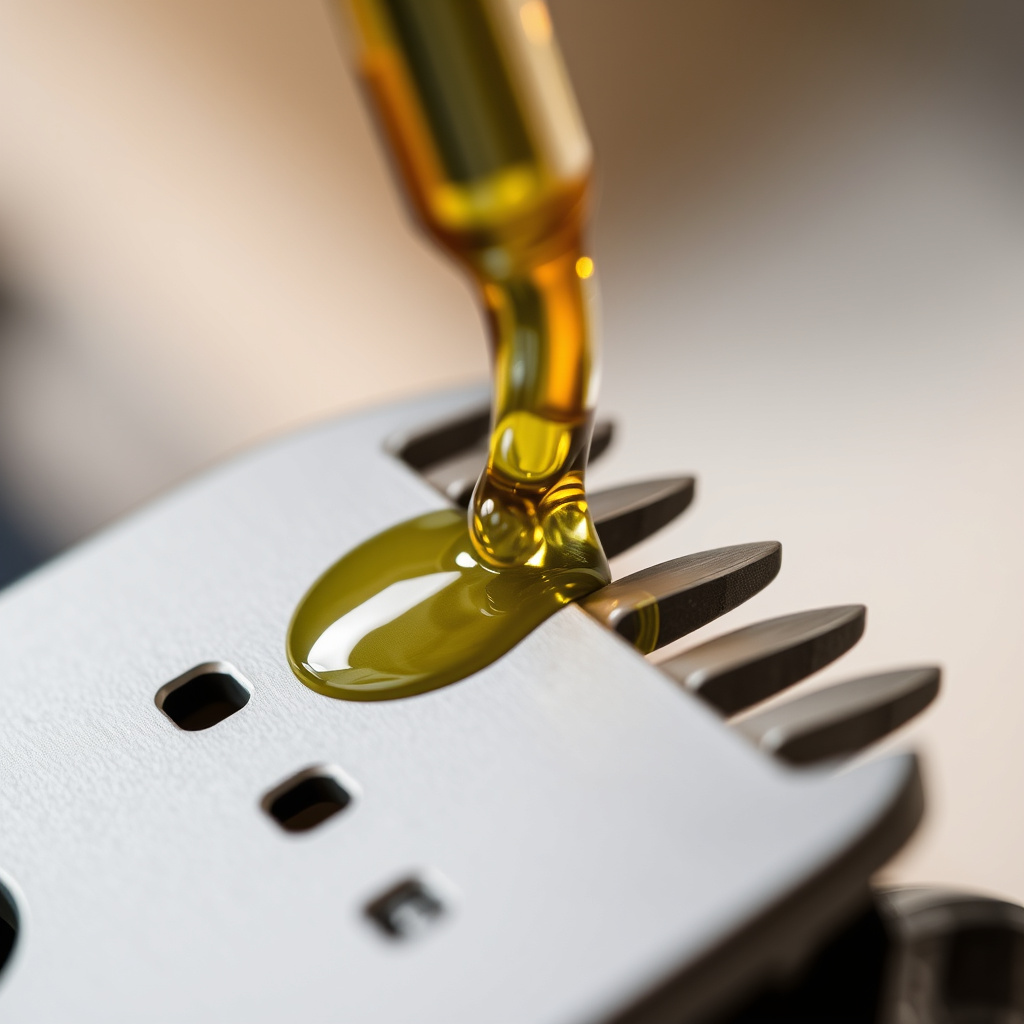
When and How to Oil Blades
Oil keeps clipper blades lubricated to reduce friction, prevent overheating, and maintain sharp edges. Apply a few drops of high-quality clipper oil to the teeth before and after each use. Turn the clipper on briefly to distribute the oil evenly.
Avoid using general-purpose oils, as they may gum up or attract debris. Clean excess oil with a cloth to prevent buildup that can trap dirt.
- Use dedicated clipper oil only
- Apply before and after use
- Turn clipper on to spread oil
For more on this, see our related guide: How to Clean Hair Clippers: A Simple Guide for Maintenance and Hygiene.
Checking Blade Alignment and Sharpness
Cleaning is also a good opportunity to inspect blade alignment. Misaligned blades can cause skin irritation or uneven cuts. Adjust screws gently to align blades while maintaining a slight offset to prevent pinching.
Over time, blades dull. If clean and lubricated blades pull hair or skip, sharpening or replacement may be necessary for optimal performance.
- Inspect and adjust blade alignment
- Replace or sharpen dull blades
- Maintain slight gap to avoid skin pinching
Common Mistakes When Cleaning Clipper Blades
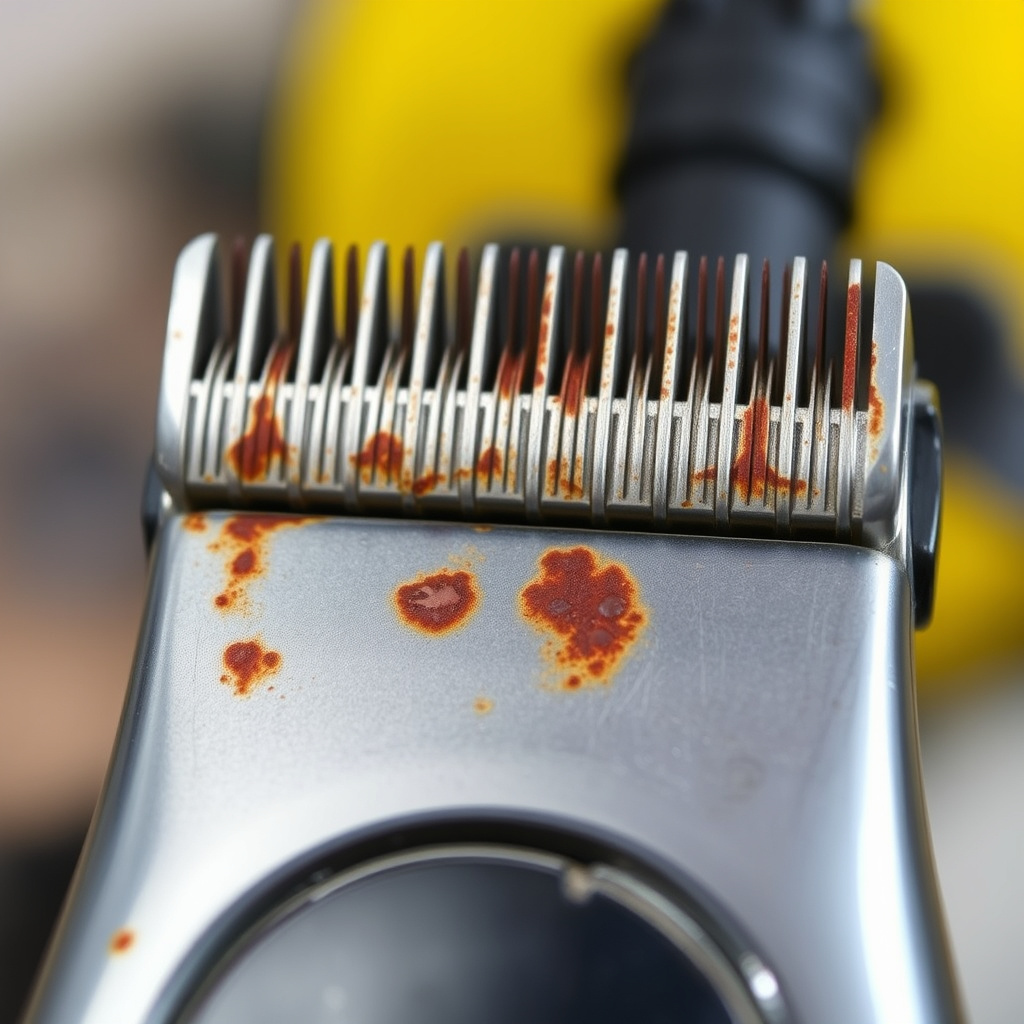
Avoiding Water Damage and Rust
Many users mistake soaking clipper blades in water or putting wet blades away without drying. This causes rust and corrosion that degrade blade quality. Always dry blades completely after cleaning and never store in damp environments.
Using water sparingly during cleaning and relying on alcohol disinfectants helps maintain blade longevity.
- Never soak blades in water
- Dry blades thoroughly after cleaning
- Store blades in dry areas
Not Lubricating Blades Properly
Skipping blade oil or using inappropriate lubricants causes friction, overheating, and premature dulling. Some users use household oils that gum up or attract debris, leading to poor performance.
Consistent application of quality clipper oil keeps blades running smoothly and prolongs their life.
- Use correct clipper oil only
- Do not skip lubrication after cleaning
- Clean off excess oil to prevent dirt buildup
Tools and Products for Cleaning Clipper Blades
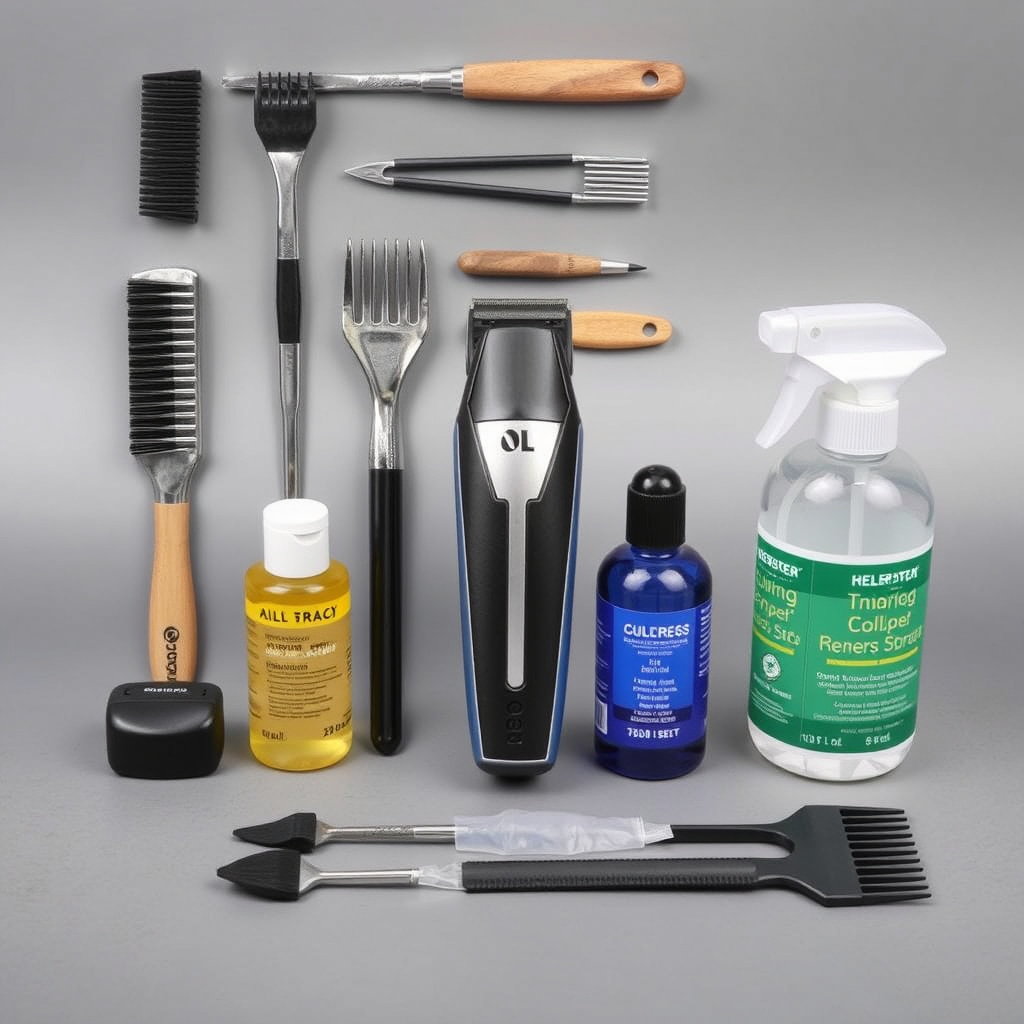
Recommended Cleaning Tools
Essential tools include a small stiff cleaning brush for hair removal, soft cloths for wiping, and a precision oiler for applying lubricant. Some brands supply cleaning kits specifically designed for their clippers.
Additional helpful items are blade guards to protect blades during storage and compressed air cans to blow out stubborn debris.
- Small stiff cleaning brush
- Soft wiping cloth
- Precision clipper oiler
For more on this, see our related guide: How to Edge Up Your Hairline for a Sharp, Clean Look at Home.
Best Cleaning and Disinfecting Products
Isopropyl alcohol is widely recommended for disinfecting clipper blades because it evaporates quickly and kills germs. Barbershop sterilizing sprays and liquids offer more thorough sanitation for professional use.
Avoid abrasive cleaners or harsh chemicals that might damage blade coating or mechanisms. Select products labeled safe for clipper blade maintenance.
- Isopropyl alcohol for disinfecting
- Barbershop sterilizing sprays
- Avoid abrasive chemicals
How Often to Clean Clipper Blades

Routine Cleaning Frequency
For home users, cleaning clipper blades after every use is advised to remove hair and oils. Oiling after each use keeps blades lubricated. Lightly disinfecting weekly can help prevent bacteria buildup.
Professional barbers cleaning multiple clients daily should disinfect blades between each use and perform deeper cleaning weekly.
- Clean blades after every use
- Oil blades after each use
- Disinfect weekly or between clients
To learn more about clipper blade care and maintenance, visit this detailed hair clipper maintenance resource. hair clipper maintenance.
Signs That Blades Need Deep Cleaning or Replacement
Blades that pull hair, produce uneven cuts, or show rust spots require immediate attention. Deep cleaning or sterilizing can restore performance, but if blades are worn or dull, replacement is necessary to maintain haircut quality.
Regular maintenance helps identify problems early and avoids damage that shortens blade life.
- Pulling or tugging hair
- Uneven cutting results
- Visible rust or corrosion
Clipper Blade Cleaning Methods Comparison
Here’s a side-by-side look at popular cleaning methods to help select the best care routine for your clipper blades.
| Cleaning Method | Effectiveness | Time Required | Cost | Best For |
|---|---|---|---|---|
| Basic brushing and wiping | Good for daily maintenance | 5-10 minutes | Low (brush, cloth) | Home users |
| Alcohol wipe and disinfection | Kills most bacteria | 10-15 minutes | Moderate (alcohol, wipes) | Shared clippers, salon |
| Ultrasonic cleaning | Deep, thorough cleaning | 20-30 minutes plus setup | High (machine cost) | Barbers and pros |
| Sterilizing soak | Kills all pathogens | 15-20 minutes soak time | Moderate (sterilizer solution) | Salon environments |
| Compressed air cleaning | Removes loose debris | 2-5 minutes | Moderate (compressed air can) | Quick touch-ups between cuts |
Frequently Asked Questions
Can I use water to clean clipper blades?
Water can cause clipper blades to rust, so avoid soaking them. Instead, use a damp cloth for cleaning and follow up with drying and oiling.
How often should I oil clipper blades?
Oiling clipper blades before and after each use helps maintain sharpness and prevent overheating during operation.
Is it safe to disinfect clipper blades with alcohol?
Yes, isopropyl alcohol is safe and effective for disinfecting clipper blades without causing damage if used properly.
What causes clipper blades to rust?
Rust forms mainly from moisture left on blades after cleaning or storage in humid environments without proper drying or oiling.
When should I replace clipper blades?
Replace blades when they become dull, nicked, or cannot be sharpened effectively, as worn blades can pull hair and deliver uneven cuts.
Key Takeaways
- Clean clipper blades thoroughly after every use to remove hair and oils.
- Use isopropyl alcohol or barbershop sterilizers to disinfect blades regularly.
- Lubricate blades with dedicated clipper oil before and after each use.
- Avoid water soaking to prevent rust; dry blades completely after cleaning.
Conclusion
Maintaining clean clipper blades is essential for sharp, efficient cuts and long-lasting equipment. By removing hair debris, disinfecting, and lubricating correctly, you reduce wear and avoid hygiene issues. Careful inspection during cleaning also allows you to spot early signs of blade damage before they affect performance. A consistent routine tailored to your usage frequency makes clipper maintenance manageable and effective.
For home grooming, basic brushing after each use combined with weekly disinfecting and regular oiling keeps blades in good shape. Professionals with heavy daily use benefit from more intensive care methods like ultrasonic cleaners and sterilizing soaks between clients to prevent cross-contamination. Choosing the right cleaning method depends on your needs, balancing time, cost, and cleaning depth to maintain hygiene and sharpness.
Start by gathering essential tools such as a proper brush, clipper oil, and disinfectant suitable for clipper blades. Make cleaning a habit incorporated into your grooming routine to protect your investment and enjoy precise, comfortable haircuts every time. Regular blade maintenance not only saves you money on replacements but ensures a smoother experience for you or your clients.




One Comment