How to Do a Root Shadow: Step-by-Step Guide for Natural Hair Depth
A root shadow is a hair coloring technique where a darker color is applied to the roots, blending seamlessly with lighter lengths to create depth and a natural gradient effect. To do a root shadow, you start by selecting a shade one or two levels darker than your base, carefully apply it to your roots, then blend it downward to avoid harsh lines.
This technique adds softness to grown-out roots, extending the time between touch-ups and giving hair a multidimensional look. It’s popular for those wanting a low-maintenance, natural finish that enhances hair texture without obvious regrowth lines. Mastering a root shadow can transform flat, monotone hair into something visually rich and flattering.
In this article, we'll explore the tools needed for a root shadow, preparation steps, application tips, blending techniques, and aftercare advice. Whether you're a hairstylist or doing it at home, these detailed instructions will help you create a polished root shadow look.
Understanding the Root Shadow Technique

What Is a Root Shadow?
A root shadow involves applying a slightly darker color at the hair roots fading into lighter lengths. This creates dimension and softness around the face and crown, mimicking natural root darkness while embracing lighter ends.
This technique differs from traditional root touch-ups because it emphasizes blending and shadowing instead of matching the exact root color. The effect is subtle and low-maintenance, giving hair a lived-in look.
Benefits of a Root Shadow
Root shadows reduce stark regrowth lines and offer a natural way to transition between colors. The technique can add volume appearance due to color contrast and soften facial features by framing them with shadowed roots.
They are ideal for those avoiding frequent salon visits since the color grows out more gracefully, making them perfect for blonde or multi-tonal hair where roots can be highly visible.
Preparing for Your Root Shadow
Selecting the Right Hair Color
Choosing the perfect shade for your root shadow is key. Pick a color one or two levels darker than your current hair or the lightest tone on your hair to maintain that subtle shadow effect.
Avoid colors too dark as they can create a stark line, and too light as it won’t give enough depth. The root shadow technique works best when the color complements your base tone naturally.
- Choose shades close to natural root color
- Consider your skin tone for flattering results
- Consult color charts for undertone matching
Tools and Products Needed
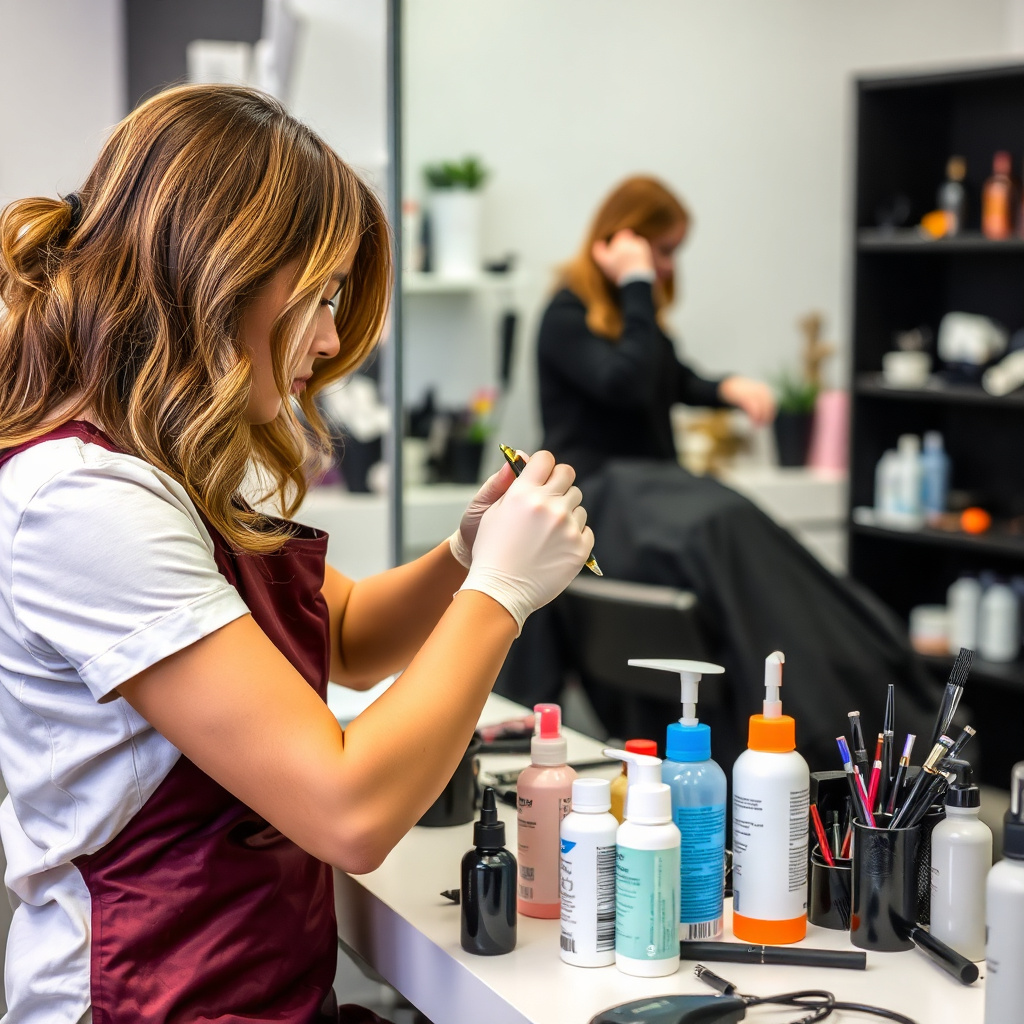
Gather a tint brush, mixing bowl, gloves, hair clips, and a protective cape. Use high-quality hair dye formulated for your hair type and a developer recommended by the dye manufacturer.
For blending, a small comb or your fingers will help diffuse the color. Having a timer and a gentle shampoo and conditioner suited for color-treated hair will complete your setup.
- Professional or semi-permanent dye
- Applicator brush and bowl
- Developer suitable for your hair
- Gloves, clips, and cape
Applying the Root Shadow Technique

Sectioning Hair for Even Application
Divide your hair into four or more manageable sections using clips. This allows even access to all roots and ensures color is consistently applied without missing spots.
Start with the back sections and work your way forward. Applying color in thin layers will help achieve smooth blending between the root shadow and lighter hair.
- Section hair into quadrants
- Use clips to hold sections
- Work on one section at a time
For more on this, see our related guide: How to Do Side Bangs: A Step-by-Step Styling Guide.
Applying Color to Roots
Using your tint brush, apply the chosen darker color starting at your scalp, covering about one to two inches of the root area. Work quickly but carefully to saturate roots evenly.
After coating the roots, use a comb or your fingers to lightly feather the color downward, blending softly into the mid-lengths to avoid a visible demarcation line.
- Apply color close to scalp
- Feather toward mid-lengths
- Avoid harsh lines
Mastering the Blend and Processing Time

Techniques for a Smooth Gradient
To blend, use a soft brush or your fingers in a downward brushing motion. Some stylists also use a light combated technique to diffuse the color from dark roots into lighter hair.
A smooth transition is essential for the root shadow technique to look natural, so take your time blending instead of rushing through it.
- Use downward strokes for blending
- Avoid overlapping too much color
- Check blend line in natural light
Timing Your Color Processing
Keep the dye on according to the color manufacturer's guidelines, typically between 20-40 minutes, depending on hair porosity and desired intensity.
Do regular checks during processing to ensure the root shadow develops subtly and does not become too dark or patchy.
- Follow product timing recommendations
- Perform strand tests when unsure
- Monitor color development carefully
Aftercare and Maintaining Your Root Shadow

Washing and Conditioning Colored Hair
Use sulfate-free shampoos and conditioners designed for color-treated hair to keep the root shadow vibrant and to maintain hair moisture. Avoid washing too frequently to extend color life.
Consider deep conditioning treatments weekly to prevent dryness, which can dull color and damage hair texture.
- Sulfate-free color-safe products
- Wash hair every 2-3 days
- Use weekly hair masks
For more on this, see our related guide: How to Do a Root Smudge for Seamless Hair Color Blending.
Touch-Ups and Color Refreshing
Root shadows grow out more naturally than standard染 root colors, but refreshing the shadow every 6-8 weeks keeps the look lively and prevents noticeable fading.
Use gloss or glaze treatments between appointments to boost shine and color depth without heavy re-dying.
- Schedule touch-ups every 6-8 weeks
- Use gloss treatments for vibrancy
- Avoid harsh heat styling
Common Mistakes to Avoid When Doing a Root Shadow

Over-Darkening the Roots
Choosing a color that’s too dark can cause the root shadow to look harsh and unnatural, defeating the purpose of soft, blended roots. Stick to subtle differences in tone to keep the effect seamless.
If root color is too intense, it can create a reverse contrast making hair appear flat rather than multidimensional.
Improper Blending Techniques
A root shadow requires careful feathering; skipping this can lead to visible lines which look more like regrowth than artistic shading. Take time to blend color from dark to light smoothly.
Using brushes that are too stiff or rushing the blending stage often results in obvious demarcation lines.
Adapting Root Shadow for Different Hair Types
Applying Root Shadows on Curly Hair
Curly hair benefits from root shadows by enhancing curl definition and depth. The shadow can reduce the contrast between natural roots and lifted curls, resulting in a cohesive look.
Working with curl patterns requires more attention to even application to avoid patchiness caused by texture variations.
- Section hair loosely to respect curl clumps
- Work color in thin layers
- Blend thoroughly along curl lines
For more details about various hair coloring methods, explore this Wikipedia article on hair coloring techniques. hair coloring techniques.
Root Shadow for Fine or Thin Hair
For fine hair, root shadows add an illusion of density by creating subtle shadow around the roots. This contrast can make hair appear fuller and more voluminous.
Avoid heavy application or very dark shades, as these can highlight thinning areas instead of camouflaging them.
- Choose softer, muted shades
- Focus on light layering
- Avoid overly saturated roots
Root Shadow Technique Category Comparison
Compare different root shadow approaches to find the best fit for your hair type and maintenance preference.
| Category | Color Intensity | Maintenance Frequency | Best For | Typical Processing Time |
|---|---|---|---|---|
| Soft Root Shadow | Low | 8+ weeks | Light to medium hair colors | 20-30 minutes |
| Classic Root Shadow | Medium | 6-8 weeks | All hair types, especially blondes | 25-35 minutes |
| Bold Root Shadow | High | 4-6 weeks | Dark hair needing strong dimension | 30-40 minutes |
| Root Shadow Balayage | Medium | 8+ weeks | Those wanting dimensional highlights | 35-45 minutes |
Frequently Asked Questions
Can I do a root shadow at home safely?
Yes, root shadows can be done at home with the right tools and careful application, but professional stylists often achieve better blending and color matching.
How often should I refresh a root shadow?
Root shadows usually need refreshing every 6 to 8 weeks, depending on hair growth and fading rate.
Does a root shadow damage my hair?
When done properly, root shadows cause minimal damage as they typically use less bleach and less frequent full-head coloring.
Will a root shadow work on dark hair?
Yes, root shadows work on dark hair by using slightly darker shades or cool tones to create subtle depth and dimension.
Is a root shadow suitable for curly hair?
Absolutely, root shadows can add dimension to curly hair, enhancing natural shape and reducing harsh regrowth lines.
Key Takeaways
- Root shadow blends darker color at roots with lighter hair for a natural gradient.
- Choose shade carefully to achieve seamless depth without harsh lines.
- Proper sectioning and blending are required to avoid patchiness.
- Maintenance involves gentle aftercare and periodic touch-ups every 6-8 weeks.
Conclusion
Deciding how to do a root shadow involves balancing color choice, application technique, and aftercare to create a subtle yet impactful dimension on hair. The method enhances natural growth patterns and reduces harsh roots, making it a popular low-maintenance alternative to traditional root touch-ups. Understanding your hair’s unique texture and base color helps choose the perfect approach, from soft root shadows for light hair to more pronounced effects on darker shades.
For those with fine or thin hair, gentle color layering with muted shades works best to add perceived volume, while curly hair gains added depth and definition through well-blended root shadows. If you prefer less upkeep, soft or balayage-inspired root shadows offer longer-lasting effects with natural blending. Bold shadows suit those wanting strong contrast and dramatic dimension but require more frequent maintenance. Tools, timing, and blending skills refine the finished look.
If you’re ready to try this technique, gather high-quality products and practice sectioning and blending carefully. Whether at home or with a stylist, start with subtle shades and monitor color as it processes. Follow with gentle aftercare to preserve shine and vibrance. For deeper insight on hair coloring techniques and root shadow origins, consult detailed references.


One Comment