How to Do an Egg Hair Mask for Stronger, Shinier Hair
An egg hair mask is a simple and effective way to nourish your hair with protein, vitamins, and healthy fats. To do an egg hair mask, whisk one or two eggs depending on your hair length, apply the mixture evenly to damp hair, leave it on for 20 to 30 minutes, then rinse thoroughly with cool water to avoid cooking the egg. This treatment helps strengthen strands, reduce breakage, and add a natural shine.
Eggs are rich in proteins and fatty acids that can repair damage and improve the texture of hair. Many people use this mask as a natural remedy to treat dryness, dullness, or mild hair damage caused by styling or environmental factors. The nutrients from the egg penetrate the hair shaft to promote elasticity and softness, making the hair easier to manage.
This guide will explain the best way to prepare and apply an egg hair mask, tips for customizing it with other ingredients, and advice on how often to use it safely. You’ll find step-by-step instructions as well as variations tailored for different hair types.
Preparing Your Egg Hair Mask
Choosing the Right Eggs and Ingredients
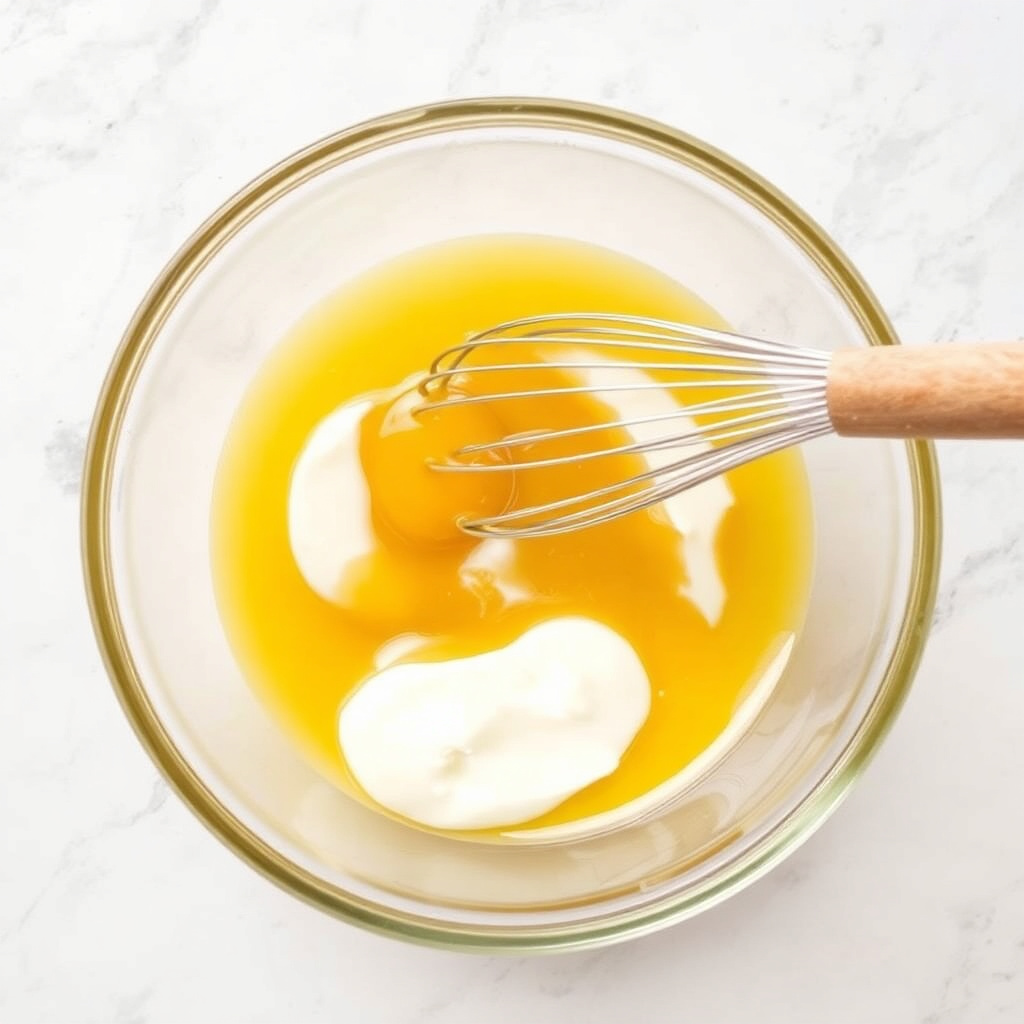
Select fresh eggs for the best results since their protein and nutrients are at their highest potency. For longer or thicker hair, use two eggs, while one egg is enough for short or fine hair. You can enrich the mask by adding yogurt for moisture or honey for its antibacterial and shine-enhancing properties.
Organic or free-range eggs are preferred by some for purity and nutritional quality, but regular eggs work well too. Avoid eggs that are cracked or old, as freshness affects both safety and effectiveness.
- 1 egg for short/thin hair
- 2 eggs for long/thick hair
- Optional: 1 tbsp yogurt or honey
How to Whisk and Mix Properly
Crack the eggs into a bowl and whisk until the yolk and whites are fully blended. Add extra ingredients if using, then mix until you have a smooth, even liquid. This ensures an even coating and good absorption when applied to hair.
Make sure the mixture is not too thick or too runny to prevent dripping during application. A slightly creamy consistency works best and allows for easier spreading over your scalp and hair.
Applying the Egg Hair Mask
Step-by-Step Application Process
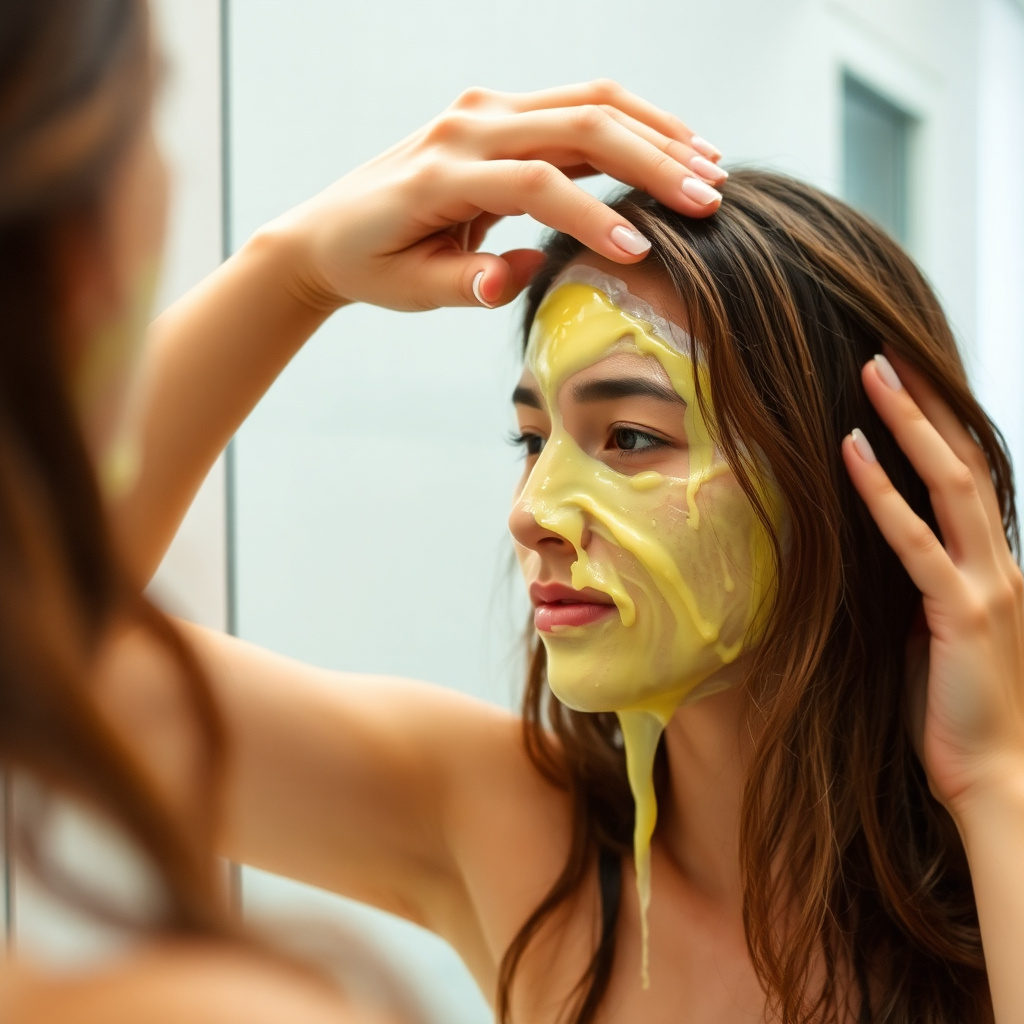
Begin by dampening your hair slightly with water to help the mask spread evenly. Use your fingers or a brush to apply the mixture starting from the roots, working through to the tips. Focus on damaged or dry areas for best results.
After completely coating your hair, cover it with a shower cap or wrap a warm towel around your head. The warmth helps the mask penetrate deeper by opening hair cuticles and enhances nutrient absorption during the 20 to 30 minute treatment time.
For more on this, see our related guide: How to Deep Condition High Porosity Hair for Maximum Moisture Retention.
How to Avoid Common Application Mistakes
Don’t apply the egg mask on dry hair, as it can be harder to spread and less effective. Also, be sure to avoid using hot water when rinsing since it can cook the egg, leaving residue that is difficult to wash out.
Applying too thick a layer may create drying difficulties, and leaving the mask on longer than 30 minutes doesn’t significantly increase benefits and can cause mild scalp irritation.
Rinsing and Aftercare for Egg Hair Masks

Best Practices for Rinsing Out the Mask
Use cool or lukewarm water to rinse thoroughly until no egg residue remains. Hot water can cook the egg proteins, making them stick to hair strands, leading to a chalky texture.
Gently massage your scalp while rinsing to remove buildup. Avoid using shampoo immediately after rinsing unless you have oily hair or heavy product buildup, as this mask alone can act as a natural cleanser.
Follow-Up Hair Care Tips
After rinsing, apply a light conditioner if your hair tends to be dry. This complements the mask’s protein boost by locking in moisture and smoothing hair cuticles.
For best maintenance, try not to overuse egg masks since excess protein can cause hair to become stiff or brittle. Using it once every one to two weeks balances strengthening benefits without overwhelming delicate strands.
Customizing Your Mask for Hair Types
Egg Hair Mask for Dry and Damaged Hair
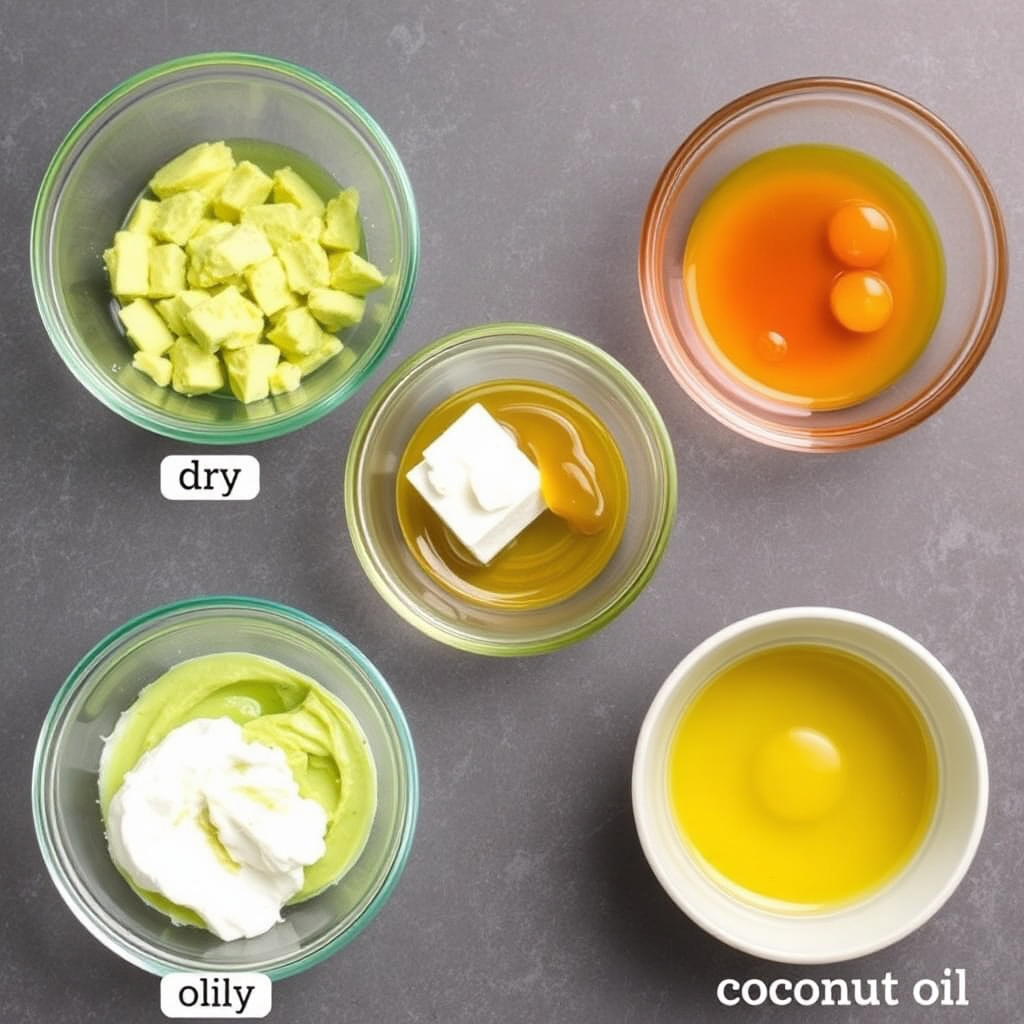
Add moisturizing ingredients like avocado or olive oil to your whisked egg to enhance hydration and repair dry strands. These fats work synergistically with the egg’s protein to restore softness and elasticity.
Apply liberally on the ends and damaged areas where moisture loss is highest. This combination helps reduce frizz and rebuild weak hair fibers.
For more on this, see our related guide: How to Do a Honey Hair Mask for Healthy, Shiny Hair.
Egg Hair Mask for Oily or Fine Hair
For oily or fine hair, keep the egg mask simple without heavy oils. Consider mixing egg whites only since they help regulate scalp oiliness and add volume without weighing hair down.
Use a lighter application mainly on the scalp and mid-lengths. Rinse carefully to avoid residue buildup that can make fine hair look limp.
How Often to Use an Egg Hair Mask

Balancing Frequency for Healthy Hair
Applying an egg hair mask once every 7 to 14 days suits most hair types, providing protein and nutrients without risking dryness or stiffness from overuse. Thicker, more resilient hair may tolerate weekly treatments, while finer hair benefits from less frequent application.
Frequency can also depend on your hair condition and exposure to heat styling or coloring. Adjust based on how your hair responds—look for signs like increased softness or any signs of protein overload.
For more detailed scientific background on how eggs benefit hair care, check out the egg hair mask benefits on Wikipedia. Egg hair mask benefits on Wikipedia.
Signs You Should Adjust Your Mask Usage
If your hair starts feeling dry, brittle, or hard after treatments, reduce how often you apply the egg mask. Symptoms like increased tangling or dullness might also indicate the need to space out sessions.
Conversely, if hair remains limp or oily after use, experimenting with adding or reducing moisturizing ingredients can help balance the treatment.
Egg Hair Mask Variations Comparison
This table compares common egg mask variations based on hair type suitability, benefits, and ease of use.
| Variation | Best for Hair Type | Key Benefits | Application Complexity | Rinse Difficulty |
|---|---|---|---|---|
| Whole Egg Mask | All hair types | Balanced protein and fat, strengthens & shines | Easy | Easy |
| Egg White Mask | Oily, fine hair | Controls oil, adds volume | Easy | Easy |
| Egg Yolk + Oil Mask | Dry, damaged hair | Deep moisture and repair | Moderate | Moderate |
| Egg + Yogurt Mask | Dry, normal hair | Hydration and smoothness | Moderate | Easy |
| Egg + Honey Mask | All hair types | Antibacterial, shine-enhancing | Easy | Easy |
Frequently Asked Questions
Can I use a raw egg on my hair safely?
Yes, raw egg is safe for hair treatment, but use fresh eggs and rinse well to prevent odor or potential bacterial risks. Avoid heat during rinsing to prevent cooked egg residue.
How long should I leave the egg hair mask on?
Leave the mask on for about 20 to 30 minutes to allow nutrients to absorb without causing scalp irritation or protein buildup.
Is it necessary to shampoo after rinsing out the egg mask?
Not always. If your hair is oily or you use extra ingredients, shampooing can help remove residue. Otherwise, rinsing with cool water and conditioning is sufficient.
Can egg masks cause an allergic reaction?
Egg masks rarely cause a reaction, but if you have egg allergies, avoid this treatment or do a patch test before applying broadly.
How often should I do an egg hair mask?
Most people benefit from once every 1 to 2 weeks. Adjust based on hair texture and response to avoid protein overload.
Key Takeaways
- Use fresh eggs and whisk with optional ingredients for a balanced mask.
- Apply the mask to damp hair and cover to enhance absorption.
- Rinse thoroughly with cool water to avoid egg residue.
- Customize the mask based on your hair type for best results.
Conclusion
When deciding how to do an egg hair mask, focus on choosing fresh eggs and mixing them properly with simple add-ins like yogurt or honey depending on your hair’s needs. Applying to damp hair and covering during treatment helps proteins and nutrients work deeply to strengthen and smooth the strands. Using cool water to rinse prevents cooked egg residues, ensuring a clean finish that enhances shine and softness.
If your hair is dry or damaged, egg yolk combined with moisturizing oils offers rich nourishment. For oily or fine hair, egg whites provide protein without heaviness. Basic whole egg masks suit most users well and can be tailored with ingredients such as honey for added antibacterial benefits or yogurt for hydration. Once a week or every two weeks balances conditioning effects while avoiding excessive protein buildup that might make hair stiff.
Start by preparing the egg mask bowl with fresh ingredients and spread the mixture evenly on damp hair. Cover your head to let nutrients absorb, then rinse carefully with cool water. Monitor your hair’s response and adjust frequency or ingredients over time for the best outcome. This natural, inexpensive treatment can be a helpful addition to your hair care routine.


One Comment