How to Sharpen Hair Clipper Blades for Professional Results
Sharpening hair clipper blades is a straightforward process that restores cutting efficiency and prolongs the tool’s lifespan. By carefully disassembling the clipper, cleaning the blades, and using the right sharpening method, you can bring dull blades back to smooth, precise functionality.
Dull clipper blades cause pulling, uneven cuts, and discomfort during haircuts, making sharpening necessary for anyone using clippers regularly. Instead of replacing the blades, sharpening offers an economical solution that requires some basic tools and a little patience.
This article guides you through multiple sharpening techniques, the best maintenance tips to prevent dullness, and how to decide when it’s time to replace versus sharpen your clipper blades.
Understanding Hair Clipper Blade Anatomy

Blade Types and Materials
Hair clipper blades come in various materials like stainless steel, ceramic, and titanium, each affecting durability and sharpening ease. Stainless steel is most common and responds well to standard sharpening methods, while harder materials may require advanced tools.
Blade design varies with sizes, teeth shapes, and attachment mechanisms, influencing how you handle sharpening without damaging the cutting edges or alignment.
- Stainless steel: common and easy to sharpen
- Ceramic: durable but needs special care
- Titanium: long-lasting but costly to sharpen
How Blades Work Together
Clipper blades typically consist of a stationary blade and a movable blade, moving back and forth to trim hair. Proper sharpening keeps their edges sharp and ensures smooth gliding to prevent pulling.
Maintaining blade alignment post-sharpening is critical for optimal performance, preventing uneven cuts or blade damage.
Tools and Materials Needed to Sharpen Hair Clipper Blades

Essential Sharpening Tools
Basic sharpening requires a fine-grit whetstone or a diamond sharpening stone to grind the blade edges accurately. Automated sharpening machines or specialized clipper blade sharpening kits offer convenience but cost more.
Additional necessities include small screwdrivers for blade removal, honing oil for lubrication during sharpening, and a strop or leather belt to polish edges.
- Fine-grit whetstone
- Honing oil
- Small screwdrivers
- Leather strop
Safety and Cleaning Supplies
Wear gloves and safety glasses to protect against accidental cuts or metal shards. Use a brush or compressed air to clean accumulated hair and debris before and after sharpening for precise results.
Proper workspace lighting and a steady surface enhance sharpening accuracy and help detect blade imperfections early.
- Protective gloves
- Brush or compressed air
- Clean rag
Step-by-Step Guide to Sharpen Hair Clipper Blades
Disassemble and Prepare the Blades
Begin by unplugging the clipper and using a screwdriver to remove the blades carefully. Lay them flat on a clean cloth and clean off all hair and dirt debris using a brush or compressed air.
Inspect blades for damage such as chips or rust spots, since deep damage may require replacement instead of sharpening.
For more on this, see our related guide: How to Oil Clipper Blades for Smooth and Long-Lasting Performance.
Sharpening Procedure
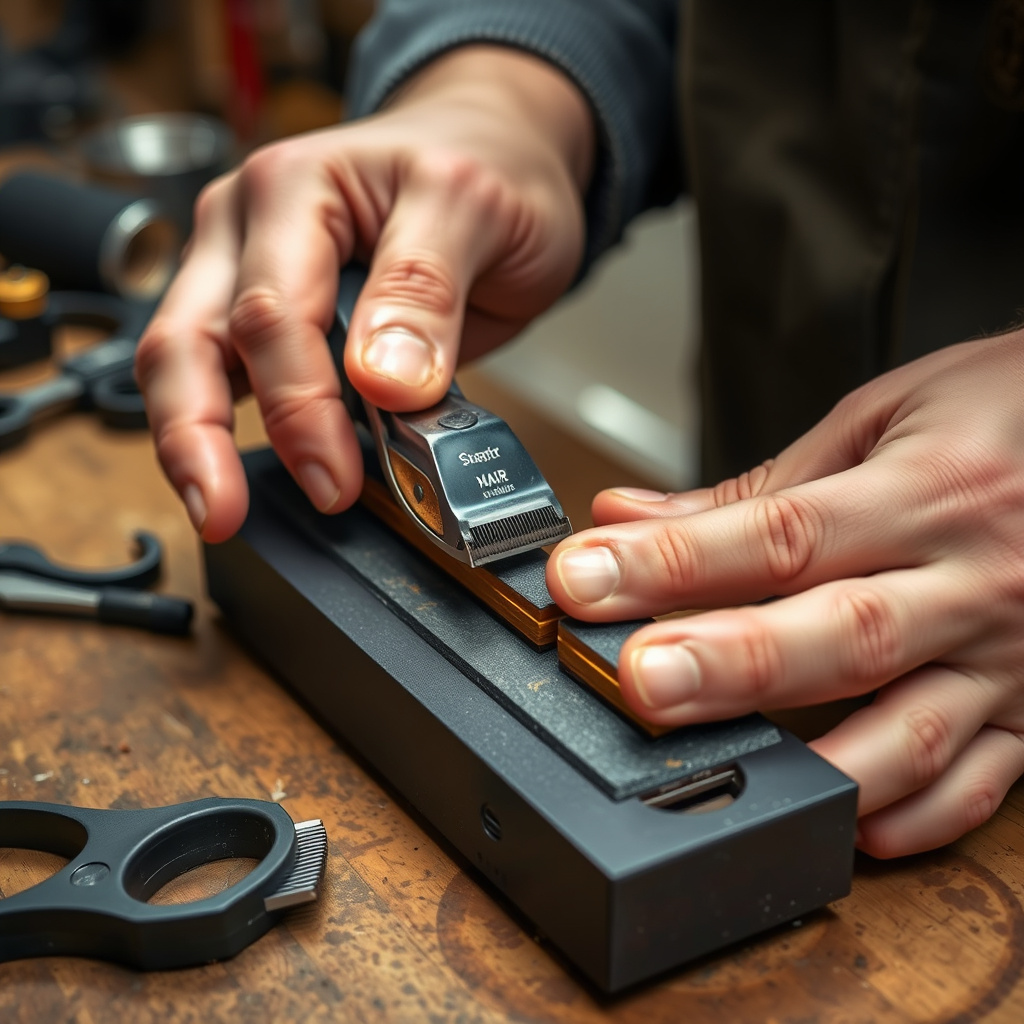
Place a few drops of honing oil on your whetstone to reduce friction and then rub the blade’s cutting edge along the stone at a consistent angle, typically around 30 degrees. Repeat evenly on each side, maintaining steady pressure for 10-15 strokes.
After sharpening, use a leather strop to polish and refine the cutting edge, helping achieve a razor-sharp finish that minimizes pulling during use.
- Keep angle steady (about 30°)
- Use honing oil on stone
- Sharpen both blade edges evenly
- Finish with strop polishing
Maintaining Sharpened Hair Clipper Blades

Regular Cleaning and Oiling
After each haircut, remove excess hair clippings and apply clipper oil to the blades to prevent rust and reduce friction. This frequent care preserves blade sharpness longer and ensures consistent cutting performance.
Avoid water exposure during cleaning, which can accelerate rust if not fully dried. Use clipper-specific cleaning sprays as needed.
- Brush off hair debris
- Apply clipper oil liberally
- Avoid water contact
- Use blade cleaning spray
Checking for Alignment and Damage
Always verify blade alignment after reassembling the clipper to prevent uneven cuts and damage to motor parts. Misaligned blades can wear faster or cause pulling when cutting.
Replace blades if sharpening no longer restores proper cutting or if there are irreparable chips or bends.
- Test blade alignment
- Listen for odd noises
- Replace if damaged
Alternative Methods to Sharpen Hair Clipper Blades
Using a Flat File or Sandpaper
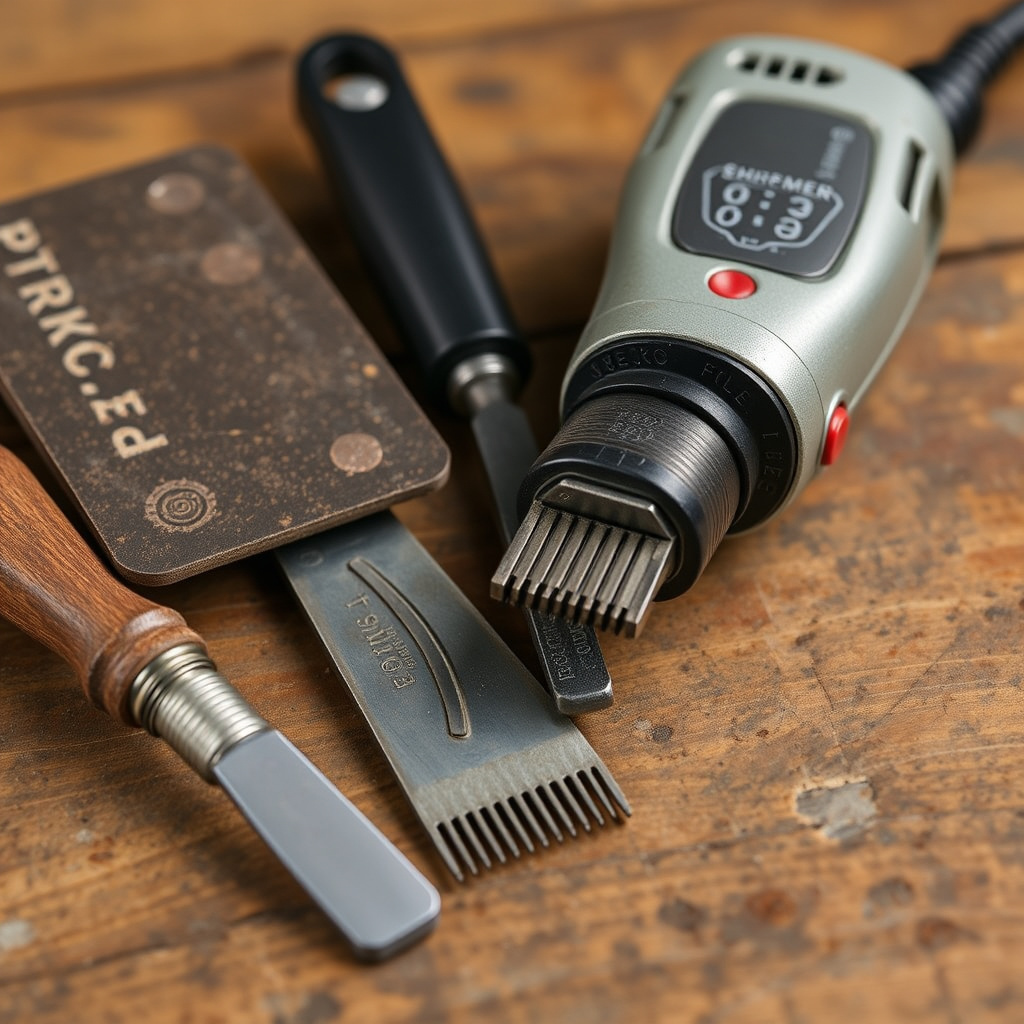
As a low-cost method, a fine flat file or fine-grit sandpaper can sharpen blades by gently running the cutting edges at the proper angle. This requires steady hands to avoid unevenness.
It is less precise and can remove excessive material if done improperly but works well for quick touch-ups.
- Use consistent angle
- Apply light pressure
- Avoid over-filing
For more on this, see our related guide: How to Clean Clipper Blades for Efficient Haircuts.
Professional Sharpening Services
Many barbershops and specialty stores offer professional clipper blade sharpening using precision equipment. This guarantees uniformly sharp edges and proper alignment but comes at a service fee.
Professional sharpening is ideal for hard-to-sharpen blade types or when customer lacks tools or experience.
- Precision equipment
- Expert blade maintenance
- Service fee applies
Troubleshooting Common Sharpening Issues

Dealing with Rust and Pitting
Rust causes blade roughness and cutting inefficiency and must be removed before sharpening. Use fine steel wool or a rust remover product carefully and rinse with oil afterward to protect the surface.
Severe rust or pitting may require blade replacement as it weakens the metal integrity.
- Use steel wool gently
- Apply rust remover carefully
- Oil after cleaning
For more detailed information about hair clippers and blade maintenance, visit the Wikipedia page on hair clippers. Hair clipper blade maintenance.
Preventing and Fixing Blade Pulling
Pulling happens when blades are dull or misaligned. Sharpen blades evenly and check alignment during reassembly. Lubricate blades well before use to minimize friction that causes pulling.
If pulling persists, consider blade replacement or professional realignment.
- Sharpen edges evenly
- Lubricate blades
- Check blade gap and alignment
Comparison of Hair Clipper Blade Sharpening Methods
Here is a quick comparison of popular sharpening methods highlighting their pros, cons, and suitability for different blade types.
| Method | Cost | Precision | Convenience | Best For |
|---|---|---|---|---|
| Whetstone sharpening | Low | High | Moderate | Stainless steel blades |
| Flat file or sandpaper | Very low | Medium | High | Quick touch-ups |
| Professional services | Moderate to high | Very high | High | All blade types, extensive wear |
| Electric sharpening machines | High | High | High | Frequent use, professionals |
Frequently Asked Questions
How often should I sharpen my hair clipper blades?
Sharpen blades every few months with regular use, or whenever you notice pulling or dull cuts. Frequency depends on hair thickness and clipper model.
Can I sharpen ceramic clipper blades at home?
Ceramic blades require special diamond sharpening tools and expertise, so home sharpening is usually not recommended.
Is oiling clipper blades really necessary?
Yes, oiling reduces friction and heat, preventing blade damage and keeping cuts smooth and consistent.
What happens if I don’t sharpen clipper blades?
Dull blades pull hair, cause uneven cuts, strain the motor, and increase the chance of skin irritation.
Can damaged clipper blades be repaired by sharpening?
Minor dullness or small nicks can be fixed, but deep chips, bends, or rust often mean replacement is safer and more effective.
Key Takeaways
- Regular sharpening extends hair clipper blade lifespan and ensures smooth cutting.
- Using a whetstone with proper angle and lubrication yields the best sharpening results.
- Proper blade maintenance includes cleaning, oiling, and alignment checks.
- Professional sharpening services are valuable for heavily worn or special materials.
Conclusion
Choosing when and how to sharpen hair clipper blades combines understanding blade material, condition, and your comfort with tools. A well-sharpened blade saves money by avoiding frequent replacements and improves haircut quality. Evaluating blade wear and maintaining routine care will help determine the best approach for your clipping needs.
For general home use, whetstone sharpening paired with consistent cleaning and oiling offers a cost-effective, precise way to maintain stainless steel blades. Quick touch-ups with files may work temporarily, while professionals provide thorough restoration for ceramic or titanium blades. Regular blade alignment after sharpening is essential to prevent uneven cuts and pulling.
Start by inspecting your blades' condition, then select the sharpening method that fits your skill and tools. Incorporate blade oiling and cleaning into your routine to prolong sharpness. If you encounter persistent dullness or damage, professional sharpening or replacement may be the best next step.