How to Sleep with a Bonnet for Hair Protection and Comfort
Sleeping with a bonnet is an easy and effective way to protect your hair while you sleep. To wear a bonnet properly, first ensure your hair is moisturized and styled as desired, then gently gather your hair and place the bonnet over it, adjusting it so it fits snugly but comfortably without slipping off. This helps reduce hair breakage, frizz, and moisture loss during the night.
Using a bonnet while sleeping matters because your hair rubs against pillows and sheets, which can cause damage, dryness, and disruptions to your hairstyle. A bonnet acts as a barrier, preserving moisture and reducing friction, which is especially helpful for textured, curly, or fragile hair types.
This article will guide you through the steps on how to wear a bonnet during sleep correctly, explain the benefits, what features to look for in a bonnet, and provide tips and tricks for maintaining healthy hair overnight.
Choosing the Right Bonnet Material for Hair Health

Why Silk and Satin Are Preferred
Silk and satin bonnets are top choices because they have smooth surfaces that minimize friction between hair strands and the fabric. This reduces hair breakage and split ends, helping curls stay intact and preventing frizz overnight. These materials also retain hair moisture unlike cotton, which can absorb natural oils.
Additionally, silk and satin bonnets prevent hair dryness by locking in hydration. They are breathable and gentle, making them suitable for people with all hair types, including natural, curly, and chemically treated hair.
- Minimizes hair friction
- Retains moisture
- Protects hairstyles
- Breathable and gentle
Limitations of Cotton Bonnets
Cotton bonnets absorb moisture from the hair, which may leave strands dry and brittle. The rougher texture of cotton increases friction, leading to tangling and potential breakage, especially for individuals with delicate or curly hair. Cotton is less ideal if protecting moisture and maintaining your hair's style are priorities.
While cotton bonnets can be softer and more affordable, they are not optimal for night hair protection. They may benefit some with oilier scalps or those who prefer cotton for personal comfort, but overall, silk or satin yields better results.
- Absorbs hair moisture
- Increases friction
- May cause breakage
- Not best for moisture retention
Step-by-Step Guide to Wearing a Bonnet at Night

Preparing Your Hair Before Wearing the Bonnet
Start with clean, slightly damp or dry hair, applying a leave-in conditioner or light oil to lock in moisture. Avoid heavy products that might transfer onto the bonnet. Gently detangle hair using a wide-tooth comb or your fingers to minimize pulling and breakage.
If your hair is long or voluminous, consider loosely braiding, twisting, or sectioning it before placing the bonnet. This helps keep hair contained and reduces tangling while you sleep.
- Apply moisturizing product
- Detangle hair gently
- Loosely braid or twist if needed
For more on this, see our related guide: How to Sleep with Curly Hair Without Damaging Your Curls.
Adjusting the Bonnet for a Secure and Comfortable Fit
Place the bonnet over your head by pulling it from front to back, ensuring all hair is tucked inside without being overly compressed. Adjust the elastic or drawstring so the bonnet stays in place all night without causing headaches or tightness.
Make sure the bonnet’s edge sits comfortably along your hairline and around the nape of the neck. If the bonnet feels too tight or slides off during sleep, experiment with different sizes or styles designed for overnight wear.
- Tuck all hair inside gently
- Secure elastic comfortably
- Check for slip or tightness
- Try different bonnet styles if needed
Benefits of Wearing a Hair Bonnet While Sleeping

Preserving Hairstyles Overnight
Hair bonnets help maintain hairstyles by reducing friction that causes tangling and frizz. For those with curls, waves, braids, or blowouts, a bonnet extends the style’s lifespan, saving time and effort in daily styling routines.
It prevents flattening of volume and keeps curls defined by limiting hair movement during sleep.
Reducing Hair Breakage and Split Ends
Consistent use of a bonnet reduces mechanical stress on hair strands caused by rubbing against pillowcases. This leads to fewer split ends and less breakage, promoting healthier hair growth over time.
Protecting hair overnight decreases damage for fragile hair types prone to dryness and brittleness.
Comparing Types of Hair Bonnets
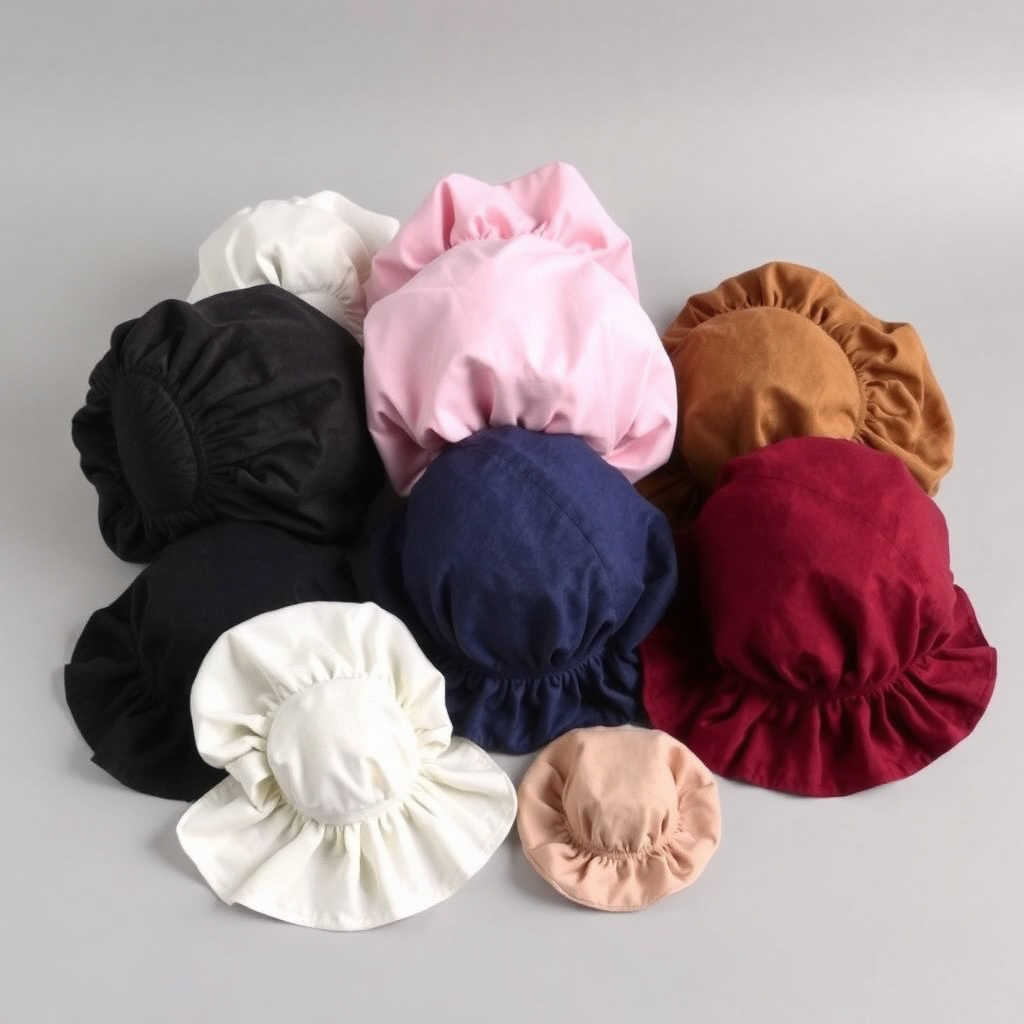
Elastic Band vs. Drawstring Bonnets
Elastic band bonnets offer a snug fit but may sometimes cause headaches or leave marks. They’re simple to put on but might slip if the band is too loose or hair is heavy.
Drawstring bonnets allow adjustable sizing, providing a customizable fit for different head sizes and hairstyles. They tend to stay in place better but can feel bulkier due to the added material.
- Elastic: simple, snug, risk of tightness
- Drawstring: adjustable, secure, potentially bulky
For more on this, see our related guide: How to Protect Natural Hair While Sleeping for Healthy Strands.
Large vs. Standard Size Bonnets
Large bonnets provide extra room for voluminous or long hair, preventing compression and preserving curls or braids. They’re ideal for those with big hair but can be more cumbersome under pillow covers.
Standard size bonnets are easier to manage and suitable for shorter or less voluminous hair. They may feel tighter on larger hairstyles, leading to discomfort or hair being pushed out.
- Large: spacious, protects big hair, less bulky
- Standard: compact, better for small hair volumes
Maintaining and Cleaning Your Bonnet

Washing Frequency and Methods
Bonnet washing frequency depends on use and hair product buildup. Washing once a week is common. Use gentle detergent or baby shampoo to wash silk or satin bonnets by hand in cool water to preserve fabric quality.
Avoid using bleach or harsh chemicals, and never wring the fabric. For machine washing, place the bonnet inside a mesh bag and select a delicate cycle.
- Hand wash with mild soap
- Use cool water
- Avoid harsh chemicals
- Delicate machine wash with mesh bag if needed
For more detailed background information, you can visit this helpful hair bonnet information on Wikipedia. hair bonnet information on Wikipedia.
Drying and Storage Tips
Air-dry your bonnet by laying it flat on a clean towel away from direct sunlight. Do not use a dryer, as heat can damage silk and satin fibers.
Store bonnets in a dry, clean area to avoid fabric damage or mildew. Folding them neatly or keeping in a drawer protects their shape.
- Air dry flat away from sunlight
- Avoid dryer heat
- Store in clean, dry place
Hair Bonnet Types Comparison
This table highlights key features and suitability of common hair bonnet categories to help you decide which is best for your needs.
| Category | Material | Fit Type | Best For | Maintenance |
|---|---|---|---|---|
| Silk Elastic Band | Silk | Elastic | Curly, natural hair | Hand wash weekly |
| Satin Drawstring | Satin | Drawstring | Voluminous, long hair | Hand wash or gentle machine wash |
| Cotton Elastic Band | Cotton | Elastic | Oily scalps or comfort preference | Machine washable |
| Silk Large Bonnet | Silk | Elastic or Drawstring | Thick, big hair | Hand wash weekly |
| Satin Standard Bonnet | Satin | Elastic | Short to medium hair | Hand wash or gentle machine wash |
Frequently Asked Questions
Can I sleep with a bonnet on all night?
Yes, sleeping with a bonnet all night is safe and recommended to protect hair from friction and moisture loss.
Why does my bonnet slip off while sleeping?
A bonnet may slip if the elastic is too loose or the fit is not adjusted properly. Trying a drawstring bonnet or a different size can help.
Is satin better than silk for hair bonnets?
Both satin and silk are smooth fabrics that reduce hair friction. Silk is natural and often more expensive, while satin is a synthetic alternative with similar benefits.
How often should I wash my hair bonnet?
Washing your hair bonnet weekly helps prevent buildup of oils, dirt, and product residue, keeping it clean and prolonging its life.
Can men wear bonnets too?
Absolutely. Bonnets are effective for all hair types and genders to maintain healthy, protected hair during sleep.
Key Takeaways
- Use silk or satin bonnets to reduce hair damage and maintain moisture.
- Prepare hair with light moisturizers and gentle detangling before wearing.
- Choose bonnet size and fit based on hair volume and comfort.
- Regular cleaning preserves bonnet effectiveness and hygiene.
Conclusion
Wearing a bonnet while sleeping offers practical hair protection, reducing breakage, frizz, and moisture loss. To decide on the best bonnet, consider your hair texture, volume, and preferred fit. Silk and satin bonnets provide superior protection compared to cotton, keeping hair smoother and healthier overnight. Adjusting bonnet size and style can ensure comfort through the night, preventing slips or tightness.
For those with thick or curly hair, larger drawstring silk or satin bonnets accommodate volume without compression, preserving hairstyles and enhancing moisture retention. Smaller, elastic bonnets suit short to medium hair types well. Regularly moisturizing hair before bedtime and choosing bonnets that fit securely offers a simple step toward better hair health.
If you want to improve your nightly hair care routine, start by investing in a quality silk or satin bonnet that matches your hair needs. Incorporate light moisturizing treatments before bed and establish a washing routine for your bonnet to keep it fresh. These practices together will help you wake up with smooth, protected hair and save time styling every morning.