How to Style Fine Hair: Effective Techniques and Product Tips
Styling fine hair requires strategies that add volume and body without weighing strands down. The key is to choose light products and techniques that enhance natural texture while preventing limpness. With the right approach, fine hair can look fuller, thicker, and healthy throughout the day.
Fine hair is more prone to damage and oil build-up because of its delicate strands and closer proximity to the scalp. This makes many common styling products and heavy conditioners unsuitable, as they can quickly flatten hair or cause greasiness. Therefore, understanding how to handle fine hair emphasizes gentle care and volume-enhancing styles.
This article will cover effective styling methods, top product options, daily care tips for fine hair, tools that work best, and how to maintain long-lasting volume. We'll also compare different styling categories to help you choose based on your hair type and lifestyle.
Understanding Fine Hair Characteristics

What Defines Fine Hair
Fine hair refers to the texture and thickness of individual strands rather than the total quantity of hair on the head. Each strand has a smaller circumference, making it feel silky but also more fragile and prone to damage. Fine hair often appears flatter and struggles to hold styles that require volume.
Because fine hair is thinner, it lacks the weight and density that coarse hair has, which means styling products and tools need to be selected specifically to avoid weighing hair down or causing tangling.
Common Challenges with Fine Hair Styling
Fine hair tends to become oily quickly at the roots and can look limp by midday, making it difficult to maintain body throughout the day. It also can be sensitive to heat damage and breakage during styling, limiting the range of techniques one can use safely.
The hair’s fragile structure means heavy conditioners or oils easily saturate strands, causing greasiness rather than moisture. Fine hair also struggles to retain curls or volume generated by hot tools, requiring special styling tactics.
Effective Styling Techniques for Fine Hair

Blow-Drying Methods
Blow-drying fine hair upside down encourages lift at the roots, creating natural volume. Use a round brush to gently pull strands upward while directing heat at the roots without excessive tension. Consistently moving the dryer prevents heat damage and helps set shape.
Applying a heat protectant spray before blow-drying is essential to protect delicate strands. Aim for a medium heat setting and finish with a cool shot to lock in volume.
- Dry hair halfway to avoid over-drying
- Use a round brush for root lift
- Finish with cold air for hold
For more on this, see our related guide: How to Style Curly Hair for Defined, Frizz-Free Curls.
Styling with Heat Tools
When using curling irons or straighteners, select tools with adjustable temperature control and use the lowest effective heat to style fine hair. Too high heat causes brittleness.
For curls, choose smaller barrel sizes and gently wrap hair to avoid pulling. Loose waves help create fuller volume without weight, and avoid holding heat too long on fine strands.
- Set tools to low or medium heat
- Use smaller barrels for curls
- Limit heat exposure time per section
Choosing the Best Products for Fine Hair

Lightweight Shampoos and Conditioners
Use shampoos formulated to cleanse without stripping natural oils, and conditioners designed for fine hair that provide moisture without heaviness. Avoid formulas rich in silicones and heavy oils that instantly weigh strands down.
Look for volumizing shampoos that contain protein or biotin to strengthen hair shafts gently. Apply conditioner only to the ends to keep roots light and avoid buildup.
- Volumizing or root-lifting shampoos
- Silicone-free conditioners
- Condition ends only
Styling Products to Boost Volume
Mousses and foam products are ideal for fine hair as they add volume without weight. Choose alcohol-free formulas to prevent drying out strands. Root-lifting sprays and texturizing powders give extra lift and grip for styling.
Avoid heavy creams or oils which can flatten fine hairs and make them greasy quickly. Products with polymers that create light hold help maintain styles lasting longer.
- Volumizing mousse
- Root-lift sprays
- Texturizing powders
Daily Care Habits for Maintaining Fine Hair Health

Washing and Drying Tips
Wash fine hair regularly but not excessively; over-washing stimulates oil production leading to oily roots and flat hair. Using lukewarm water preserves natural oils and avoids scalp dryness. Gently pat hair dry with a towel instead of rubbing.
Spacing washes every 1-3 days depending on oiliness helps maintain volume. Allow hair to air dry partially before styling to minimize heat use.
- Use lukewarm water
- Pat dry with a towel
- Wash every 1-3 days
For more on this, see our related guide: How to Do an Updo on Short Hair: Simple Styles and Techniques.
Brushing and Detangling
Use a wide-tooth comb or soft bristle brush, ideally while hair is damp, to detangle gently. Avoid vigorous brushing which can lead to breakage.
Brushing roots lightly can help stimulate scalp circulation and encourage volume but avoid excessive brushing which damages fragile strands.
- Wide-tooth comb for detangling
- Soft bristle brush for volume
- Brush gently to avoid breakage
Tools and Accessories Ideal for Fine Hair
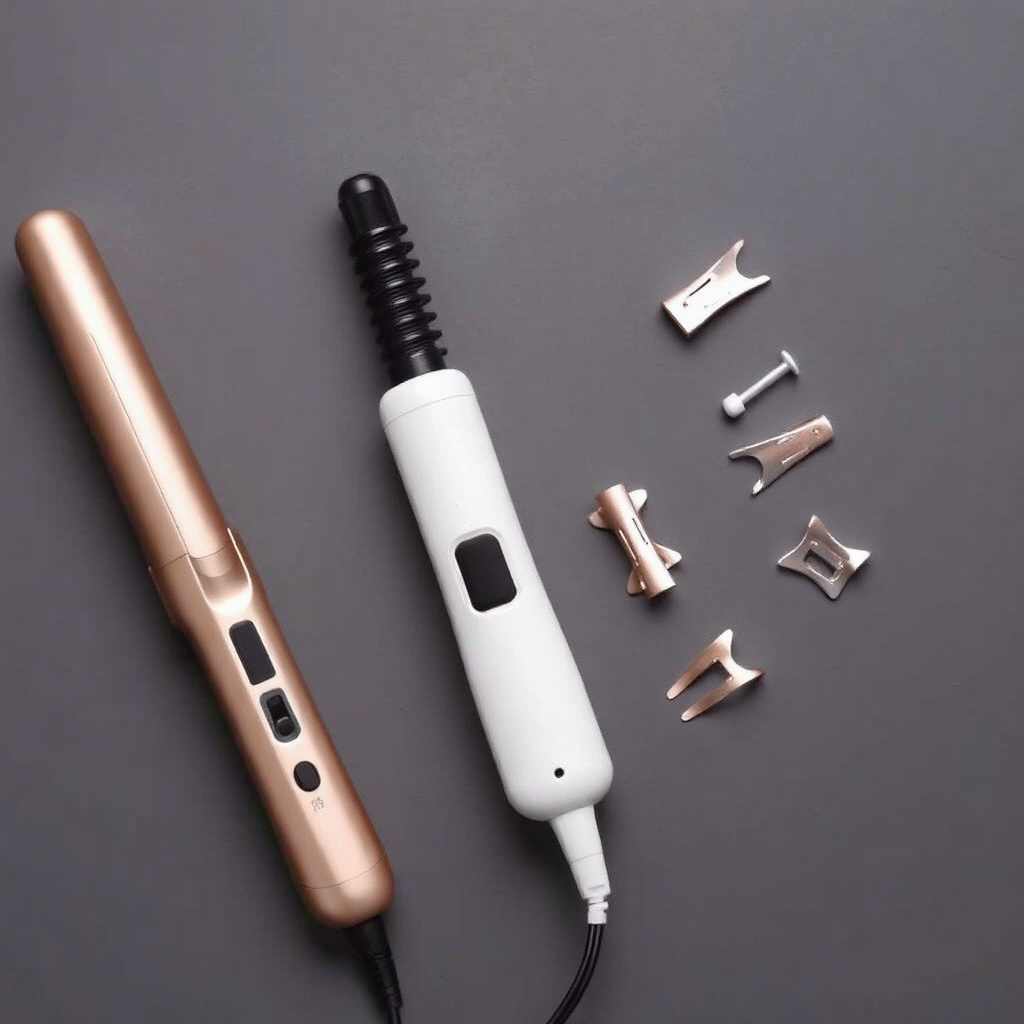
Best Styling Tools for Volume
Ceramic or tourmaline-coated irons provide even heat distribution that minimizes damage to fine hair. Smaller barrel curling irons create curls that boost body without heavy styling.
Using a lightweight blow dryer with multiple heat settings allows better control to protect fine hair. Diffusers help add natural wave and volume without excessive heat.
- Ceramic curling iron
- Tourmaline flat iron
- Lightweight blow dryer
To understand the scientific details about hair types, including fine hair, visit the fine hair details on Wikipedia. fine hair details on Wikipedia.
Accessories Supporting Fine Hair Styles
Use claw clips and hair ties with gentle grip to avoid pulling hairs out or causing breakage. Velcro rollers are excellent for creating soft volume without heat.
Avoid tight bands or heavy clips that can cause stress on fragile strands and scalp.
- Velcro rollers for volume
- Soft grip claw clips
- Avoid tight bands
Styling Methods for Fine Hair Category Comparison
Here is a comparison of popular styling techniques tailored to fine hair, outlining their benefits, drawbacks, and ideal use.
| Method | Hold Strength | Suitability for Fine Hair | Heat Damage Risk | Ease of Use |
|---|---|---|---|---|
| Blow-Drying Upside Down | Medium | Excellent for volume | Low | Moderate |
| Curling Iron with Small Barrel | High | Good for soft curls | Medium | Moderate |
| Root-Lifting Spray | Medium | Boosts lift at roots | None | Easy |
| Texturizing Powder | Light | Adds grip and texture | None | Easy |
| Heavy Creams and Oils | Strong | Not recommended | None | Easy |
Frequently Asked Questions
Can fine hair hold curls longer than a day?
Fine hair typically struggles to hold curls longer than a day without reinforcement. Using lighter curling irons, heat protectants, and setting sprays can extend curl life but frequent touch-ups may be needed.
What products should be avoided for fine hair?
Avoid heavy creams, thick oils, and silicone-based products that weigh hair down or create buildup. Instead, select light volumizing mousses and sprays formulated for delicate strands.
Is frequent washing good for fine hair?
Frequent washing can strip natural oils causing the scalp to produce more oil, leading to limp hair. Washing every 1-3 days with gentle shampoo is best to preserve natural balance.
How can I add volume without heat tools?
Use root-lifting sprays, texturizing powders, and velcro rollers to boost volume. Styling hair upside down while air drying or slightly damp brushing also helps increase natural lift.
What temperature is safe for heat styling fine hair?
Keep heat tools on low to medium (around 250°F to 300°F) to reduce damage risk. Always apply a heat protectant to shield delicate strands before styling.
Key Takeaways
- Use lightweight styling products to avoid weighing down fine hair.
- Employ blow-drying upside down for natural root volume.
- Select heat tools with adjustable temperature and use protectants.
- Adopt gentle daily care routines, including careful brushing and spaced washing.
Conclusion
Successfully styling fine hair means focusing on methods that add lift and volume without taxing the fragile strands. A balance of appropriate products, careful heat usage, and patience with styling routines creates the appearance of thicker, more vibrant hair. Selecting shampoos and conditioners that don’t weigh hair down and favoring root-focused styling keeps volume alive through the day.
For those who want defined styles, curling irons with smaller barrels and root-lifting sprays offer good results with minimal damage risk. Blow-drying hair upside down combined with texturizing powders can provide daily volume suitable for casual or professional looks. Avoiding heavy creams and oils prevents flatness and greasiness. Choosing low-heat settings and protecting hair from heat extends style duration while maintaining hair health.
Readers aiming to improve their fine hair styling should begin by identifying their hair's specific needs and experimenting with the recommended light products and techniques. Developing a gentle care routine and gradually integrating heat tools with caution will enhance natural texture. Consider committing to a few key products like volumizing mousse and root lift sprays to transform styling results effectively.


