How to Style Natural Hair for Beginners: Easy Tips to Get Started
Styling natural hair for beginners starts with understanding your hair type and choosing simple, manageable styles that protect your curls while highlighting their natural beauty. Basic techniques like twists, braids, and wash-and-go routines are accessible starting points without overwhelming complexity.
Beginning your natural hair journey matters because your hair’s texture and curl pattern respond differently to styling methods, products, and maintenance. Properly styling and caring for natural hair enhances its health and longevity, reducing breakage and promoting growth.
This article covers foundational styling methods suitable for beginners, tips on product selection, protective styling options, and practical advice to help you gain confidence and enjoy your natural hair every day.
Understanding Your Natural Hair Type
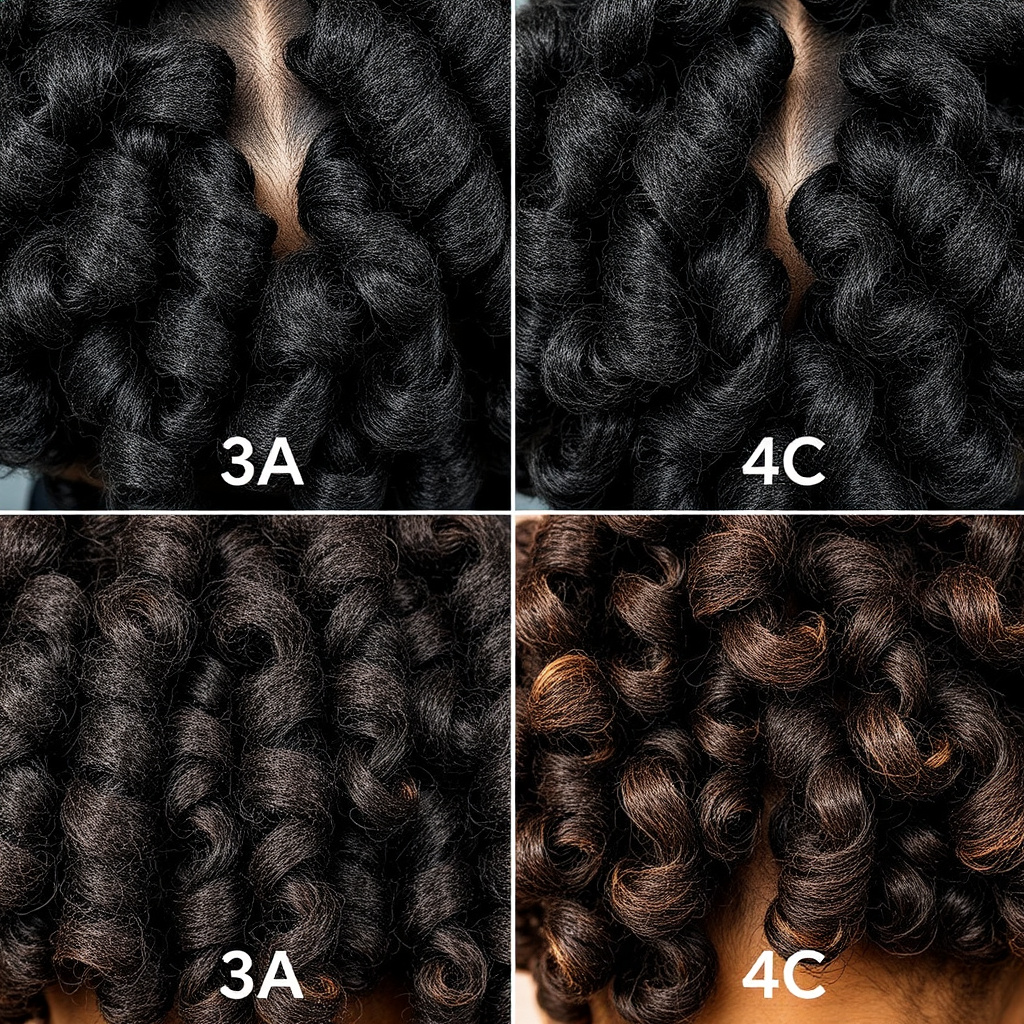
Identifying Your Curl Pattern
Natural hair comes in diverse curl patterns ranging from loose waves to tight coils. Recognizing whether your hair is type 3 (curly) or type 4 (coily/kinky) determines which styles and products will work best. Use wash-day observations: when wet, note if your curls form loose S-shapes or tight Z-patterns.
Knowing your curl pattern helps tailor your styling routine. For instance, type 3 tends to benefit from lighter moisturizers and less heavy oils, while type 4 requires richer creams and butters to lock in hydration.
Hair Density and Porosity Basics
Hair density refers to how closely your strands grow on your scalp, affecting style volume and product needs. Porosity indicates how well hair absorbs moisture, influenced by the cuticle's openness.
Low porosity hair repels water and needs lighter, water-based products, whereas high porosity hair absorbs moisture quickly but loses it fast, needing heavier moisturizers and sealing oils.
- Low porosity: shiny, resistant to water absorption
- High porosity: dull, tangles easily, dry quickly
Basic Styling Techniques for Beginners

Two-Strand Twists and Braids
Two-strand twists and braids are beginner-friendly protective styles that keep hair detangled and retain moisture. Twists are formed by dividing hair into sections and twisting two strands around each other, resulting in a defined curly look once undone.
Braids involve weaving three strands together and can last multiple days with proper care. Both techniques reduce manipulation and hair breakage while allowing versatility for daily wear.
- Start on damp hair for easier sectioning
- Use a moisturizing cream or leave-in conditioner
- Secure ends with a small elastic or twist them tightly
For more on this, see our related guide: How to Do a Braided Updo: Step-by-Step Guide for Elegant Hairstyles.
Wash-and-Go Method
The wash-and-go style emphasizes your hair’s natural curl pattern with minimal tools. After washing, apply a leave-in conditioner and a curl-defining gel or cream on soaking wet hair, then let it air dry or use a diffuser.
This style highlights curls without heat damage and suits those wanting a quick daily routine, though finding the right product combination can take some experimentation depending on your hair’s porosity.
Building a Natural Hair Care Routine

Cleansing and Conditioning
Choosing sulfate-free shampoos prevents excessive drying, while co-washing with conditioner can maintain moisture between washes. Deep conditioning once a week helps restore elasticity and reduces breakage.
Consistency matters; regular cleansing removes buildup but avoid over-washing, which strips hair oils. Adjust frequency to your scalp’s oiliness and environmental factors.
- Use lukewarm water to open cuticles for deep conditioning
- Apply conditioner generously focusing on ends
Moisturizing and Sealing
A natural hair care routine needs daily moisturizing with water-based leave-in products to prevent dryness. Seal moisture with natural oils like jojoba, castor, or coconut oil to lock hydration and reduce frizz.
Layering products in the right order—water, leave-in, oil—optimizes moisture retention. Avoid heavy butters on low porosity hair to prevent buildup.
- Layer moisture products after washing
- Seal ends carefully to prevent split ends
Protective Hairstyles to Promote Hair Health

Popular Protective Styles for Beginners
Box braids, bantu knots, and bantu twist styles offer low-maintenance, protective options that shield ends from daily damage while allowing hair growth. These styles reduce daily detangling and manipulation stress.
Choosing styles that don't pull tightly prevents scalp tension and hair loss. Longevity varies—box braids can last six weeks, bantu knots around two weeks.
- Avoid excessive tension at the scalp
- Keep hair moisturized under styles
For more on this, see our related guide: How to Style Natural Hair for the Week: Practical Tips and Easy Styles.
Nighttime Hair Protection
Wrapping hair with satin or silk scarves or sleeping on a satin pillowcase reduces friction and frizz overnight. Pineappling—gathering hair loosely on top—helps keep curls intact.
Sleeping without protection leads to dryness and tangling, especially for tighter curl patterns prone to breakage.
- Use satin bonnets for extended protection
- Avoid cotton pillowcases which absorb moisture
Common Styling Challenges and Solutions

Managing Frizz and Dryness
Frizz occurs from humidity, dryness, or damaged cuticles. Maintaining moisture consistently, using curl creams specifically designed for natural hair, and avoiding excessive heat styling reduce frizz.
Anti-frizz serums and light oils help smooth the hair surface, but heavy products can weigh curls down if used improperly.
- Refresh curls with water and light leave-in spray
- Reduce heat exposure and use heat protectants
For more details on natural hair characteristics and care principles, you can visit natural hair care on Wikipedia. natural hair care on Wikipedia.
Preventing Breakage and Split Ends
Avoiding rough detangling methods and using wide-tooth combs reduces mechanical damage. Regular trims eliminate split ends and keep hair looking healthy.
Protective styles and maintaining a solid natural hair care routine enhance hair strength and reduce breakage, promoting overall healthier hair growth.
- Detangle hair when damp with conditioner
- Trim hair every 8-12 weeks
Beginner Natural Hair Styles Comparison
Here’s a quick comparison of popular natural hair styling categories suited for beginners, highlighting maintenance needs, styling time, and protection level.
| Style | Ease of Styling | Maintenance Time | Protective Level |
|---|---|---|---|
| Two-Strand Twists | Easy | Medium (weekly) | High |
| Wash-and-Go | Easy | Low (daily) | Low |
| Box Braids | Medium | High (lasting weeks) | High |
| Bantu Knots | Medium | Medium (days to week) | Medium |
| Simple Updos | Easy | Low (daily) | Low |
Frequently Asked Questions
What products are best for natural hair beginners?
Gentle sulfate-free shampoos, moisturizing conditioners, leave-in conditioners, and natural oils like coconut or jojoba are ideal for beginners to keep hair hydrated and manageable.
How often should I wash natural hair?
Washing every 7-10 days is typical for natural hair to balance cleanliness and moisture retention, but frequency depends on scalp oiliness and personal preference.
Can I use heat styling on natural hair?
Occasional heat styling is okay if a heat protectant is used, but frequent heat can cause damage and breakage. Embrace heat-free styles whenever possible.
How do I prevent tangles in natural hair?
Regular moisturizing, gentle detangling with a wide-tooth comb on damp hair, and protective styles help reduce tangling and minimize breakage.
Are protective styles necessary for hair growth?
Protective styles reduce daily manipulation and protect ends, which can prevent breakage and support hair growth, though good care routines matter most.
Key Takeaways
- Simple styles like two-strand twists and wash-and-go are great starting points.
- Understanding curl pattern and porosity guides product selection and care.
- Consistent moisturizing and protective styling promote healthy natural hair.
- Nighttime protection with satin scarves or pillowcases prevents damage.
Conclusion
When deciding how to style natural hair for beginners, the best approach is gradually exploring simple, low-manipulation techniques that feel comfortable and manageable. Learning your hair’s unique needs by identifying curl type and porosity helps you select suitable products and styles that keep your hair moisturized and resilient. Patience and routine consistency build confidence and reveal your hair’s natural beauty over time.
For those starting out, straightforward protective styles like two-strand twists or bantu knots balance ease with hair health benefits, while wash-and-go styles work well for daily wear with minimal effort. Incorporating a natural hair care routine featuring gentle cleansing, regular moisturizing, and sealing with oils nurtures your curls from scalp to ends. Nighttime care with satin scarves enhances moisture retention, preventing frizz and breakage.
Try beginning with easy protective styles and a natural hair care routine customized to your hair’s characteristics. Experimenting with product types aligned with your natural hair care routine fosters better moisture retention and curl definition. Over time, this balanced approach helps maintain healthy hair, reduces styling frustrations, and supports a confident, natural look.


One Comment