Understanding Salon Retail Profit Margins: How to Maximize Your Earnings
Salon retail profit margins typically range between 40% and 60%, making retail a lucrative component of a salon’s overall revenue. These margins result from markup practices over wholesale costs, but they can vary widely depending on product type and vendor agreements. Accurately understanding and managing these profit margins is key to improving a salon’s financial health.
The significance of salon retail profit margins lies in their potential to bolster salon earnings beyond service revenues. Many salons underestimate how profitable selling professional hair and beauty products can be, often missing easy gains. Even small improvements in the margins or sales strategies can yield substantial income increases without requiring more chair time or overhead.
This article will break down the essential factors influencing salon retail profit margins, including cost structures, pricing tactics, and inventory management. We’ll explore common challenges and provide concrete sales strategies that can help salon owners and managers increase their retail revenue efficiently. By the end, you’ll have actionable insights to enhance your salon’s profitability through product sales.
Factors Affecting Salon Retail Profit Margins
Product Cost and Vendor Relationships
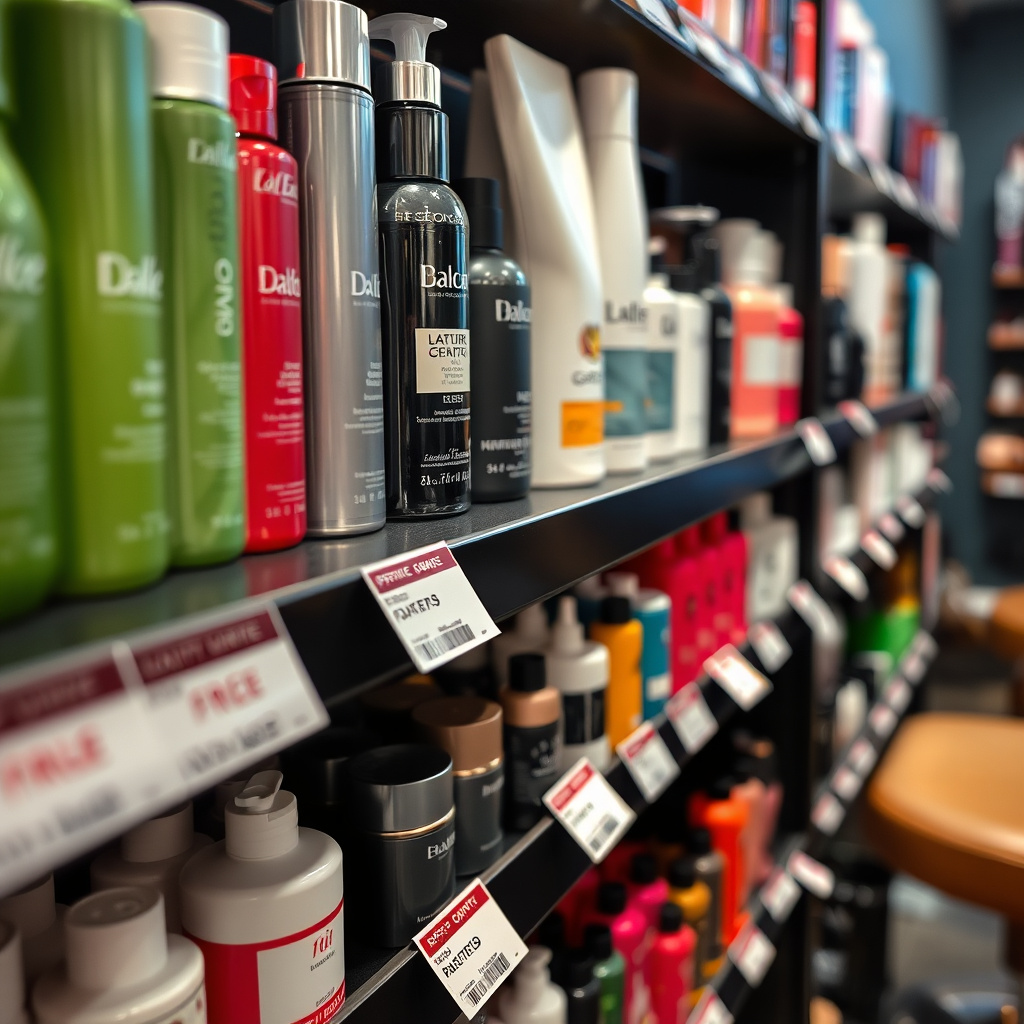
The purchase price from vendors directly influences salon retail profit margins. Salons that negotiate better wholesale rates or source from multiple suppliers can increase their margins significantly. Additionally, exclusive partnerships often come with promotional support reducing costs or increasing retail value.
Shipping, minimum order quantities, and return policies from vendors also affect overall costs. Managing these effectively requires good communication and planning to avoid overstocking or promotional dead-ends that erode profits.
- Negotiate bulk discounts
- Seek exclusivity deals for premium products
- Consider local vendors to reduce shipping
- Evaluate return and exchange policies
Pricing Strategy and Markup Approaches
Salon retail profit margins are largely determined by how much markup is applied to wholesale costs. Common markups can range from 50% to 150%, depending on product demand, exclusivity, and brand positioning. Overpricing may deter customers, while underpricing reduces profitability.
Many salons employ keystone pricing (doubling the wholesale cost) as a starting point but adapt prices based on competitor pricing, salon clientele, and seasonality. Clear signage and educated staff help justify prices, supporting higher margins.
- Use keystone markup as a baseline
- Adjust pricing based on local competition
- Train staff to communicate product value
- Offer tiered pricing on product lines
Inventory Management and Loss Prevention
Optimizing Stock Levels
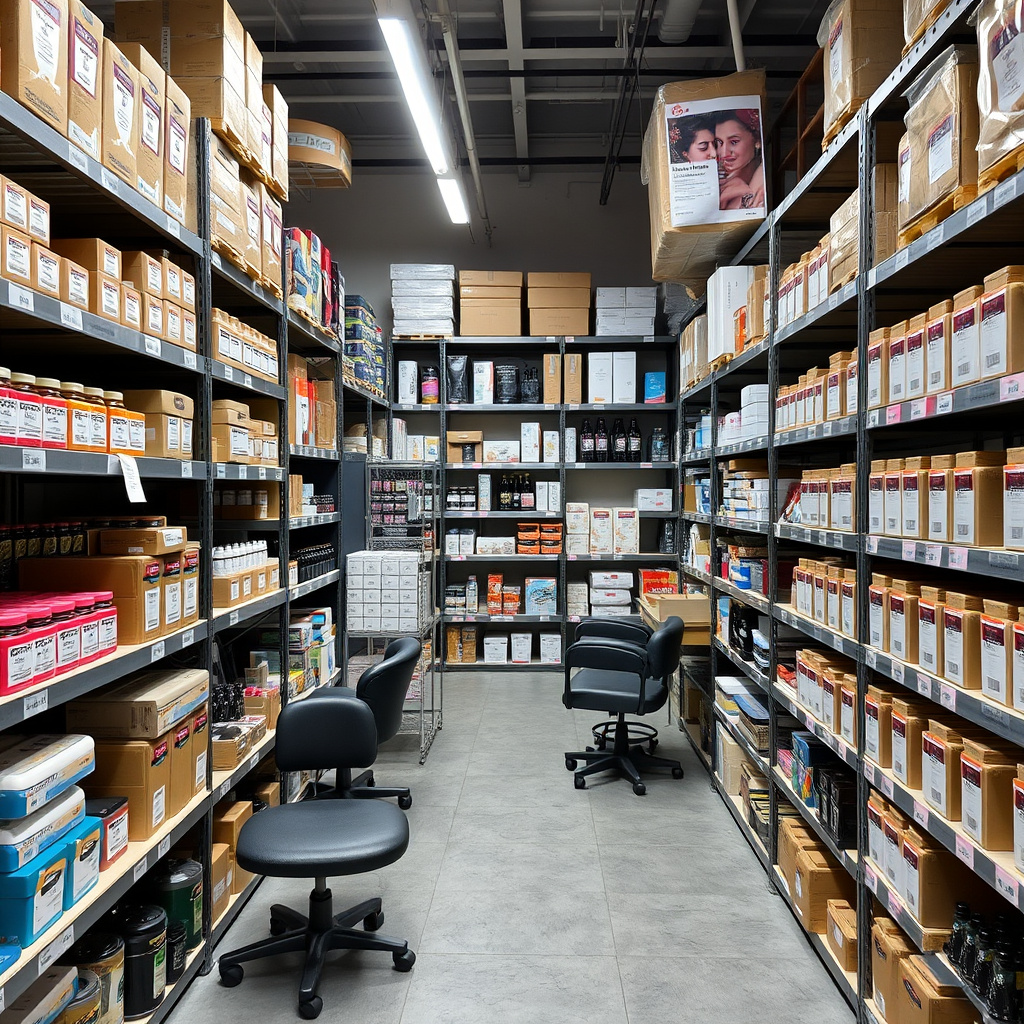
Holding excess inventory ties up salon capital and risks product expiration. Effective inventory management balances having enough stock to satisfy demand while minimizing costs and waste. Using sales data to forecast demand improves purchasing decisions, contributing to stronger retail profit margins.
Seasonal trends and promotions should inform ordering patterns. Slow-moving items should be discounted or removed to free shelf space and cash flow for more popular products.
- Track product turnover rates
- Use inventory management software
- Adjust orders based on sales seasons
- Remove slow sellers promptly
Preventing Theft and Damage
Shrinkage due to theft or damage significantly cuts into profit margins. Implementing security measures such as surveillance cameras, locked displays for high-value items, and regular inventory audits are essential.
Staff education on loss prevention and fostering a culture of accountability also contribute. Clear policies and employee incentives can reduce unintentional losses and maintain margin integrity.
- Install surveillance in retail areas
- Secure expensive products behind glass
- Conduct scheduled inventory audits
- Train employees on loss prevention
Sales Techniques to Enhance Salon Retail Profit Margins
Staff Training and Product Knowledge
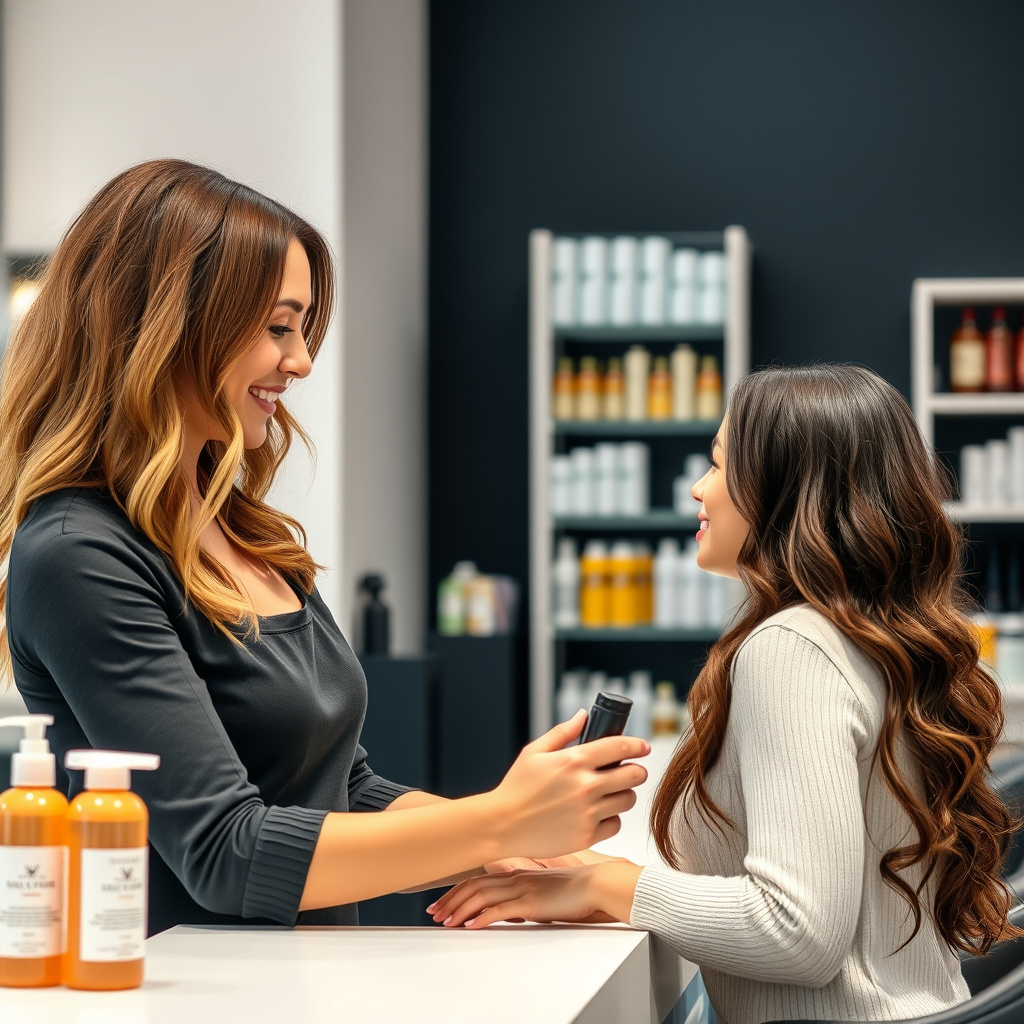
Staff who are knowledgeable and confident about the benefits of salon products tend to increase retail sales. Continuous training on product ingredients, appropriate usage, and problem-solving helps stylists make tailored recommendations, which in turn lifts profit margins.
Incentivizing staff with commissions or bonuses tied to retail sales motivates them to actively promote products during appointments.
- Provide regular product training sessions
- Develop quick reference guides
- Implement retail sales incentives
- Encourage personalized product recommendations
Creating an Engaging Retail Environment
The layout and design of a salon's retail area can impact customer buying behavior. Attractive displays, clear pricing, and easy access encourage browsing and impulse purchases. Grouping complementary products and offering samples increase engagement.
Seasonal promotions and bundled deals also drive sales by offering perceived value, thus supporting higher profit margins.
- Use well-lit, attractive displays
- Group products by category or use
- Offer testers and samples
- Run seasonal or bundle promotions
Financial Analysis and Tracking for Retail Success

Monitoring Key Retail Metrics
Tracking sales volume, average transaction value, and gross profit margins provides insights into retail performance. Regular analysis allows salons to quickly identify underperforming products and adjust strategies accordingly.
Integration of point-of-sale systems with inventory helps monitor trends and detect discrepancies that can affect margins.
- Track gross profit margin per product
- Analyze sales trends regularly
- Compare inventory levels to sales
- Use software to generate detailed reports
Budgeting and Forecasting Retail Revenue
Setting realistic sales targets and budgets per product category enables focused efforts and financial control. Forecasting future retail revenue based on historical data and local market trends aids inventory planning and marketing.
Precise budgeting supports decision-making regarding promotional spending and staffing needs for retail activities.
- Set monthly and quarterly sales goals
- Base forecasts on past sales data
- Adjust budgets for seasonal variations
- Align marketing spend with targets
Legal and Ethical Considerations in Salon Retail Profit Margins
Compliance with Pricing and Advertising Laws
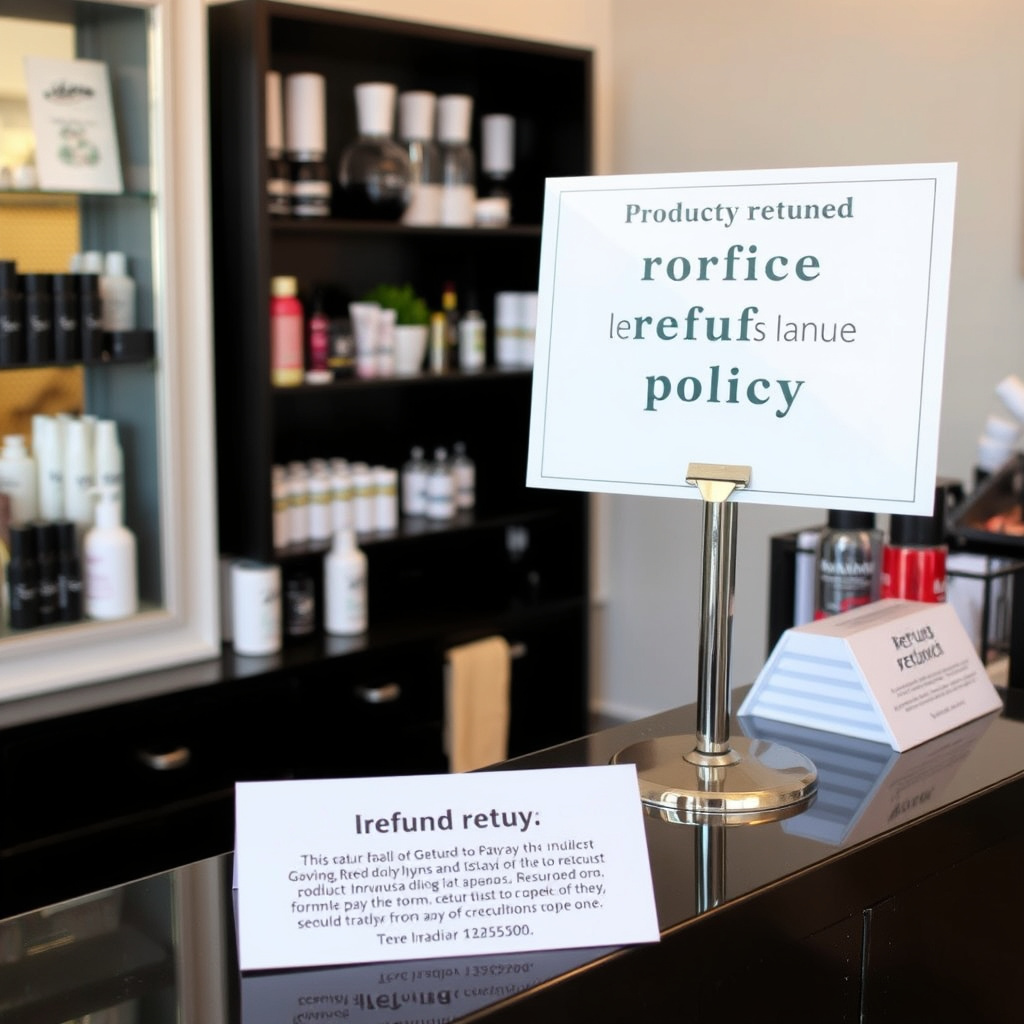
Salons must comply with local regulations concerning product pricing transparency and advertising claims. Overstated benefits or hidden fees can lead to legal troubles and damage reputation.
Proper signage of prices and truthful marketing messages are not only lawful but build customer trust, indirectly supporting sales and margins.
- Clearly display retail prices
- Avoid misleading product claims
- Keep records of promotional terms
- Train staff on compliance requirements
For a fundamental understanding of profit margins in retail businesses, see this detailed explanation. Retail profit margin information.
Ethical Upselling and Customer Trust
Pushing products aggressively may increase short-term sales but risks alienating clients. Ethical upselling involves honest recommendations that match customer needs and budgets, preserving long-term relationships and repeat business.
A reputation for integrity often results in better overall profitability than high-pressure sales tactics.
- Focus on customer needs first
- Disclose product benefits and limitations
- Avoid overloading clients with products
- Encourage open communication
Salon Retail Profit Margins by Product Category
Comparing profit margins across typical salon product categories helps identify which areas maximize earnings potential.
| Product Category | Average Profit Margin | Typical Price Range | Sales Volume Potential |
|---|---|---|---|
| Hair Care Products | 50-60% | $15-$50 | High |
| Skin Care Products | 45-55% | $20-$70 | Medium |
| Hair Tools & Accessories | 30-45% | $25-$150 | Low-Medium |
| Nail Care Products | 40-50% | $10-$40 | Medium |
| Professional Treatment Products | 55-65% | $30-$100 | Low |
Frequently Asked Questions
What are typical salon retail profit margins?
Salon retail profit margins generally fall between 40% and 60%, depending on the type of product and markup strategies used.
How can salons increase their retail profit margins?
Salons can increase margins by negotiating better vendor prices, training staff on product knowledge, optimizing inventory, and using smart pricing.
Does higher markup always mean higher profit?
Not necessarily. Overpricing can reduce sales volume, so balancing price with customer willingness to pay is key.
Are there risks to carrying too much retail inventory?
Yes, excess inventory can tie up cash and lead to product expiry or obsolescence, hurting profit margins.
How important is staff involvement in retail sales?
Very important. Educated and motivated staff significantly boost product sales and overall salon retail profits.
Key Takeaways
- Salon retail profit margins typically range from 40% to 60%.
- Negotiating with vendors and managing inventory reduces costs.
- Staff training and engaging displays increase product sales.
- Tracking financial metrics helps sustain and grow margins.
Conclusion
Determining salon retail profit margins involves a fine balance of managing costs, setting smart pricing strategies, and effectively selling products that resonate with clients. The most successful salons focus on understanding vendor agreements and incorporating data-driven decisions to maintain strong margins. Regular financial analysis paired with attentive inventory management prevents costly mistakes, safeguarding profitability over the long term.
For salons aiming to increase retail revenue, focusing on categories like hair care and professional treatment products often provides the best margin potential without compromising sales volume. Combining this with comprehensive staff training—ensuring every team member can confidently recommend products—and creating an attractive retail space will engage customers naturally. Implementing retail sales incentives further motivates employees to contribute actively, raising overall profit margins.
Taking the next steps means auditing current retail operations to identify weaknesses in pricing, inventory, or marketing efforts. Using tools like point-of-sale systems that integrate sales and inventory data can provide actionable insights. Salons should also regularly revisit vendor relationships to explore better deals. With deliberate effort and clear strategies, improving salon retail profit margins is both achievable and highly beneficial to the business’s sustainability.