What Is a Nail Primer and How to Use It for Perfect Manicures
A nail primer is a preparatory product applied to natural nails before using nail enhancements like gel or acrylic. Its purpose is to improve adhesion by removing oils and creating a slightly rough surface, which helps nail polish or enhancements last longer without lifting.
This matters because applying nail primer correctly can prevent premature chipping, peeling, and lifting, which are common issues especially with gel nails. Primers come in different formulations, including acid-based and acid-free, catering to different nail types and personal sensitivities.
In this article, we'll explain what nail primer is, its types, the right way to apply it, and how to choose one suited to your nail condition. We'll also compare popular primer categories and address common questions to help you get stronger, longer-lasting manicures.
Understanding Nail Primer Composition and Function

What Is Nail Primer Made Of?
Nail primers usually contain ingredients that temporarily etch the nail surface or remove oils to promote adhesion. Acid-based primers often use methacrylic acid to slightly roughen the nail plate, while acid-free primers rely on other bonding agents that are gentler on sensitive nails.
The chemistry behind primers is designed to create a chemical or mechanical bond between the natural nail and the enhancement, making polish or acrylic last longer under everyday wear conditions.
How Nail Primer Works to Enhance Adhesion
Primers remove natural oils and moisture that can block adhesion, and they create a micro-rough texture for enhancements to grip. This reduces the risk of lifting or peeling.
Some primers also improve water resistance by sealing the natural nail surface, which helps maintain the integrity of gel or acrylic overlays.
Types of Nail Primers: Acid-Based vs. Acid-Free
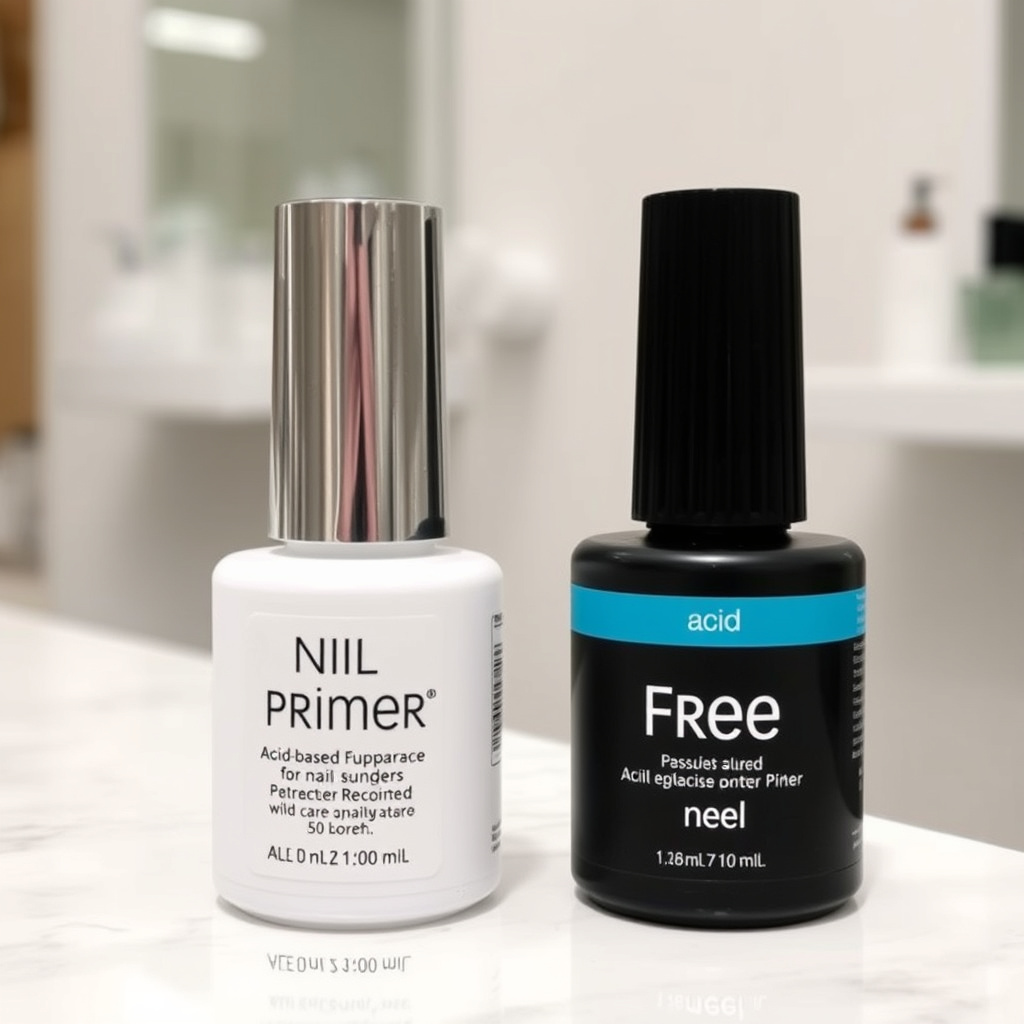
Features of Acid-Based Nail Primers
Acid-based primers use methacrylic acid for stronger etching action, providing excellent adhesion for acrylics and gels, especially on oily nails. However, they can cause irritation or sensitivity if overused or applied improperly.
These primers require careful application by professionals to avoid skin contact and are often chosen for their reliable bonding strength.
- Strong adhesion
- May cause skin sensitivity
- Common in professional salons
When to Choose an Acid-Free Nail Primer
Acid-free primers are recommended for those with sensitive or damaged nails because they are less harsh and lower the chance of irritation. Their bonding might be slightly less aggressive but still effective when nails are properly prepped.
Many beginners use acid-free primers in home manicures or when starting with gel nails to minimize discomfort while still enhancing polish durability.
- Gentler on nails and skin
- Suitable for sensitive nails
- Popular among home users
How to Apply Nail Primer Correctly

Preparation Before Applying Primer
Begin by cleaning nails thoroughly to remove dirt, oils, and old polish. Lightly buff the nail surface with a nail file to create texture. Avoid touching nails with fingers after buffing to keep the surface clean before primer application.
Proper nail prep sets the stage for primer effectiveness and prevents contaminants from compromising adhesion.
- Remove old polish
- Buff nails lightly
- Clean with alcohol or nail cleanser
Applying Primer Step-by-Step
Using a small brush, apply a thin and even layer of primer to the entire nail surface. Avoid getting primer on the skin or cuticles because this can cause irritation or premature lifting. Allow the primer to air dry fully before applying gel or acrylic products.
Patience during this stage boosts durability and reduces the chance of lifting or chipping later.
- Use thin coats
- Avoid skin contact
- Let primer dry completely
Choosing the Best Nail Primer for Your Needs

Consider Your Nail Type and Health
If you have sensitive or damaged nails, an acid-free primer is usually safer and still supports good adhesion. For oily or thick nails requiring long-lasting gel enhancements, acid-based primers can provide stronger grip.
Evaluate how your nails react to products and consider allergies or sensitivities before selecting a primer.
Top Recommended Nail Primers for Different Uses
Popular options include the classic acid-based primer for professional durability and acid-free primers like the ones recommended for beginners or those with sensitive skin. Some brands combine bonding agents with conditioning ingredients protecting natural nails during repeated manicures.
Choosing a primer that matches your manicure style—gel, acrylic, or dip powder—also helps optimize results.
Common Mistakes to Avoid When Using Nail Primer

Avoiding Primer Contact with Skin
Primer touching the skin can cause irritation and can weaken the bond resulting in lifting at the edges. Take care during application to target only the nail plate.
If skin exposure occurs, rinse immediately and avoid applying product until healed.
Don’t Skip Nail Preparation Before Primer
Applying primer on nails that are oily, dirty, or not buffed can reduce adhesion. Proper preparation is key for primer effectiveness.
Skipping steps can lead to early chipping or peeling of enhancements.
Maintaining Manicures After Applying Nail Primer

Post-Manicure Care Tips
After using nail primer and completing the manicure, keeping nails dry for at least an hour and avoiding harsh chemicals will extend wear life. Applying cuticle oil daily helps maintain nail flexibility and health.
Regular moisturizing reduces the risk of brittle nails and chipping.
For additional scientific information on nail preparation and primer chemistry, you can consult the Nail Primer Wikipedia page. Nail Primer Wikipedia page.
When to Reapply Primer During Long-Term Use
For fills or maintenance, remove any lifted or chipped polish, lightly buff, and reapply primer to ensure consistent adhesion. This prevents premature polish failure during extended wear.
Repeated properly applied primer layers keep your manicure looking fresh longer.
Nail Primer Types Category Comparison
This table compares key features of different nail primer types to help you pick the best fit for your needs.
| Primer Type | Adhesion Strength | Suitability for Sensitive Nails | Application Difficulty | Typical Use Case |
|---|---|---|---|---|
| Acid-Based Primer | High | Low | Moderate | Professional acrylics and gels |
| Acid-Free Primer | Moderate | High | Easy | Sensitive nails and gel beginners |
| No-Wipe Gel Primer | Moderate | Moderate | Easy | Gel polish with no-wipe topcoats |
| Bonding Gel Primer | Moderate | Moderate | Easy | Gel and dip powder enhancements |
Frequently Asked Questions
Is nail primer necessary for gel nails?
Yes, nail primer is often essential for gel nails because it improves adhesion, reducing lifting and extending the manicure's durability.
Can I use nail primer on natural nails without enhancements?
Primers are designed to prepare nails for enhancements, so using them alone on natural nails offers no benefit and may cause dryness.
How often should I apply nail primer during gel nail fills?
Apply primer each time you do a fill or maintenance to clean and re-etch the nail surface for consistent adhesion.
Are acid-free nail primers less effective?
Acid-free primers may have slightly less aggressive bonding but work well for sensitive nails when combined with good nail prep.
Can nail primer cause allergic reactions?
Some primers, especially acid-based ones, can cause sensitivity or allergic reactions if they contact skin; careful application helps prevent this.
Key Takeaways
- Nail primer improves adhesion by preparing the nail surface and removing oils.
- Choose acid-free primers for sensitive nails and acid-based for stronger grip on oily nails.
- Proper application and nail prep are essential for primer effectiveness.
- Regular maintenance with primer extends manicure durability.
Conclusion
Understanding what a nail primer is and how it works is fundamental when aiming for long-lasting, flawless manicures. The primer acts as a bridge between your natural nails and enhancements, preventing premature lifting by creating a suitable surface for adhesion. Success depends on both choosing the right type of primer and applying it meticulously after proper nail prep.
If you have sensitive or brittle nails, opting for an acid-free primer can minimize irritation while still providing good adhesion. For those with oily or tough nails and who prefer acrylic or gel systems, an acid-based primer often delivers superior bond strength. Using these in combination with high-quality products and careful technique results in much longer wear times, reducing the need for frequent touch-ups.
Before jumping into applying nail primer on your own, take time to clean and buff nails gently without over-filing. Apply thin, precise coats of your chosen primer, avoiding contact with skin. Ensuring the primer is fully dry before proceeding to gel or acrylic application will give you the best chance for durable results. For anyone interested in extending their gel manicures or acrylic enhancements, learning proper nail primer use is a practical step that pays off every time.