What Type of Bangs Are Best for Fine Hair: A Complete Styling Guide
The best type of bangs for fine hair are typically wispy or side-swept bangs because they add texture and softness without overwhelming thin strands. These styles help create the illusion of fullness by distributing hair weight evenly and avoiding blunt cuts that can look heavy or sparse on fine hair.
Fine hair tends to lack natural volume and can appear limp or flat, so choosing bangs that enhance movement and lighten the look is important. Wispy bangs softly frame the face, while side-swept bangs can blend seamlessly with longer layers, making the hair appear thicker. Both styles minimize maintenance, which suits fine hair that is prone to breakage with frequent styling.
This article will explore different bangs styles suited for fine hair, explain what to avoid, discuss styling tips specific to fine hair textures, compare these options, and answer common questions to help you find the best bangs that add charm and volume without damage.
Popular Bangs Styles for Fine Hair

Wispy Bangs
Wispy bangs consist of thin, feathered strands that blend naturally into the rest of the hair. They create subtle texture and soften the forehead area without making the hairline look sparse or harsh.
Because they are light in density, wispy bangs don’t add extra weight, so fine hair maintains its natural volume. They require only minimal trimming to keep the airy effect intact.
- Add dimension without heaviness
- Easy to maintain with regular trims
- Work well with layered cuts
Side-Swept Bangs
Side-swept bangs fall gracefully across the forehead at an angle, blending seamlessly into longer layers. This style distracts from thinning spots and creates a dynamic flow in fine hair.
The gentle slope of side-swept bangs enhances face shape and adds an impression of thickness near the front hairline without requiring thick or blunt cuts.
- Illusion of volume through angled cut
- Versatile styling options
- Suitable for various face shapes
Bangs to Avoid for Fine Hair

Blunt Bangs
Blunt bangs are cut straight across with uniform thickness, often creating a heavy, dense strip of hair across the forehead. On fine hair, this can look too stark and thin, drawing unwanted attention to the sparse scalp beneath.
Since blunt bangs need to be thick enough to hold shape, they often require daily styling and can weigh down fine hair, diminishing natural volume.
- Heavy appearance on thin strands
- Require more product and styling
- Highlight scalp if hair is very thin
Very Short Baby Bangs
Very short baby bangs cut far above the eyebrows can expose more scalp and accentuate thinness around the hairline. Unlike other fringe options, they do not blend easily into fine hair, making hair texture appear less dense.
This style needs thick, healthy hair for a balanced look; otherwise, it tends to highlight fine hair’s lack of volume.
- Can reveal scalp too much
- Not flattering for very fine hair
- Difficult to style seamlessly
Styling Tips for Bangs on Fine Hair

Using Lightweight Products
Fine hair benefits from lightweight styling products like mousses or volumizing sprays that boost body without weighing hair down. Heavy creams or gels can cause strands to clump and flatten the bangs.
Applying products sparingly and focusing on the roots and bangs area helps maintain lifted strands and a soft finish for natural-looking volume.
- Choose alcohol-free volumizing sprays
- Avoid heavy oils or waxes
- Use dry shampoo to refresh and add texture
For more on this, see our related guide: How to Cut a Toddler’s Hair with Clippers: A Simple Step-by-Step Guide.
Blow-Drying Techniques
Blow-drying bangs with a round brush can create gentle lift and shape for fine hair. Direct the airflow from roots to ends while lifting bangs upwards to add volume without making hair frizzy or flat.
Allow the bangs to cool in position to help maintain style longer, and avoid over-drying which can cause damage and breakage.
- Use medium heat and low airflow
- Brush bangs forward and up
- Cool setting to set shape
Maintaining Bangs with Fine Hair

Regular Trims
Fine hair bangs grow in quickly and lose their shape faster than thicker hair types. Scheduling trims every 3-4 weeks keeps bangs from becoming heavy or looking unkempt.
Frequent trims also prevent split ends, preserving the delicate hair texture essential for a healthy, airy bang appearance.
- Trim bangs every month
- Trim with sharp, fine scissors
- Avoid cutting bangs too thick
Protecting Hair Health
Protecting fine bangs from damage involves minimizing heat styling and using heat protectants when necessary. Overstyling or harsh treatments can weaken delicate strands, causing breakage and thinning.
Gentle shampooing and conditioning routines tailored for fine hair improve longevity and shine of the bangs.
- Limit heat styling frequency
- Apply heat protectant spray
- Use sulfate-free hair products
Enhancing Volume with Bangs for Fine Hair
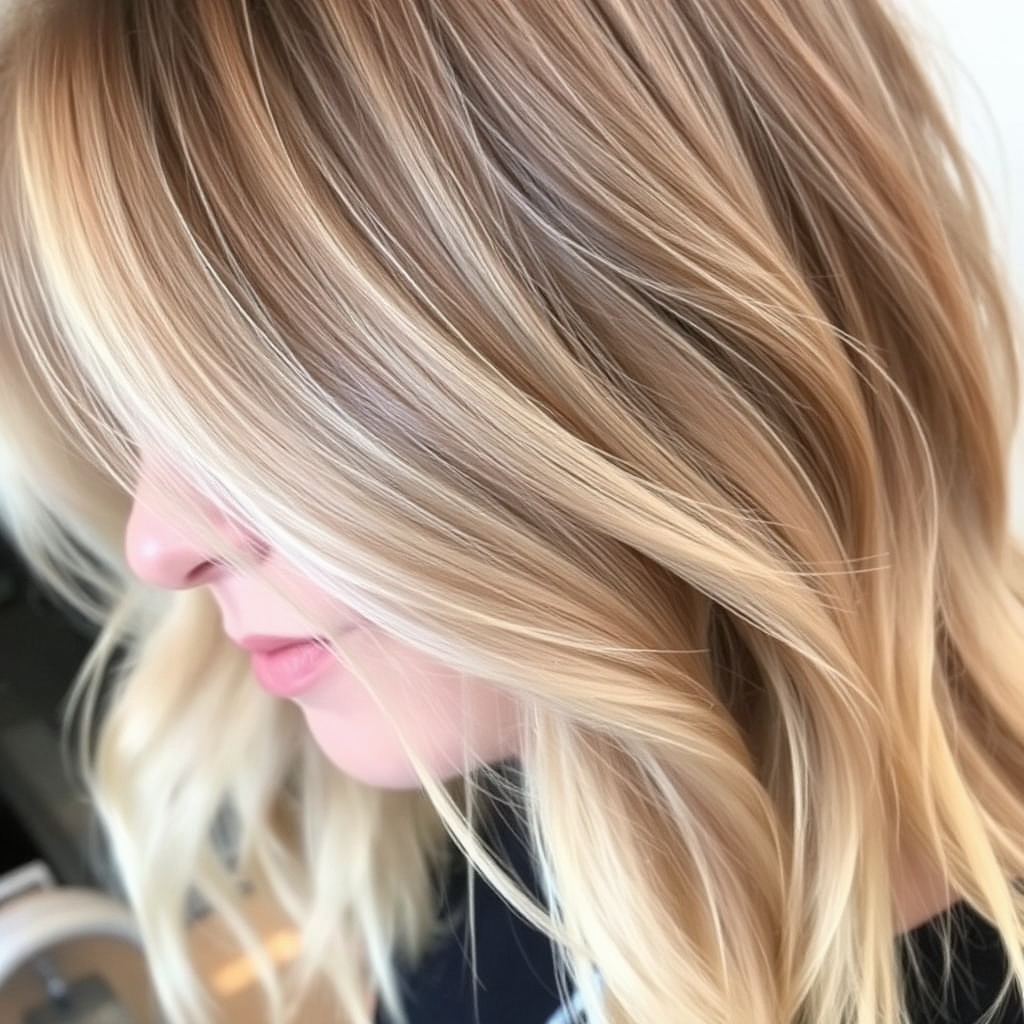
Layered Bangs
Incorporating soft layers into bangs creates natural volume by breaking up straight strands and adding texture. Layered bangs blend well with fine hair, enhancing movement and fullness.
This type of bangs gives dimension without heaviness, ideal for those wanting to mask thinning hair near the forehead.
- Add movement and texture
- Blend easily with longer hair
- Prevent flat appearance
Texturizing Methods
Techniques like point-cutting or razor texturizing can thin out overly dense bangs and add airy layers, improving volume perception in fine hair.
These methods remove bulk and soften edges so bangs look natural rather than blunt or solid.
- Point-cut bangs for softness
- Use razor cuts for texture
- Reduce excess weight
Face Shapes and Choosing Bangs for Fine Hair

Oval and Round Faces
Oval and round face shapes benefit from side-swept or wispy bangs that soften curves while creating angles. These bangs add dimension and help balance facial proportions on fine hair.
Avoid blunt bangs that accentuate roundness or flatness on these face shapes.
- Side-swept bangs elongate face
- Wispy bangs soften features
- Avoid heavy blunt bangs
To explore the history and variations of bangs further, you can visit the bangs hairstyles page on Wikipedia. Bangs hairstyles on Wikipedia.
Square and Heart-Shaped Faces
Soft, layered bangs suit square and heart-shaped faces by reducing sharp jawlines or broad foreheads. Lightly textured bangs add softness and blend well with fine hair’s delicate strands.
Sweeping bangs to the side helps to draw attention away from angular features.
- Layered bangs soften angles
- Side sweeping enhances balance
- Keep bangs light and airy
Comparison of Bangs Styles for Fine Hair
This table compares different types of bangs for fine hair based on volume effect, maintenance level, styling difficulty, and best face shape.
| Bangs Style | Volume Effect | Maintenance Level | Styling Difficulty | Best Face Shape |
|---|---|---|---|---|
| Wispy Bangs | Adds subtle volume | Low | Easy | Oval, Round |
| Side-Swept Bangs | Creates angled volume | Medium | Medium | Oval, Round, Square |
| Layered Bangs | Enhances texture and volume | Medium | Medium | Square, Heart |
| Blunt Bangs | Can weigh down hair | High | High | Square |
| Baby Bangs | Often exposes scalp | High | Medium | Best for thick hair |
Frequently Asked Questions
Can fine hair grow bangs without looking flat?
Yes, fine hair can grow bangs that look full by choosing styles like wispy or side-swept bangs which add texture and volume without overwhelming thin strands.
How often should I trim my bangs if I have fine hair?
Trimming every 3-4 weeks keeps bangs on fine hair fresh and prevents them from becoming heavy or losing shape.
What styling products work best for bangs on fine hair?
Lightweight mousses, volumizing sprays, and dry shampoos are ideal because they boost volume without weighing fine bangs down.
Are blunt bangs ever recommended for fine hair?
Blunt bangs typically aren’t recommended for fine hair since they can look heavy and accentuate thinness, especially without thick hair to support the style.
Does face shape affect which bangs are best for fine hair?
Yes, face shape influences bangs choice: side-swept and wispy bangs suit round or oval faces, while layered bangs soften angular features on square or heart-shaped faces.
Key Takeaways
- Wispy and side-swept bangs suit fine hair by adding volume and softness.
- Avoid heavy blunt or very short baby bangs for thin strands.
- Lightweight products and proper blow-drying maintain style without damage.
- Consider your face shape when selecting bangs to enhance features naturally.
Conclusion
Deciding what type of bangs are best for fine hair requires balancing aesthetics with hair texture and growth patterns. Wispy and side-swept bangs offer the right combination of volume and lightness needed for fine hair, preventing a flat or weighed-down look. Understanding your hair’s natural tendencies—whether it’s prone to limpness or breakage—guides choosing styles that enhance, rather than diminish, its appearance. Avoiding blunt, thick cuts that add heaviness helps maintain the hair’s airy texture. With this approach, fine hair can sport bangs that frame the face beautifully and highlight hair volume without overloading delicate strands.
For those wanting to add dimension, layered bangs and texturizing techniques complement fine hair by creating natural movement and fullness. If low maintenance is a priority, wispy bangs are ideal due to their lightness and ease of upkeep. Side-swept bangs work well for adapting to different face shapes and provide versatile styling options. Styles like blunt or baby bangs tend to demand higher effort and often highlight hair thinness rather than mask it. Choosing styles based on face shape enhances natural features and balances proportions effectively, making any bangs choice more flattering for fine hair.
After considering these factors, the best next step is consulting with a professional stylist familiar with fine hair textures and bangs. They can tailor cuts specifically to your growth patterns and facial features, ensuring bangs that suit your lifestyle and hair health. Additionally, using lightweight volumizing products and gentle styling techniques will prolong your bangs’ freshness and vibrancy. With the right cut, care, and styling, bangs can transform fine hair, adding charm, volume, and personality without sacrificing hair integrity.




One Comment