What Type of Bangs Are Best for Natural Hair: A Detailed Guide
The best type of bangs for natural hair depends largely on your curl pattern, hair density, and face shape, but typically, soft, wispy bangs or curtain bangs work beautifully to complement natural textures. These styles allow curls to frame the face gently without requiring constant heat styling, preserving hair health.
Natural hair's unique texture and volume call for bangs that embrace its movement rather than fight it. Choosing bangs that work with your hair’s curl pattern helps prevent frizz and damage while enhancing your natural look. This approach also offers versatility for styling and maintaining your hair's moisture.
This article will explore different types of bangs suitable for natural hair, how to select the best style based on your curls and face shape, and expert tips on care and styling to keep your bangs looking fresh and healthy.
Understanding Your Natural Hair Texture

Identifying Your Curl Pattern
Recognizing your curl pattern is key to choosing bangs that will fit and style well with your natural hair. Patterns range from loose waves (Type 2) to tight coils (Type 4), each requiring different cutting techniques and styling products.
For natural hair, bangs should be cut when dry to see how curls fall naturally. This avoids overly short or uneven bangs and helps achieve a look that blends seamlessly with your overall texture.
Assessing Hair Density and Volume
Hair density impacts how bangs will sit and hold their shape. Thick, dense hair might need thinning techniques to avoid overly bulky bangs, while fine hair benefits from styles that add dimension and movement.
Volume also dictates style choice; voluminous hair supports fuller bangs like curtain bangs, but lighter bangs can suit hair with less body better by avoiding overwhelming the face.
Types of Bangs Ideal for Natural Hair

Wispy Bangs for Light Definition
Wispy bangs are slightly feathered and light, making them perfect for natural hair that is curly or wavy. They add softness around the face while allowing curls to bounce freely, avoiding a heavy or weighed-down look.
These bangs are low-maintenance and work well with 'bangs for curly hair' styling routines that involve moisturizing and gentle detangling to keep curls defined without stiffness.
- Light layering to reduce bulk
- Styled mostly by scrunching with moisturizing products
- Less frequent trims compared to blunt bangs
For more on this, see our related guide: What Type of Bangs Are Best for Curly Hair: Stylish Options for Natural Curls.
Curtain Bangs for Face-Framing Volume
Curtain bangs part in the middle or slightly off-center, draping naturally on either side of the forehead. This style suits natural hair as it works with curls, allowing movement and volume without restricting hair flow.
They can be styled using minimal heat or none, preserving hair health, and create a retro-yet-modern vibe that complements both casual and formal looks.
- Grow out option available for versatile hairstyles
- Enhances natural face contours
- Works well with medium to thick hair densities
Styling Techniques for Bangs on Natural Hair
Moisturizing and Defining Curls
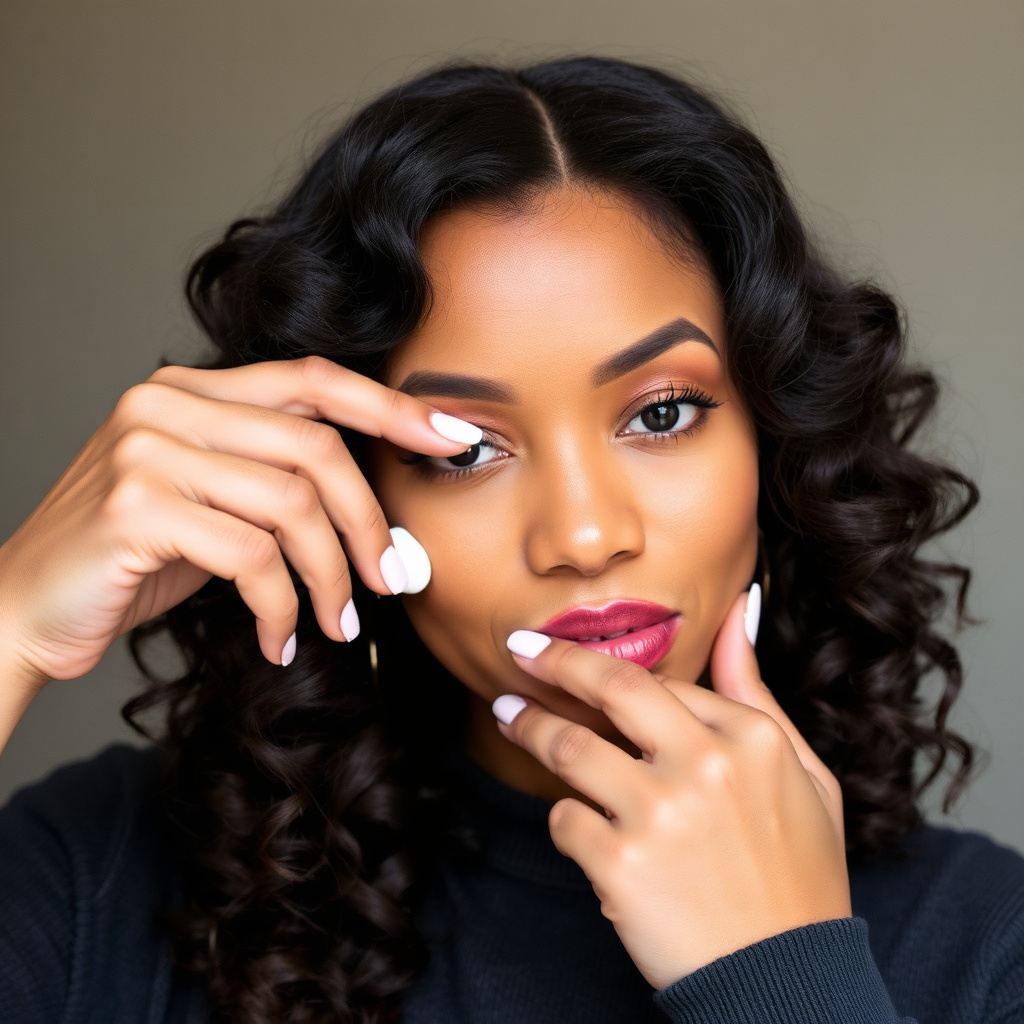
Maintaining moisture is crucial for styling bangs on natural hair to avoid frizz and keep curls well-defined. Use leave-in conditioners or curl creams specifically designed for natural textures.
Applying products while hair is damp and using techniques like finger-coiling or diffusing can enhance curl definition without structural damage, preserving the natural shape of bangs.
- Use sulfate-free moisturizing products
- Avoid heavy gels that cause stiffness
- Diffuse on low heat or air-dry
Regular Trimming and Maintenance
Bangs on natural hair require regular trims to maintain shape since curls can shrink and change length over time. It’s best to trim when hair is dry to see the true length and curl pattern.
Maintaining bangs includes gentle detangling and avoiding excessive manipulation, which helps prevent breakage and maintains healthy ends.
- Trim every 6-8 weeks
- Use sharp scissors and trim gradually
- Detangle gently with wide-tooth comb
Choosing Bangs for Different Face Shapes
Bangs for Round and Oval Faces
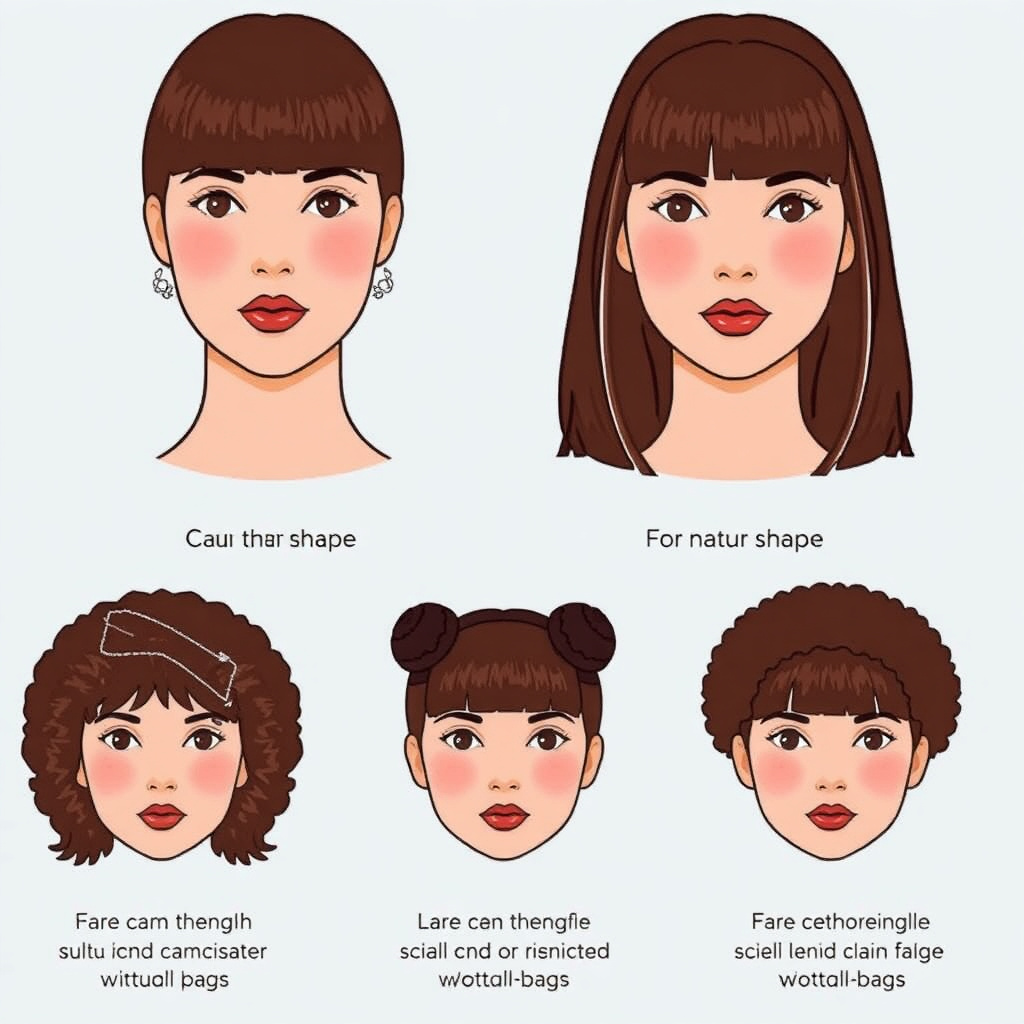
For round faces, curtain bangs that gently part on the side elongate the face by creating vertical lines through curls. Oval faces are versatile and suit most bangs but benefit from soft, wispy types that do not overwhelm the natural balance of features.
Avoid blunt bangs that can shorten the appearance of the face and instead opt for styles that allow hair to fall naturally and frame the cheeks softly.
For more on this, see our related guide: What Type of Haircut Is Low Maintenance? Expert Guide to Easy Hairstyles.
Bangs for Square and Heart-Shaped Faces
Square faces gain softness from side-swept or layered bangs, which help diminish angular jawlines. Heart-shaped faces work well with curtain bangs that soften the forehead’s width and balance facial proportions.
These bangs styles flow well with natural textures, harmonizing with curls and reducing harsh edges in overall facial symmetry.
Maintenance Tips Specific to Natural Hair Bangs
Night Care Routines
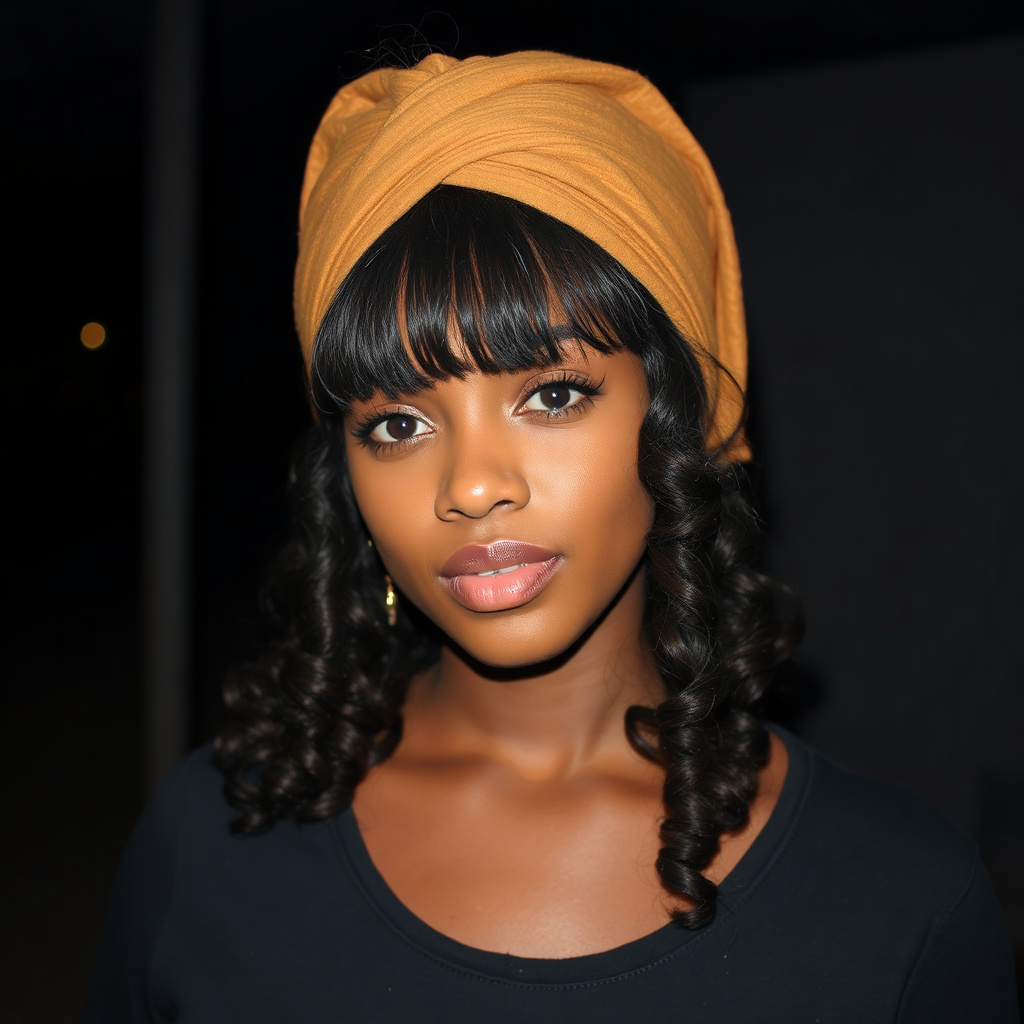
Protecting bangs during sleep by wrapping them with a silk or satin scarf prevents frizz and curl disruption. Pineapple-ing the curls on top can help maintain volume without flattening the hairline.
These nightly routines contribute to longer-lasting bang styles and reduce daily styling time and product build-up.
- Use satin or silk hair accessories
- Avoid cotton pillowcases which absorb moisture
- Lightly refresh bangs with water and curl cream in the morning
For a broader understanding of bangs and their historical styles, you can visit the Natural hair bangs guide on Wikipedia. Natural hair bangs guide on Wikipedia.
Heat Styling Considerations
Minimizing heat use is important when styling bangs for curly hair to preserve natural hair integrity. If heat is used, lower temperatures and heat protectants are mandatory to avoid damage and moisture loss.
Alternatively, air-drying and finger-styling techniques maintain healthy curls and keep bang shapes intact without resorting to flat irons or blow-dryers.
- Limit heat styling to special occasions
- Always apply heat protector spray
- Try twist-outs or braid-outs for styling variation
Comparison of Popular Bangs Types for Natural Hair
Here is a comparison of different bangs styles tailored to natural hair, highlighting their best uses and maintenance requirements.
| Bangs Type | Best For Curl Pattern | Maintenance Level | Styling Flexibility | Face Shape Suitability |
|---|---|---|---|---|
| Wispy Bangs | Loose to tight curls | Low | High | Oval, Round |
| Curtain Bangs | Medium to thick curly hair | Medium | High | Oval, Heart, Round |
| Side-Swept Bangs | Loose curls and waves | Medium | Medium | Square, Heart |
| Blunt Bangs | Wavy to loose curls | High | Low | Oval only |
| Layered Bangs | All curl types with thinning | Medium | High | Square, Oval |
Frequently Asked Questions
Are bangs damaging to natural hair?
Bangs themselves are not damaging if cut and maintained properly. Avoiding excessive heat styling and regularly moisturizing bangs reduces the risk of damage on natural hair.
How often should I trim bangs on natural hair?
Trimming natural hair bangs approximately every 6 to 8 weeks helps maintain shape and manage curl shrinkage, keeping the bangs fresh without overcutting.
Can I straighten my bangs without damaging my natural curls?
Occasional gentle straightening with heat protectants is fine, but frequent heat can lead to dryness and damage. Embrace styling techniques that define curls instead for healthier hair.
Which products work best for styling bangs for curly hair?
Lightweight curl creams, leave-in conditioners, and moisturizing gels without harsh chemicals support curl definition in bangs while minimizing frizz.
Is it better to cut bangs on wet or dry natural hair?
For natural hair, cutting bangs dry presents the length and curl pattern accurately, helping achieve a bang shape that fits the natural curl formation.
Key Takeaways
- Choose bangs that complement your specific curl pattern and hair density.
- Wispy and curtain bangs are versatile and flattering on natural hair.
- Maintain bangs with moisture, gentle styling, and regular trims.
- Avoid excessive heat to preserve curl health and definition.
Conclusion
Determining what type of bangs are best for natural hair requires understanding how your curls respond to different cuts and styles. The goal is to enhance your hair’s natural texture rather than fight it with harsh styling. Wispy and curtain bangs offer softness and volume, making them among the best choices because they work well with natural movement and require less heat styling than blunt cuts. Choosing styles for your face shape also plays a role in achieving a flattering overall look.
For those with looser curls or waves, wispy bangs provide light framing and are easier to maintain daily. Curtain bangs offer more volume and suit thick curly hair, balancing face contours for round or heart shapes. Side-swept bangs can soften angular faces like squares, whereas blunt bangs are more restrictive and generally suit only specific hair textures and face shapes. Regular trims, moisture retention, and gentle styling will keep your bangs healthy and looking great.
As a next step, consider consulting a stylist experienced with natural hair to tailor a bang style to your unique curl pattern and preferences. Experimenting with light styling products and nighttime care will help maintain your bangs’ shape and curl definition. Above all, prioritize styles that highlight your natural texture so your bangs can look effortlessly beautiful every day.


