What Type of Hair Dye Is Permanent? Understanding Long-Lasting Hair Color Options
Permanent hair dye is a type of hair color that chemically alters the hair shaft to deliver long-lasting and vibrant color. Unlike semi-permanent or temporary dye, it penetrates deep into the hair cortex, allowing the color to resist washes and external factors until new hair grows out. This makes it a popular choice for those seeking durable results and significant color changes.
The importance of understanding what type of hair dye is permanent lies in managing your expectations and hair health. Permanent dyes typically contain ammonia and peroxide, which open the hair cuticle and help the color molecules lock inside. While this yields impressive results, it also means the process is more intensive, requiring aftercare to maintain hair strength and shine.
In this article, we will explore how permanent hair dye works, the chemical components involved, and the various permanent dye options available. Additionally, we will discuss application techniques, pros and cons, differences from other hair dye types, and tips for choosing the best permanent hair color for your needs.
How Permanent Hair Dye Works: The Chemistry Behind the Color

The Role of Ammonia and Peroxide
Permanent hair dye relies on chemicals like ammonia that lift the hair cuticle, allowing peroxide to lighten the natural pigment inside the hair. This controlled lightening is essential because it removes some of the original color and prepares the hair to accept new dye molecules deep within the cortex.
Peroxide acts as an oxidizing agent, breaking down melanin, which is the pigment responsible for natural hair color. Meanwhile, ammonia maintains an alkaline environment, helping the cuticle stay open during the process. This combination ensures that the new color forms properly and remains locked inside the hair over time.
Permanent Dye Molecules and Lasting Color
The color molecules used in permanent dyes are smaller and designed to bind chemically within the hair structure. Upon oxidation, these molecules expand and create larger complexes that cannot be washed away easily. This molecular size change ensures that the color is durable and resistant to fading.
Because permanent dye alters the hair's internal structure, colored hair grows out in its natural shade. Maintaining consistent color requires touch-ups on new growth every few weeks, while the existing dyed hair retains its vibrancy for an extended period.
Types of Permanent Hair Dye: Options for Long-Lasting Color

Professional Permanent Hair Dye
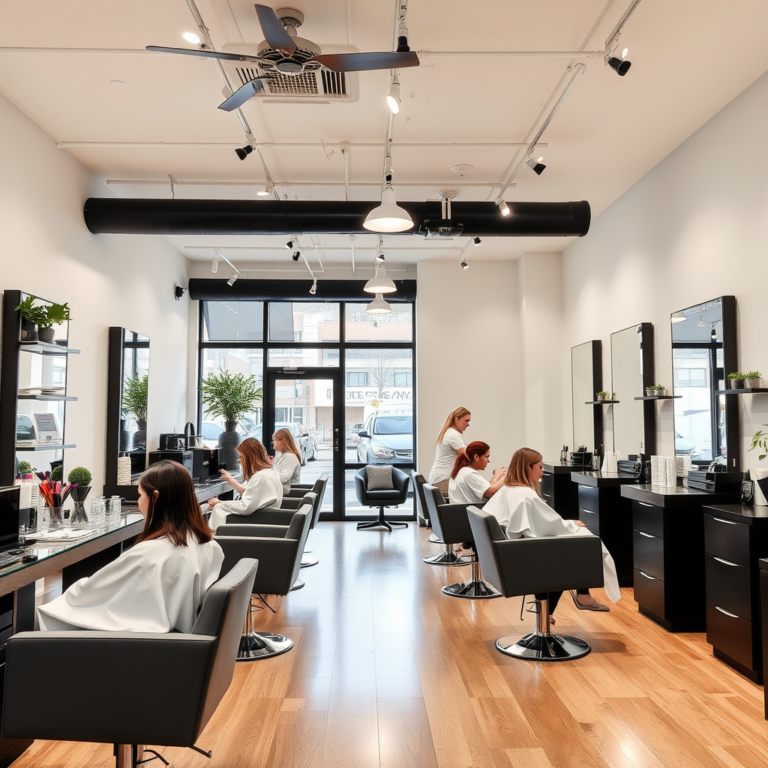
Professional permanent hair dyes, typically used in salons, offer a wider range of shades and better formulation for hair health. These dyes are mixed fresh before application and often contain conditioning agents that reduce damage during the coloring process.
Salons can tailor the strength of peroxide and ammonia levels based on hair type and desired results, providing customized outcomes. Clients benefit from professional application techniques that minimize uneven coloring and maximize color longevity.
At-Home Permanent Hair Dye Kits
At-home permanent hair color kits provide easy access to long-lasting hair dyes without visiting a salon. These kits usually include developer, colorant, gloves, and instructions that simplify application for everyday users.
While convenient, at-home dyes may have fewer shade options and less precision in mixing compared to professional products. Users should follow instructions carefully to avoid unwanted results or excessive hair damage.
Applying Permanent Hair Dye Safely and Effectively

Preparing Your Hair for Permanent Dye
Before applying permanent hair dye, hair should be clean but not freshly shampooed, as natural oils help protect the scalp. Perform a patch test 48 hours prior to check for allergic reactions, especially if using a new brand.
Section your hair properly and have all tools ready. Applying dye to damaged or overly porous hair might result in uneven absorption, so consider conditioning treatments beforehand for optimal results.
- Clean hair without heavy product buildup
- Patch test 48 hours in advance
- Section hair into manageable parts
- Avoid very damaged hair if possible
For more on this, see our related guide: How to Do a Root Smudge for Seamless Hair Color Blending.
Applying and Processing Time
Permanent hair dye typically requires staying on the hair for 30 to 45 minutes depending on the manufacturer's instructions and desired effect. It is important to distribute the dye evenly from roots to ends to avoid patchiness.
Use gloves to protect your hands, and avoid scalp irritation by applying the dye carefully. After the processing time, rinse thoroughly with lukewarm water until runoff is clear, then apply a color-safe conditioner to lock in moisture.
- Wear gloves
- Apply dye evenly
- Leave on for recommended time
- Rinse with lukewarm water
- Use color-safe conditioner
Benefits and Drawbacks of Permanent Hair Dye

Advantages of Permanent Hair Color
Permanent hair dye offers long-lasting color that resists multiple washes, making it ideal for those wanting a significant change or to cover gray hair permanently. The range of available shades includes natural tones and fashion colors, providing versatility.
Additionally, permanent color can add shine and a uniform look to hair, and with proper maintenance, the color lasts for weeks without fading dramatically.
- Long-lasting vibrant color
- Effective gray coverage
- Wide shade variety
- Adds shine and uniform appearance
Potential Downsides of Permanent Hair Dye
Because permanent dye involves strong chemicals, it can lead to hair dryness or damage, especially when frequently used. Some people experience scalp irritation or allergic reactions without proper patch tests.
Furthermore, roots will need regular touch-ups as new hair grows, and the color can fade unevenly if exposed to sun or harsh shampoos.
- Potential hair damage
- Possible scalp irritation
- Requires frequent root touch-ups
- Color fading from exposure
Permanent Hair Dye Versus Other Hair Color Types

Semi-Permanent Hair Dye Characteristics
Semi-permanent hair dyes coat the hair surface without penetrating the cortex fully. This makes them gentler on the hair, with no ammonia or peroxide required, but their color washes out after about 8 to 12 shampoos.
They are ideal for subtle color boosts or experimenting with color without a long-term commitment but don’t provide gray coverage.
For more on this, see our related guide: How to Choose the Best Hair Services in Salon for Your Style Needs.
Temporary Hair Dye Features
Temporary hair dyes typically use pigment-based formulas that sit on the hair surface and wash out after one or two shampoos. These products are perfect for short-term style changes or costume looks but have no lasting effect.
They do not alter the hair structure or require chemical processing, making them safe for all hair types with zero damage risk.
Choosing the Best Permanent Hair Color for Your Needs
Consider Your Hair Type and Condition
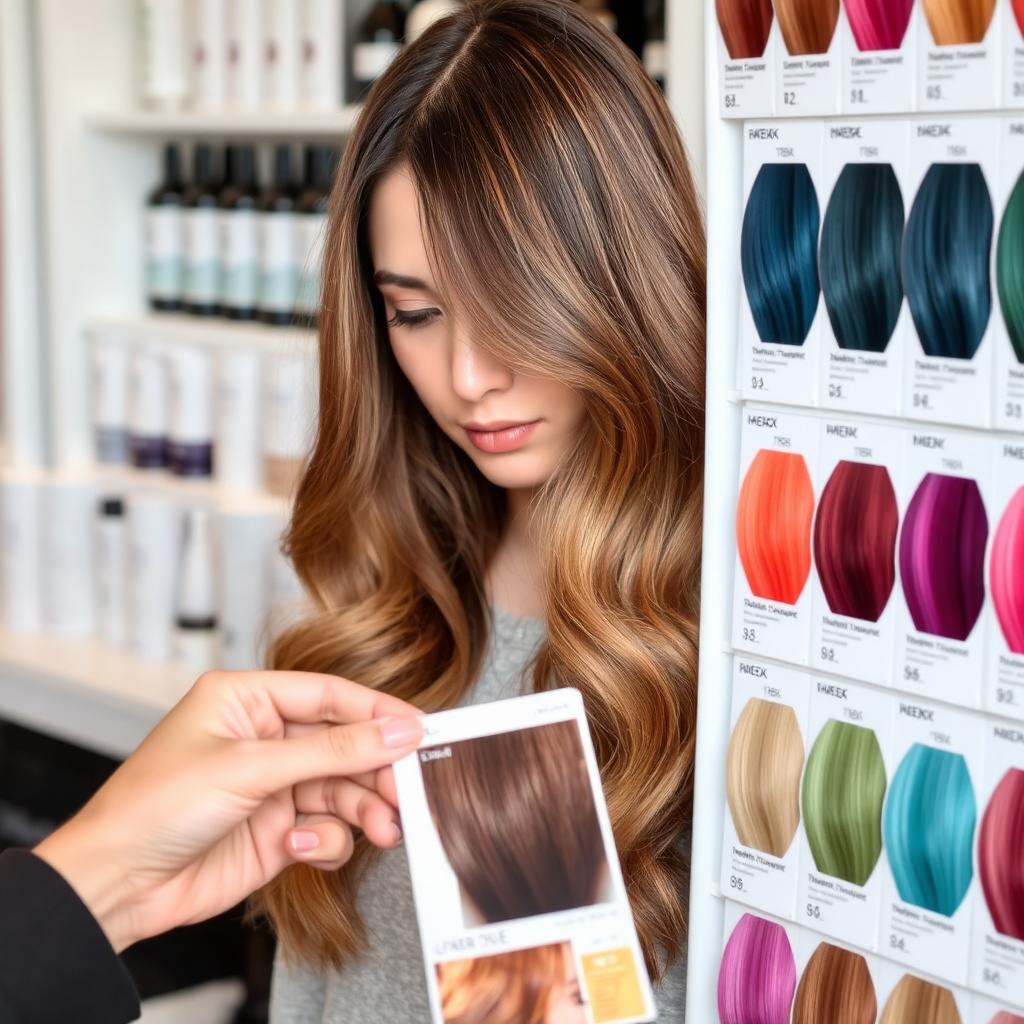
Knowing your hair’s strength and porosity helps determine the best permanent hair color to minimize damage while achieving desired results. Dry or damaged hair may require gentler formulas or lower developer volumes.
Consulting product labels and professional advice can help match your hair needs with specific permanent dye formulations.
For more scientific insights on hair coloring, you can explore the hair coloring article on Wikipedia. hair coloring on Wikipedia.
Match Your Desired Color and Maintenance Commitment
Darker shades generally require less frequent touch-ups compared to vibrant or lightened colors. Choose permanent hair dye shades aligning with your lifestyle and willingness to maintain root regrowth.
Some formulas offer added conditioning benefits or are designed for gray coverage, adding convenience if these features are important to you.
Permanent Hair Dye Types Comparison
This table highlights key differences among popular permanent hair dye categories to help you decide which suits your hair goals.
| Category | Chemical Components | Color Longevity | Damage Risk | Ideal Use Case |
|---|---|---|---|---|
| Professional Permanent Dye | Ammonia, peroxide, advanced pigments | 8+ weeks | Moderate (with professional care) | Customized vibrant and gray coverage |
| At-Home Permanent Kits | Ammonia, peroxide, standard pigments | 6-8 weeks | Moderate to high if misused | Convenient self-application for basic colors |
| Ammonia-Free Permanent Dye | Alternative alkalis, peroxide | 6-7 weeks | Lower than traditional dyes | Sensitive scalp and gentler color change |
| Vegetable-Based Permanent Dye | Natural pigments, mild oxidizers | 5-6 weeks | Low | Mild coloring, less dramatic changes |
Frequently Asked Questions
How long does permanent hair dye typically last?
Permanent hair dye usually lasts between 6 to 8 weeks, maintaining vibrant color until new hair growth appears. The exact duration depends on hair care and exposure to sun or harsh shampoos.
Can permanent hair dye damage my hair?
Yes, permanent hair dye can cause dryness or damage because of chemical ingredients like ammonia and peroxide. Using conditioning treatments and professional application can reduce this risk.
Is ammonia-free permanent dye as effective as regular permanent dye?
Ammonia-free permanent dyes provide durable color while being gentler on the hair and scalp, but they may require longer processing times and sometimes yield less lift on natural hair color.
Do I need to do a patch test before using permanent hair dye?
Performing a patch test 48 hours before dyeing is recommended to check for allergic reactions, especially when using new products or brands.
How often should I touch up roots with permanent hair dye?
Root touch-ups are generally needed every 4 to 6 weeks to maintain consistent color as new hair grows and the natural shade becomes visible.
Key Takeaways
- Permanent hair dye alters hair structure for long-lasting color.
- Ammonia and peroxide are key chemicals enabling permanent dye.
- Professional and at-home permanent dyes differ in formulation and results.
- Proper application and maintenance minimize damage and fading.
Conclusion
When deciding on what type of hair dye is permanent for your needs, it is essential to weigh the chemical nature and long-lasting effects of these dyes. Permanent hair color works by changing the internal hair structure, delivering bold and enduring shades but also requiring careful application and maintenance. Understanding the role of chemicals like ammonia and peroxide will help you choose products that balance desired color intensity with hair health considerations.
For individuals aiming for professional-level results and customization, salon-applied permanent hair dyes provide optimal shade variety and aftercare options. Conversely, at-home permanent kits offer convenience and cost-effectiveness for basic color changes. If scalp sensitivity or hair damage concerns exist, ammonia-free permanent options can serve as gentler alternatives while still delivering durability. Remember to assess your hair type, target shade, and maintenance commitment before selecting a permanent hair dye.
The next step is to select a permanent hair color suited to your preferences, prepare your hair properly, and follow safety guidelines such as patch testing and timely root touch-ups. Consistent use of color-safe shampoos and conditioners will extend the vibrancy of your permanent dye. For detailed chemical information and additional hair care advice, you might find it useful to consult resources about hair structure and coloration chemistry.