What Type of Hair Extensions Are the Least Damaging? A Practical Guide
When it comes to choosing hair extensions that minimize damage, tape-in and clip-in hair extensions are generally recognized as the least damaging types. These options avoid harsh glue or heat-based application methods and distribute weight more evenly, reducing stress on your natural hair.
Minimizing hair damage is essential because many extension types apply tension or chemicals that weaken your strands and scalp, leading to breakage or hair loss. Using gentle application methods like tape-ins or clip-ins helps preserve your hair's health while still providing added length and volume.
This article will explore the different types of hair extensions available, comparing their potential impacts on hair integrity. We will cover application methods, maintenance, and help you decide which extensions are safest for your hair type and lifestyle.
Common Hair Extension Types and Their Impact

Tape-In Hair Extensions
Tape-in hair extensions use thin adhesive strips to attach wefts of hair to your natural strands. They lie flat against the scalp, which reduces pulling and tangling, making them less damaging than some other permanent options.
Because tape-ins are lightweight and reusable, they cause minimal scalp stress. Proper professional application and removal are key to prevent damage and ensure your natural hair stays healthy.
- Lightweight and flat against the scalp
- Reusable with proper care
- Semi-permanent, lasting 6 to 8 weeks
Clip-In Hair Extensions
Clip-in hair extensions are the least invasive option since they are attached temporarily with small clips and removed daily. They don’t use glue or heat, so they don’t damage hair follicles or shafts.
This type allows full control over when and how long the hair is worn, reducing strain over time. Clip-ins are ideal for occasional use or special occasions without commitment.
- No adhesives or heat
- Can be removed easily daily
- Suitable for short-term wear
Extensions That Can Cause More Damage

Bonded or Fusion Extensions
Fusion or bonded extensions attach strands individually using keratin glue heated to bond to natural hair. This method can cause hair breakage if applied or removed improperly due to heat exposure and strong adhesives.
Despite a natural look and long-lasting wear (3-4 months), they require expert handling and careful maintenance to reduce damage risk.
- Uses heat and keratin glue
- Risk of breakage if mishandled
- Lasts 3-4 months
Sew-In or Weave Extensions
Sew-in extensions involve braiding your natural hair tightly and sewing wefts onto the braids. While this causes less chemical damage, improper tension can lead to traction alopecia, a scalp condition from pulling too tightly.
They are popular for thick hair but require regular upkeep and vigilance to avoid scalp strain.
- No adhesives used
- Requires tight braids
- Risk of tension-related hair loss
Factors Affecting Hair Damage from Extensions

Weight and Placement
Heavier extensions place more stress on hair follicles and shafts, increasing breakage risk. Extensions placed too close to the scalp or in weak hair sections worsen damage.
Distributing weight evenly and selecting lighter extensions help minimize strain on your natural hair roots.
- Avoid heavy or thick wefts
- Place extensions in healthy hair areas
- Spread weight across multiple sections
For more on this, see our related guide: What Type of Hair Extensions Are Best for Short Hair: A Detailed Guide.
Application and Removal Techniques
Poor application by inexperienced stylists can cause tangling, improper bonding, and scalp irritation leading to damage. Similarly, rough or rushed removal may pull on natural hair, causing breakage.
Professional application and gentle removal extend the life of your extensions and protect your hair.
- Seek certified extension specialists
- Use protective detangling methods when removing
- Avoid DIY permanent applications
Caring for Hair Extensions to Prevent Damage

Daily Hair Care Routine
Using sulfate-free shampoos and conditioners formulated for extensions preserves the adhesive strips and prevents dryness. Brushing with a soft-bristle or loop brush helps avoid pulling on bonds or clips.
Keeping your natural hair and extensions moisturized and detangled reduces the risk of matting and breakage.
- Use gentle, extension-safe hair products
- Brush carefully starting from ends
- Avoid heavy oils near bonds or tape
Professional Maintenance and Touch-Ups
Scheduling regular salon visits to reposition or replace extensions prevents matting and scalp irritation. It also allows early detection of any damage or hair weakening around attachment points.
Following recommended timelines for touch-ups based on extension type optimizes hair health.
- Plan maintenance appointments every 6–8 weeks
- Attend stylist check-ups for scalp health
- Replace extensions promptly as needed
Choosing the Best Hair Extensions for Your Hair Type

Extensions for Fine or Thin Hair
Lightweight tape-in or clip-in extensions suit fine or thin hair best because they reduce weight and tension on delicate strands. Avoid heavy bonded or sewn-in types that pull excessively.
Opt for natural hair textures that blend seamlessly to avoid extra styling that might stress your hair.
- Prefer tape-in or clip-in options
- Match extension texture closely
- Avoid heavy or bulky styles
For more on this, see our related guide: How to Style a High Bun: Easy and Chic Updo Techniques.
Extensions for Thick or Curly Hair
Sew-in extensions or certain types of tape-ins work well with the weight and volume of thick or curly hair. These methods provide strong hold without slipping in dense hair.
Choose extensions that maintain curl pattern compatibility to reduce styling damage and blending issues.
- Consider sew-in or tape-in extensions
- Maintain consistent curl or wave patterns
- Use heavier wefts cautiously
Budget and Longevity Considerations
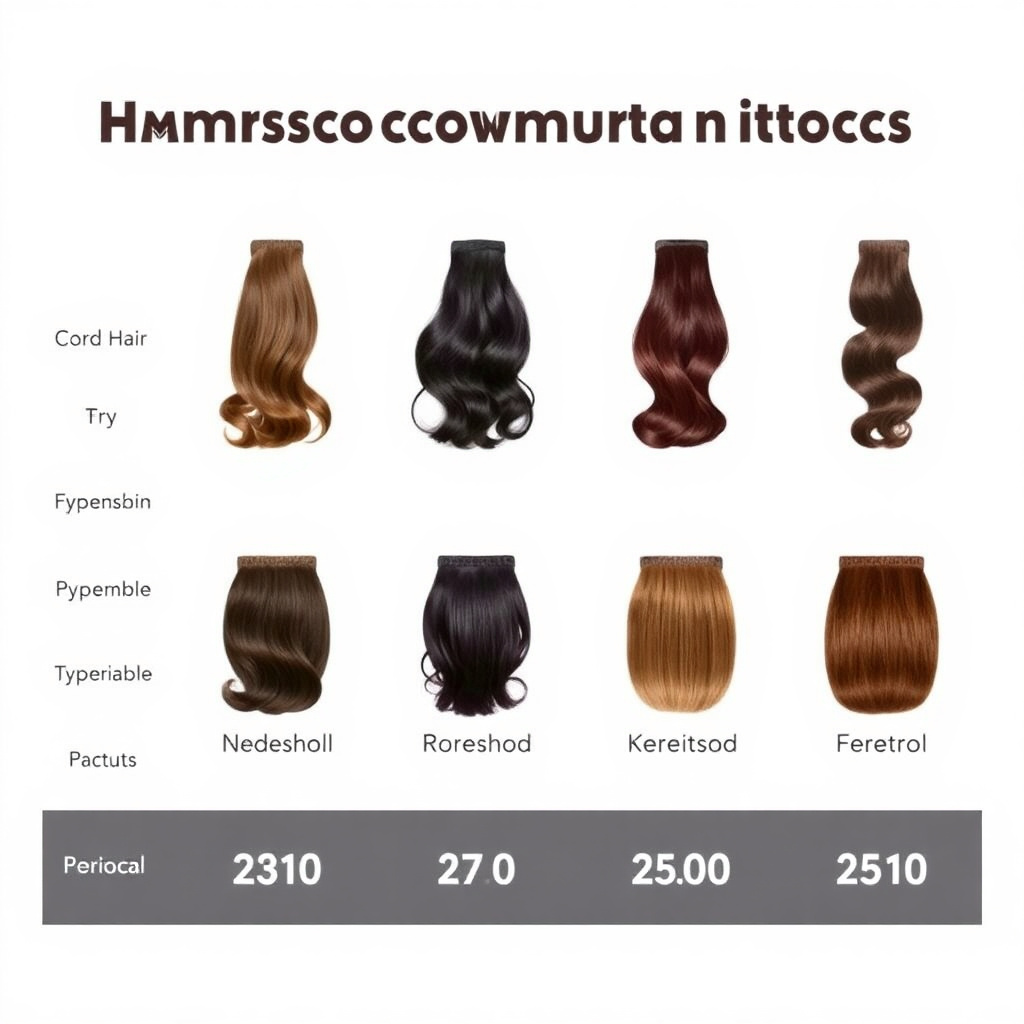
Initial Cost Compared to Lifespan
Clip-in extensions are usually most affordable upfront but require frequent replacement if used daily. Fusion and sewn-in extensions have higher initial costs but last longer when properly maintained.
Balancing cost with durability helps decide which type suits your financial and styling commitments.
- Clip-ins: low cost, short lifespan
- Tape-ins: moderate cost, mid-range lifespan
- Fusion: high cost, long lifespan
For detailed information on hair extension techniques and their effects, see this comprehensive resource on hair extensions. Hair extension methods and impact.
Value of Investing in Healthier Options
Choosing extensions that cause minimal damage may involve higher upfront prices but save costs later by avoiding hair repair treatments and premature hair loss.
Reliable, gentle extensions offer better return by preserving both style and hair health over time.
- Consider long-term hair health expenses
- Choose quality over cheapest price
- Factor in professional maintenance costs
Comparison of Popular Hair Extension Types and Their Damage Potential
The table below summarizes key attributes of common hair extension types, highlighting their damage risk, cost, lifespan, and suitability.
| Extension Type | Damage Risk | Typical Lifespan | Cost Range | Best For |
|---|---|---|---|---|
| Clip-In | Very Low | Up to 6 months (with occasional use) | Low | Short-term or occasional use, fine hair |
| Tape-In | Low | 6-8 weeks | Moderate | Semi-permanent style, thin to medium hair |
| Fusion/Bonded | Moderate to High | 3-4 months | High | Long-lasting style, thick hair |
| Sew-In/Weave | Moderate | 6-8 weeks | Moderate | Thick or curly hair, protective styles |
| Micro-Link | Moderate | 2-3 months | Moderate | Medium to thick hair, reusable extensions |
Frequently Asked Questions
Are clip-in extensions really damage-free?
Clip-in extensions cause minimal damage because they don’t involve heat or glue and are removed daily, allowing your hair to rest and reducing strain.
Can tape-in extensions cause hair loss?
Tape-in extensions, when applied properly and cared for, rarely cause hair loss. Poor application or leaving them too long can cause tension and damage.
How often should I remove and reapply semi-permanent extensions?
Semi-permanent extensions like tape-ins should typically be removed and reapplied every 6 to 8 weeks to prevent damage and maintain hair health.
What hair types are fusion extensions best suited for?
Fusion extensions work best for thick, healthy hair due to the added weight and heat application during installation.
How can I minimize damage with sewn-in extensions?
To minimize damage with sewn-in extensions, avoid tight braiding that strains the scalp and schedule regular breaks between installations.
Key Takeaways
- Tape-in and clip-in extensions are generally the least damaging types.
- Proper application and removal by professionals reduce hair damage.
- Heavy and heat-applied extensions carry higher risks of breakage.
- Caring and maintenance routines help preserve extension and natural hair health.
Conclusion
Selecting the right type of hair extensions to minimize damage involves balancing factors like application method, hair type, and maintenance habits. Tape-in and clip-in extensions are often best for preserving your natural hair’s health since they avoid harsh adhesives and heat. Understanding the specific pros and cons of each extension method can help you make an informed choice aligned with your hair's needs.
If your hair is fine or thin, light tape-in or clip-in extensions offer added length without excessive stress. For those with thicker or curlier hair, sew-in extensions or certain tape-ins provide a sturdy hold with less damage risk. Avoid fusion or bonded extensions if your hair is fragile or prone to breakage, since these require heat and strong adhesive and are riskier for delicate strands.
Before committing to any extension type, consulting with a certified stylist experienced in healthy extension application is recommended. Starting with clip-in extensions can also be a good way to experiment without damage risk. Ultimately, gentle application and attentive maintenance are key to enjoying beautiful extensions while keeping your hair strong and resilient.




One Comment