What Type of Locs Are Best for Short Hair: A Complete Guide
For those with short hair wondering what type of locs work best, traditional two-strand twists and starter locs, such as palm rolls or coil locs, are excellent choices. They are manageable, create neat sections, and allow for gradual growth without requiring long strands from the start. These methods can give a clean and polished look even at shorter lengths.
Choosing the right loc style matters because short hair often struggles with maintaining neatness and preventing unraveling. The best locs for short hair help to lock the strands firmly while minimizing breakage. They also suit different hair textures and complement your natural curl pattern, making your hairstyle both functional and fashionable.
This article will explore various types of locs that suit short hair, explaining how each method works for different hair types, the upkeep involved, and aesthetic benefits. You'll also learn about starting locs on short strands, product recommendations, and styling ideas tailored for short locs.
Popular Types of Locs Suitable for Short Hair

Two-Strand Twists for Short Hair
Two-strand twists are one of the most beginner-friendly loc styles ideal for short hair. They involve dividing small sections of hair into two and twisting them tightly around each other from root to tip. This style keeps strands secure and encourages healthy loc formation with minimal manipulation.
They work well across different hair textures and can later be palm-rolled or twisted further to lock the strands fully. Maintenance is relatively easy, requiring periodic retwisting and moisturizing to prevent dryness and unraveling.
- Tight twisting minimizes unraveling
- Suitable for natural and relaxed hair
- Easy retwisting routine
Starter Locs: Palm Roll and Coil Locs
Palm rolling involves rolling the hair between the palms to shape and tighten locs. This technique works well on short hair by shaping the coils and keeping the strands compressed, helping locs mature while maintaining a smooth appearance.
Coil locs use a comb coil method where small sections of hair are coiled tightly with a comb to form spiral-shaped locs. This style is especially effective on short, tightly curled hair textures, offering a visually neat look and promoting quicker locking.
- Palm rolls enhance loc shape during growth
- Coil locs provide compact, curly appearance
- Low to moderate maintenance for shaping
Hair Texture and Its Role in Choosing Locs for Short Hair
Handling Coarse and Curly Hair Textures
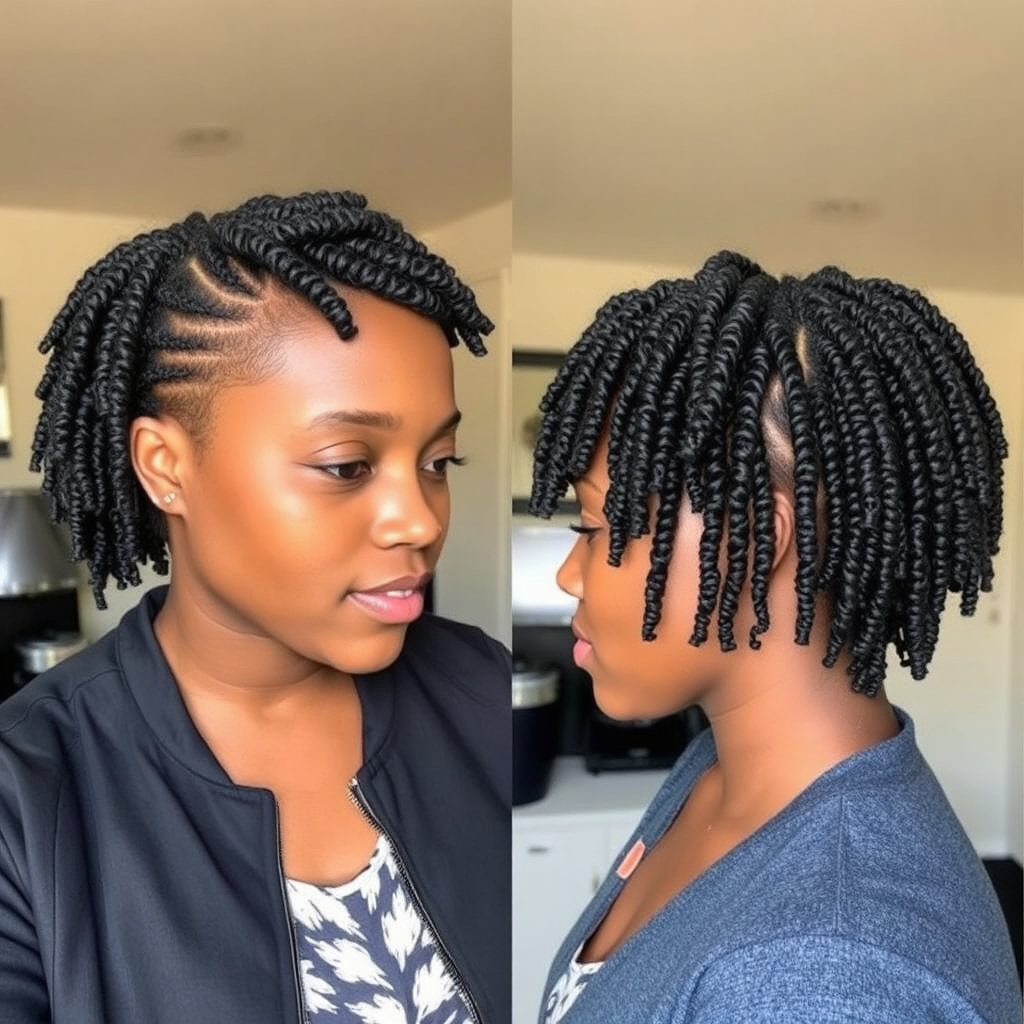
Coarse and tightly curled hair textures naturally lock faster due to the curl pattern forming knots easily. For short hair with this texture, two-strand twists, coil locs, or the comb coil method are excellent since they use the hair's natural pattern to form neat locs.
These textures also benefit from moisture retention and gentle manipulation to prevent breakage during the locking process. Using lightweight oils or butter-based moisturizers helps maintain shine and elasticity without weighing down the hair.
- Natural curl enhances locking
- Regular moisturizing prevents dryness
- Avoid heavy products for short hair
Fine or Straight Hair Considerations
Fine or straighter hair textures can pose challenges for locking, especially with short hair, as the strands may slip more easily. Two-strand twists with tight twisting or interlocking methods help trap and hold the hair better to initiate loc formation.
Additional care involves gentle washing routines and applying light gels or setting sprays to maintain the style and reduce frizz. These methods also support quicker lockdown and prevent unraveling for fine short hair.
- Use tight twisting to reduce slippage
- Light styling products improve hold
- Avoid frequent washing to maintain loc integrity
Maintenance Tips for Short Locs

Retwisting and Washing Routine
Maintaining short locs requires a regular retwisting routine every 4 to 6 weeks to keep the roots tight and prevent new hair from matting unevenly. Using a residue-free shampoo suitable for locs helps keep the scalp clean without buildup.
Washing short locs too frequently can cause dryness and slow loc maturation, so spacing washes and moisturizing appropriately supports scalp health and strengthens hair during early formation stages.
- Retwist every 4-6 weeks
- Use residue-free shampoo
- Moisturize after washing
For more on this, see our related guide: What Type of Bonnet Is Best for Natural Hair: Expert Recommendations.
Preventing Breakage and Frizz
Applying light oils like jojoba or argan oil helps keep the hair pliable and reduces the risk of breakage. Using satin or silk scarves and pillowcases protects short locs from friction that causes frizz and damage, especially overnight.
Avoid excessive manipulation or harsh combing to preserve the locs’ form. Regular maintenance with proper hydration keeps short locs looking neat and healthy.
- Apply light natural oils regularly
- Sleep on satin or silk materials
- Minimize manipulation and combing
Styling Short Locs for Versatility and Flair

Updos and Protective Styles
Short locs can be styled into elegant updos by twisting or pinning locs closer to the scalp to create neat patterns or buns. Protective styling reduces daily wear on locs and promotes healthy growth.
Using accessories such as beads, cuffs, or bands enhances visual interest, especially on short loc lengths where texture stands out. These styles offer a polished look suitable for work or formal occasions.
- Twist and pin for updos
- Add beads and cuffs
- Protective styling extends loc life
Color and Parting Techniques
Adding subtle color highlights or choosing varied parting patterns can elevate short loc styles without compromising hair health. Temporary dyes or henna are preferred when experimenting on short hair to avoid damage.
Parting can be done in straight, zigzag, or creative geometric patterns to customize the loc arrangement, showcasing personal style and making short locs stand out uniquely.
- Use temporary color options
- Experiment with creative parting
- Consult professionals for coloring
Choosing the Best Products for Short Locs

Moisturizers and Oils
Lightweight natural oils like jojoba, coconut, and argan work best on short locs to maintain moisture balance without buildup. Water-based moisturizers with hydrating ingredients help keep locs soft during early formation stages.
Avoid heavy creams or waxes that can cause residue, weighing down short locs and attracting dirt. Consistent moisturizing contributes to healthy loc development and a polished look.
- Use lightweight oils
- Apply water-based moisturizers
- Avoid heavy waxes and creams
For more on this, see our related guide: How to Style a High Ponytail: Easy Tips for a Sleek and Chic Look.
Cleansers and Scalp Care
Residue-free shampoos and clarifying cleansers prevent product buildup that could inhibit loc growth. Scalp treatments with tea tree oil or peppermint soothe and maintain scalp health, which supports loc strength.
Using gentle shampoos formulated for locs ensures hair cleanliness without stripping moisture, a balance needed especially for short locs still in the locking phase.
- Choose residue-free shampoos
- Use scalp soothing treatments
- Wash locs gently and infrequently
Professional vs DIY Loc Installation for Short Hair
Benefits of Professional Loc Installation
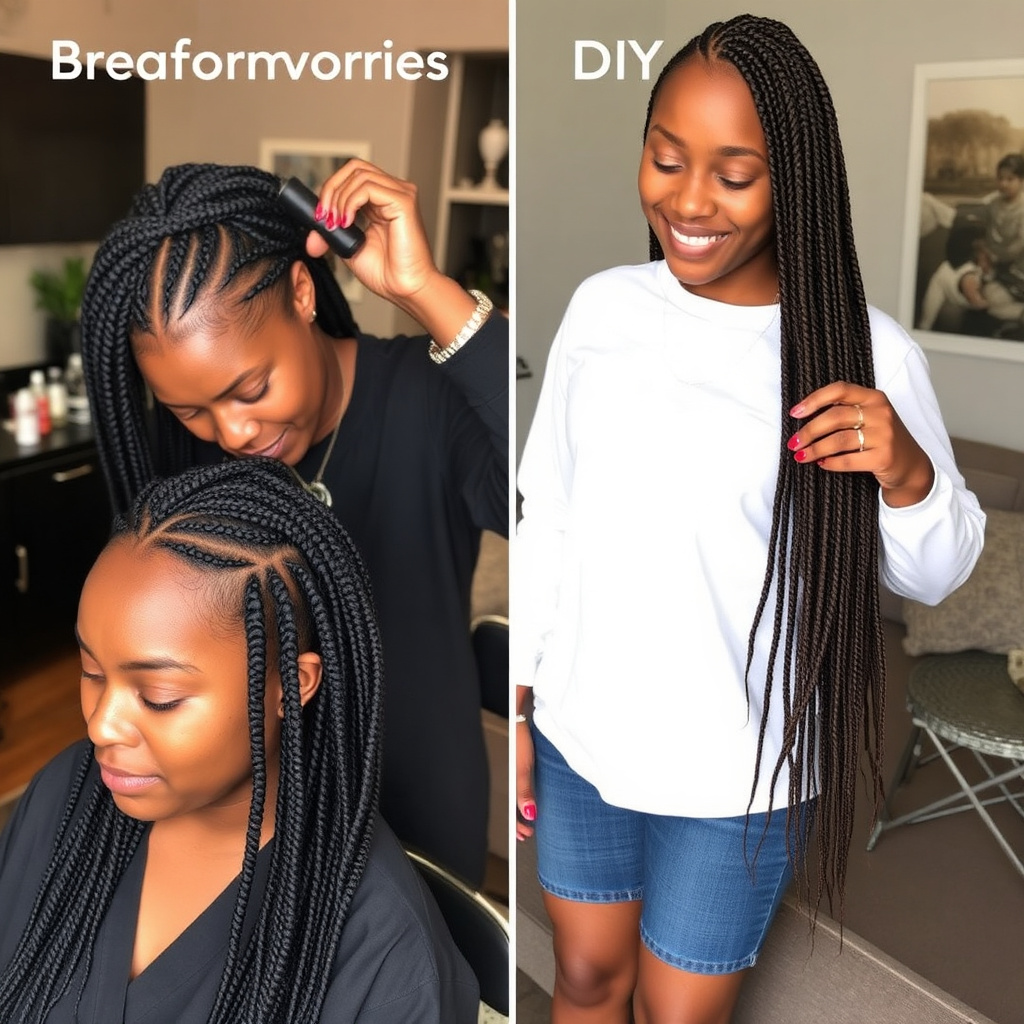
Professional loc stylists bring expertise in sectioning, twisting, and starting locs that maximize neatness and durability, especially for short hair. They can customize loc size and style based on hair texture and face shape.
Their experience reduces the risk of improper technique that leads to premature unraveling or breakage. A salon setting often provides more thorough cleansing and conditioning treatments as well.
- Customized sectioning and style
- Proper technique reduces damage
- Access to professional products and tools
For more information on loc hairstyles and their history, refer to the loc hairstyle details on Wikipedia. Loc hairstyle details on Wikipedia.
Advantages of DIY Loc Methods
Doing loc installation at home is cost-effective and allows for control over timing and product choices. Many short hair loc methods, like two-strand twists immediately locking, are beginner-friendly and can be maintained with practice.
DIY also encourages learning about hair care routines and can be a personal bonding experience with one’s hair. However, careful attention to technique is needed to avoid uneven loc formation.
- Cost-effective and convenient
- Complete control over products
- Learning opportunity for hair care
Comparison of Loc Types for Short Hair
The table below contrasts popular loc types for short hair, highlighting their maintenance, appearance, and suitability for various hair textures.
| Loc Type | Best Hair Texture | Maintenance Level | Initial Appearance | Durability |
|---|---|---|---|---|
| Two-Strand Twists | All, especially coarse and curly | Low to Moderate | Neat, twisted look | Good with regular retwisting |
| Palm Roll Locs | Coarse and curly | Moderate | Smooth, cylindrical locs | Strong with consistent rolling |
| Coil Locs | Tightly curled, kinky | Moderate | Compact spiral curls | Durable with proper care |
| Interlocking | Fine or straight | High | Tight, firm locs | Very durable, slows unraveling |
| Comb Coils | Curly or coily | Moderate | Small, neat coils | Good durability with care |
Frequently Asked Questions
Can short hair really grow locs effectively?
Yes, short hair can form locs effectively using methods like two-strand twists or coil locs that work with shorter strands. Patience and consistent maintenance help locs mature well even from short beginnings.
How often should I retwist short locs?
Retwisting every 4 to 6 weeks is generally recommended for short locs. This period helps keep the roots tidy without over-manipulating, which can cause breakage or thinning.
Are heavy products bad for short locs?
Heavy waxes or creams can cause buildup and weigh down short locs, leading to dryness and difficulty locking. Light oils and water-based moisturizers are better choices to avoid residue.
Is it better to have a professional start my short locs?
Professional installation can provide neat, customized locs and reduce damage risk, but many people successfully start short locs at home using proven methods with careful technique.
Can I style short locs in different ways?
Absolutely. Short locs can be styled in updos, accessorized with beads and cuffs, or parted creatively for unique looks while protecting the hair from damage.
Key Takeaways
- Two-strand twists and coil locs work best for short hair locking
- Hair texture guides the choice of suitable loc method
- Consistent moisturizing and gentle retwisting promote healthy locs
- Styling options for short locs include updos and creative parting
Conclusion
Selecting the best type of locs for short hair involves evaluating your hair texture, lifestyle, and maintenance preferences. Two-strand twists are excellent for most hair types and are manageable for beginners. Coil and palm roll locs offer benefits for curly or coarse textures. Whichever method you choose, consistent care and avoidance of heavy products are key to nurturing healthy locs that mature well over time.
For those with tightly curled or coarse hair, coil locs or palm rolling offer natural-looking, durable locs that embrace your hair’s texture. On the other hand, fine or straighter short hair benefits from tighter methods like interlocking or two-strand twists to prevent slippage. Regular moisturizing with light oils supports loc growth and helps maintain neatness. You might also consider professional help if you desire a precise starting pattern or reduced risk of damage.
Starting locs on short hair is an exciting journey that requires patience and attention. Try beginning with simple two-strand twists or coil locs, commit to a gentle care routine, and explore styling options like updos or accessories to express your unique style. Consulting trusted resources and professionals can further assist your loc journey.




One Comment