What Type of Protective Style Is Best for Short Hair? Expert Tips and Options
The best protective style for short hair depends on your hair texture, lifestyle, and maintenance preferences, but popular options include twists, finger coils, and low-manipulation styles like mini braids or wigs. These styles shield your hair from breakage, reduce daily handling, and lock in moisture to help short hair thrive.
Short hair needs as much protection as longer hair to avoid damage and encourage growth, particularly when styling involves regular heat or chemical treatment. Protective styling reduces friction and stress on fragile ends while keeping your scalp healthy, which is vital when your hair length limits styling versatility.
This article explores several effective protective styles tailored for short hair, breaking down the pros and cons of each while explaining how to maintain them properly. Whether you want a quick style or a longer-lasting option, you’ll find insights to help select the perfect protective hairstyle for your short hair.
Understanding Protective Styles for Short Hair

What Makes a Style Protective for Short Hair
A protective style minimizes daily wear and tear by reducing manipulation, environmental exposure, and stress on the hair strands and scalp. For short hair, styles that tuck ends away or limit friction are most beneficial, preventing breakage and split ends.
Unlike styles for longer hair, those for short hair must also consider the limited length for securing braids or twists, often requiring looser patterns or alternatives such as wigs or headwraps to provide protection without tension.
- Reduces manipulation
- Tucks ends safely
- Limits friction
- Maintains moisture
How Short Hair Differs in Protective Styling Needs
Short hair tends to be more prone to drying out because the natural oils from the scalp have less distance to travel. Protective styles that lock in moisture without heavy buildup are essential to keep short hair healthy.
Additionally, short hair has limited length to work with, so the styles should avoid excessive tension or intricate braiding patterns that could cause damage or scalp discomfort.
Best Protective Styles for Short Hair
Two-Strand Twists and Finger Coils
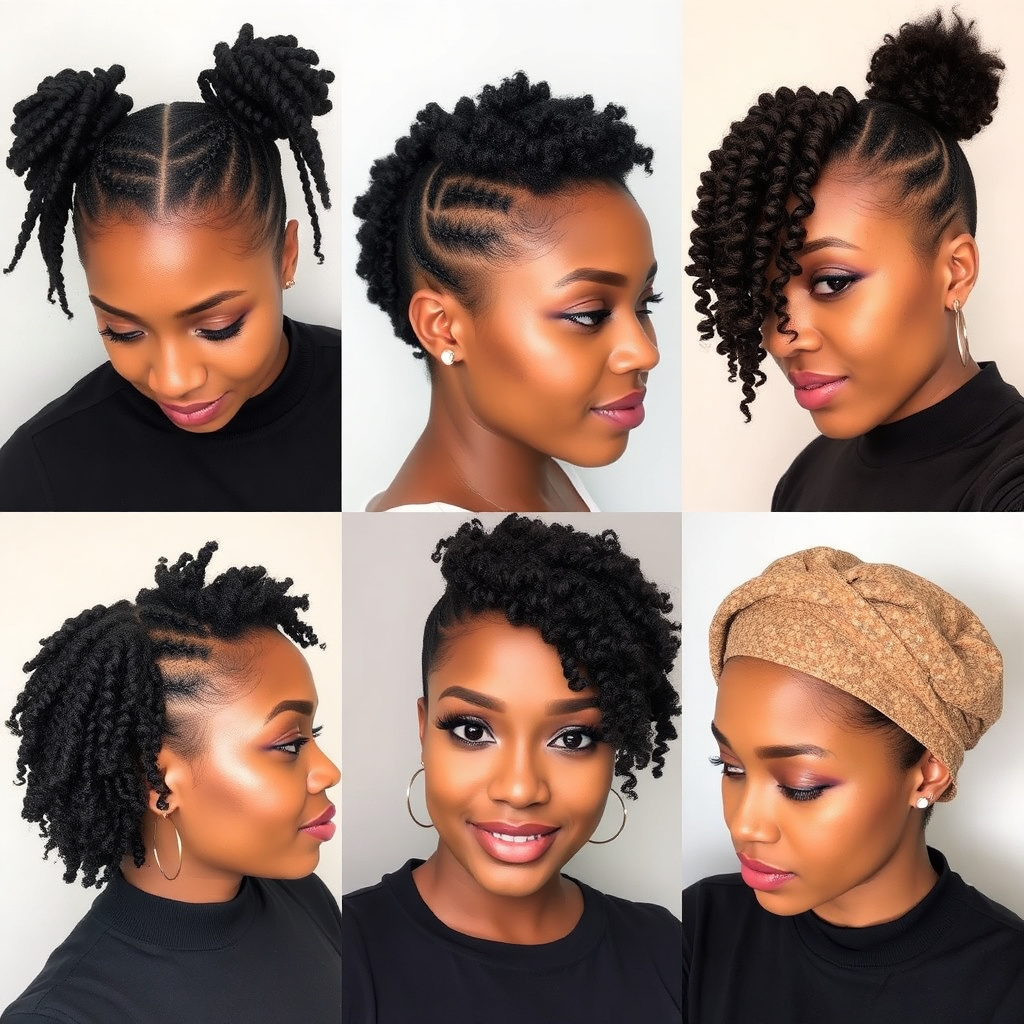
Two-strand twists and finger coils are excellent choices for protective styling short hair because they shield strands while being easy to maintain. They also promote curl definition and help retain moisture when twisted tightly enough.
These styles can be worn for several days to weeks, depending on your hair type and how often you moisturize, making them practical and versatile protective hairstyles for natural hair.
- Simple to do at home
- Enhance curl pattern
- Low tension on scalp
- Can last 1-3 weeks
For more on this, see our related guide: What Type of Braiding Hair is Best for Box Braids: A Definitive Guide.
Mini Braids and Cornrows
Mini braids and cornrows offer longer-lasting protection by keeping hair tightly secured and protected from environmental factors. For short hair, these styles should be loose enough to prevent breakage but neat enough to keep ends tucked in.
Because these braids can last several weeks, they reduce daily manipulation, which is helpful for retaining length and allowing the scalp to rest.
- Long-lasting
- Neat appearance
- Requires professional or careful handling
- Good for length retention
Using Wigs and Headwraps as Protective Styles

Wigs for Short Hair Protection
Wigs provide an excellent protective style especially suitable for short hair, since they completely cover the hair and reduce exposure to harsh weather and daily manipulation. They also offer versatility in appearance without real damage to the hair.
To protect short hair with wigs, it's important to keep the hair moisturized and clean underneath and to avoid tight caps that can stress the edges.
- Complete coverage
- Styling versatility
- Protects from elements
- Needs scalp care
Headwraps and Scarves
Headwraps and scarves are simple, stylish ways to protect short hair, especially during sleep or outdoor activities. They help maintain moisture levels by creating a barrier against dry air and friction from pillowcases.
While inexpensive and easy to use, headwraps must be tied loosely enough to prevent hairline tension and refreshed frequently to maintain hygiene.
- Affordable
- Moisture retention
- Prevents friction
- Must avoid tight tying
Maintenance Tips for Protective Styles on Short Hair

Moisturizing and Scalp Care
Maintaining moisture is critical for short hair in protective styles. Use light leave-in conditioners or oils that won’t weigh down hair but keep it hydrated. Be sure to apply products directly to the scalp to prevent dryness and flaking.
A healthy scalp supports hair growth and prevents itchiness or irritation, which can cause breakage if scratched excessively.
- Use lightweight moisturizers
- Apply directly to scalp
- Avoid heavy buildup
- Massage scalp regularly
For more on this, see our related guide: The Best Haircut for Round Face Shapes: Styles That Flatter Your Features.
Proper Installation and Duration
Protective styles should not be kept too long, usually not exceeding 4-6 weeks, to prevent matting or product buildup, especially important with short hair. Installation should avoid excessive tension to protect hair follicles and edges.
Taking breaks between styles and gently detangling hair between protective periods helps maintain hair integrity over time.
- Limit style duration to 4-6 weeks
- Avoid tight braiding or twisting
- Take breaks between styles
- Gentle detangling
Common Mistakes to Avoid with Protective Styles on Short Hair

Too Much Tension and Overstyling
Applying too much tension when braiding or twisting short hair can cause breakage or traction alopecia. Overstyling and manipulating the hair daily defeats the purpose of protective styling by increasing damage.
It's important to prioritize comfort and hair health over tight or intricate styles to keep your hair strong and growing.
For a broader overview of protective hairstyles and their benefits, you can visit the Wikipedia page on protective hairstyles. protective hairstyles.
Neglecting Scalp Hygiene
Even with protective styles, scalp hygiene is essential to avoid buildup of sweat, oils, and dead skin that can cause irritation or infection. Skipping regular cleansing or washing will harm hair health and stall growth.
Use gentle shampoos or co-washing methods and ensure styles are not overly tight to allow sufficient scalp airflow.
Protective Styles for Short Hair Category Comparison
This table compares popular protective styles for short hair based on maintenance, duration, styling difficulty, and suitability.
| Style | Maintenance Level | Duration | Ease of Styling | Best For |
|---|---|---|---|---|
| Two-Strand Twists | Low | 1-3 weeks | Easy | Natural curl retention |
| Finger Coils | Low | 1-2 weeks | Easy | Defined curls, moisture retention |
| Mini Braids | Medium | 4-6 weeks | Moderate | Length retention, neat look |
| Cornrows | Medium | 3-6 weeks | Moderate | Scalp protection, versatility |
| Wigs | Medium | Varies | Easy to install | Complete coverage, styling versatility |
| Headwraps | Low | Daily use | Very easy | Moisture retention, quick protection |
Frequently Asked Questions
Can protective styles cause damage to short hair?
Protective styles can cause damage if installed too tightly or left in for too long, leading to breakage or traction alopecia. Proper installation and timely removal are key to safe protective styling for short hair.
How often should I moisturize my short hair in a protective style?
Moisturize your short hair every 2-3 days using light leave-in conditioners or oils to keep strands hydrated without buildup while in a protective style.
Is it okay to wash hair while in protective style?
Yes, washing is important to maintain scalp health. Use a gentle shampoo or co-wash method and avoid heavy scrubbing that might loosen the style.
Are wigs considered protective styles for short hair?
Yes, wigs are a protective style option because they shield hair from environmental damage and reduce manipulation, provided hair underneath is cared for properly.
How long can I keep a protective style on short hair?
Typically, protective styles on short hair should be kept no longer than 4-6 weeks to avoid buildup and matting, with regular care in between.
Key Takeaways
- Protective styles minimize damage and retain moisture in short hair.
- Twists, finger coils, mini braids, and wigs are excellent options for short hair.
- Maintenance includes moisturizing scalp, avoiding tension, and timely style removal.
- Headwraps offer easy, daily protection and moisture retention.
Conclusion
Choosing the best protective style for short hair revolves around balancing protection with comfort and ease of maintenance. Styles like two-strand twists, finger coils, mini braids, and wigs provide varying levels of protection while catering to different styling needs. Evaluating how long you can comfortably maintain a style and the condition of your hair and scalp helps in making a thoughtful decision.
For those wanting low-maintenance options that define natural texture, finger coils or twists work well. If you prefer longer-lasting styles, mini braids or cornrows offer neatness and encourage growth by reducing daily manipulation. Wigs are ideal for versatility and complete protection, especially when your hair needs a break from direct contact with elements. Additionally, headwraps serve as a simple yet effective way to protect hair during sleep or transitional periods between styles.
Ultimately, keep in mind that protective styles for short hair should always prioritize scalp health, moisture retention, and minimal tension. Starting with a style that fits your lifestyle and hair type, paired with consistent moisturizing and gentle care, will lead to healthier hair and length retention over time. Experiment with a few options to find the perfect protective style that feels good and supports your hair’s growth journey.



One Comment