What Type of Shampoo Is Best for Natural Hair: A Practical Guide
The best type of shampoo for natural hair is one that gently cleanses without stripping away essential oils, maintaining moisture and enhancing curl definition. Natural hair typically thrives with sulfate-free shampoos that avoid harsh detergents and instead focus on hydration and scalp health.
Choosing the right shampoo matters because natural hair tends to be drier and more fragile due to its curly or coily structure. Harsh shampoos can strip away protective oils, leading to breakage, frizz, and dullness. A proper shampoo supports your hair’s natural texture by moisturizing and protecting it during washing.
This article explores various shampoo ingredients, product types, and application methods suited for natural hair. You’ll learn about factors influencing your shampoo choice depending on hair porosity, curl pattern, and scalp type, along with comparisons of shampoo categories and answers to common natural hair shampoo questions.
Understanding Shampoo Ingredients for Natural Hair

Avoiding Sulfates and Harsh Detergents
Sulfates like sodium lauryl sulfate are powerful cleansing agents but can strip natural hair of moisture and oils. For natural hair, sulfate-free shampoos help retain the scalp’s natural oils, reducing dryness and irritation.
Choosing shampoos without harsh detergents preserves hair cuticles and reduces frizz. Look for mild cleansing agents such as cocamidopropyl betaine or decyl glucoside instead.
- Sulfate-free shampoos protect hair moisture
- Harsh detergents can cause scalp dryness
- Gentle surfactants promote healthier curls
Hydrating Ingredients to Look For
Natural hair benefits from shampoos that include hydrating ingredients like aloe vera, glycerin, and natural oils. These ingredients help maintain moisture balance and improve manageability.
Look for shampoos fortified with shea butter, coconut oil, or argan oil to nourish curls while cleansing gently.
- Aloe vera soothes the scalp
- Glycerin attracts moisture
- Natural oils add luster and softness
Types of Shampoos Suitable for Natural Hair

Moisturizing Shampoos
Moisturizing shampoos are designed specifically to replenish water content during washing. They are excellent for dry natural hair, helping reduce brittleness and enhance softness.
These shampoos often contain humectants and emollients to improve curl elasticity without weighing hair down.
- Ideal for dry, brittle natural hair
- Contain humectants like glycerin
- Help maintain curl bounce
Co-Washes and Cleansing Conditioners
Co-washes are cleansing conditioners that gently remove buildup without stripping oils, making them great for very dry or tightly coiled hair types.
They usually exclude detergents and rely on conditioning agents to clean and hydrate simultaneously, preventing over-washing.
- Gentle cleansing alternative
- Prevents dryness and irritation
- Ideal between shampoo days
How Hair Porosity Affects Shampoo Choice

Identifying Your Hair Porosity
Hair porosity refers to how well your hair absorbs and retains moisture. It influences how shampoos perform and what ingredients are most beneficial.
Low porosity hair has tightly closed cuticles making moisture absorption slower, while high porosity hair has gaps allowing quick moisture loss.
- Low porosity: hair feels smooth and resists moisture
- High porosity: hair dries quickly but loses moisture fast
- Medium porosity: balanced moisture absorption and retention
For more on this, see our related guide: How to Deep Condition High Porosity Hair for Maximum Moisture Retention.
Matching Shampoo to Porosity
For low porosity hair, lightweight shampoos with humectants and minimal oils prevent buildup. High porosity hair often needs richer moisturizing shampoos with oils and proteins to seal cuticles.
Medium porosity hair is more forgiving and can tolerate a range of shampoos but benefits from moderate hydration formulas.
Addressing Scalp Health with the Right Shampoo

Shampoos for Sensitive or Dry Scalps
Natural hair owners with dry or irritated scalps benefit from shampoos containing calming ingredients like chamomile, tea tree oil, or oatmeal extract.
These soothing components reduce itchiness and flaking while maintaining gentle cleansing.
- Chamomile calms inflammation
- Tea tree oil fights dandruff
- Oatmeal extract moisturizes scalp
Shampoos for Oily or Dandruff-Prone Scalps
If your scalp tends to get oily or develop dandruff, shampoos including zinc pyrithione or salicylic acid help control excess oil and reduce flaking.
Balancing scalp oiliness without drying out natural hair is key to maintaining healthy curls.
- Zinc pyrithione reduces dandruff
- Salicylic acid exfoliates scalp
- Formulated for oil control
Best Practices for Shampooing Natural Hair

How Often to Shampoo
Natural hair usually thrives with less frequent shampooing compared to straight hair to preserve moisture. Weekly or biweekly washing helps prevent over-drying and damage.
Adjust frequency based on activity, climate, and scalp condition for the best balance.
- Wash 1-2 times per week on average
- Increase frequency if scalp is oily
- Less frequent washing retains natural oils
For more on this, see our related guide: How to Do a Bun on Thin Hair: Easy Techniques for Fuller Styles.
Proper Shampoo Application Technique
Focus shampoo on the scalp rather than hair lengths to cleanse oils and buildup while avoiding excessive drying of strands. Use gentle finger massaging instead of harsh scrubbing.
Rinse thoroughly and follow with a conditioner to lock in moisture.
- Concentrate shampoo at scalp
- Avoid rough scrubbing to reduce breakage
- Rinse completely to remove residue
Comparing Shampoos for Different Natural Hair Types
Curly Hair
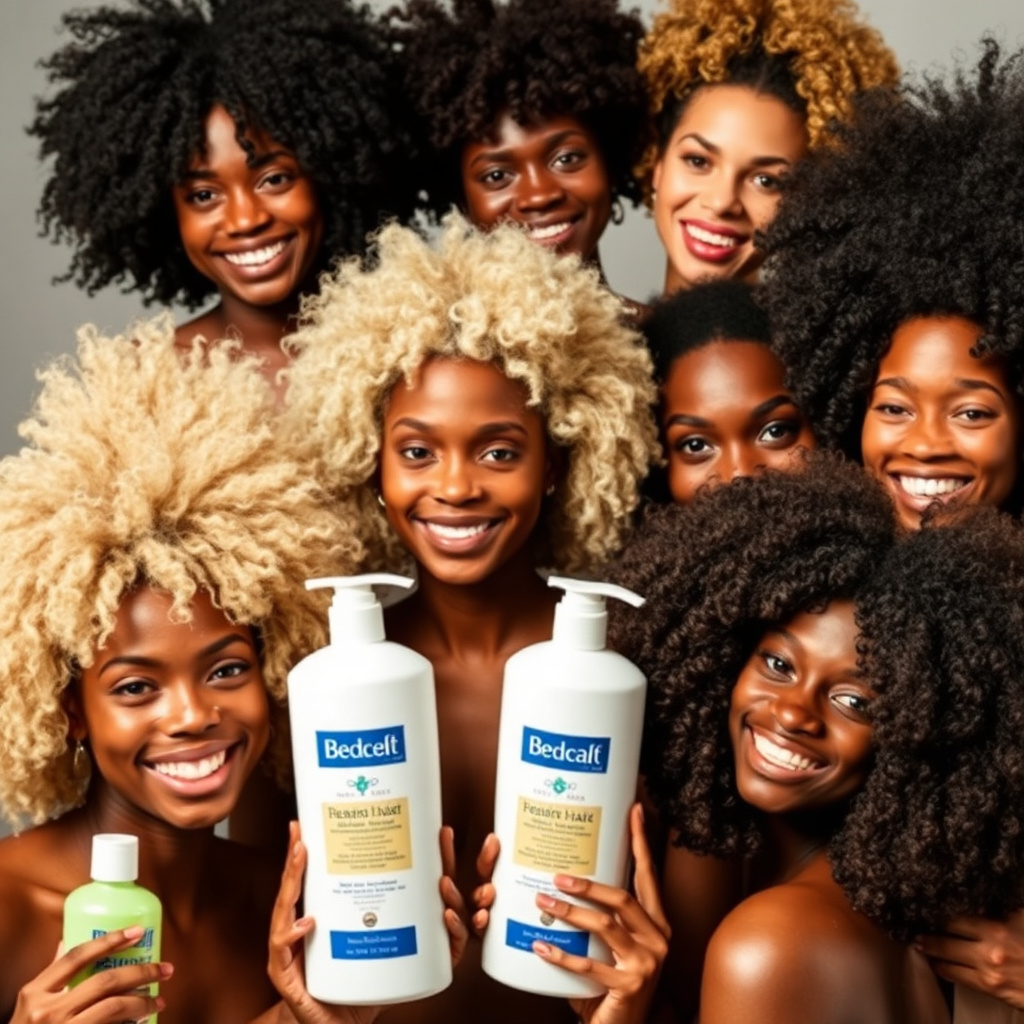
Curly hair benefits from moisturizing, sulfate-free shampoos with humectants and oils that define curls and reduce frizz. These products support the natural spiral pattern without stripping moisture.
Clarifying shampoos can be used occasionally to remove product buildup but should not replace daily moisture-focused options.
For a broad overview of natural hair care and related practices, the Wikipedia page on natural hair offers informative insights. natural hair care.
Coily and Kinky Hair
Coily and kinky textures require intensely hydrating shampoos or co-washes to enhance softness and manageability. Proteins can help strengthen fragile strands prone to breakage.
Shampoos designed specifically for this hair type often have creamy textures and rich oils to provide extra nourishment.
Natural Hair Shampoo Category Comparison
The following table contrasts main shampoo types suitable for natural hair, highlighting their cleansing method, moisture level, and ideal hair types.
| Shampoo Type | Cleansing Strength | Moisture Level | Ideal Hair Type | Frequency of Use |
|---|---|---|---|---|
| Moisturizing Shampoo | Mild | High | Dry, curly, coily | Weekly to biweekly |
| Sulfate-Free Shampoo | Gentle | Moderate | All natural hair types | 1-2 times per week |
| Co-Wash | Very Mild | Very High | Dry, coily, kinky | Between shampoos |
| Clarifying Shampoo | Strong | Low | Product buildup prone | Once per month or less |
| Protein-Enhanced Shampoo | Moderate | Moderate | Weak or damaged hair | As needed |
Frequently Asked Questions
Can natural hair shampoos contain sulfates?
Most natural hair shampoos avoid sulfates because they can strip essential moisture. However, some mild sulfate versions exist but generally, sulfate-free formulas are preferred to preserve hair health.
How do I know if my shampoo is drying out my natural hair?
If your hair feels brittle, looks dull, or breaks easily after washing, your shampoo might be too harsh. Switching to a sulfate-free, moisturizing shampoo often helps restore softness and moisture.
Is co-washing better than regular shampooing for natural hair?
Co-washing gently cleanses without stripping oils, making it excellent for dry, coily hair types. However, occasional use of a clarifying shampoo is necessary to remove buildup and maintain scalp health.
How often should I shampoo natural hair?
Typically, washing natural hair one to two times per week balances cleansing and moisture retention. Adjust frequency based on your scalp oiliness and activity level.
What ingredients should I avoid in natural hair shampoos?
Avoid sulfates, parabens, silicones, and drying alcohols as they can lead to moisture loss and damage. Choose shampoos with gentle, natural ingredients tailored for curly or coily hair.
Key Takeaways
- Sulfate-free shampoos best maintain natural hair moisture and health.
- Hydrating ingredients like glycerin and natural oils nourish curls.
- Co-washes are effective gentle cleansers for very dry hair.
- Match shampoo type to hair porosity and scalp needs for best results.
Conclusion
Selecting the right type of shampoo for natural hair involves balancing cleansing power with moisture retention. Since natural hair textures tend to be drier and more fragile, shampoos that care for the scalp while maintaining hydration work best. Avoiding harsh detergents and focusing on products with nourishing ingredients supports healthy curl patterns and prevents breakage. Understanding your hair’s porosity and texture helps refine this choice to maintain softness and shine.
Practically, moisturizing shampoos and sulfate-free formulas are ideal starting points for most natural hair types. For very dry or tightly coiled hair, co-washes provide gentle cleansing without stripping oils. Periodic use of clarifying shampoos can prevent product buildup but should be limited to avoid dryness. Those with sensitive or oily scalps can select shampoos with specific ingredients to soothe or balance oil production accordingly.
Experimenting with shampoos to find the best fit for your unique natural hair is key. Begin by trying moisture-focused, sulfate-free options and observe how your curls respond. Incorporate co-washing between washes if dryness persists. Over time, you’ll develop a shampoo routine that enhances your natural hair’s vibrance, strength, and manageability while keeping your scalp healthy and comfortable.