How to Cut a Toddler’s Hair with Clippers: A Simple Step-by-Step Guide
Cutting a toddler's hair with clippers can be straightforward if done with care and the right technique. Start by choosing clippers with adjustable guards suited for fine, soft hair and find a calm environment. Secure your toddler seated comfortably and keep their head steady. Using slow, gentle strokes helps prevent pulling or discomfort during the haircut.
Managing a toddler’s haircut can be challenging since they often get restless. Clippers make the process faster than scissors and help create clean, even cuts, especially for shorter hairstyles. Understanding the right guard size and how to move the clippers smoothly makes a big difference in achieving a tidy haircut while keeping your toddler comfortable.
This guide covers selecting the appropriate clippers, preparing your toddler, step-by-step cutting instructions, cleaning up after the cut, and tips to handle common toddler haircut challenges. You'll learn how to cut a toddler’s hair with clippers confidently and turn hair trimming into a stress-free routine.
Choosing the Right Clippers for Toddler Hair

Features to Look for in Toddler Hair Clippers
When choosing clippers for toddler hair, look for a quiet motor to minimize startling noises, adjustable blade guards for different lengths, and rounded blade tips for safety. Cordless models provide better maneuverability, reducing the chance of tangling during the cut.
Good clippers designed for children often come with softer grips and ergonomically shaped handles for better control. The blade quality matters too—stainless steel blades resist dulling and cut smoothly, preventing pulling that can upset your toddler.
- Quiet operation
- Multiple guard sizes
- Rounded safety tips
- Cordless options
- Ergonomic handle design
Recommended Clippers for Toddler Hair
Some of the best clippers for toddler hair combine gentle operation with effective cutting power. Models like the Wahl Color Pro or the Philips Norelco Kids’ clipper are popular choices due to their adjustable guards and quiet motors.
It's useful to choose a brand with easily replaceable blades and washable heads to keep your toddler’s clippers hygienic. Reading parent reviews for durability and ease of use can guide you toward a trustworthy purchase.
Preparing Your Toddler for a Clippers Haircut

Creating a Comfortable Setting
Find a quiet room with good lighting to keep distractions minimal. Seat your toddler in a comfortable chair at a height where you can easily reach their head. Using a cape or towel around their neck helps catch loose hair and prevents itching.
Engage your toddler with toys, favorite videos, or songs during the haircut to keep them occupied. You can also have a helper hold or entertain your child if they tend to move around a lot.
- Choose well-lit, quiet space
- Use cape or towel
- Provide distractions like toys or music
- Have a helper if needed
Preparing Your Clippers and Supplies
Charge or plug in your clippers and ensure they are clean. Attach the desired guard size before starting. Have grooming scissors handy for trimming edges or any longer sections that clippers can’t reach.
Keep a hand mirror nearby to check the haircut from different angles, and have a small brush to clear hair from the clipper blades during the process for smooth cutting.
- Fully charge or plug clippers
- Select guard size
- Prepare scissors and mirror
- Keep clipper cleaning brush handy
Step-by-Step Instructions to Cut a Toddler's Hair with Clippers

Basic Cutting Techniques
Start with the longest guard attachment to avoid cutting too short initially. Move the clippers upward from the nape of the neck toward the crown in smooth, slow strokes. Always cut against the hair growth direction for an even trim.
Maintain consistent pressure and go over areas multiple times if needed. Avoid pressing clippers too hard against the scalp to ensure comfort. Use scissors for detailing around ears or bangs as needed.
- Begin with longest guard
- Cut against hair growth
- Use slow, even strokes
- Avoid pressing hard on scalp
Dealing with Toddler Movements and Sections
If your toddler moves suddenly, pause and soothe them before continuing. Try cutting shorter segments in quick bursts to keep their attention. Breaking hair into sections with clips can also help you manage the cut more precisely.
Check the length frequently using a handheld mirror, and adjust guard sizes as needed for layered looks. Patience during irregular movements makes the process safer and less stressful.
- Cut in small sections
- Use clips to section hair
- Pause when toddler moves
- Regularly check length
After the Haircut: Cleanup and Comfort
Cleaning Up Hair and Clippers
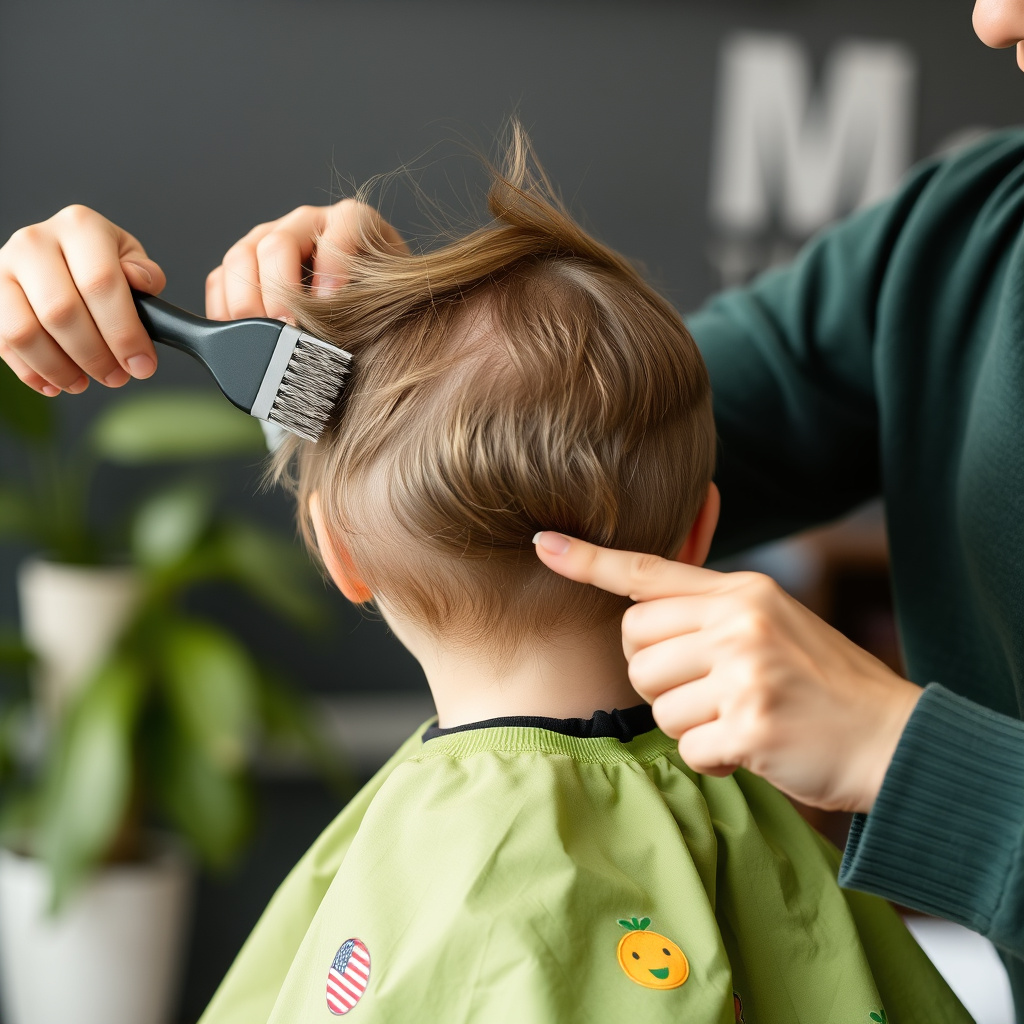
Brush loose hair off your toddler’s neck and clothes with a soft brush or towel. Clean the clippers by removing hair from blades and guard attachments, washing if the model allows, and oiling the blades to keep them sharp.
Vacuum or sweep the floor to remove hair from the surrounding area. This helps avoid itching or discomfort for your toddler after the haircut.
- Brush off neck and clothes
- Clean and oil clippers
- Sweep or vacuum floor
Comforting Your Toddler Post-Cut
Offer praise and a small reward to make the haircut a positive experience. A comfortable hair wash or soothing scalp massage can also help your child relax.
If your toddler is upset about loose hair sensation, wiping their neck gently with a damp cloth can alleviate irritation.
- Offer praise or treat
- Provide scalp massage or hair wash
- Wipe neck to reduce irritation
Common Challenges When Using Clippers on Toddlers
Handling Toddler Fear or Restlessness
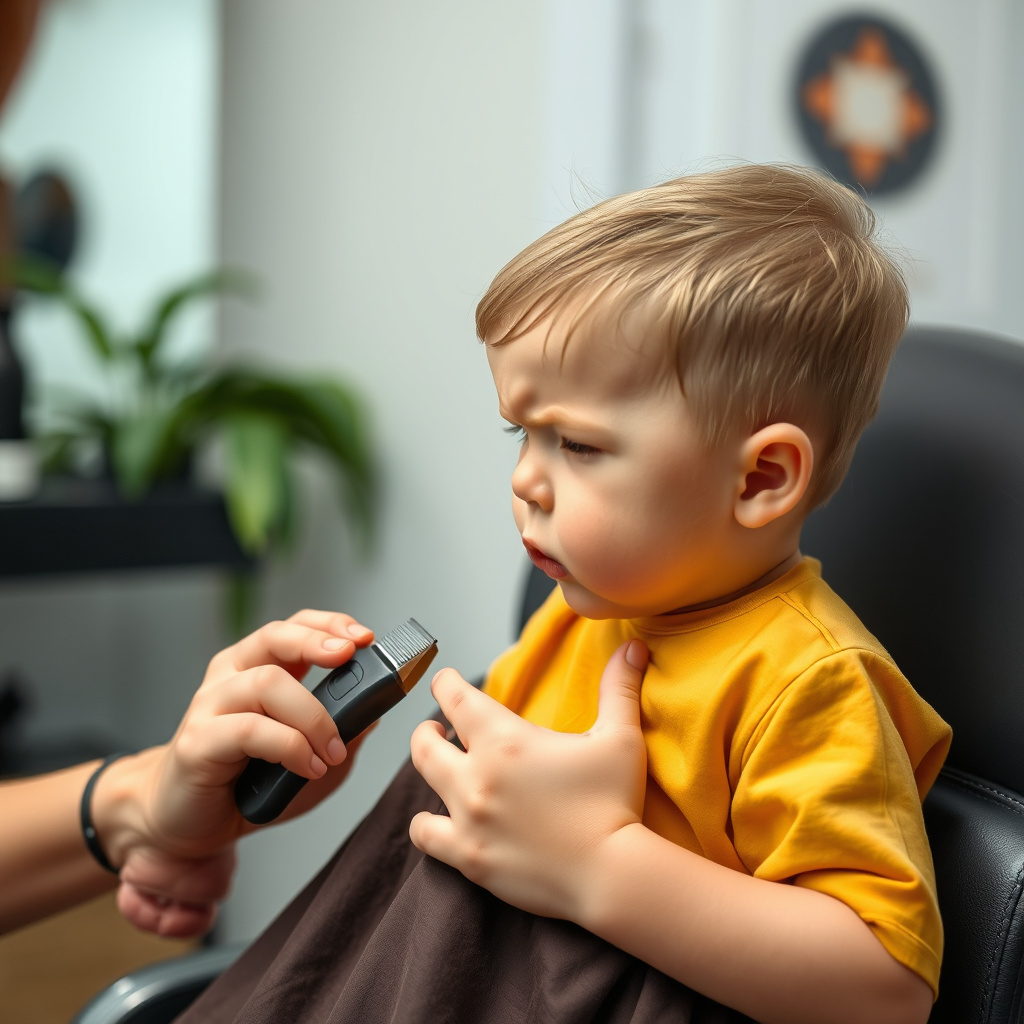
Toddlers might get scared of the noise or sensation of clippers. Gradual introduction by letting them play with turned-off clippers and showing their fun colors eases anxiety.
Scheduling haircuts at times when your child is well-rested and fed reduces restlessness. Use calm tones and distractions to keep the atmosphere relaxed.
- Introduce clippers beforehand
- Choose well-rested time
- Use distractions and soothing voice
Fixing Uneven Cuts or Mistakes
If you notice uneven spots, use a slightly shorter guard and carefully even out the area with short strokes. Scissors help blend edges for a natural look.
Don't rush to fix mistakes; take breaks if needed. You can always revisit the cut later or seek professional help if it becomes overwhelming.
- Use shorter guard for blending
- Trim edges with scissors
- Take breaks as needed
Maintaining Clippers and Planning Future Haircuts

Regular Maintenance for Clippers
After every haircut, remove hair from the blades and guards using a small brush. Oiling blades regularly prevents rust and blade dullness, maintaining smooth performance.
Store clippers in a dry, dust-free place. Replace blades or guards when worn to keep clippers efficient and comfortable for toddler use.
- Brush out hair after each use
- Oil blades regularly
- Store properly
- Replace worn parts
For more information on haircutting techniques and tools, this article on haircutting techniques for children provides helpful background. haircutting techniques for children.
Scheduling and Planning Toddler Haircuts
Toddlers often need haircuts every 4-6 weeks as hair grows quickly. Watching the hair length and overall look helps decide when to trim.
Regular haircuts help toddlers get used to the process, reducing fussiness. Keeping a simple routine and involving your child can make each haircut easier than the last.
- Trim every 4-6 weeks
- Monitor hair length
- Establish routine
- Involve toddler gradually
Types of Hair Clippers for Toddler Haircuts Compared
Here's a comparison of popular hair clipper categories focusing on their suitability for toddler haircuts, noise level, and ease of use.
| Clipper Type | Noise Level | Guard Options | Battery Life | Safety Features |
|---|---|---|---|---|
| Cordless Clippers | Low | Adjustable multiple guards | 60+ minutes | Rounded blade tips, quiet motor |
| Corded Clippers | Moderate | Fixed or few guard sizes | Unlimited when plugged in | Sharp blades, less maneuverable |
| Kids-Specific Clippers | Very Low | Color-coded guards | 50-70 minutes | Extra safety features, softer blades |
| Professional Clippers | Moderate-High | Varied guard sizes | 50 minutes | Designed for accuracy, louder motor |
Frequently Asked Questions
At what age is it safe to cut a toddler's hair with clippers?
Most toddlers can safely have their hair cut with clippers around age one, when they can sit steadily with support. Use gentle, child-friendly clippers and observe their comfort throughout.
How do I reduce toddler fear during a clipper haircut?
Introduce clippers gradually by letting your child see and hold them turned off. Use distractions like videos or toys and maintain a calm, reassuring tone to ease anxiety.
What guard size should I start with for a toddler's first clipper cut?
Start with a longer guard, such as a #4 or #5, to avoid cutting too short initially. You can always go shorter if needed after checking the length.
How often should toddler hair be clipped to maintain a neat look?
Typically, toddler haircuts are needed every 4 to 6 weeks to maintain shape and tidiness as their hair grows quickly.
Can clippers be used on a toddler with very fine or thin hair?
Yes, clippers with adjustable guards can be used gently on fine or thin hair. Choose a longer guard size and use slow strokes to avoid irritation.
Key Takeaways
- Choose quiet, adjustable clippers with safety features for toddlers
- Prepare a calm environment and keep your toddler comfortable
- Use the longest guard first and cut slowly against hair growth
- Clean and maintain clippers regularly for best performance
Conclusion
Cutting a toddler’s hair with clippers is a manageable task when you focus on safety, comfort, and patience. Selecting the right clippers suitable for delicate, fine hair and prepping your child helps minimize stress. Learning proper cutting technique—starting with longer guards and moving carefully against hair growth—ensures an even trim without discomfort. Remember that pacing the haircut and allowing breaks as needed fosters cooperation and helps maintain a positive experience for your toddler.
For parents aiming for simplicity, cordless clippers with low noise and multiple guard sizes provide the easiest path to tidy toddler haircuts. If you prefer more control, professional-grade or corded options have benefits but may require more care to avoid startling your child. Incorporating distractions and involving your toddler gradually can help even the most restless children adapt to haircuts over time. Regular trims every 4 to 6 weeks keep hair manageable and help normalize the process.
Start by assembling your tools, practicing on longer guard settings, and choosing a calm moment for the haircut. Taking small steps and celebrating the progress will turn toddler haircuts into smoother routines. For further reading on child grooming and haircare, resources on recognized parenting or pediatric sites are valuable next steps to explore.