How to Cut the Back of Your Own Hair: A Step-by-Step Guide
Cutting the back of your own hair is entirely doable with the right tools, techniques, and some patience. Start by gathering a handheld mirror, a larger mirror, sharp hair scissors or clippers, and hair clips to section your hair properly. Position yourself so you can see the back clearly with the two mirrors and begin trimming small amounts to avoid mistakes.
People often avoid cutting their own hair because the back is difficult to see and control, but mastering this skill helps you maintain your haircut between salon visits and saves money. It also allows for quick touch-ups tailored exactly to your preferences.
This article covers everything from selecting the right tools and preparing your hair, to detailed methods for using scissors and clippers on the back of your head. You'll also find safety tips and common pitfalls to avoid, so you can confidently achieve a clean, professional-looking cut.
Essential Tools and Preparation for Cutting the Back of Your Own Hair
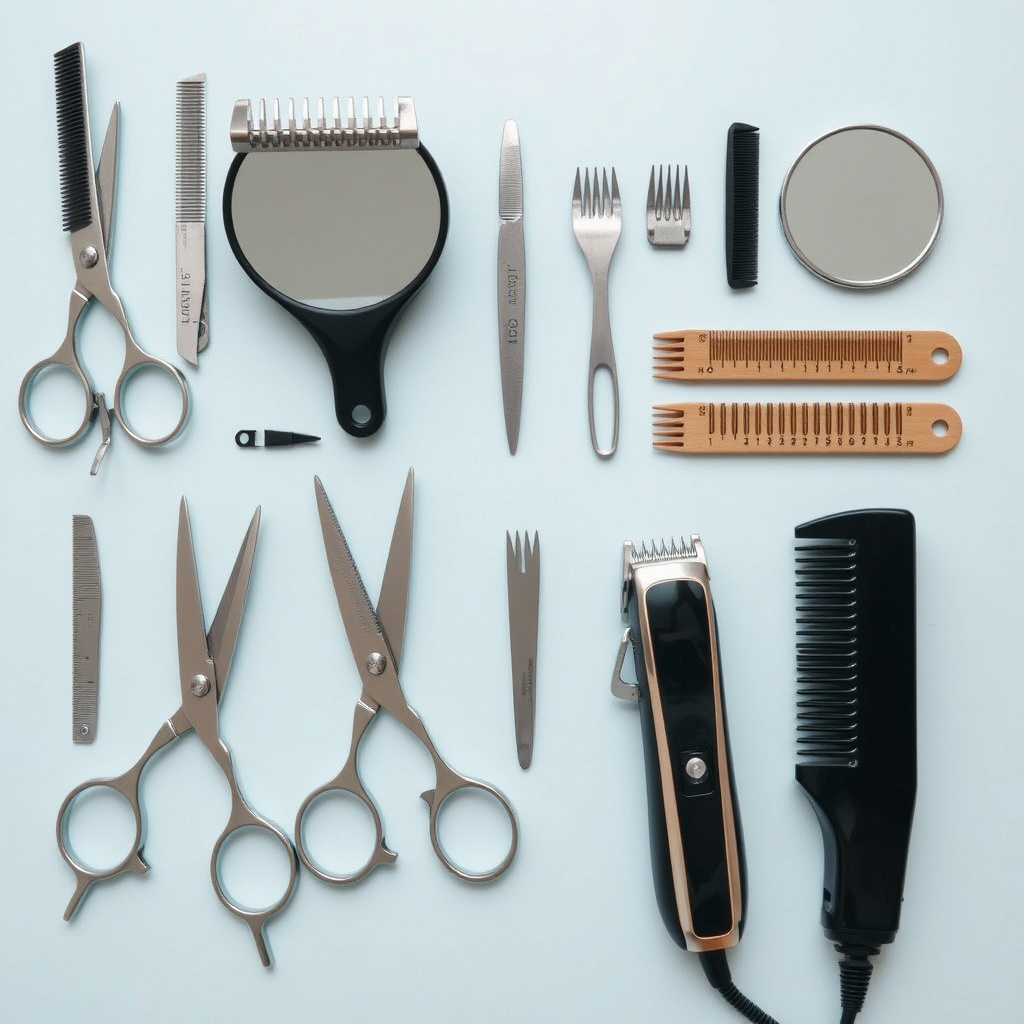
Choosing the Right Tools
Selecting high-quality hair scissors or clippers is paramount for a clean cut. Scissors designed specifically for hair cutting will provide sharper, more precise results compared to general-purpose scissors.
In addition to cutting tools, you will need two mirrors: a handheld one and a fixed larger mirror. These help you see the back of your head from different angles. Hair clips or ties are also useful for sectioning hair evenly during the trim.
- Sharp hair-cutting scissors or quality clippers
- Two mirrors (one handheld)
- Hair clips or rubber bands
- A comb to smooth sections
Preparing Your Hair and Workspace
Wash and dry your hair before beginning, as clean hair is easier to cut and style. If your hair is curly or textured, consider trimming it dry to see the true length.
Set up a well-lit area with a stable surface for your tools and place your mirrors strategically to get clear views of the back. Wear a towel or cape to avoid hair falling on your clothes.
Techniques for Cutting the Back of Your Own Hair with Scissors

Sectioning and Cutting in Small Layers
Divide the hair at the back into manageable horizontal sections using clips. Start from the bottom layer and work upward to prevent cutting too much at once.
Use the comb to hold hair strands taut and cut small amounts, trimming little by little to maintain control. Always cut less than you think to avoid mistakes.
- Clip hair into horizontal layers
- Comb and hold strands firmly
- Trim small, even amounts gradually
Using the Two-Mirror Setup Effectively
Hold your handheld mirror to view the back of your head reflected in the larger mirror. Move the handheld mirror slowly to check your progress and spot uneven spots.
Maintain a steady posture and avoid rushing. Frequent checks help you avoid cutting too short or unevenly and give you a chance to adjust technique during the process.
Using Clippers to Trim the Back of Your Own Hair

Selecting the Right Guard Length
Clippers come with various guard sizes to achieve different hair lengths. Pick a guard size based on how short or long you want the back to be. Start with a longer guard to avoid cutting hair too short initially.
Change guards as needed to blend hair lengths or create fades. Remember that you can always cut more but cannot add hair back, so start conservatively.
- Begin with larger guard sizes (e.g., #4 or #5)
- Adjust guards for layering or fading
- Avoid rushing to prevent uneven cuts
For more on this, see our related guide: How to Cut a Toddler’s Hair with Clippers: A Simple Step-by-Step Guide.
Clipper Techniques for Even Trims
Move the clippers in smooth, upward strokes against the direction of hair growth. Hold the device steadily to avoid patchy areas.
Use a handheld mirror to cross-check your work frequently. Work in small sections and blend the edges as you go for a polished finish.
- Use steady, upward movements
- Work in small, controlled sections
- Check progress often with mirrors
Safety Tips and Common Mistakes to Avoid When Cutting Your Own Hair

Preventing Accidental Cuts or Unevenness
Take your time and resist the urge to cut large chunks quickly. Cutting in small increments reduces the risk of accidentally making the hair too short or uneven.
Keep scissors closed when moving to different sections, and always ensure your hands and tools are dry to avoid slipping.
- Cut hair gradually in small sections
- Keep tools dry and handle carefully
- Avoid distractions while cutting
When to Seek Professional Help
If you notice persistent uneven areas or are unsure about complex styles like intricate fades or layering, it’s best to consult a professional stylist.
Some hair types require specific cutting techniques that are safer and more precise when handled by an experienced hairdresser.
Post-Cut Care and Styling the Back of Your Hair at Home

Cleaning Up Loose Hair and Checking Symmetry
After cutting, brush away loose hair from the neck and shoulders. Use your dual mirror setup again to inspect for any uneven patches or longer strands that need trimming.
Make final small adjustments carefully. Cleaning the area ensures comfort and a polished look.
- Brush loose hair thoroughly
- Cross-check symmetry with mirrors
- Trim stray hairs gently
For more on this, see our related guide: How to Cut a Number 2 Haircut: A Step-by-Step Guide.
Styling Tips for a Finished Look
Use light styling products like mousse or hair cream to settle the hair and highlight the fresh cut at the back. Avoid heavy products that can weigh hair down or obscure the clean edges.
Regularly maintain the back by trimming small amounts every few weeks to keep the shape neat between full haircuts.
- Apply light styling products evenly
- Comb through for a smooth finish
- Schedule regular trims for upkeep
How to Adjust Your Method Based on Hair Type and Length

Cutting Curly or Textured Hair at the Back
For curly or textured hair, trim when dry to see the true length and curl pattern. Use scissors with a point-cutting technique to avoid blunt edges that can cause frizz or unevenness.
Section hair carefully to handle tight curls without tangling. Avoid clippers unless you are experienced, as they may cut unevenly.
- Trim dry for accurate length
- Use point-cutting to soften edges
- Clip cautiously or avoid altogether
For more details on hair cutting techniques and styles, you can visit this helpful resource. hair cutting techniques.
Trimming Short vs. Long Hair
Short hair requires precision and often more frequent touch-ups since unevenness is more visible. Scissors or clippers with smaller guards work best in this case.
Long hair cutting allows for more gradual layering and trimming. You can section thicker layers and focus on even length with scissors to avoid bulky or uneven areas.
Comparison of Cutting Methods for the Back of Your Own Hair
Here's a rundown of popular tools and methods for cutting the back of your own hair, highlighting ease of use, precision, and best hair types for each.
| Method | Ease of Use | Precision | Best for Hair Types |
|---|---|---|---|
| Scissors with mirrors | Moderate | High precision with practice | All hair types, especially longer hair |
| Electric clippers | Easy | Good for short hair and fades | Short hair and fades |
| Hair cutting shears with texturizing blades | Moderate | Adds softness and layers | Curly and textured hair |
| Using only one mirror | Difficult | Low precision | Not recommended for most hair types |
| Professional stylist visit | Effortless for user | Highest precision | All hair types, complex styles |
Frequently Asked Questions
Can I cut the back of my hair with just one mirror?
Cutting the back of your hair with one mirror is possible but much harder to control. Using two mirrors enables better visibility and precision, reducing mistakes.
How often should I trim the back of my hair at home?
Trimming every 4 to 6 weeks helps maintain shape and prevents split ends, especially if you style your hair regularly.
Is it better to cut wet or dry hair at the back?
It depends on hair type; straight hair is often easier to cut wet, while curly or textured hair shows true length and shape better when dry.
What should I do if I accidentally cut too much hair at the back?
If the cut is too short, you can blend the edges with clippers or scissors to reduce harshness. Otherwise, you may need to wait for regrowth or seek professional correction.
Are electric clippers safe for self-haircuts?
Electric clippers are safe when used carefully with the right guard size and slow, controlled movements. They work well for short haircuts and fades.
Key Takeaways
- Use a handheld and large mirror combo to see the back clearly.
- Cut small sections gradually to avoid mistakes.
- Choose scissors or clippers based on hair type and desired style.
- Regular trims keep hair looking neat between professional cuts.
Conclusion
Cutting the back of your own hair requires some preparation, patience, and attention to detail but is achievable with the right approach. Setting up your mirrors for clear visibility and selecting suitable tools form the foundation of a successful self-haircut. By working incrementally and assessing progress frequently, you minimize risks of unevenness or overly short cuts. This skill empowers you to keep your style tidy between salon visits, saving time and money.
Once you have your basic setup—mirrors, scissors, or clippers—you can adapt techniques depending on your hair type and length. Scissors offer the precision needed for longer or curly hair, while clippers are ideal for short hair and fades. Cutting dry curly hair helps reveal its natural length and reduces surprise shrinkage, while cutting wet straight hair is smoother. Regular trimming every few weeks maintains shape and freshness, especially if you use DIY haircut tips for consistent upkeep.
For best results, start slowly and be conservative with how much hair you remove at once. If more complex styles or blending are needed, consider visiting a professional stylist occasionally. However, with practice and the proper method, cutting the back of your own hair can become a straightforward, confidence-boosting routine. Begin by assembling your tools and mirrors today, and try a simple trim to gain experience for future touch-ups.