How to Protect Edges at Night: Simple Strategies for Safety and Durability
Protecting edges at night mainly involves using physical barriers, reflective materials, and proper lighting to prevent accidents and material damage. Applying edge guards or cushioning, installing LED strips or reflective tape, and ensuring ambient light can drastically reduce risks where sharp or vulnerable edges exist.
Edges exposed in darkness pose a considerable risk for trips, falls, or damage to furnishings and equipment. Without visibility, even minor hazards can cause significant injury or wear. This concern spans many environments, including homes, workplaces, warehouses, and outdoor areas that see nighttime activity.
This article will explore several techniques and products available to protect edges after dark. From selecting the right edge protectors to proper light placement and maintenance tips, readers will gain practical knowledge on keeping edges safe and durable through the night.
Understanding the Importance of Nighttime Edge Safety

Risks and Consequences of Unprotected Edges at Night
Unprotected edges at night can lead to trips, bruising, or damage to items and surfaces. In poorly lit spaces, even slight protrusions become serious safety hazards, especially in busy work or living areas.
Damage caused by collisions with edges is not limited to human injury; it also includes structural wear and tear, which can be costly over time. Preventing such incidents at night is fundamental for both safety and maintenance.
- Increased risk of injury
- Material degradation from impacts
- Potential liability concerns
Common Scenarios Where Edge Protection is Critical at Night
Areas like stairs, countertops, machinery, and outdoor furniture often have exposed edges that become hidden hazards after dark. Industrial sites and warehouses especially see increased accidents if edges are left unprotected.
Residential settings also benefit from edge safety approaches, especially in children’s rooms or hallways where low visibility can lead to accidental bumps or cuts.
- Commercial warehouses
- Home staircases and corridors
- Outdoor patios and decks
Choosing the Right Physical Edge Protection Methods

Types of Edge Guards for Night Safety
Edge guards made of rubber, foam, or plastic provide cushioning to sharp or protruding edges, reducing injury risk during accidental contact. These are especially effective on furniture corners and metal surfaces.
Self-adhesive strips are easy to install and come in different sizes and hardness levels. For extensive protection, corner wraps or modular edge protectors offer durable coverage suitable for high-traffic areas.
- Foam edge protectors for soft cushioning
- Plastic corner guards for durability
- Rubber strips for flexible application
Installation Best Practices for Physical Protectors
Before applying, clean the edge surface thoroughly to ensure good adhesion. Measure length accurately and cut protectors to fit snugly without gaps.
In high-use areas, secure edges further with screws or brackets if applicable. Regularly inspect guards at night for displacement or wear to maintain protection efficacy.
- Surface cleaning before application
- Proper fitting and trimming
- Periodic maintenance
Enhancing Visibility for Edge Protection at Night

Using Reflective and Glow-in-the-Dark Materials
Reflective tape and glow-in-the-dark paint augment edge visibility in low light. Sticky reflective strips catch ambient light, alerting people to edges that would otherwise be hidden.
Glow-based materials emit faint light after absorbing daylight, offering a no-power-needed solution for edge marking. These are especially useful in outdoor or emergency exits.
- Reflective adhesive tape options
- Glow-in-the-dark paints for permanence
- Placement considerations for visibility
For more on this, see our related guide: What Type of Scarf Is Best for Sleeping? Choosing Comfort for Nighttime.
Strategic Lighting Placement Around Edges
Installing LED strip lights or spotlights near edges can clearly define boundaries at night. Adjustable lighting allows customization based on space layout and safety needs.
Motion-activated lights reduce energy use while maximizing protection and alertness when people approach critical edges or corners in dark areas.
- LED strips for continuous illumination
- Motion sensors for automatic lighting
- Energy-efficient bulbs
Maintaining Edge Protection Systems Over Time
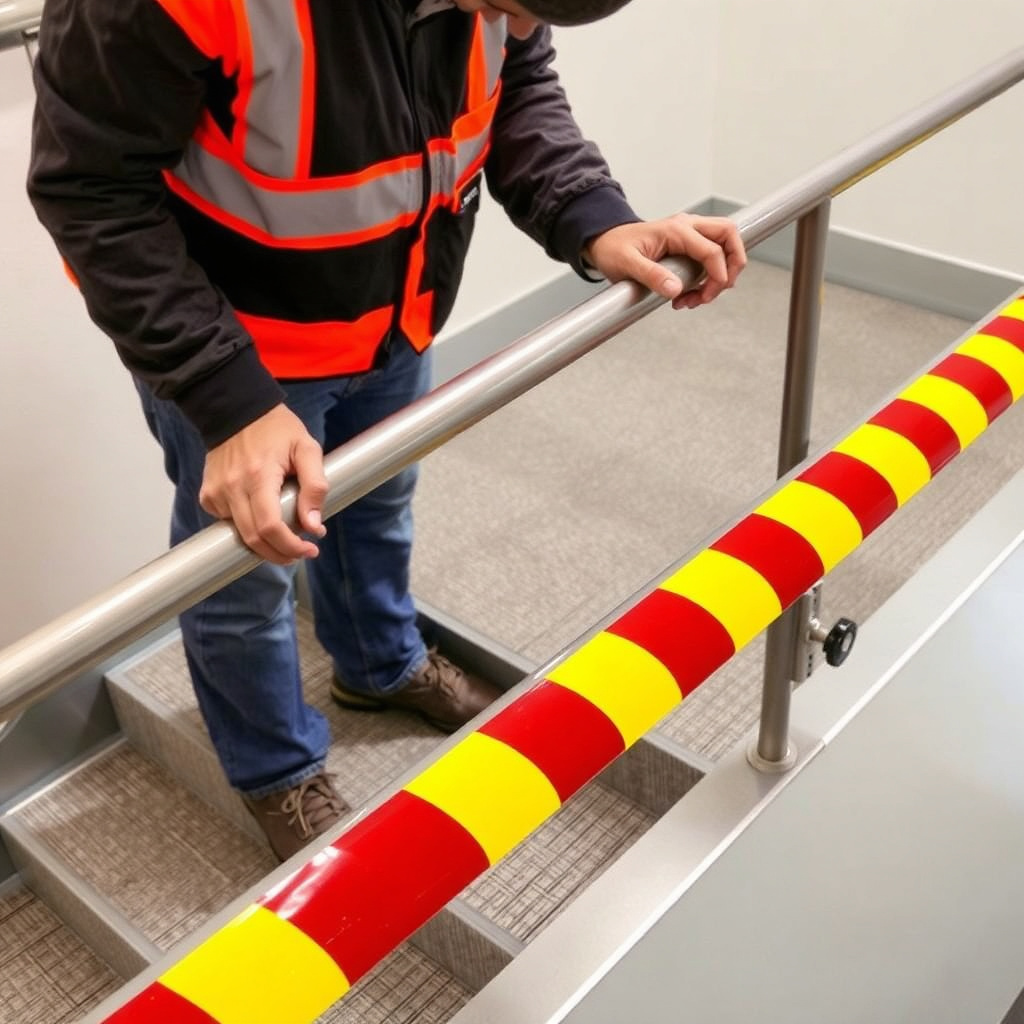
Regular Inspection and Repair Routines
Checking edge protection after heavy use or environmental exposure is key. Protective covers can wear out or peel, and lighting components may fail over time.
A routine inspection schedule helps catch issues early, preventing accidents or deterioration of protected edges at night.
- Monthly visual inspections
- Prompt replacement of damaged protectors
- Routine testing of lighting systems
Cleaning and Upkeep of Visible Markers
Dust and grime can reduce visibility of reflectors and degrade adhesives. Wiping surfaces with appropriate cleaners enhances stickiness and brightness of tapes or paint.
In outdoor settings, weather effects necessitate more frequent cleaning and potential reapplication to maintain effectiveness at night.
- Use mild detergents for cleaning
- Avoid abrasive tools
- Protect against moisture damage
Edge Protection in Specialized Environments

Industrial and Warehouse Edge Protection Needs
In heavy-duty facilities, edges often consist of metal beams, machinery parts, or racking corners requiring rugged protection with high-impact resistive guards and pronounced visibility markers.
Durability alongside safety is critical, so industrial edge protectors are designed to withstand repeated contact and harsh conditions while keeping workers safe during night shifts.
- Heavy-duty rubber or steel guards
- High-visibility reflective coatings
- Compliance with occupational safety standards
For more on this, see our related guide: What Type of Bonnet is Best for Braids? Complete Guide to Protecting Your Style.
Home and Outdoor Edge Safety Approaches
Homes benefit from softer guards around furniture corners, stair rails, and outdoor steps where household members move in dim light.
For outdoor terraces or garden paths, weather-resistant materials and solar-powered lights improve edge safety without complex wiring.
- Soft foam edge cushions
- Waterproof reflective tapes
- Solar LED pathway lights
Balancing Aesthetics and Functionality in Edge Protection

Choosing Discreet Yet Effective Protection
Clear or color-matched edge protectors offer safety without disrupting a room’s visual appeal. Minimalist designs suit modern interiors requiring subtle hazard mitigation at night.
Many manufacturers provide customizable options that integrate well with furniture or architectural details while still delivering impact dampening.
- Transparent PVC guards
- Custom color finish options
- Slim-profile designs
For more details on various edge protection techniques and their applications, see this reference. edge protection techniques.
Incorporating Lighting Without Clashing
Lighting installations around edges can be decorative as well as functional. Warm light tones and concealed wiring improve ambiance while maintaining visibility.
Selecting energy-efficient LEDs and smart controls also allows for user-friendly operation that fits a home’s style and budget.
- Warm white LED strips
- Recessed or hidden fittings
- Smart lighting controls
Comparison of Edge Protection Methods for Night Use
Here's a breakdown of popular edge protection options based on material, durability, visibility, and cost to help you decide what suits your needs best.
| Method | Material | Visibility Enhancement | Durability | Typical Cost Range |
|---|---|---|---|---|
| Foam Edge Guards | Soft foam | No | Moderate | $10-$30 per meter |
| Rubber Edge Protectors | Rubber | No | High | $15-$40 per meter |
| Reflective Tape | Adhesive vinyl | Yes | Low | $5-$15 per roll |
| Glow-in-the-Dark Paint | Phosphorescent paint | Yes | Moderate | $20-$50 per can |
| LED Strip Lighting | Plastic with LED | Yes | Moderate | $30-$70 per meter |
Frequently Asked Questions
Can I install edge protection on all types of surfaces?
Most edge protectors adhere well to clean, smooth surfaces such as wood, metal, and plastic. For porous or rough surfaces, additional preparation or mechanical fixing may be needed.
Are glow-in-the-dark edge markers effective without any light source?
Glow-in-the-dark materials need to absorb light first to emit it later, so they must be exposed to natural or artificial light during the day to be effective at night.
How often should I check and replace edge guards?
Inspect edge protection monthly, especially after heavy use or weather exposure. Replace guards showing cracks, peeling, or significant wear to maintain safety.
Is motion-activated lighting better than continuous lighting for edges?
Motion-activated lighting saves energy and activates only when needed, while continuous lighting provides constant visibility. Choice depends on edge traffic patterns and safety priorities.
Can edge protection prevent damage to the edges themselves?
Yes, physical guards absorb impacts that would otherwise chip, dent, or wear edges, extending the lifespan of furniture or structural components.
Key Takeaways
- Physical edge guards and reflective materials reduce nighttime accident risks
- Proper installation and maintenance keep edge protection effective
- Lighting strategies greatly improve edge visibility in low light
- Different environments require tailored edge protection solutions
Conclusion
The key to protecting edges at night is combining physical cushioning with enhanced visibility techniques. Guards made from foam, rubber, or plastic mitigate injury risks by softening impacts, while reflective tapes and strategic lighting signal edges clearly to passersby. Regular inspection and upkeep ensure these protective measures continue to work effectively and adapt to changing conditions or wear.
Choosing the right edge protection depends largely on environment and usage. Industrial settings benefit from heavy-duty rubber guards combined with bright, durable reflective coatings, while homes might prioritize softer foam guards and solar-powered LED lights for aesthetics and ease of use. For outdoor spaces, waterproof materials and glow-in-the-dark paints offer low-maintenance visibility solutions that function well without wiring.
As a practical next step, identify specific edges in your space that pose nighttime hazards, then select appropriate protection based on the methods outlined here—from protective guards to illumination strategies. Combining these solutions will safeguard edges against damage and accidents during low light hours, giving you peace of mind and lasting durability.