How to Use a Weed Eater Safely and Effectively
Using a weed eater correctly involves preparing the equipment, wearing proper safety gear, choosing the right trimming technique, and maintaining a steady pace to cut grass and weeds evenly. Start by assembling the weed eater and checking fuel or battery levels, then follow manufacturer instructions for starting the machine smoothly and controlling the cutting head.
A weed eater is a valuable tool for detailed yard work, allowing you to reach places a lawnmower can't, such as edges, around trees, and near fences. Using it properly minimizes damage to plants and avoids injury or equipment wear, giving you a tidy and healthy lawn with less hassle.
This article covers the most important steps to use a weed eater, including preparation, trimming techniques, safety precautions, maintenance tips, and how to handle common challenges. Whether you're new to power trimming or want to improve your technique, these insights will help you get the best results.
Preparing Your Weed Eater for Use

Checking Fuel and Battery Levels
Before using your weed eater, it's essential to check fuel levels if it's gasoline-powered or that the battery is fully charged on electric models. For gas models, use fresh fuel mixed correctly with oil if required by a two-stroke engine. Batteries should be securely connected and tested with the power button before starting work.
Ensuring power readiness prevents downtime and uneven trimming performance. Carry extra fuel or spare batteries for extended sessions, especially for larger yards. Proper fuel management also extends engine lifespan and reduces startup issues.
- Use fresh fuel with proper oil mix for gas models
- Fully charge batteries before starting
- Keep extra fuel or batteries on hand
- Test power connection before trimming
Wearing Proper Safety Gear
Safety gear is crucial when operating a weed eater. Gloves protect your hands from vibration and debris, while safety glasses shield your eyes from flying grass and stones. Ear protection helps prevent hearing damage caused by the engine noise, and long pants guard against cuts and scratches.
Choosing lightweight, breathable clothing keeps you comfortable during trimming. Closed-toe shoes with good traction reduce slips, and a face shield offers extra protection if trimming dense or thorny areas. Taking these precautions prevents injuries and keeps your work smooth.
- Wear protective gloves and safety glasses
- Use ear protection for noisy engines
- Wear long pants and closed-toe shoes
- Consider a face shield when trimming tough plants
Mastering Trimming Techniques with a Weed Eater

Proper Cutting Angles and Movements
Hold the weed eater at a slight angle (around 30 degrees) so the trimming head brushes the grass blades without digging into the soil. Use smooth side-to-side sweeping motions rather than pounding the ground. This technique provides an even cut and reduces wear on the trimming line.
Adjust your stance to stay balanced and move at a steady pace. Avoid forcing the trimmer into thick patches too quickly, which can strain the motor or cause line breakage. Let the cutting head do the work while you focus on controlled, fluid movements.
- Hold trimming head at about 30 degrees
- Use smooth side-to-side sweeps
- Keep a steady pace and balanced stance
- Avoid pressing the head into the ground
For more on this, see our related guide: How to Use a String Trimmer Safely and Effectively.
Handling Different Yard Areas
For edges near sidewalks or flower beds, use a vertical position to create a clean boundary line. Around trees or posts, work slowly in a circular motion to avoid bark damage. In dense or tough weeds, trim in multiple passes instead of rushing through to prevent clogging or motor strain.
Be mindful of obstacles like rocks and branches that can kick back debris or break the cutting line. Regularly stop to clear the trimmer head and inspect for wear. Changing your approach slightly based on the yard’s terrain and vegetation ensures cleaner results and safer operation.
- Use vertical trimming for clean edges
- Circle slowly around trees and posts
- Take multiple passes on dense weeds
- Clear debris and inspect trimmer regularly
Essential Safety Precautions When Using a Weed Eater

Avoiding Common Hazards
Identify and remove any stones, glass, or wires from the work area before trimming to prevent flying debris hazards. Maintain clearance from people, pets, and fragile plants to avoid accidents. Never use the weed eater indoors or in damp conditions to reduce the risk of electric shock or engine damage.
Always keep both hands on the handles and maintain a firm grip. Stay aware of your surroundings and switch off the engine when stepping away from the equipment. These habits reduce unexpected injuries and extend your trimmer’s safe service life.
- Clear debris from work area
- Keep others at a safe distance
- Avoid wet or indoor use
- Maintain firm grip with both hands
Proper Starting and Stopping Procedures
Follow the manufacturer's instructions for starting your weed eater to prevent kickbacks or troubleshooting issues. For gas models, prime the engine if needed and pull the starter cord smoothly. Electric models may require holding a safety switch while engaging the power button.
When stopping, release the throttle and allow the head to stop spinning before putting the unit down. Turn off the engine completely if you take breaks or finish work. This prevents accidental restarts and reduces wear on moving parts.
- Prime and pull starter cord smoothly (gas models)
- Hold safety switch for electric starts
- Allow cutting head to stop before setting down
- Turn engine off during breaks or after use
Maintaining Your Weed Eater for Longevity

Cleaning and Inspecting After Use
After each session, remove grass clippings, dirt, and debris from the trimmer head and shaft. Use a brush or cloth to prevent buildup that reduces performance. Inspect the cutting line for wear or breaks and replace it as needed to maintain cutting efficiency.
Check for loose parts or damage on handles, guards, and the engine housing. Tighten screws and fittings to avoid vibration damage during operation. Regular maintenance keeps your weed eater running smoothly and helps you avoid costly repairs.
- Clean trimmer head and shaft thoroughly
- Replace worn or broken cutting line
- Tighten screws and check for damage
- Store in a dry, sheltered location
Routine Engine and Battery Care
For gas weed eaters, change the spark plug and air filter periodically according to the manufacturer’s schedule. Use fresh fuel and drain it during long storage to prevent engine clogging. Lubricate moving parts to protect against wear.
Battery-powered models benefit from charging after each use and avoiding full discharge. Store batteries in a cool, dry place and clean battery contacts regularly. These practices extend the life and reliability of your power source.
- Replace spark plug and air filter regularly (gas models)
- Use fresh fuel and drain storage fuel
- Charge batteries after use and avoid full discharge
- Lubricate moving parts and clean battery contacts
Troubleshooting Common Weed Eater Issues
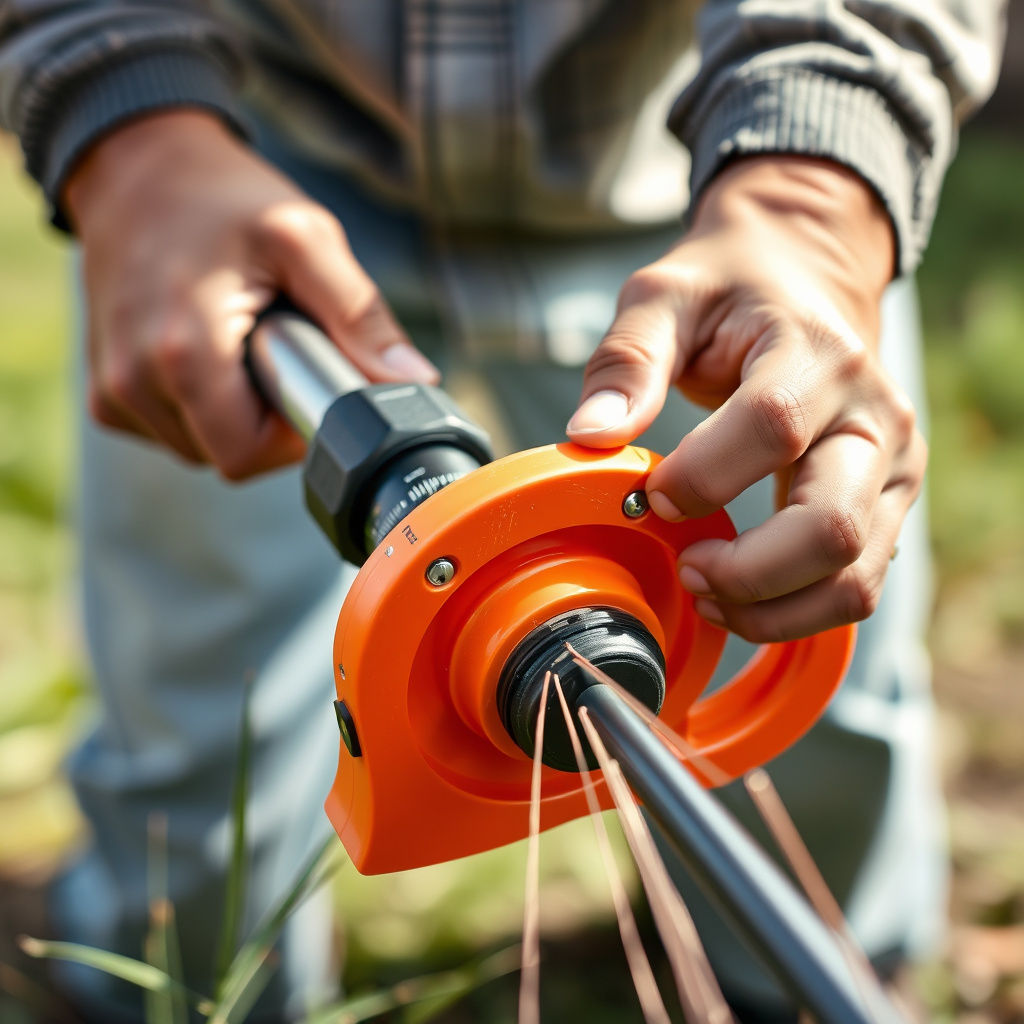
Fixing Line Breakage and Jamming
String line breaks are common when hitting rocks or thick stems. To fix this, stop the engine, remove debris from the head, and rewind fresh line evenly around the spool without overfilling. Avoid pulling the line too far during operation to reduce breakage.
If the trimmer jams, power off immediately and clear whatever caused the obstruction. Check the line and head for damage and replace parts if needed. Prevent jams by trimming steadily and avoiding thick brush all at once.
- Stop engine before handling broken line
- Rewind new line evenly and avoid overfilling
- Clear obstructions promptly
- Trim thick brush in stages
For further guidance on safe handling, consult official string trimmer safety tips provided by OSHA. String trimmer safety tips.
Engine Starting and Performance Problems
Difficulty starting gas weed eaters often results from stale fuel, dirty spark plugs, or clogged filters. Replace old fuel, clean or swap spark plugs, and check air filters before trying again. Electric models sometimes fail to start due to battery issues or faulty switches, which should be inspected and tested.
If the engine runs rough or stalls, it may need carburetor adjustment or professional servicing. Regular maintenance prevents many common performance problems and keeps your weed eater reliable.
- Replace stale fuel and clean spark plugs
- Check air filter cleanliness
- Test battery and switches on electric models
- Consider professional servicing for engine troubles
Weed Eater Types Comparison
Below is a comparison of common weed eater types to help determine the best fit based on power source, usage, and maintenance.
| Type | Power Source | Best For | Maintenance Level | Weight (approx.) |
|---|---|---|---|---|
| Gas-Powered | Gasoline engine | Large yards, heavy weeds | High | 10-15 lbs |
| Electric Corded | Electric (corded) | Small to medium yards | Low | 6-8 lbs |
| Battery-Powered | Rechargeable battery | Medium yards, portability | Medium | 7-10 lbs |
| Manual Reel Trimmer | No power | Light trimming, edging | Very low | 3-5 lbs |
Frequently Asked Questions
How often should I replace the trimming line on my weed eater?
Replace the trimming line whenever it breaks or becomes too short to cut efficiently. Frequent trimming or hitting obstacles accelerates wear, so inspect the line regularly and reload or replace it to maintain optimal performance.
Can I use a weed eater in wet grass conditions?
It's best to avoid using a weed eater on wet grass to prevent slipping hazards, electric shock risks for corded models, and clumping that can clog the head. Wait until the grass dries for safer and more effective trimming.
What safety equipment is essential when operating a weed eater?
At minimum, wear safety glasses to protect your eyes, gloves to shield your hands, sturdy closed-toe shoes, and ear protection for noisy machines. Long pants and a face shield are recommended for additional safety depending on the trimming environment.
How do I maintain a battery-powered weed eater properly?
Charge the battery fully after each use and avoid letting it discharge completely. Store batteries in a cool, dry place and clean the contacts occasionally. Regular charging and good storage extend battery life and ensure dependable power.
Is it necessary to prime a gas weed eater before starting?
Many gas weed eaters require priming to deliver fuel to the engine before starting. Follow the manufacturer’s instructions carefully, pressing the primer bulb the recommended number of times to avoid flooding the engine.
Key Takeaways
- Prepare and power your weed eater properly for smooth operation
- Use safe trimming techniques to protect yourself and your yard
- Wear appropriate safety gear every time you trim
- Maintain your weed eater regularly for longer service life
Conclusion
Choosing how to use a weed eater starts with preparation and care to balance safety, effectiveness, and equipment longevity. Understanding your specific model's needs for fuel, power, and trimming technique will allow you to maintain a neat yard without risking injury or damage. Each step, from starting to trimming and stopping, matters when aiming for professional results in your yard work.
For large lawns or tougher vegetation, gas-powered models provide strong performance but require more maintenance and safety attention. Battery-powered trimmers offer portability and ease of use, fitting medium-sized yards with moderate trimming needs. Electric corded trimmers suit smaller spaces with access to power outlets, while manual reel trimmers serve light trimming tasks without noise or fuel.
Start by reading your user manual carefully and ensure you wear safety gear tailored to your yard’s conditions. Practice trimming with thoughtful motions and angles, steadily building skill and confidence. Regular upkeep, such as cleaning and replacing trimming lines, keeps the weed eater ready for consistent, safe use. These practical steps will make weed eating a straightforward and effective part of your yard maintenance.


