How to Protect Locs at Night for Healthier Hair
Protecting locs at night is essential to preserve their health, moisture, and length. Using materials like satin or silk scarves and bonnet caps reduces friction that causes breakage and dryness. Keeping locs wrapped or covered also helps prevent frizz, tangling, and woolliness overnight.
Since locs can easily lose moisture while sleeping due to fabric friction and exposure to air, nighttime protection plays a significant role in maintaining their strength and appearance. Without proper care, locs might dry out, which causes brittleness and slow growth. Taking simple steps before bed safeguards your hair's natural oils and keeps your locs in top condition.
This article covers the best methods to protect locs at night, including selecting the right fabrics, preserving moisture, and adapting routines for different loc types. We’ll also discuss tips on sleeping positions, covering accessories, and how to establish a nightly loc care ritual for long-term benefits.
Choosing the Right Fabric for Night Protection

Benefits of Silk and Satin for Loc Protection
Silk and satin fabrics are smoother than cotton, which minimizes friction between the locs and the fabric. This reduction in friction helps prevent hair breakage and reduces frizziness, which often occurs when cotton absorbs moisture from the hair.
Because these fabrics do not pull moisture away from the hair, they help maintain the natural oils necessary for keeping locs hydrated. Wearing silk or satin scarves or bonnets can extend the life of your loc style and contribute to healthier hair overall.
- Reduces hair breakage
- Prevents moisture loss
- Minimizes frizz and lint
- Preserves sculpted loc styles
Avoiding Cotton and Rough Fabrics
Cotton pillowcases and scarves, while commonly used, tend to draw moisture from hair strands and create friction that can cause breakage and dryness. This can lead to locs becoming brittle and prone to splitting over time.
Additionally, rough materials may catch on the hair and disturb the locs' foundation, causing fuzz and unraveling. By selecting smooth, breathable alternatives such as satin or silk, you protect loc integrity during sleep.
- Cotton absorbs hair’s natural oils
- Rough fabrics increase tangling
- Risk of lint buildup on locs
- Can disrupt tightly wound locs
Maintaining Moisture Levels Overnight

Using Hydrating Sprays and Oils Before Bed
Lightly misting locs with a water-based moisturizing spray before wrapping helps keep hair hydrated without making it overly wet or heavy. Following up with a small amount of natural oil seals in moisture and nourishes the hair shaft.
Oils such as jojoba, coconut, or castor oil can strengthen locs and reduce dryness during the night. Be cautious not to use excessive oils, as this can cause buildup and attract lint.
- Use hydrating spray to refresh locs
- Apply lightweight oils sparingly
- Avoid heavy products before sleeping
- Lock moisture in with silk or satin wrap
Avoiding Common Moisture Mistakes
Applying too much water or heavy products can lead to fungal growth or scalp irritation overnight. It's best to keep locs lightly moisturized and ensure any products used are fully absorbed.
Additionally, sleeping without covering locs after moisturizing can cause moisture evaporation and expose hair to friction, negating the benefits of moisturizing routines.
- Don’t oversaturate locs before sleep
- Choose breathable, natural moisturizers
- Always cover locs after moisturizing
- Avoid buildup by cleansing regularly
Techniques for Wrapping and Covering Locs
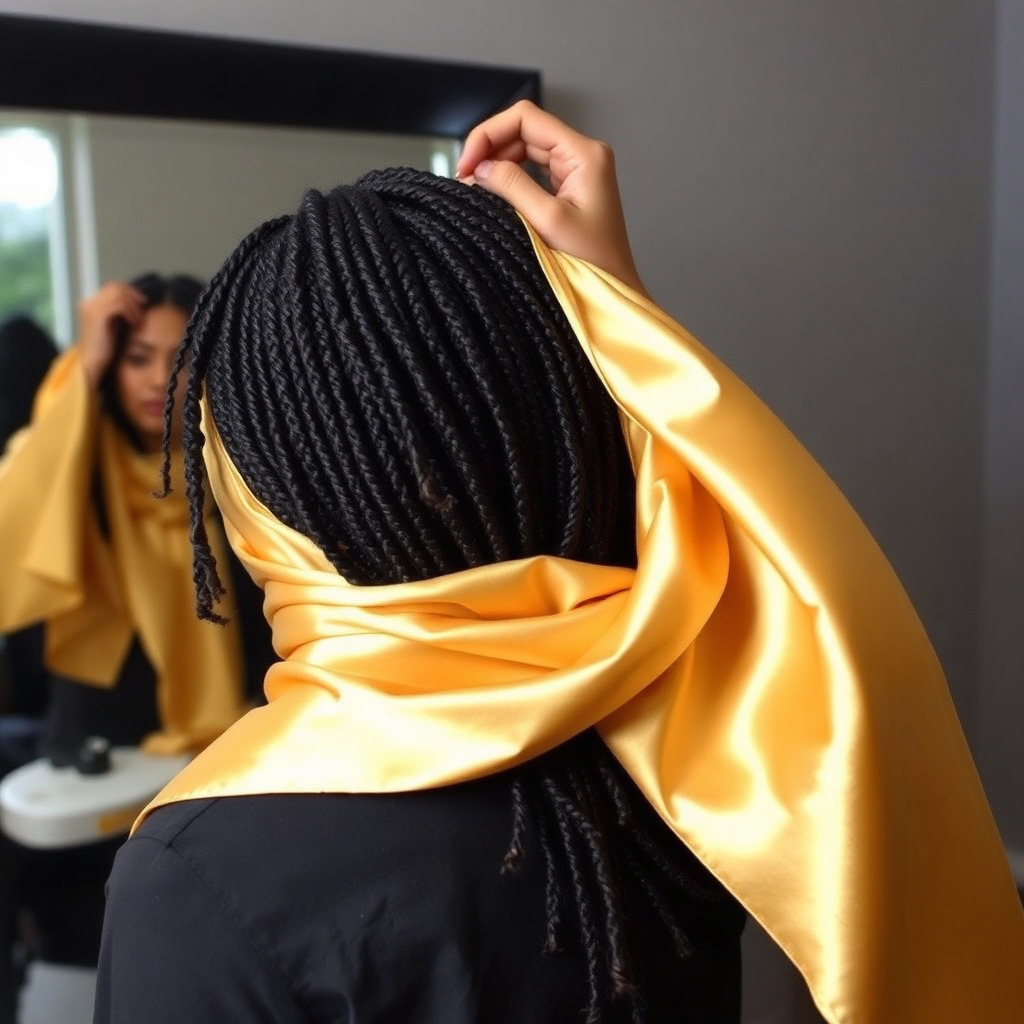
Methods to Secure Locs with Scarves and Bonnets
There are several methods for wrapping locs securely without causing tension on the hairline. A common approach is to gather locs loosely at the crown before wrapping with a satin or silk scarf, tying it in a way that holds the hair gently in place.
Using a bonnet cap after the scarf adds an extra protective layer. This helps keep the scarf from slipping off during sleep and reduces movement-induced friction.
- Gather locs without tight pulling
- Wrap silk/satin scarf securely
- Use bonnet cap to hold wrap in place
- Choose adjustable scarves for comfort
For more on this, see our related guide: How to Style Locs for Sleeping to Protect Your Hair Overnight.
Alternative Night Protection like Silk Pillowcases
If wearing a scarf or bonnet is uncomfortable, silk or satin pillowcases are excellent alternatives. They offer the same friction-reducing benefits while allowing the hair to stay uncovered.
Switching to a silk pillowcase gradually helps maintain loc moisture and decreases the chances of tangling and lint accumulation.
- No need to wrap hair every night
- Reduces hair breakage caused by friction
- Easier to use when sleeping in various positions
- Compatible with sensitive scalps
Impact of Sleeping Positions on Loc Care

Back and Side Sleeping for Minimal Hair Stress
Sleeping on your back or side is generally gentler on locs compared to stomach sleeping. These positions decrease direct pressure and friction on the hair, which helps maintain the loc structure and reduces scalp irritation.
Back sleeping also helps keep the hairline intact and avoids distorting loc patterns that can occur from constant face contact.
- Reduce friction during sleep
- Maintain loc alignment
- Protect scalp from pressure
- Avoid flattening locs overnight
Challenges with Stomach Sleeping and How to Adjust
Stomach sleeping can cause excess rubbing on pillow surfaces and can displace locs or cause tension at the roots. If you tend to sleep this way, it’s helpful to use a smooth satin or silk pillowcase combined with a bonnet cap to reduce friction.
Incorporating lightweight silk scarves wrapped loosely over the locs can also cushion the hair and minimize disturbance caused by movement during the night.
- Increase friction risk causing breakage
- Can distort loc shape
- Use soft fabric covers if stomach sleeping
- Avoid tight wraps to prevent discomfort
Establishing a Nighttime Loc Care Routine
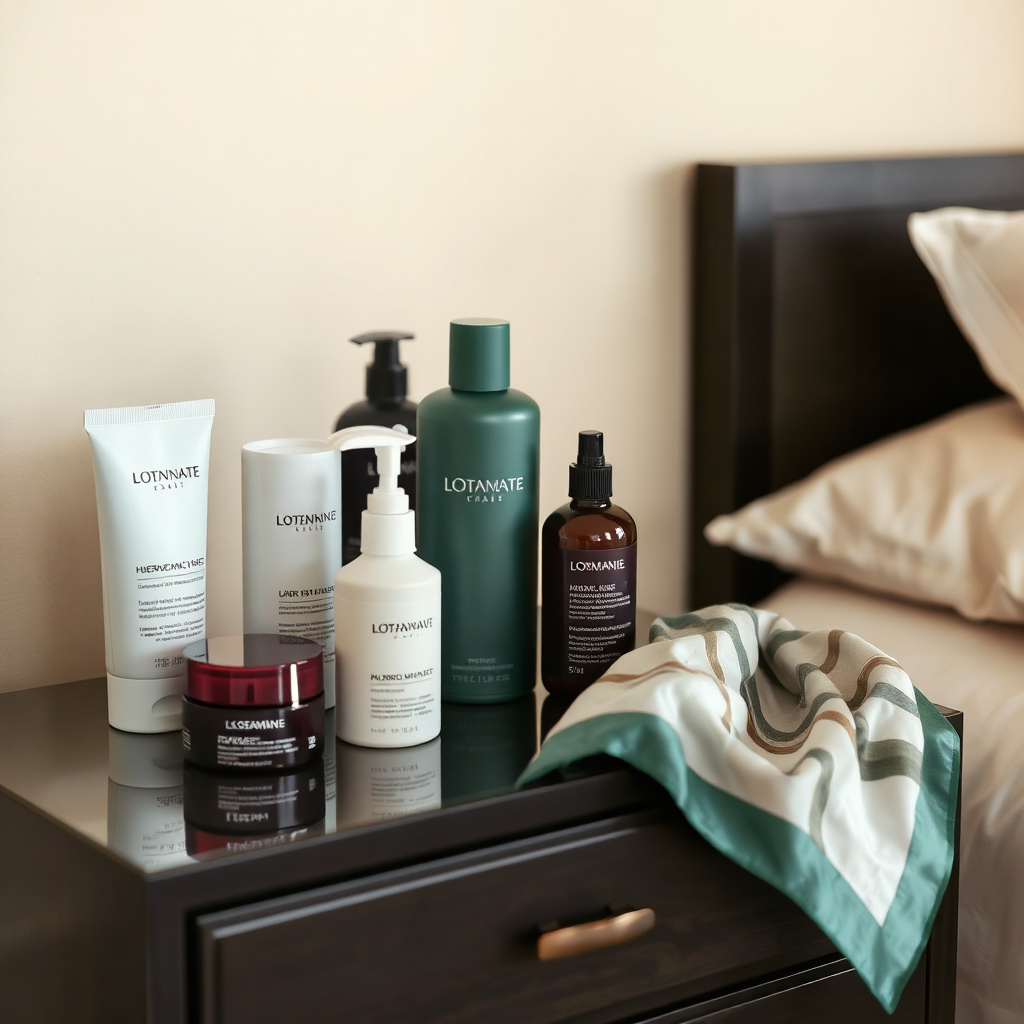
Step-by-Step Routine for Healthy Loc Maintenance
A consistent nighttime routine can significantly improve loc health. Start by gently moisturizing locs with a water-based spray and a light oil. Then, wrap locs in a satin or silk scarf to lock in moisture and reduce friction.
Follow by placing a bonnet over the wrapped locs for added security. Exercising this habit nightly protects locs, controls frizz, and lends longevity to styles.
- Lightly mist locs with water-based spray
- Apply small amount of natural oil
- Wrap hair gently with satin scarf
- Cover with bonnet cap to secure
For more on this, see our related guide: How to Do Faux Locs: A Step-by-Step Guide for Stylish Protective Hairstyles.
Adjusting Routine Based on Loc Type and Length
Short, medium, and long locs may require different wrapping techniques and product amounts. For example, longer locs need larger scarves and looser wraps to avoid tension, while short locs can tolerate snugger methods.
Thicker locs might benefit from more moisturizing products compared to thinner locs. Tailor your nightly care depending on hair texture, moisture needs, and personal comfort.
- Use larger wraps for long locs
- Adjust moisturizing for loc thickness
- Looser wraps for sensitive scalp
- Experiment to find comfortable method
Common Mistakes When Protecting Locs at Night

Overloading Locs with Products Before Bed
Using excessive oils, creams, or heavy moisturizers can cause product buildup in locs, leading to scalp irritation and slow drying. This buildup can attract lint and cause locs to feel weighed down.
Keep product application light and focused on maintaining hydration instead of layering heavy substances overnight.
- Avoid heavy creams or waxes at night
- Apply minimal oil to seal moisture
- Rinse and cleanse locs regularly
- Monitor scalp health consistently
Understanding the benefits of satin fabric can help you appreciate why it is preferred for protecting hair, including locs, during sleep. satin hair protection benefits.
Skipping Protective Covers or Wrapping Completely
Not covering locs can lead to dryness, increased friction, and breakage. Even short or starter locs benefit from protection because they are vulnerable to unraveling and lint accumulation from contact with cotton pillowcases.
Forming a habit of wrapping or using silk pillowcases enhances both loc appearance and health.
- Never sleep on cotton pillow without cover
- Use at least a bonnet or scarf
- Protect locs regardless of hair length
- Damage prevention starts at night
Loc Night Protection Methods Comparison
This table compares different nighttime loc protection options based on comfort, moisture retention, and hair health impact.
| Method | Comfort Level | Moisture Retention | Hair Breakage Prevention | Ease of Use |
|---|---|---|---|---|
| Silk Scarf + Bonnet | High | Excellent | Very Good | Moderate |
| Satin Pillowcase | High | Good | Good | Easy |
| Satin Bonnet Alone | Moderate | Good | Good | Easy |
| Cotton Pillowcase (No Cover) | Low | Poor | Poor | Easy |
| Loose Scarf Wrap | Moderate | Good | Good | Moderate |
Frequently Asked Questions
Can I protect my locs without wearing a scarf or bonnet at night?
While using a scarf or bonnet is most effective for protecting locs, switching to a silk or satin pillowcase helps reduce friction and moisture loss if you prefer not to cover your hair.
How often should I moisturize my locs before bed?
Moisturizing every night with a light water-based spray and a small amount of oil promotes hydration without causing buildup, but adjust frequency based on your hair’s dryness and seasonal changes.
Are there any risks to wrapping locs too tightly at night?
Wrapping locs too tightly can cause tension on hair follicles and the scalp, leading to breakage and discomfort. Wrap gently to secure locs without putting strain on the roots or edges.
Is it necessary to adjust my nighttime routine based on loc length?
Yes, longer locs typically require larger wraps and looser techniques to avoid tension, while shorter locs can be wrapped more snugly. Tailor your routine for comfort and protection.
Can excessive product use harm my locs overnight?
Using too much product before bed can lead to buildup that attracts lint, causes scalp irritation, and slows loc drying. Apply products sparingly and cleanse regularly.
Key Takeaways
- Use silk or satin fabrics to reduce friction and preserve loc moisture at night.
- Light moisturizing with water-based sprays and oils helps maintain loc hydration without buildup.
- Gentle wrapping methods and protective covers prevent breakage and frizz during sleep.
- Adjust nighttime care according to loc length, thickness, and personal comfort.
Conclusion
Protecting locs at night requires a balance between preserving moisture and minimizing friction. Selecting smooth fabrics like silk or satin for scarves, bonnets, or pillowcases reduces hair breakage and dryness. Developing a consistent nighttime routine while avoiding heavy product use and overly tight wrapping helps maintain the strength and appearance of locs over time. These practices support healthy loc growth by reducing damage that often occurs during sleep.
For those with longer or thicker locs, larger satin scarves combined with a bonnet offer secure protection and accommodate hair volume comfortably. Shorter locs benefit from snug but gentle wraps. Incorporating hydrating sprays and lightweight oils before bed locks in moisture efficiently without risking buildup. For individuals uncomfortable wearing head wraps, silk pillowcases are a practical alternative that still preserves moisture and controls frizz. Choosing appropriate methods based on your loc type and comfort makes nighttime care manageable and effective.
Taking these steps provides a solid foundation for healthier locs, making your hair more resilient and vibrant day after day. Start by integrating basic moisture retention and protection using satin or silk materials, then refine your routine based on your hair’s unique needs. Consistency is crucial, so find what works best for you and maintain that practice to enjoy strong, well-maintained locs. Learn more about loc care and hair protection from credible resources to continue improving your hair health.