How to Do Cornrows for Beginners: A Step-by-Step Guide
Doing cornrows for beginners starts with understanding the basic braiding technique and how to section your hair properly. Cornrows are a protective hairstyle where the hair is braided close to the scalp in straight lines or creative patterns. To start, you’ll need a comb, some hair clips, and a little patience to practice the three-strand braiding method on small sections of hair.
Cornrows matter because they help protect natural hair from damage, promote growth retention, and offer a versatile, low-maintenance style that lasts weeks. Many beginners feel intimidated by cornrows because the technique looks complex, but with clear steps and some practice, anyone can master it. Proper sectioning and consistent tension during braiding are key to neat, lasting cornrows.
This guide will cover the tools you need, how to prepare your hair, step-by-step instructions for basic cornrows, tips to avoid common mistakes, and ideas for styling your finished braids. By the end, you’ll have the confidence to create neat and uniform cornrows even as a beginner.
Tools and Preparation for Cornrows

Essential Tools for Beginners
Starting with the right tools makes cornrowing easier for beginners. You will need a rat-tail comb for precise parting, hair clips or small elastics to hold sections, and a wide-tooth comb for detangling. Optional items include edge control gel for smoother braids and a spray bottle filled with water to keep hair moist.
Using the rat-tail comb to part clean, straight lines helps create neat braids. Hair clips keep unbraided sections out of the way, making the process smoother and more organized. Moist hair is easier to braid and less prone to breakage, so spritz gently when needed.
- Rat-tail comb
- Hair clips or elastics
- Wide-tooth comb
- Edge control gel (optional)
- Spray bottle with water
Preparing Your Hair
Before starting cornrows, thoroughly detangle your hair to avoid knots that will make braiding difficult. Wash and condition your hair to add moisture and softness, which aids manipulation. If your hair is naturally dry or coarse, applying a leave-in conditioner or light oil can prevent breakage during braiding.
Divide your hair into sections according to your desired cornrow layout. Keep your scalp and hairline clean to make the process easier and promote healthy hair growth. Well-prepared hair braids more smoothly and maintains the style longer.
Basic Cornrow Braiding Techniques
Starting Your First Cornrow
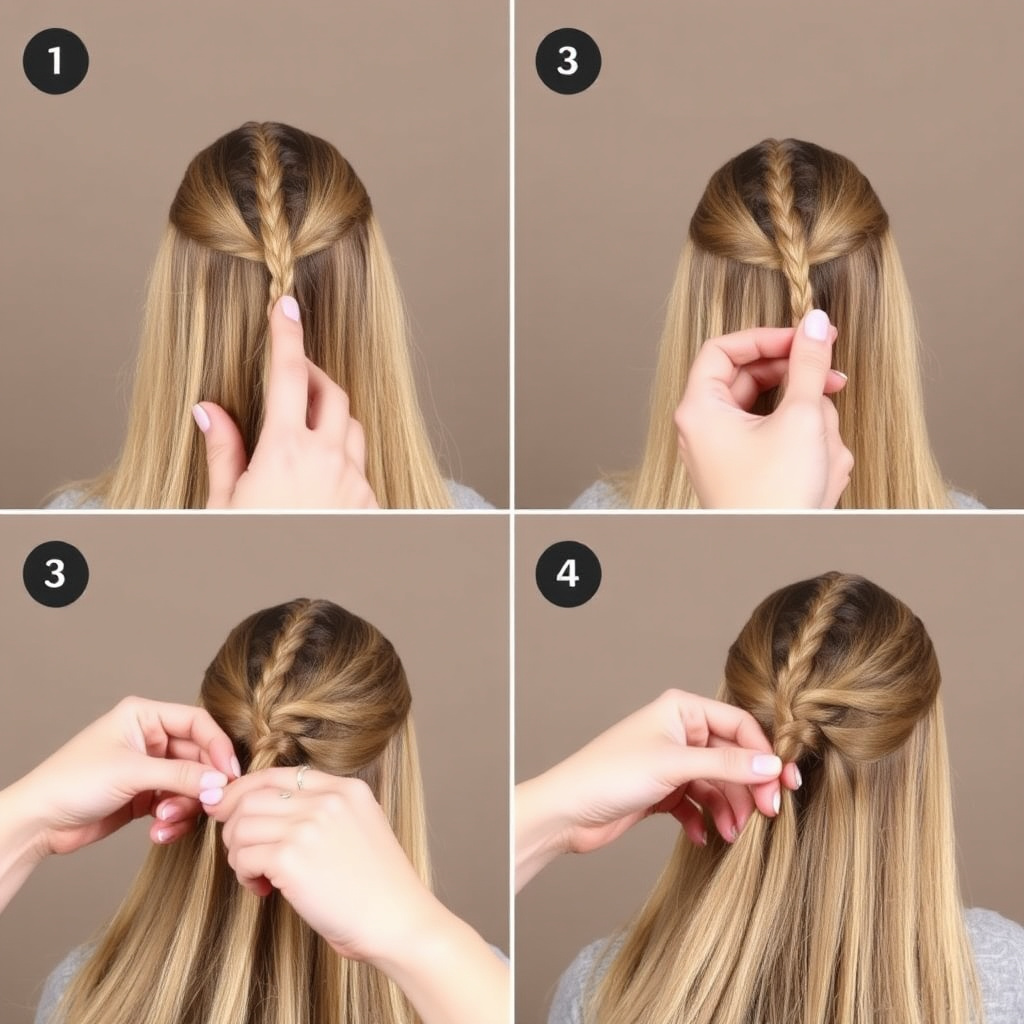
Begin by parting a straight, narrow section of hair from the front hairline. Divide this section into three equal strands. Hold two strands in your dominant hand and one in the other, starting a regular three-strand braid close to the scalp.
To turn the braid into a cornrow, incorporate small amounts of hair from the scalp into each strand before crossing it over the middle strand. Maintain even tension as you add hair and braid down the section. Practice keeping your fingers close to the scalp for a tight, neat braid.
- Part a straight hair section
- Divide into three strands
- Add hair from scalp as you braid
- Keep even tension
For more on this, see our related guide: How to Do a Wig Install at Home: A Step-by-Step Guide.
Continuing and Finishing Braids
Work the braid down the length of the hair, continuously adding hair from the scalp at each crossover. If your hair run outs of loose ends, finish with a traditional braid or secure with an elastic. Small, consistent sections make the cornrows look more professional and last longer.
If you make a mistake or the braid starts to loosen, gently undo the section and start over. The key in basic cornrow braiding techniques is patience and slow, deliberate movements to keep the lines straight and the tension consistent.
Common Mistakes to Avoid When Doing Cornrows for Beginners

Uneven Partings and Loose Braids
One common mistake is creating uneven or messy partings which cause the cornrows to look sloppy and uneven. Taking time to carefully part hair with the rat-tail comb before braiding ensures clean lines. Loose braids often happen when the braiding tension is inconsistent, which can lead to a shorter lifespan of the hairstyle.
Avoid this by practicing steady, gentle pressure throughout the braid and correcting your partings if they look irregular. Using clips to hold sections apart can help maintain clean divisions between rows.
Braiding Too Tightly or Too Loosely
Braiding hair too tightly can strain the scalp and hair roots, potentially causing discomfort or hair loss over time. Conversely, overly loose braids will unravel quickly and not keep a sturdy shape. For beginners, finding a moderate tension that feels secure but comfortable is important.
Listen to your scalp while braiding; slight firmness is okay, but avoid pain. As you gain experience, adjusting tension becomes more intuitive and results in cornrows that last longer without harming your hair.
Styling Finished Cornrows

Accessorizing Your Cornrows
Adding beads, cuffs, or colorful thread can personalize your cornrows and create stylish designs. Use small rubber bands or hair-safe fasteners to attach accessories without damaging braids. Accessories help showcase creativity and complement your outfit or occasion.
Take care not to overload braids with heavy decorations as this can strain the hair. Start with simple accents if you're new to accessorizing cornrows and slowly explore bolder styles.
- Beads
- Hair cuffs
- Colored thread
- Rubber bands
For more on this, see our related guide: How to Do a Wig Install: Step-by-Step Guide for a Natural Look.
Maintaining Cornrows Post-Styling
To keep cornrows looking fresh, cover your hair with a satin or silk scarf at night to reduce friction and frizz. Moisturize your scalp lightly every few days to prevent dryness. Washing cornrows gently is possible, but avoid vigorous scrubbing which loosens braids.
Regular maintenance helps prolong your style and keeps your scalp healthy. With proper care, beginner cornrows can stay neat for two to four weeks.
Advanced Tips for Cornrows for Beginners

Practicing Different Patterns
Once comfortable with basic straight cornrows, begin experimenting with curved or zigzag patterns for visual interest. Advanced techniques require planning your partings ahead and steady hand control. Using the basic cornrow braiding techniques as a foundation allows you to progress toward complex styles gradually.
Sketching your desired design or watching tutorial videos can help you understand pattern paths before you start. Practicing on wigs or mannequin heads provides a low-pressure way to develop skill.
For a deeper understanding of cornrows and their cultural significance, check out this detailed overview of cornrows hairstyle history and technique. cornrows hairstyle history and technique.
Incorporating Extensions
Adding braiding hair extensions can add length and volume to your cornrows. Extensions are carefully integrated strand by strand as you braid, matching your natural hair texture as closely as possible. Learning the extension method early can enhance your style range and give protective styling options.
Extensions require patience to master the technique and proper installation to avoid tension on your natural hair. Starting with simple extensions in basic cornrows is recommended before moving on to elaborate styles.
Different Types of Cornrows for Beginners Compared
Here's a table comparing common cornrow styles suitable for beginners, highlighting ease of technique and maintenance needs.
| Cornrow Style | Complexity Level | Maintenance Required | Best For |
|---|---|---|---|
| Straight Back Cornrows | Easy | Low | Daily wear, protective styling |
| Curved Cornrows | Medium | Medium | Casual wear, adding style |
| Zigzag Cornrows | Medium | Medium | Creative looks, social events |
| Feed-In Cornrows with Extensions | Hard | High | Extended length and volume |
| Triangle Section Cornrows | Medium | Medium | Unique patterns for style |
Frequently Asked Questions
How long do cornrows last for beginners?
Cornrows typically last between two and four weeks when braided correctly and maintained gently. Beginners may have a shorter duration initially as they develop braiding consistency.
Can I do cornrows on wet hair?
It's best to braid cornrows on damp, not soaking wet hair. Damp hair is easier to handle and less likely to break during braiding, while very wet hair takes longer to dry and may weaken the braid.
What hair types are best for cornrows?
Cornrows work well on textured hair types that have some natural curl or coil, as these provide grip for the braids. However, with the right technique, people with straighter hair can also wear cornrows.
Do cornrows damage hair?
Cornrows themselves don’t damage hair if done and maintained properly. Damage usually comes from braiding too tightly or keeping the style for too long without breaks, which can stress the hair roots.
How can beginners practice cornrows more effectively?
Practicing on mannequin heads or friends with textured hair helps beginners refine their parting and braiding skills. Watching tutorial videos and using mirrors improves technique and confidence.
Key Takeaways
- Start with clean, detangled hair and the right tools for neat cornrows.
- Use steady tension and clean partings to create durable and tidy braids.
- Practice the basic three-strand technique before exploring patterns or extensions.
- Maintain cornrows by moisturizing and protecting hair overnight.
Conclusion
Choosing how to do cornrows for beginners involves focusing on mastering the foundational technique of braiding close to the scalp while sectioning hair precisely. This approach helps avoid frustration and leads to neat, long-lasting styles. Taking time with preparation and practicing on simple straight-back cornrows builds the muscle memory and patience required for more complex braiding down the road.
For those looking to get started, straight-back cornrows are the best choice due to their simplicity and ease of maintenance. Once comfortable, experimenting with curved or zigzag patterns along with basic cornrow braiding techniques can add flair to your style. If you're interested in added volume or length, feed-in cornrows with extensions are a natural next step but require more skill.
Practical next steps include gathering essential tools such as a rat-tail comb and clips, taking care of your hair health before braiding, and dedicating practice sessions to braid evenly and with controlled tension. Keeping patience throughout the learning curve will pay off with polished cornrows you'll enjoy wearing.




One Comment