How to Do Mini Twists: A Step-by-Step Guide for All Hair Types
Mini twists are a protective hairstyle that involves sectioning hair into small parts and twisting two strands around each other. To do mini twists, start with clean, detangled hair, then divide your hair into small sections. Apply a moisturizing product to each section, split it into two strands, and twist them around each other from root to tip. Secure the ends if needed and repeat until the entire head is complete.
This style is popular because it protects natural hair from damage, reduces daily manipulation, and lasts for several weeks with proper care. Mini twists can also be styled in various ways, offering versatility while promoting hair growth and maintaining moisture.
In this article, you will find detailed instructions for preparing your hair, twisting techniques for different hair textures, tips for maintenance, and styling ideas to keep your mini twists looking fresh. Whether you're a beginner or want to perfect your technique, this guide covers essential points on how to do mini twists successfully.
Preparing Your Hair for Mini Twists
Washing and Conditioning
Start with freshly washed and conditioned hair to ensure your scalp and strands are clean. Use a moisturizing shampoo and a deep conditioner appropriate for your hair type to prevent dryness during the twisting process.
Rinse thoroughly and detangle your hair gently using a wide-tooth comb or your fingers to reduce breakage. Dry your hair completely to help twists hold better and last longer.
- Use sulfate-free shampoo for gentle cleansing
- Apply deep conditioner for extra moisture
- Detangle with care to avoid damage
Detangling and Sectioning
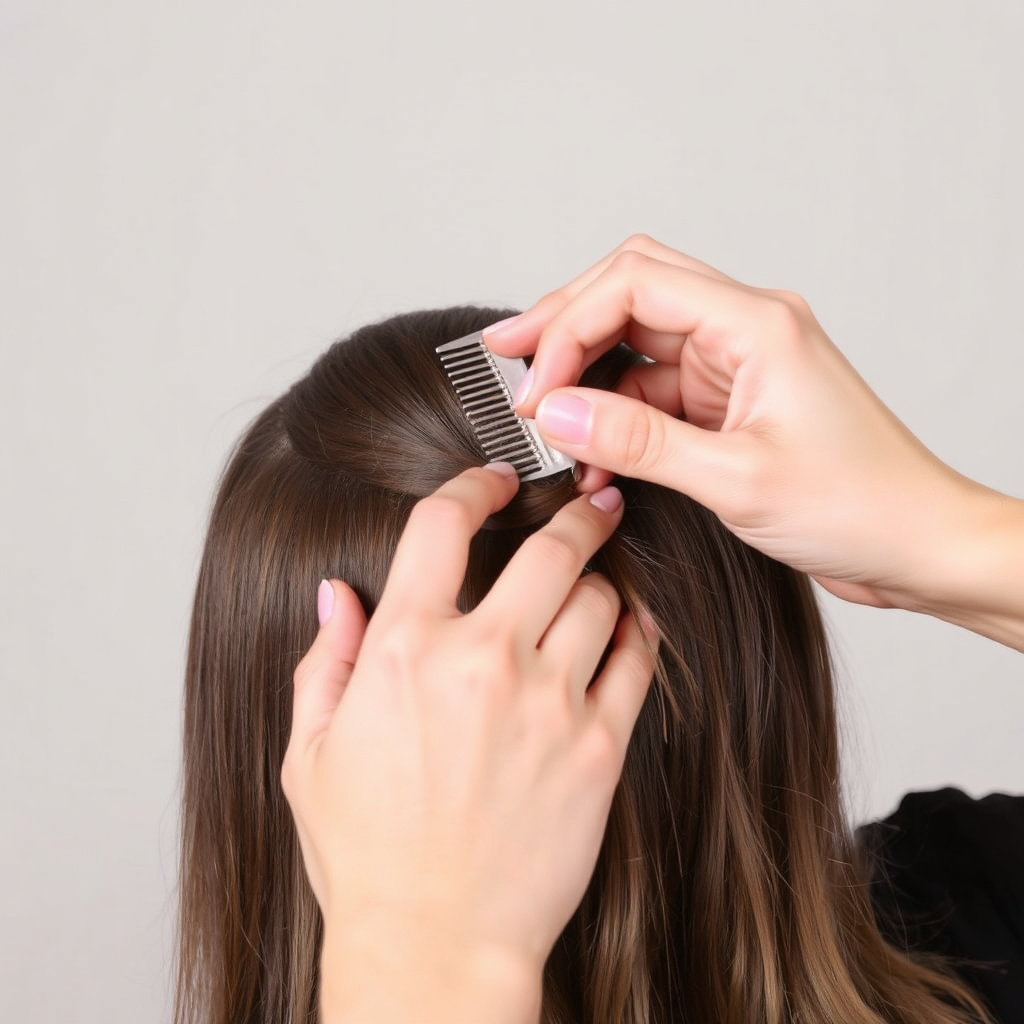
Divide your hair into manageable sections using clips to keep them separate. Smaller sections will lead to smaller, tighter twists, so if you want true mini twists, aim for sections that are about a quarter inch wide.
Work section by section to gently detangle each part. Using a leave-in conditioner or twisting butter can add slip to your hair, making twists smoother and reducing frizz.
- Use a rat-tail comb for precise sectioning
- Apply leave-in conditioner for slip
- Use hair clips to keep sections apart
Twisting Techniques for Mini Twists

Basic Two-Strand Twist Method
Take a small section of hair and divide it equally into two strands. Twist one strand clockwise while twisting the other strand clockwise, then wrap them around each other counterclockwise. Consistent tension helps keep twists neat and secure.
Repeat this technique for every section of your hair. Twist the strands tightly but without pulling too hard to avoid discomfort or damage at the roots.
- Divide hair section into two equal strands
- Twist each strand individually first
- Wrap strands around each other tightly
For more on this, see our related guide: How to Moisturize Twists for Long-Lasting Hydration and Shine.
Twisting for Different Hair Textures
For tighter curl patterns (like 4B or 4C), you might find it easier to use a twisting gel or cream for better hold and definition. Looser curl types may need less product but benefit from some moisture to maintain softness in the twists.
For very fine or straight hair, try starting twists on slightly damp hair and use a light styling cream that adds grip without weighing the hair down.
- Use moisturizing cream for coarse textures
- Minimal product for fine hair to avoid buildup
Maintaining Your Mini Twists

Protecting Your Twists Overnight
Wear a satin or silk bonnet or scarf to bed to reduce friction and moisture loss, which can cause frizz and breakage. If you don’t have a bonnet, a satin pillowcase is a good alternative.
Reapply a light oil or moisturizing spray every few days to keep your twists hydrated and soft without causing buildup.
- Use satin or silk bonnet/scarf while sleeping
- Apply light oil every 3-4 days
- Avoid water-heavy products to prevent unraveling
Washing and Touch-ups
Keep scalp clean by gently washing with diluted shampoo or co-washing without disturbing the twists too much. Spot cleanse if a full wash isn’t possible without loosening twists.
If some twists unravel, retwist them individually using the same twisting technique and product. Regular touch-ups help maintain a neat look over several weeks.
- Dilute shampoo for gentle cleansing
- Retwist loose sections promptly
- Avoid frequent washing to preserve twists
Styling Ideas for Mini Twists
Casual and Everyday Styles
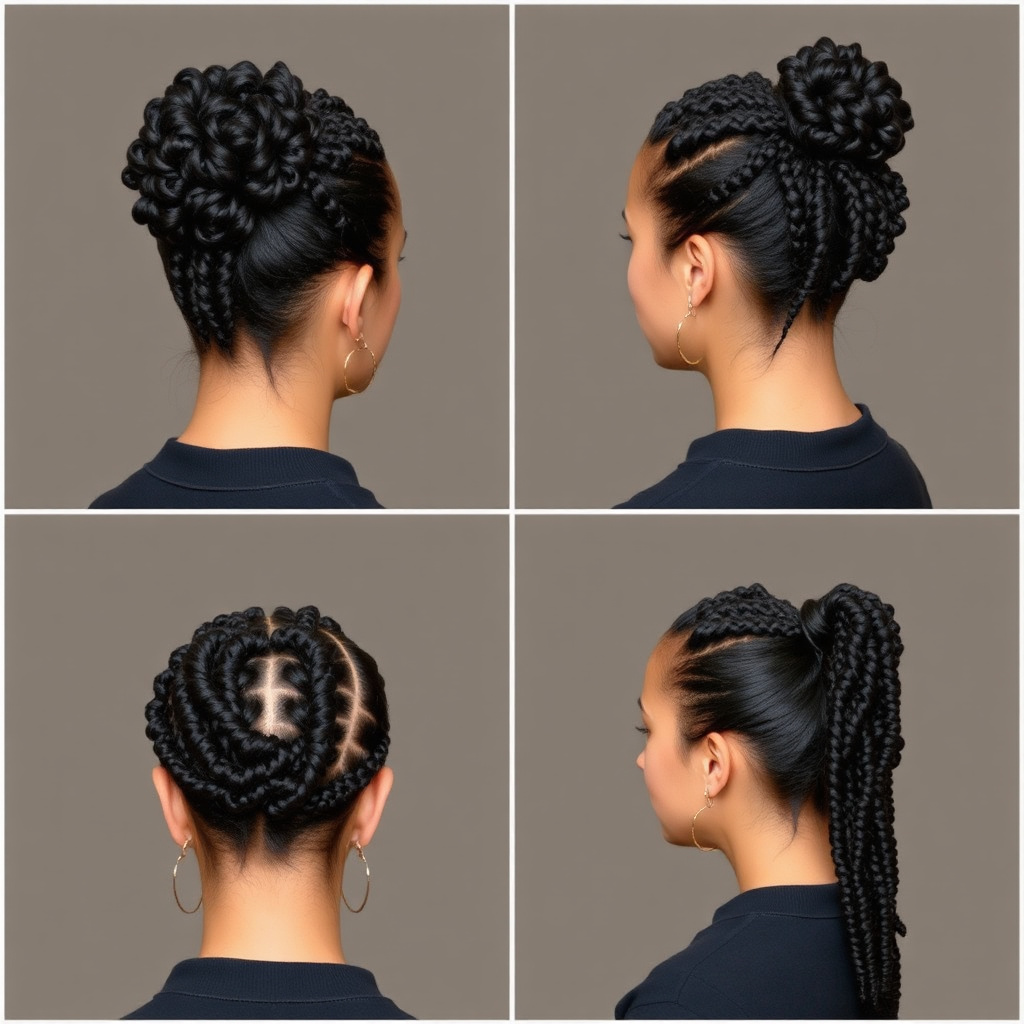
Mini twists can be worn loose for a natural, carefree look. You can also pull them into simple ponytails or buns for quick style changes. Adding accessories like beads or colorful bands can give your twists a personal touch.
Since mini twists are smaller and more uniform, they blend well in many styles without requiring much manipulation.
- Low ponytail using hair ties
- Half-up half-down with small clips
- Add beads or cuffs for flair
For more on this, see our related guide: How to Do Bantu Knots: A Step-by-Step Guide for All Hair Types.
Formal and Protective Styles
For more polished occasions, twists can be styled into elegant updos or braided into larger sections. You can gently stretch twists with heat or finger manipulation to create volume and shape before styling.
Mini twists also serve as a solid foundation for protective styles like twist buns or twistouts, which can help your hair rest while maintaining beauty.
- Twist bun secured with pins
- Braided mini twists for texture
- Create twist outs for volume
Common Mistakes and How to Avoid Them

Avoiding Scalp Tension and Damage
One common error is twisting too tightly at the roots, which can cause scalp discomfort and hair breakage. Ensure twists have firm tension but do not pull harshly on hair follicles.
If you notice redness or pain, loosen the twist immediately and moisturize the scalp to maintain health.
- Maintain gentle tension near scalp
- Moisturize scalp regularly
- Avoid thick product buildup at roots
For more detailed historical and cultural insights about twists in hairstyling, the mini twist hairstyle guide on Wikipedia provides valuable information. mini twist hairstyle guide.
Preventing Frizz and Loose Twists
Frizz and unraveling can result from skipping moisturizing steps or using inappropriate products. Using a moisturizing cream or gel specifically designed for twists helps maintain hold and shine.
Protect your hair at night and avoid excessive manipulation to reduce frizz. Touch up loose twists early to keep the style fresh longer.
- Apply moisturizer or twisting gel during installation
- Use satin bonnet at night
- Retwist any loose strands promptly
Mini Twists Hairstyle Category Comparison
Here is a side-by-side look at different mini twists categories based on maintenance, ideal hair texture, durability, and styling versatility.
| Category | Ideal Hair Type | Maintenance Level | Typical Duration | Styling Flexibility |
|---|---|---|---|---|
| Classic Mini Twists | Coily or curly (3B-4C) | Medium | 4-6 weeks | High |
| Twist Outs from Mini Twists | All hair types | Medium | 3-7 days | Very High |
| Wet Twisting Technique | Natural, coarse hair | High | 3-5 weeks | Moderate |
| Synthetic Hair Added Mini Twists | All hair types | High | 6-8 weeks | High |
| Mini Twists with Gel Hold | Fine to medium hair | Low-Medium | 2-4 weeks | Moderate |
Frequently Asked Questions
How long do mini twists usually last?
Mini twists can last between four to six weeks depending on hair care routines and hair type. Proper maintenance like moisturizing and protecting your hair at night extends their longevity.
Can I do mini twists on wet hair?
Starting mini twists on damp hair is recommended for better hold and definition, especially for fine or straight hair. However, hair shouldn’t be soaking wet to avoid breakage and mold growth.
Do mini twists cause hair damage?
Mini twists are generally a protective style that reduces breakage when done correctly. However, twisting too tightly or leaving the style in for too long without scalp care can lead to damage.
How do I maintain scalp health with mini twists?
Keep your scalp clean by spot washing and regularly applying light oils or sprays to soothe dryness. Avoid heavy products that clog pores, and gently massage your scalp to stimulate circulation.
Can mini twists be styled in updos?
Yes, mini twists are versatile and can be styled into numerous updos, buns, ponytails, or braided styles. This makes them suitable for both casual and formal occasions.
Key Takeaways
- Mini twists are done by twisting two strands of hair tightly from root to tip.
- Preparation with clean, moisturized hair improves twist longevity.
- Protect your twists at night using satin bonnets or scarves.
- Regular maintenance prevents frizz and keeps twists looking fresh.
Conclusion
Choosing to do mini twists involves considering your hair type, the maintenance you can commit to, and the style versatility you desire. This protective hairstyle works well across many hair textures, especially coily and curly types, by minimizing manipulation and supporting hair growth. Understanding the twisting techniques and giving attention to preparation and maintenance ensures your mini twists stay neat, healthy-looking, and durable over time.
For beginners or those preferring a lower-maintenance option, classic mini twists on coarser hair with moisturizing products are ideal. If you want temporary stylish looks, twist outs provide volume and variation. Adding synthetic hair can add length and fullness but requires more care. By protecting your hair at night and addressing any loosened twists promptly, you maximize the style’s longevity while safeguarding scalp health.
If you’re ready to try mini twists, start with clean, conditioned hair, section small parts, and twist with consistent but gentle tension. Use appropriate moisturizing products and nightly protection to avoid frizz and damage. Over time, explore styling options—ranging from simple ponytails to elegant updos—to enjoy this versatile hairstyle fully. Remember to listen to your hair’s needs and adjust product use and maintenance frequency accordingly for the best results.


One Comment