How to Moisturize Twists for Long-Lasting Hydration and Shine
Moisturizing twists properly involves using a light water-based spray followed by a sealing oil or cream to lock in hydration without weighing down your hair. Start by spritzing your twists with water or a hydrating mist, then apply your chosen moisturizer evenly to each section, ensuring your twists remain moisturized and manageable throughout the week.
Twists tend to dry out due to the increased surface area exposed to air and manipulation, which can lead to brittleness and breakage. Proper moisture routines help maintain hair elasticity, prevent frizz, and keep your twists looking neat and well-defined, making longevity and healthy hair easier to achieve.
This article will explore hydration strategies tailored for twist hairstyles, including product recommendations, daily care tips, and common mistakes to avoid. Whether you have natural, synthetic, or protective twists, these guidelines will help maintain moisture without causing buildup.
Understanding Moisture Needs for Twists
Why Moisturizing Twists Matters
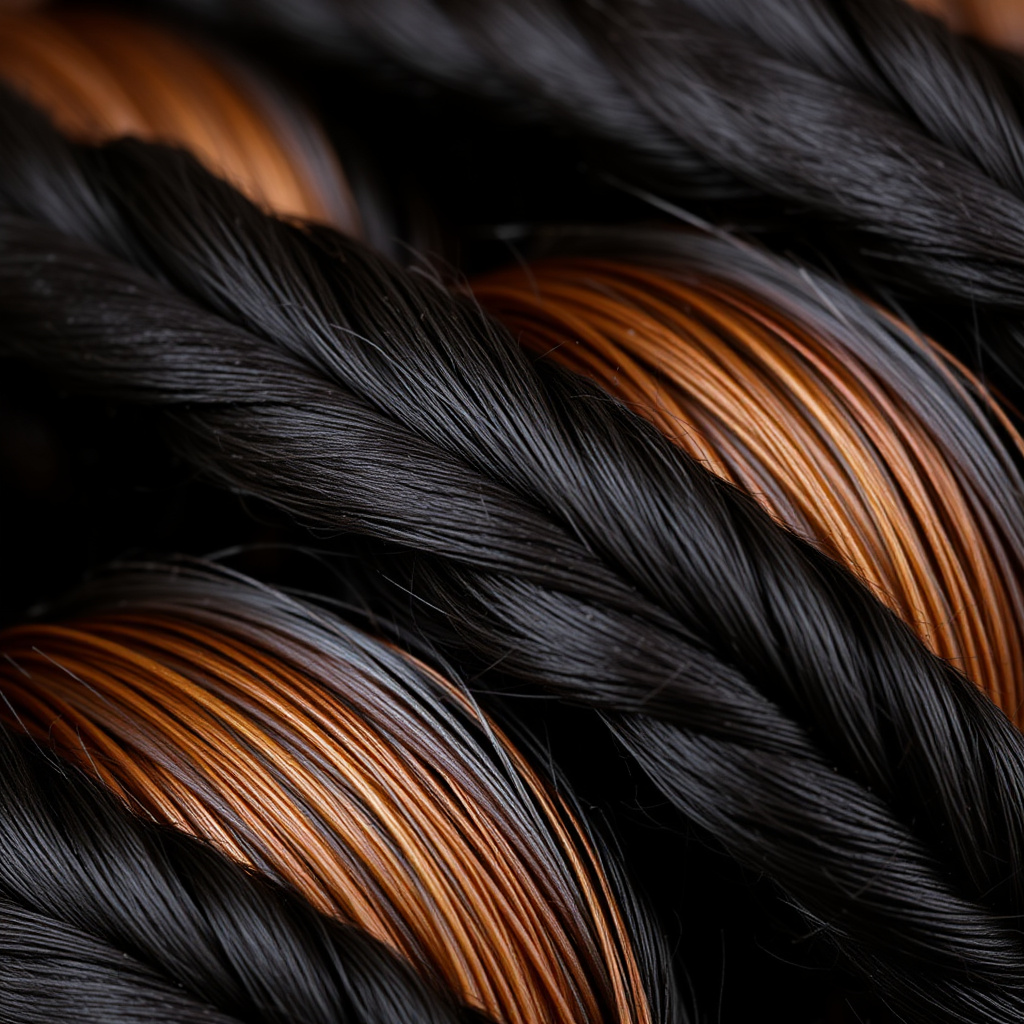
Twists can easily dry out because their compact structure exposes hair strands to air and environmental factors. Without adequate moisture, twists become brittle and prone to breakage, which damages the hair and shortens style longevity.
Moisturizing preserves the hair’s natural elasticity, making it easier to manipulate and less likely to snap under tension. It also reduces frizz, keeping the twists looking polished for extended periods.
Signs Your Twists Need Moisture
Dry, frizzy, or dull-looking twists typically indicate dehydration. If your twists feel rough to the touch or are shrinking more than usual, they lack moisture. Breakage at the roots or along the strand is another warning sign.
Observing behavior like hair strands clicking or snapping when manipulated also suggests that your twists require immediate moisturizing attention to prevent damage.
- Rough texture
- Dull shine
- Increased frizz
- Breakage or snapping
Best Products for Moisturizing Twists

Water-Based Leave-In Conditioners and Sprays
Water is the foundational moisturizer for twists. Water-based leave-in conditioners hydrate hair without buildup, keeping twists soft throughout the day. Choose products rich in humectants like glycerin and aloe vera to attract and retain moisture.
Hydrating sprays are ideal for daily use; apply them evenly to your twists and follow immediately with a sealing product to lock in hydration effectively.
- Aloe vera sprays
- Glycerin-based leave-ins
- Lightweight moisturizing mists
Oils and Butters to Seal Moisture
After applying your water-based moisturizer, use natural oils or butters like jojoba, coconut, shea butter, or castor oil to seal in hydration. These products prevent water evaporation and add shine without causing heaviness or buildup.
Heavier oils like castor can promote scalp health and reduce shedding, but balance is key to avoid greasy buildup which can weigh twists down or attract dirt.
- Jojoba oil
- Shea butter
- Light coconut oil
- Castor oil (used sparingly)
Daily Moisturizing Routine for Twists
Step-by-Step Hydration Process
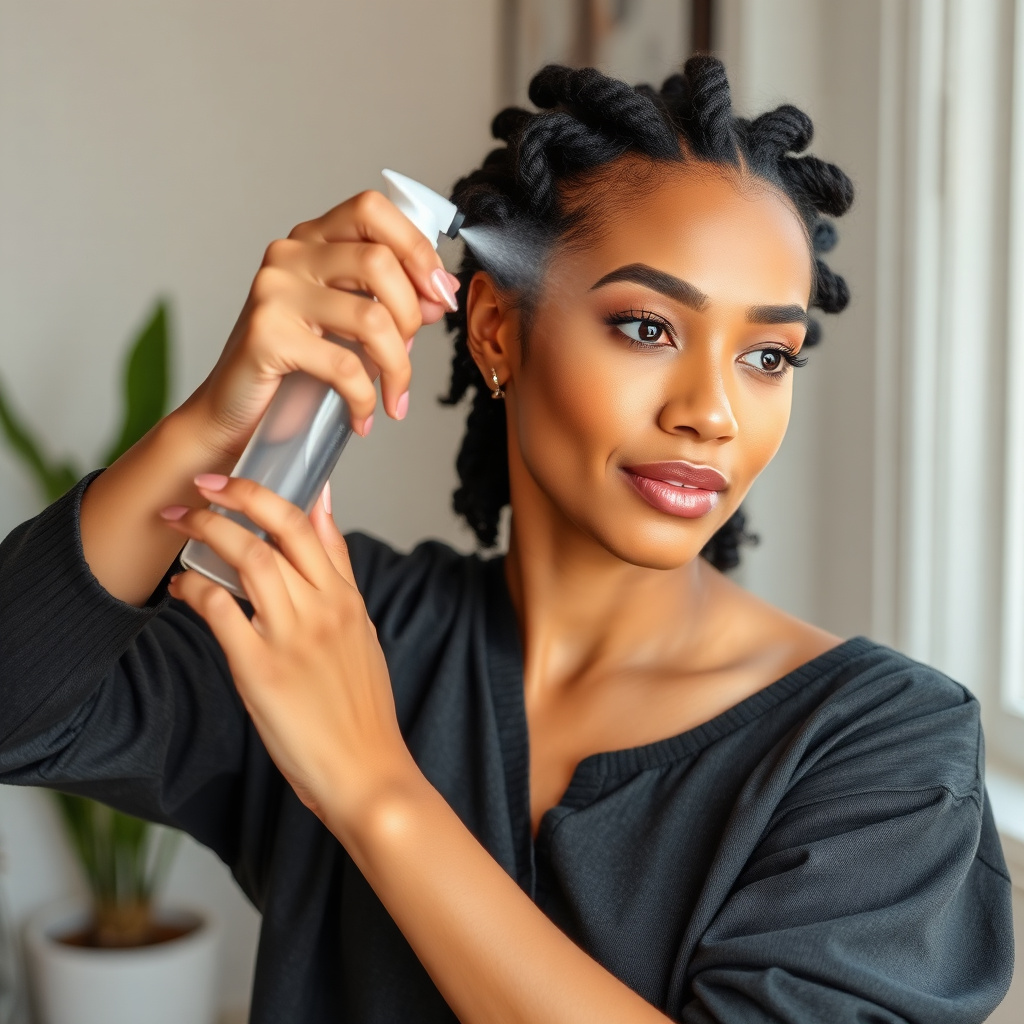
Begin by misting your twists lightly with a water-based spray. Avoid soaking to prevent frizz or loosening the twist base. Follow by massaging a moisturizing leave-in or cream evenly over each twist section.
Finish by sealing each twist with an oil or butter to lock moisture inside. This routine supports softness and flexibility, reducing breakage while maintaining twist definition.
- Spray water or light leave-in conditioner
- Apply moisturizing cream or light oil
- Seal with a heavier oil or butter
For more on this, see our related guide: How to Do Two Strand Twists on Wet Hair: A Step-by-Step Guide.
Adjusting Frequency Based on Hair Type
Coarser or thicker hair textures may require more frequent moisturizing, possibly every other day, while finer hair benefits from less frequent oil application to avoid buildup. Monitor your twists and adapt based on how dry or soft they feel.
Nighttime moisture with protective styles like satin scarves helps retain hydration, while mornings typically call for light refreshers instead of heavy products.
- Coarse hair: moisturize every 1-2 days
- Fine hair: moisturize 2-3 times a week
- Use satin scarves or bonnets at night
Common Mistakes When Moisturizing Twists

Overloading Hair with Heavy Products
Using thick creams or too much oil without proper water-based hydration causes buildup and scalp clogging, weighing twists down and causing them to look greasy or limp. Avoid layering heavy products without balancing with liquid moisturizers.
Heavy buildup can lead to scalp irritation and reduce the longevity of your twists due to increased product residue.
Neglecting the Sealing Step
Applying water or leave-in moisturizer alone allows moisture to evaporate quickly, leaving twists dry shortly after. Sealing with an oil or butter traps hydration inside the hair shaft, preventing dryness and brittleness.
Skipping sealing can cause quick dehydration especially in dry climates, leading to frizz and reduced twist lifespan.
Special Considerations for Synthetic vs. Natural Twists
Moisturizing Natural Twists
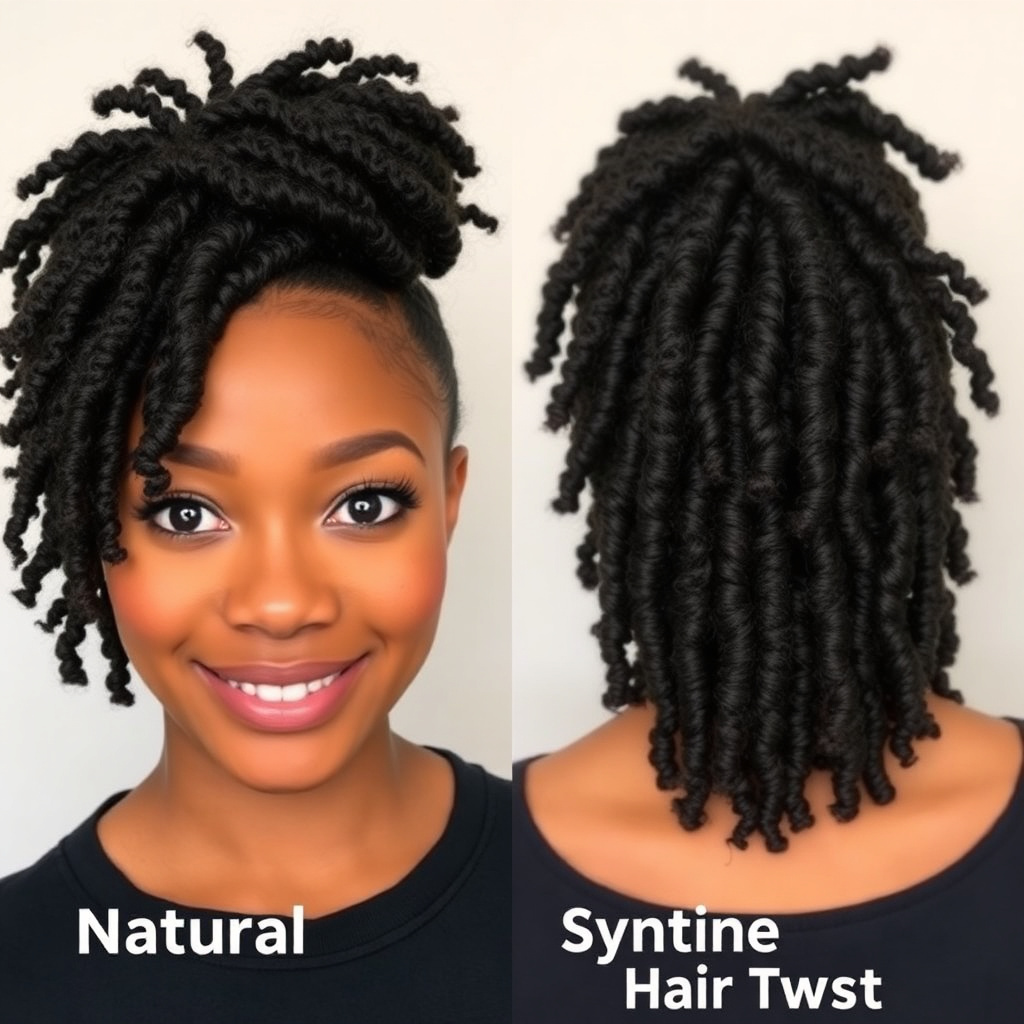
Natural hair twists respond well to frequent hydration using water-based sprays and oils suited to hair porosity. Use products formulated for natural textures to enhance moisture retention and reduce tangling in twists.
Avoid alcohol-based products that dry natural hair quickly. Consistent moisturizing extends hairstyle life and maintains healthy hair underneath the twists.
For more on this, see our related guide: How to Do Spring Twists: Step-by-Step Guide for Beautiful, Bouncy Twists.
Caring for Synthetic Twists
Synthetic hair twists don’t absorb moisture but can look dry and frizzy. Use a light water spray and a lightweight sheen or conditioning spray designed for synthetic fibers to maintain softness and shine.
Avoid heavy oils on synthetic twists as they can cause buildup and make twists look dull or greasy, reducing style longevity.
- Use light, synthetic-friendly sprays
- Avoid heavy oils and creams
- Refresh with gentle detangling as needed
Maintaining Moisturized Twists Long-Term

Nighttime Protection Techniques
Covering your twists with a satin or silk bonnet or scarf at night prevents moisture loss and friction which causes breakage and frizz. These materials keep hair hydrated longer and protect style shape.
Sleeping on satin pillowcases can also help extend twist freshness between washes and moisturizing sessions.
- Use satin or silk bonnets
- Satin pillowcases for extra protection
- Avoid cotton to reduce frizz
To further understand hair moisturizing fundamentals, you can explore more about hair care techniques on Wikipedia. hair moisturizing basics.
Periodic Deep Moisturizing Treatments
Incorporate weekly or biweekly deep conditioning treatments to replenish moisture lost over time. Use hydrating masks or hot oil treatments specific for twist hairstyles to strengthen hair and improve softness.
Regular treatments reduce buildup from styling products and refresh the natural sheen of your twists.
- Deep conditioning masks
- Hot oil treatments
- Clarifying shampoos occasionally to remove buildup
Comparison of Moisturizing Product Categories for Twists
The table below compares common moisturizing product types used on twists in terms of hydration effectiveness, buildup risk, and best application scenarios.
| Product Type | Hydration Level | Buildup Risk | Best Use Case |
|---|---|---|---|
| Water-Based Leave-In | High | Low | Daily hydration and refresh |
| Light Oils (Jojoba, Coconut) | Medium | Medium | Sealing moisture in natural twists |
| Heavy Oils and Butters (Castor, Shea) | Medium | High | Sealing in dry or thick hair, night use |
| Synthetic Fiber Sprays | Low | Low | Refreshing synthetic twists |
| Deep Conditioning Masks | Very High | Low | Weekly intensive moisture treatment |
Frequently Asked Questions
Can I use just oil to moisturize my twists?
Using oil alone won’t hydrate your twists because oil seals moisture but doesn’t add it. Combine oil with a water-based moisturizer or spritz to provide hydration before sealing with oil.
How often should I moisturize my twists?
Most hair types benefit from moisturizing twists every 1-3 days depending on hair texture and environmental dryness. Adjust frequency based on how dry your hair feels.
Is it necessary to detangle twists when moisturizing?
Gentle finger detangling can help distribute moisture evenly but avoid combing or pulling to prevent frizz or unraveling twists.
Will moisturizing cause my twists to unravel?
Light moisturizing with proper sealing won’t cause twists to unravel if done carefully. Avoid soaking the hair or heavy product buildup that weakens twist hold.
What’s the best way to lock moisture overnight?
Covering twists with a satin or silk bonnet or scarf helps lock moisture by preventing friction and moisture loss during sleep.
Key Takeaways
- Hydrate twists primarily with water or water-based moisturizers.
- Seal moisture with natural oils or butters to maintain softness and prevent dryness.
- Adjust moisturizing frequency based on hair texture and season.
- Protect twists overnight with satin coverings to preserve moisture.
Conclusion
Knowing how to moisturize twists hinges on balancing water-based hydration and sealing to lock in moisture without causing buildup. Twists require regular gentle moisturizing since their structure exposes hair to drying elements more than loose hair. Careful attention to product choice, application frequency, and protective styling collectively contribute to maintaining softness, shine, and twist longevity.
For those with natural twists, combining frequent use of light sprays enriched with humectants and sealing oils like jojoba or shea butter works best. Synthetic twists benefit from lighter conditioning sprays formulated for fibers and avoidance of heavy oils. Incorporating weekly deep conditioning treatments supports sustained moisture and strengthens hair beneath the twists. Adjust your routine based on hair thickness and environment to keep your twists healthy and looking fresh longer.
Start by selecting water-based leave-in conditioners and lightweight oils, and practice a daily moisturizing routine that involves hydration, moisturizing cream, and sealing. Use satin scarves or bonnets at night to lock in moisture and minimize friction damage. Over time, you’ll notice more manageable twists that retain softness and resist frizz, helping you maintain your style with less effort.




2 Comments