How to Paint Your Nails Neatly: Tips for a Flawless Manicure at Home
Painting your nails neatly requires a steady hand, the right tools, and a bit of patience to achieve a smooth, precise finish without smudges or streaks. The key is to prepare your nails properly, use small, controlled brush strokes, and clean up the edges carefully after application. This approach will help you get salon-quality results from your own home.
A neat manicure not only looks polished but also lasts longer and prevents chipping. Nail polish can be tricky to apply evenly, especially on curved surfaces and near the cuticles, so mastering the right techniques and using appropriate tools makes all the difference. With the right preparation and methodical application, nearly anyone can paint their nails neatly.
This article covers everything you need to know about how to paint your nails neatly, from prepping your nails and choosing your tools to applying polish with precision and fixing any mistakes effectively. You'll also find tips for drying your nails and maintaining your manicure for lasting beauty.
Preparing Your Nails for a Neat Paint Job
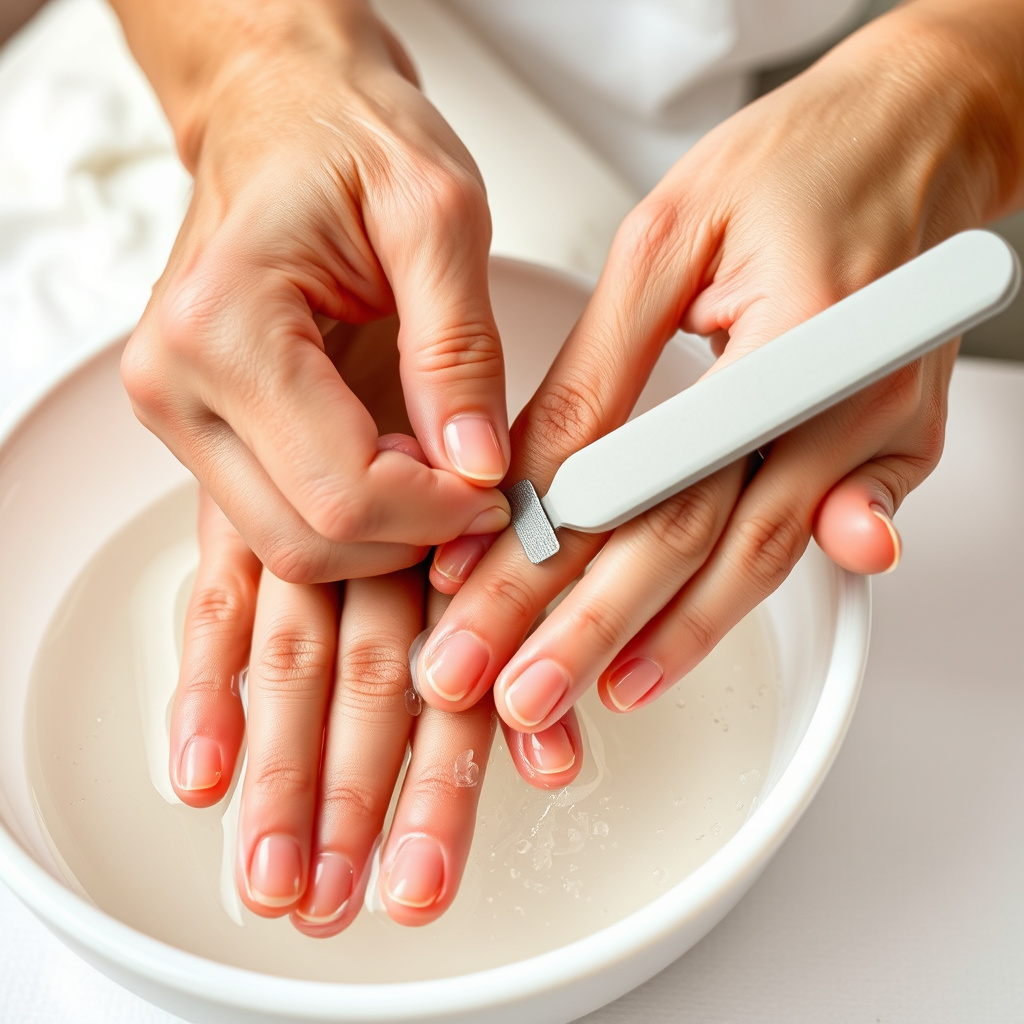
Cleaning and Shaping Nails
Start by removing any old polish with a gentle remover and washing your hands thoroughly. Trim and shape your nails using a nail clipper and file to create a smooth edge that matches your desired nail shape. Filing in one direction rather than a back-and-forth motion helps prevent splitting.
Buffing the nail surface lightly removes ridges and creates an even texture for the polish to adhere to. This preparation step prevents patchy finishes and helps the polish glide smoothly.
- Remove old polish completely
- Trim nails to uniform length
- File nails in one direction
- Buff nail surface lightly
Taking Care of Cuticles
Soften cuticles by soaking your fingers in warm, soapy water for a few minutes. Then gently push back the cuticles using a cuticle pusher or an orange stick to clear the nail edges for polish application.
Avoid cutting your cuticles harshly, as this can cause damage or infection. Keeping your cuticles neat ensures a cleaner nail bed and reduces polish smudging near the edges.
- Soak fingers before pushing back cuticles
- Use gentle tools for cuticle care
- Do not cut cuticles aggressively
Choosing the Right Tools and Products
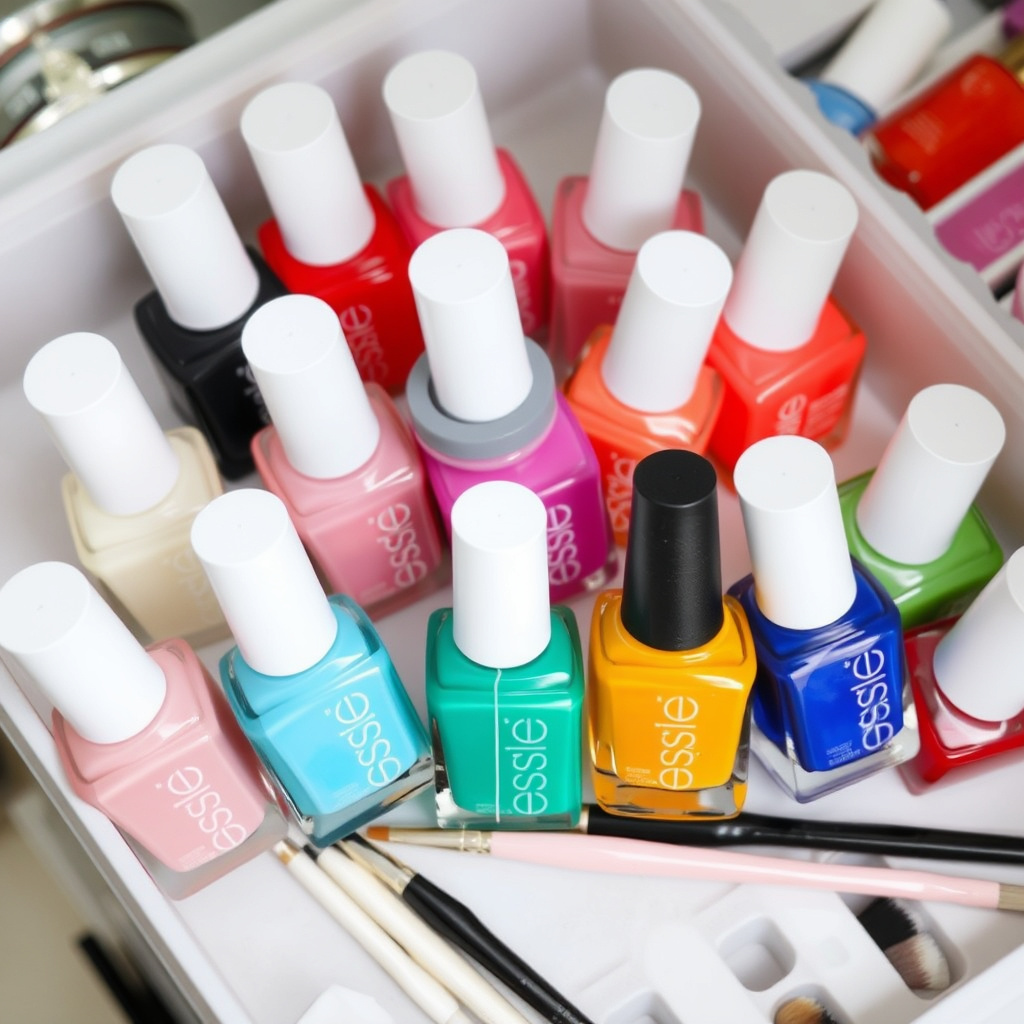
Selecting Quality Nail Polish and Brushes
Opt for nail polish with a smooth formula and apply with a brush that suits your nail size. Wide, flat brushes help cover the nail quickly but can be hard to control near edges, while thinner brushes offer more precision at the cuticles.
Good-quality polish tends to apply evenly without patchiness or streaks, reducing the number of coats needed for full coverage.
- Choose nail polish with even consistency
- Use appropriate brush size for your nail
- Avoid old or dried-out polish
Using Base Coats and Top Coats
Apply a base coat before coloring to smooth the nail surface and protect against staining. Base coats also help polish adhere better, improving manicure longevity.
Finish with a top coat to seal the color, add shine, and prevent chipping. Fast-drying top coats can speed up the process while keeping your nails neat.
- Apply a clear base coat first
- Use a top coat for shine and durability
- Consider fast-dry top coats to reduce smudging
Techniques to Paint Your Nails Neatly

Applying Polish with Precision
Start with a small amount of polish on your brush and place a drop near the base of the nail, then stroke upward in three smooth strokes: one down the center and one on each side. Avoid overloading the brush to prevent spreading polish onto your skin.
Allow each coat to dry partially before applying the next for a cleaner finish without bubbles or smudges. Typically two thin coats achieve full, even color better than one thick coat.
- Use three-stroke method per nail
- Apply thin, even coats
- Wait between coats to avoid smudging
Cleaning Up Edges and Mistakes
Use a small angled brush dipped in nail polish remover to carefully clean any excess polish around the cuticles and on the skin. This step sharpens the manicure’s appearance.
Cotton swabs or correction pens designed for nail polish can also help fix small smudges or errors without damaging the fresh polish.
- Clean edges with a precise brush and remover
- Use cotton swabs for small polish errors
- Avoid scraping polish once dry
Drying and Maintaining Your Manicure
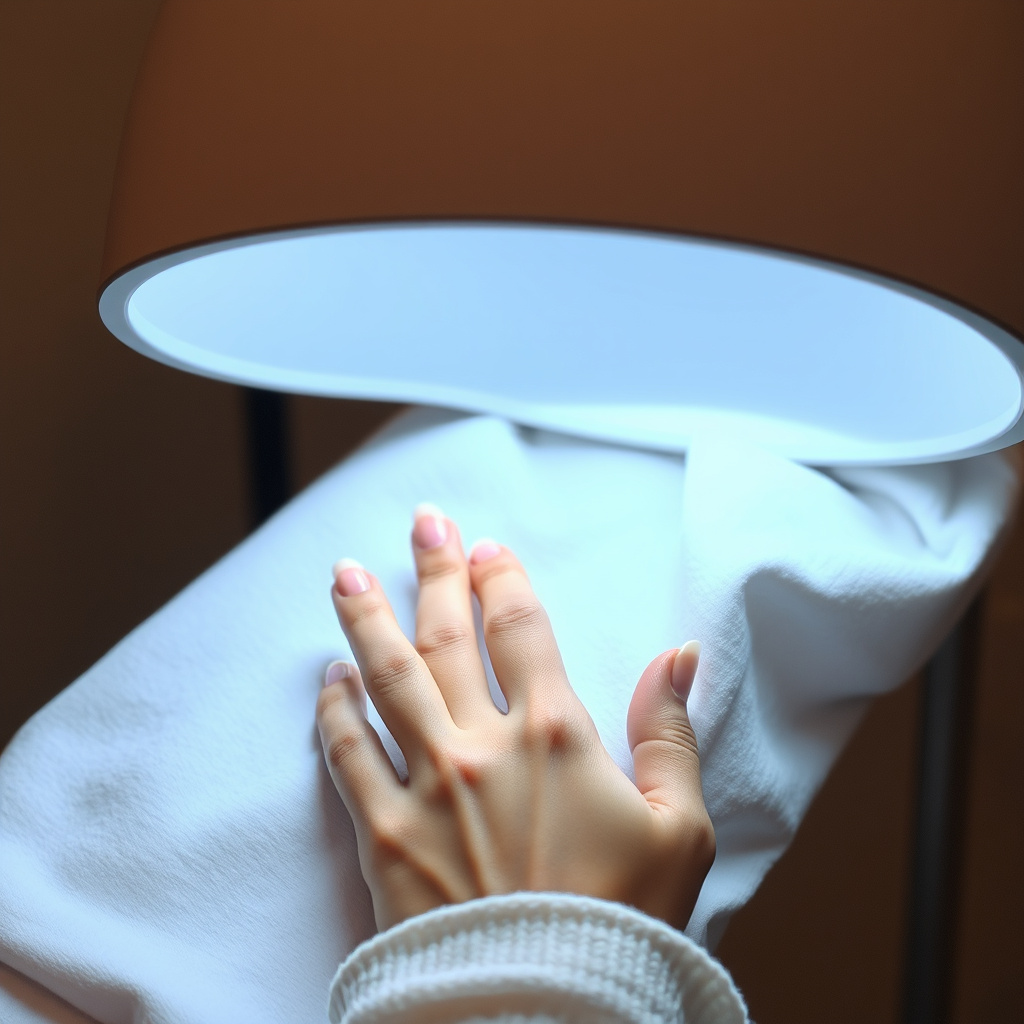
Effective Drying Methods
Speed up drying by using a fan, quick-dry spray, or dipping nails into cold water after they have set slightly. Avoid touching anything for at least 10-15 minutes to prevent dents or smudges.
Using a LED or UV nail lamp with compatible polish can dramatically reduce drying time and harden gel formulas neatly.
- Allow full drying time between coats
- Use quick-dry sprays or cold water dips
- Consider LED or UV lamps for gel polish
Caring for Your Manicure Longer
Keep your nails hydrated with cuticle oil to prevent peeling and breakage, which can ruin your neat paint job. Wearing gloves during chores reduces exposure to water and chemicals that wear down polish.
Avoid using nails as tools to lift or pry objects, as this leads to chips and scratches, disrupting your well-painted look.
- Apply cuticle oil regularly
- Wear gloves during cleaning
- Avoid using nails as tools
Advanced Tips for a Professional-Looking Finish
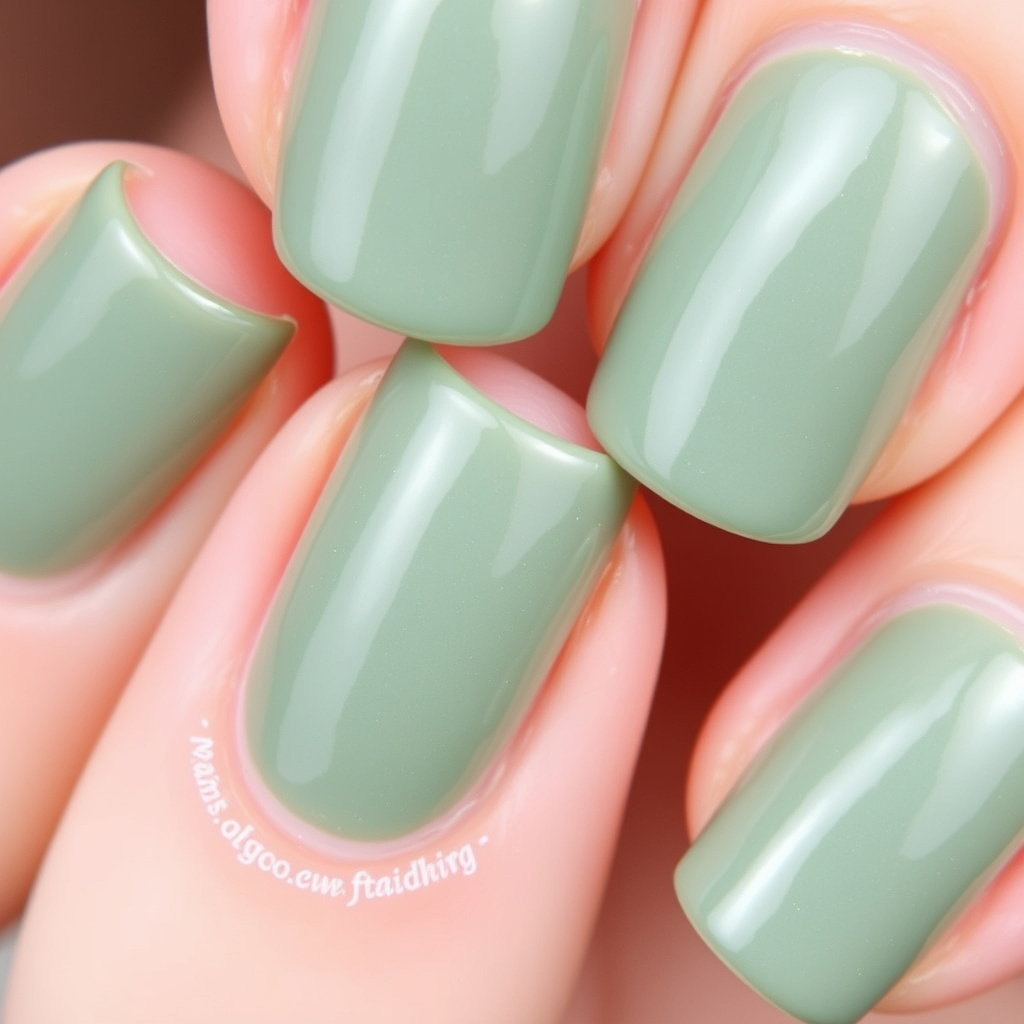
Layering and Color Techniques
For a smooth finish, thin layers applied gradually prevent uneven texture and bubbles. Using sheer polish formulas in two or three layers improves gloss and depth without bulk.
Try gradient or ombré effects using sponge dabbing methods or multicolor layering for a stylish, salon-worthy appearance.
- Apply thin, multiple layers for smoothness
- Use sponges for gradient effects
- Experiment with layering colors
For additional information on nail polish types and history, see the nail polish basics on Wikipedia. Nail polish basics on Wikipedia.
Avoiding Common Pitfalls
Do not shake your polish bottle vigorously as this causes bubbles; instead, roll it gently between your hands. Avoid applying polish too thickly in one coat as it takes longer to dry and can smudge.
If your polish thickens with age, add a few drops of polish thinner instead of acetone remover to restore consistency.
- Roll polish bottle instead of shaking
- Apply polish in thin coats
- Use polish thinner for thickened polish
Types of Nail Polish: Category Comparison
Here's a comparison of popular nail polish types to help you choose the best option for neat application and durability.
| Type | Drying Time | Durability | Finish | Ease of Application |
|---|---|---|---|---|
| Regular Nail Polish | 5-10 minutes per coat | 3-5 days | Glossy or Matte | Easy |
| Gel Polish | Cured under UV/LED in 30-60 seconds | 2-3 weeks | Highly Glossy | Medium (requires lamp) |
| Matte Nail Polish | 5-10 minutes | 3-5 days | Matte | Easy |
| Quick-Dry Nail Polish | 1-3 minutes | 2-4 days | Glossy | Easy |
| Breathable Nail Polish | 5-10 minutes | 3-5 days | Glossy | Easy |
Frequently Asked Questions
What is the best way to avoid smudging freshly painted nails?
To avoid smudging, paint thin coats and allow each layer to dry completely before applying the next. Using a quick-dry top coat and minimizing contact with surfaces for at least 15 minutes after painting also helps prevent smudges.
How can I fix nail polish mistakes without ruining the entire manicure?
Use a small angled brush dipped in nail polish remover or a correction pen to carefully clean edges and fix smudges without touching the surrounding polish. This approach allows precise cleanup without damaging the rest of your manicure.
Is it necessary to use a base coat before painting nails?
Yes, a base coat creates a smooth surface for polish adherence, prevents staining, and improves the manicure's longevity. Skipping the base coat can lead to uneven color and quicker chipping.
How can I make my manicure last longer?
Maintain your manicure by applying a top coat every few days, keeping cuticles moisturized, and avoiding harsh chemicals or excessive water exposure. Wearing gloves while doing chores also helps extend manicure life.
Can I use nail polish thinner if my polish is too thick?
Yes, adding a few drops of nail polish thinner can restore consistency and make the polish easier to apply neatly. Avoid using acetone or remover for this purpose, as it can ruin the polish formula.
Key Takeaways
- Proper nail preparation improves polish adherence and finish
- Apply polish in thin, even coats using precise brush strokes
- Use base coat and top coat for a longer-lasting manicure
- Clean edges carefully to enhance neatness and polish appearance
Conclusion
Painting your nails neatly requires deliberate preparation and mindful application, but following the right steps makes this skill accessible to anyone. By cleaning, shaping, and caring for your nails and cuticles upfront, you create a perfect canvas for polish that adheres well and looks smooth. The techniques around applying polish in thin, controlled layers, cleaning edge mistakes promptly, and allowing adequate drying time together build a sharp, professional look that holds up through daily activity. The investment in good quality base and top coats also plays a significant role in durability and polish clarity which affects visual neatness.
Different types of nail polish offer distinct experiences: regular polish is user-friendly and quick to start with, while gel polish demands extra equipment like UV lamps but yields longer-lasting, glossier results. For those seeking quicker finishes, quick-dry formulations cut down wait times, though they can compromise longevity slightly. Incorporating secondary keyword best nail painting techniques such as three-stroke application and edge cleanup using precision brushes can radically improve results regardless of polish type. Depending on your priorities—whether durability, drying time, or finish—picking the suitable polish category will support your effort to maintain a neat look with less frustration.
To start painting nails neatly today, focus first on thorough nail prep and invest in a good base and top coat combo. Practice the three-stroke application method and incorporate cleanup tools into your routine. With incremental practice, these habits will become second nature, delivering salon-quality manicures at home. For continual improvement, consider experimenting with nail polish types from the comparison table to find the best fit based on your lifestyle and aesthetic preferences.


