What Type of Nail Glue Is Best for Press Ons: A Complete Buyer’s Guide
The best type of nail glue for press ons is a cyanoacrylate-based adhesive because it bonds quickly and firmly to both the natural nail and the press-on nail. Nail glues in this family offer strong hold, are widely available, and dry rapidly to minimize waiting time during application.
This matters because press-on nails can slip or lift prematurely if the glue isn’t strong enough or if it doesn’t adhere well to the nail surface. Using a weaker glue designed for general craft purposes often results in early nail failure and a less polished look. A dedicated nail glue balances hold strength with safety for your natural nails.
In this guide, we’ll explore different types of nail glues, their properties, and application tips. You’ll learn about formulas designed for sensitive skin, quick-dry vs. longevity, and find recommendations based on different use scenarios. By the end, you’ll know how to pick the best adhesive for press on nails tailored to your needs.
Understanding the Main Types of Nail Glue for Press Ons

Cyanoacrylate-Based Nail Glues
Cyanoacrylate-based glues are the industry standard for press-on nail application thanks to their strong, instant bond. This family of adhesives cures quickly when exposed to air and forms a durable connection between the natural nail and artificial press-ons.
These glues typically come in small bottles with precision applicators or brushes. They offer a range of drying speeds and formulations designed to balance fast setting with a secure hold.
- Fast drying within seconds
- High bonding strength
- Small, precision applicators
- Available in formulas for sensitive skin
Brush-On vs. Dropper Nail Glues
Brush-on nail glues provide a controlled, layerable application that reduces excess glue and mess. They suit users who want added precision and cleaner edges when applying press-ons.
Dropper bottles offer quick dispensing but can result in more glue than necessary, increasing the chance of glue seeping beyond the nail edges, which requires cleanup.
- Brush-on for precise applications
- Dropper for rapid dispensing
- Brush-on reduces glue waste
- Dropper can speed up large batches
Formulation Considerations for Nail Glues

Formulas for Sensitive Skin
Some nail glues include additives or modified cyanoacrylate blends to reduce irritation risk. These variants are ideal for users prone to allergic reactions or nail bed sensitivity.
Such glues maintain strong adhesion but often contain less aggressive solvents and include skin conditioning agents to soften the nail surface during removal.
- Hypoallergenic glues
- Reduced fumes and odors
- Good for frequent use
- Retain strong hold
For more on this, see our related guide: How to Take Care of Acrylic Nails for Long-Lasting Beauty.
Quick-Dry vs. Extended Hold Formulas
Quick-dry nail glues bond within seconds, enabling fast press-on nail application—a boon for on-the-go or casual users who want immediate results.
Extended hold glues cure slightly slower but create a more resilient bond designed to last up to two weeks, perfect for special occasions or longer wear.
- Quick-dry dries under 10 seconds
- Extended hold lasts 10–14 days
- Quick-dry may be less forgiving on nails
- Extended hold needs careful application
Application Tips to Maximize Adhesion
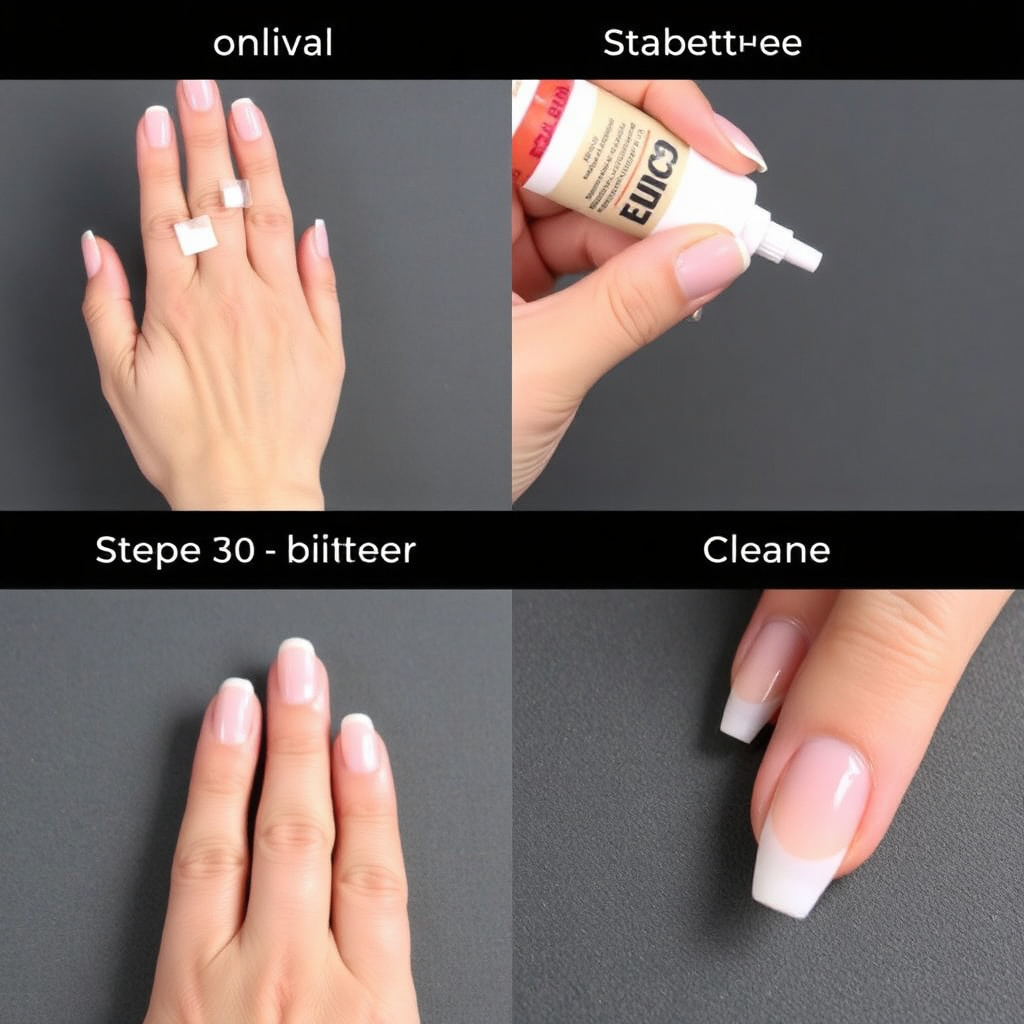
Preparing Your Natural Nails
Start by cleaning nails of oils, lotions, and residue using nail polish remover or alcohol pad. Lightly buff to create a rough surface that improves glue bonding.
Avoid unnecessary moisture after cleaning as water can impede glue adhesion. Dry nails thoroughly before applying the glue.
- Remove oils and old polish
- Buff nails lightly
- Avoid moisturizing before application
- Dry thoroughly
Applying the Glue and Press Ons
Apply a thin, even layer of glue to either the natural nail or the back of the press-on, depending on brand directions. Avoid overusing glue to reduce seepage and mess.
Press the artificial nail firmly onto the natural nail for at least 10 seconds to bond fully. Hold in place to prevent air pockets until the glue sets.
- Use thin glue layers
- Press firmly for 10+ seconds
- Avoid touching glue edges
- Clean excess promptly
Alternatives to Traditional Nail Glue

Glue Tabs and Adhesive Strips
Adhesive glue tabs offer a damage-free way to wear press-ons, relying on sticky strips rather than liquid glue. They are quick to apply and remove without harsh chemicals.
While convenient, glue tabs generally provide a weaker bond, lasting from a day up to a few days under light activity.
- No drying time needed
- Gentle on natural nails
- Bond weaker than liquid glue
- Best for short-term use
For more on this, see our related guide: How Do Acrylic Nails Work? Understanding the Process and Benefits.
Gel Nail Adhesives
Gel adhesives, cured under UV or LED lamps, create a hard, flexible bond that lasts longer and resists lifting better than some glues.
These require specialized equipment and removal techniques, making them more suited for gel press-ons and professional use.
- Requires curing lamp
- Long-lasting and flexible
- Used mainly with gel press-ons
- Needs acetone soak-off removal
How to Remove Press On Nails Safely

Using Acetone for Liquid Nail Glue
For cyanoacrylate glue, soak cotton balls in acetone, apply to nails, and wrap with foil to dissolve the glue. Wait about 15 minutes before gently peeling off press-ons.
Avoid forceful removal as this can damage the natural nail surface. Patience and gentle coaxing protect your nails from damage.
- Use pure acetone for quickest results
- Wrap nails in foil to hold acetone
- Wait 15 minutes before removal
- Peel gently, avoid prying
For more technical details about the chemical base of most nail glues, see the nail glue Wikipedia article. nail glue Wikipedia article.
Removing Glue Tabs and Gel Adhesives
Glue tabs remove simply by lifting from the edge, usually without residue. Gel adhesives need soaking under UV light and professional removal steps to avoid nail weakening.
Never forcibly pull off gel-cured press-ons to reduce risk of nail bed injury.
- Peel glue tabs carefully
- Soak gel nails in acetone
- Avoid forcing hardened gels
- Consider professional services
Press On Nail Glue Types Comparison
Here’s a clear comparison of common nail glue types based on bond strength, drying time, skin sensitivity, and typical wear duration.
| Glue Type | Bond Strength | Drying Time | Skin Sensitivity | Average Wear Duration |
|---|---|---|---|---|
| Standard Cyanoacrylate | High | 5-10 seconds | Moderate | 7-14 days |
| Hypoallergenic Cyanoacrylate | High | 10-15 seconds | Low | 7-10 days |
| Glue Tabs / Adhesive Strips | Low | None | High | 1-3 days |
| Gel Nail Adhesives | Very High | Requires UV/LED cure | Moderate | 14+ days |
| Brush-On Cyanoacrylate | High | 10-20 seconds | Moderate | 7-14 days |
Frequently Asked Questions
Can I reuse press on nails after removing them?
Yes, many press on nails can be reused, especially if you remove them carefully without damaging the glue surface. Clean off old glue residue before reapplying with fresh nail glue.
How long does nail glue typically last on press ons?
Standard nail glue usually holds press-ons securely for about 7 to 14 days, depending on application technique, nail prep, and daily activities.
Is nail glue safe for natural nails?
When used properly, nail glue is safe for natural nails, but frequent use or improper removal can cause damage. Using hypoallergenic formulas and gentle removal methods helps protect nail health.
What is the best way to remove press on nails glued with cyanoacrylate?
Soak nails in pure acetone with foil wraps for 10-15 minutes to dissolve the glue, then gently lift the press ons. Avoid forcing them off to prevent nail damage.
Are gel nail adhesives better than traditional nail glue for press ons?
Gel adhesives create a longer-lasting and more flexible bond but require curing lamps and specialized removal, making them more suitable for gel press-on nails or professional use.
Key Takeaways
- Cyanoacrylate-based nail glue is best for secure, long-lasting press ons.
- Hypoallergenic formulas reduce irritation for sensitive skin.
- Proper nail prep and thin glue layers maximize adhesion.
- Alternatives like glue tabs offer gentler, short-term options.
Conclusion
Choosing the right nail glue for press ons centers on balancing bond strength, application ease, and nail health. Cyanoacrylate-based glues remain the best choice for lasting wear and reliable adhesion, while hypoallergenic options minimize skin irritation. Preparation including clean, dry nails and precise glue application further enhances results. Consider your priorities such as wear duration, skin sensitivity, and convenience when making a selection.
For everyday users seeking reliable hold, standard or brush-on cyanoacrylate glues provide a solid mix of quick drying and durable bonding suitable for most activities. Those with sensitive skin should opt for hypoallergenic variants that maintain strong adhesion but reduce irritation risks. If you want temporary nails or a gentler approach, glue tabs offer ease of use with less bonding strength. Advanced wearers or professionals might prefer gel nail adhesives for their flexibility and extended durability, though they require curing lamps and careful removal.
Before applying any nail glue, make sure to properly prepare your natural nails to maximize the glue’s effectiveness and protect nail health. Follow manufacturer directions closely and avoid excessive glue use. When removing press-ons, patience and acetone soaking preserve natural nails from damage. By following these guidelines and selecting the best adhesive for press on nails tailored to your lifestyle, you’ll enjoy a polished, long-lasting manicure with confidence.


2 Comments