How to Style Natural Hair Long: Techniques for Gorgeous, Healthy Lengths
Styling natural hair long requires techniques that protect its fragile texture while highlighting its unique beauty. From protective styles to moisturizing routines, knowing how to style natural hair long ensures the strands remain healthy, vibrant, and manageable over time.
Natural hair tends to be prone to dryness and breakage, which can make growing and maintaining long lengths feel challenging. Applying the right styling methods helps lock in moisture, prevent damage, and minimize tangling while letting your hair’s coils, waves, or curls shine.
This article covers key styling approaches, including protective styles, moisturizing and detangling tips, nighttime care routines, scalp health practices, and popular styles designed specifically for long natural hair to keep it looking its best every day.
Understanding Your Hair Texture and Growth Cycle

Hair Porosity and Its Impact on Styling
Hair porosity affects how well moisture is absorbed and retained. Natural hair may be low, medium, or high porosity, and identifying which type you have helps choose effective styling products and methods.
Low porosity hair resists moisture, requiring lightweight products and heat for better absorption. High porosity hair absorbs moisture easily but loses it quickly, so heavier creams and oils are beneficial for locking hydration.
- Low porosity hair: light oils, warm steaming
- Medium porosity hair: balanced moisture routine
- High porosity hair: heavier creams, sealants
Hair Growth Cycle and Its Role in Length Retention
Natural hair grows in cycles consisting of growth, resting, and shedding phases. Understanding this cycle helps manage realistic expectations about length and encourages patience during styling and care.
Protecting hair from breakage and maintaining scalp health during these phases can maximize length retention, making every styling choice contribute to healthy hair growth.
Essential Moisturizing and Detangling Techniques

Daily Moisturizing Routines
Long natural hair requires consistent moisture to prevent dryness that causes breakage. Using water-based leave-in conditioners daily helps maintain hydration without weighing hair down.
Incorporating natural oils like jojoba, castor, or argan oil seals in moisture, especially on ends which are more prone to damage due to age and exposure.
- Apply water-based leave-in conditioner
- Seal with light or heavier oils depending on porosity
- Focus on scalp and ends
Safe and Effective Detangling
Detangling should be done gently to avoid breakage, preferably when the hair is damp and conditioned. Using a wide-tooth comb or your fingers starting from the ends and moving upwards prevents unnecessary tugging.
Regular detangling sessions prevent knots and snarls that become difficult to manage in longer lengths and protect the hair shaft integrity.
- Detangle on wet, conditioned hair
- Work in small sections
- Use wide-tooth comb or fingers
Protective Styling for Long Natural Hair
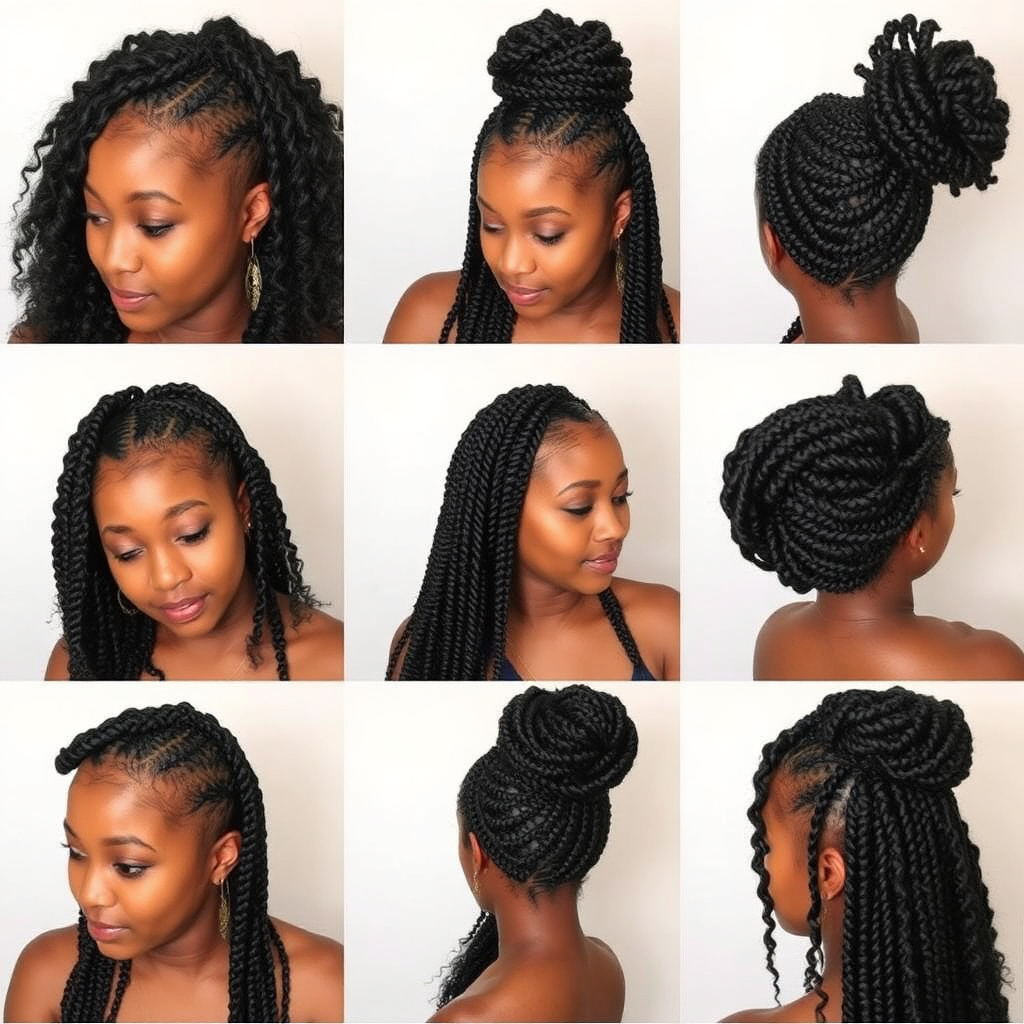
Popular Protective Styles for Length Preservation
Styles like box braids, twists, and buns reduce daily manipulation, helping long natural hair retain its length by minimizing breakage from friction and environmental stressors.
These styles also make moisturizing routines easier to maintain and keep your hair protected during activities like sleeping or exercising.
- Twists and braids
- Low or high buns
- Updos with minimal tension
For more on this, see our related guide: How to Style Thick Hair: Practical Tips for Manageable, Stunning Looks.
Tips for Maintaining Protective Styles
Even in protective hairstyles, moisturizing the scalp and edges regularly prevents dryness and hair thinning. Light scalp massages stimulate circulation, promoting healthy growth.
Avoid tight styles that tug on roots and edges to prevent traction alopecia, which can hinder your progress with long natural hair.
- Moisturize scalp twice weekly
- Wear silk or satin scarves at night
- Avoid excessive tightness
Nighttime Care to Preserve Styled Natural Hair Long

Benefits of Silk and Satin at Night
Sleeping on silk or satin pillowcases and wrapping hair in silk scarves reduces friction that causes frizz and breakage in long natural hair, preserving styling of coils and curls.
These fabrics help retain the hair’s natural oils and moisture, extending the life of styles and improving overall hair health.
- Use silk/satin pillowcases
- Wrap hair in silk scarves or bonnets
- Avoid cotton, which absorbs moisture
Nighttime Protective Styling Options
Loose braids, twists, or pineapple ponytails gently secure long hair overnight without causing damage or flattening curls. These styles maintain definition and prevent tangling.
Setting hair in these gentle protective forms helps reduce morning breakage and makes daily styling easier.
- Loose braids or twists
- Pineapple ponytail for volume
- Avoid tight elastic bands
Styling Techniques to Showcase Long Natural Hair

Wash-and-Go and Twist-Out Styles
Wash-and-go styles emphasize natural curl pattern with minimal heat or manipulation. Using curl creams and gels enhances definition and reduces frizz in long natural hair.
Twist-outs are versatile and add volume and texture. They can be refreshed by lightly moisturizing and repairing the shape without needing full restyles.
- Apply curl cream and gel on wet hair
- Air dry or diffuse for best results
- Refresh twist-outs with water or light moisturizer
For more on this, see our related guide: How to Style Hair with Clips: Creative and Easy Techniques for Every Hair Type.
Elegant Updos and Braided Hairstyles
Elegant updos like a chignon or braided crown accentuate long natural hair’s versatility while keeping styles practical for work or events.
Braided styles not only look sophisticated but also protect hair ends from exposure, sealing in moisture and promoting healthier growth.
- Low bun or chignon
- Crown braids
- Side-swept twists
Caring for the Scalp to Support Long Natural Hair

Importance of Scalp Health
A healthy scalp provides a strong foundation for growth. It’s important to keep the scalp clean and hydrated to avoid dryness and itchiness that compromise hair health.
Regular scalp massages stimulate blood flow, encouraging follicles to remain active and healthy, which supports long natural hair growth.
- Cleanse scalp weekly
- Hydrate with lightweight oils
- Massage scalp daily
For additional insights about caring for natural hair, check out the detailed information on natural hair care on Wikipedia. Natural hair care on Wikipedia.
Scalp Treatments for Long Hair Growth
Natural treatments such as tea tree oil, peppermint, or aloe vera soothe irritation and promote circulation, aiding in strengthening hair roots for length retention.
Avoid harsh chemicals or heavy buildup that can clog follicles and slow growth. Incorporate gentle clarifying shampoos occasionally to maintain scalp health.
- Use natural essential oils
- Apply clarifying shampoos monthly
- Avoid heavy buildup products
Comparison of Protective Styles for Long Natural Hair
This table compares popular protective styles based on maintenance, styling time, and length retention benefits for natural long hair.
| Style | Maintenance Level | Styling Time | Best For | Length Retention |
|---|---|---|---|---|
| Box Braids | Medium | 2-4 hours | Versatility, Low Manipulation | High |
| Twists | Low | 1-3 hours | Daily Wear, Moisture Retention | Medium-High |
| Buns (Low/High) | Low | 5-15 minutes | Quick Styles, Work Settings | Medium |
| Cornrows | Medium-High | 3-5 hours | Sporty, Scalp Access | High |
| Wigs/Weaves | High | Varies | Style Variety, Protective When Installed Well | Medium |
Frequently Asked Questions
How often should I moisturize long natural hair?
Daily moisturizing with water-based leave-ins and sealing oils helps keep long natural hair hydrated and prevents breakage, especially on dry ends.
What is the best way to detangle long natural hair?
Detangle gently on wet, conditioned hair using fingers or a wide-tooth comb from the ends upward to avoid unnecessary breakage.
Are protective styles necessary for long natural hair?
Protective styles greatly reduce manipulation and environmental damage, making them very effective for preserving length and maintaining healthy hair.
Can I sleep with my natural hair loose when it’s long?
Sleeping with loose natural hair can cause tangling and breakage; using silk or satin scarves or pillowcases is recommended for protection.
How does scalp care affect hair length?
A healthy, well-moisturized scalp supports hair follicles and promotes growth, which is essential for long natural hair retention.
Key Takeaways
- Moisturizing daily protects long natural hair from dryness and breakage.
- Protective styles help minimize manipulation and preserve length effectively.
- Proper nighttime care with silk or satin materials prevents damage.
- Scalp health is foundational for maintaining and growing long natural hair.
Conclusion
Choosing how to style natural hair long starts with understanding your hair’s specific needs—texture, porosity, and growth patterns all influence what techniques will support healthy length retention. By prioritizing moisture and minimizing manipulation, you set the stage for strong, resilient hair. Protective styles and gentle detangling add layers of care that help hair maintain its integrity over time.
For those aiming to showcase their long natural hair, styles like twists and box braids offer both beauty and protection. Meanwhile, wash-and-go methods and twist-outs can highlight natural texture with minimal daily effort. Nighttime routines using silk scarves and pillowcases complement these styles by reducing friction-related damage. Scalp care alongside these methods ensures the foundation for long-term growth remains solid.
Ultimately, creating a personalized, consistent hair care strategy—incorporating moisturizing, protective styling, and scalp health practices—will guide you toward maintaining your desired length with vibrancy and strength. Take time to experiment with different styles and routines to see what your hair responds to best, and consider consulting a professional for tailored advice.