How to Style Thick Hair: Practical Tips for Manageable, Stunning Looks
Styling thick hair effectively starts with understanding its unique texture and weight. The key is choosing techniques that reduce bulk while enhancing natural volume and movement. Whether you prefer sleek styles or tousled waves, knowing how to manage thickness from the outset can save time and improve your hair’s appearance.
Thick hair often poses challenges like heaviness and frizz, but with the right approach, it can become your signature feature. Proper layering, moisture balance, and styling tools tailored to thick strands make a huge difference. It's worth focusing on these factors because they transform thick hair from hard-to-control to effortlessly stylish.
This article covers everything from choosing the best haircuts for thick hair to daily styling tips, product recommendations, and quick fixes for common concerns. You’ll learn how to work with your hair’s natural volume and texture for styles that last all day.
Choosing the Right Haircuts for Thick Hair
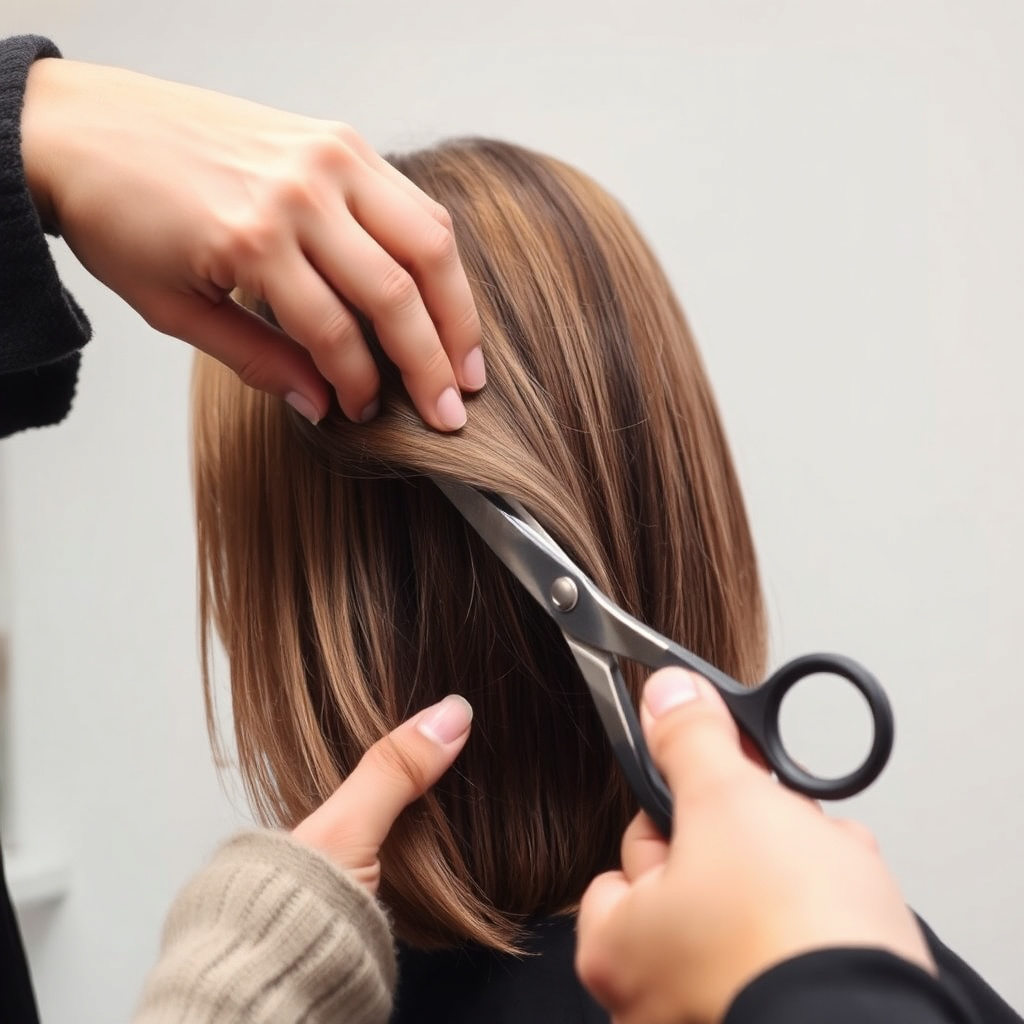
Layering Techniques to Reduce Bulk
Layering is essential for thick hair because it helps thin out excess mass without compromising length or volume. Long, blended layers create lightness and movement, preventing your hair from looking heavy or boxy.
Avoid blunt cuts that add weight; instead, opt for graduated layers or razor cutting to subtly remove bulk. These methods also improve styling versatility, allowing hair to fall more naturally and respond better to heat tools.
- Choose long layers to maintain body
- Use razor cutting for softer ends
- Avoid blunt one-length cuts
Best Haircuts for Thick Hair to Match Your Face Shape
Different haircuts flatter different face shapes, making it important to select styles that balance your proportions. For oval faces, layered bobs or shoulder-length cuts work well, highlighting natural hair volume.
Square or round face shapes benefit from styles with side-swept bangs or asymmetrical cuts, which break up the face’s angles and soften features. Consultation with a stylist familiar with thick hair can guide you to the best choice.
- Layered bob for oval faces
- Side-swept bangs for round faces
- Asymmetrical cuts for square faces
Preparing Thick Hair for Styling

Proper Washing and Conditioning Routine
Thick hair often requires more moisture, so utilizing a hydrating shampoo and conditioner tailored to your hair type is vital. Avoid heavy formulas that weigh hair down instead of moisturizing.
Focus conditioner mainly on mid-lengths and ends to prevent scalp oiliness. Rinse thoroughly to avoid buildup, which can make thick hair limp and harder to style.
- Use moisturizing shampoo and conditioner
- Condition mid-length to ends only
- Rinse hair thoroughly
For more on this, see our related guide: What Type of Hairstyle is Best for Thick Hair? Expert Tips and Styles.
Detangling and Drying Methods for Max Volume
Detangling thick hair while wet with a wide-tooth comb prevents breakage and preserves natural texture. Start at the ends and gently work your way up to the roots for minimal damage.
For drying, use a microfiber towel or cotton T-shirt to absorb excess moisture without causing frizz. Air-drying is best to maintain natural volume, but if blow-drying, use a diffuser and low heat setting.
- Detangle wet hair with a wide-tooth comb
- Pat dry with microfiber towel
- Use diffuser on low heat for blow-drying
Styling Techniques to Manage Thick Hair

Heat Styling Tips for Thick Hair
Thick hair requires higher heat but be cautious to prevent damage. Pre-heat styling tools with adjustable temperature controls, setting between 300°F to 375°F depending on hair strength.
Always apply a heat protectant spray before styling. Use a round brush to smooth hair while blow-drying to control volume and create shape.
- Use heat protectant before styling
- Set tools between 300°F to 375°F
- Employ round brush for smoothing
No-Heat Styling Options for Thick Hair
If you want to avoid heat damage, consider braiding damp hair loosely for waves or using large rollers to add volume. Thick hair holds styles well overnight if hair is prepped with mousse or volumizing products.
Twisting sections and securing them with pins can also define curls or waves without heat exposure.
- Braid damp hair for natural waves
- Use large rollers to boost volume
- Twist and pin sections to define curls
Product Recommendations for Styling Thick Hair

Best Lightweight Products for Volume and Hold
Lightweight mousses and volumizing sprays enhance thick hair's natural body without weighing it down. These products add texture and definition while retaining softness.
Avoid heavy gels or waxes that can make thick hair stiff and greasy-looking, opting instead for formulas that provide flexible hold.
- Volumizing mousse with flexible hold
- Lightweight sea salt spray for texture
- Avoid heavy waxes or gels
For more on this, see our related guide: How to Style Hair with Clips: Creative and Easy Techniques for Every Hair Type.
Moisturizing and Anti-Frizz Treatments
To combat dryness and frizz, products with natural oils like argan or jojoba deeply nourish thick hair and smooth the cuticle. Leave-in conditioners and serums are excellent for finishing touches.
Applying these treatments sparingly, primarily on hair ends, prevents greasiness and enhances shine.
- Use argan oil-infused serums
- Regular leave-in conditioner application
- Focus on hair ends to prevent oil buildup
Daily Care and Maintenance of Thick Hair

Brushing and Combing Thick Hair
Use a boar bristle brush or wide-tooth comb for thick hair to evenly distribute oils from scalp to tips. Brushing gently prevents breakage and frizz.
Avoid over-brushing which can cause static and disrupt styling. Instead, brush when hair is dry and styled for best results.
- Use boar bristle brush or wide-tooth comb
- Brush gently to avoid breakage
- Limit brushing frequency to styled hair
For additional insights and tips on managing thick hair, this resource offers expert advice on styling and care. thick hair styling tips.
Nighttime Hair Care for Thick Hair
Sleeping on satin or silk pillowcases reduces friction that causes frizz and breakage in thick hair. Wrapping hair loosely in a silk scarf preserves style and moisture.
Regular deep conditioning treatments every 1-2 weeks help maintain hydration and reduce tangles, making morning styling easier.
- Use satin or silk pillowcases
- Wrap hair with silk scarf at night
- Apply deep conditioning treatments biweekly
Comparison of Common Hairstyles for Thick Hair
Here’s a comparison of popular hairstyles designed for thick hair, highlighting their maintenance needs and styling suitability.
| Hairstyle | Maintenance Level | Styling Time | Best For |
|---|---|---|---|
| Layered Long Cut | Medium | 20-30 min | Adds volume control and versatility |
| Bob Cut with Layers | Low | 15-20 min | Easy to style, suits oval faces |
| Textured Pixie Cut | Low | 10-15 min | Low-maintenance, highlights natural texture |
| Beach Waves | Medium | 25-35 min | Adds soft movement and casual volume |
| Braids or Twists | Medium | 15-25 min | Protective style, good for no-heat days |
Frequently Asked Questions
Can I straighten thick hair without causing damage?
Yes, by using a heat protectant and setting styling tools to moderate temperatures (300°F to 375°F), you can straighten thick hair while minimizing damage.
How often should I trim thick hair to keep it healthy?
Trimming every 6 to 8 weeks helps remove split ends and maintains the shape of layered cuts, which is especially helpful for thick hair.
Are there any specific products I should avoid for thick hair?
Avoid heavy waxes, gels, and overly rich conditioners that can weigh thick hair down or cause buildup, leading to limpness or greasiness.
What is the best way to prevent frizz in thick hair?
Using moisturizing leave-in conditioners or serums that contain natural oils and sleeping on silk pillowcases can greatly reduce frizz in thick hair.
Can thick hair hold no-heat styles well?
Absolutely. Thick hair naturally holds styles like braids or twists formed on damp hair, especially when prepped with light mousse or volumizing spray.
Key Takeaways
- Layered haircuts help manage thickness and add movement
- Moisturizing yet lightweight products prevent heaviness
- Heat protection is essential when styling thick hair
- Nighttime care preserves hair health and style
Conclusion
Deciding how to style thick hair involves understanding its natural characteristics—weight, volume, texture—and selecting cuts and techniques that complement these traits. A well-chosen haircut with strategic layering forms the foundation for manageable styling. Combining this with appropriate washing, moisturizing, and gentle detangling creates an ideal canvas for effortless daily styling. Paying attention to product choices and incorporating heat protectants safeguards hair during styling sessions, allowing for versatility without damage.
For those seeking low-maintenance options, textured pixie cuts or layered bobs provide control with minimal styling time. If you prefer longer lengths, long layered cuts paired with volumizing mousses deliver bouncy, natural looks. No-heat styles like braids and twisted updos use the hair’s density to hold shape with added texture from lightweight styling products. Investing time in nighttime care such as silk pillowcases and deep conditioning can make styling easier and keep thick hair vibrant and frizz-free over time.
To start styling your thick hair today, consult a stylist about haircuts best suited for your face shape and hair density. Experiment with moisturizing, lightweight products and heat protection sprays tailored for thick hair’s unique needs. Practice gentle detangling and drying to retain natural volume without damage. With the right knowledge and tools, managing and styling thick hair can become a rewarding part of your beauty routine.





One Comment