What Type of Haircut is Best for Thin Hair? Expert Tips to Add Volume
The best type of haircut for thin hair is one that adds the illusion of volume and texture while avoiding styles that make hair look even thinner. Layered cuts, blunt ends, bobs, and pixies are all excellent options that create body and fullness without weighing hair down. Avoid very long or heavily thinned styles that can highlight the lack of density.
Thin hair can often appear flat and lifeless if cut without strategy. Choosing the right haircuts for fine hair can dramatically enhance your overall look by making strands appear thicker and healthier. These styles work by adding movement or using texture to distract from areas where the hair may be sparse.
This article will explore the best haircut choices for thin hair, detailed guidance on layering and styling techniques, and how to maintain your cut to keep hair looking thicker for longer. Whether you want a short, medium, or long haircut, you’ll find practical advice suited to your needs.
Understanding Hair Texture and Its Impact on Haircuts for Thin Hair

Characteristics of Thin Hair
Thin hair means that individual strands have a smaller diameter than average. This results in hair that can look fragile and flat, especially as it grows longer. Knowing your hair's natural qualities helps in selecting cuts that enhance rather than expose thin spots.
Hair texture also influences how styles hold shape and volume. For instance, straight fine hair tends to fall flat easily, while wavy thin hair might have more natural body but less density. Tailoring cuts to texture can help counter thinness.
Why Choosing the Right Haircut Matters
A carefully chosen haircut can trick the eye into perceiving more volume. Certain shapes reflect light differently, and layers can boost bounce. On the other hand, wrong cuts can make thin hair look even sparser by removing bulk indiscriminately.
Selecting styles tailored to thin hair types also simplifies daily styling and maintenance, reducing breakage caused by harsh handling or overuse of heavy products that weigh hair down.
Best Haircut Styles for Thin Hair to Create Volume
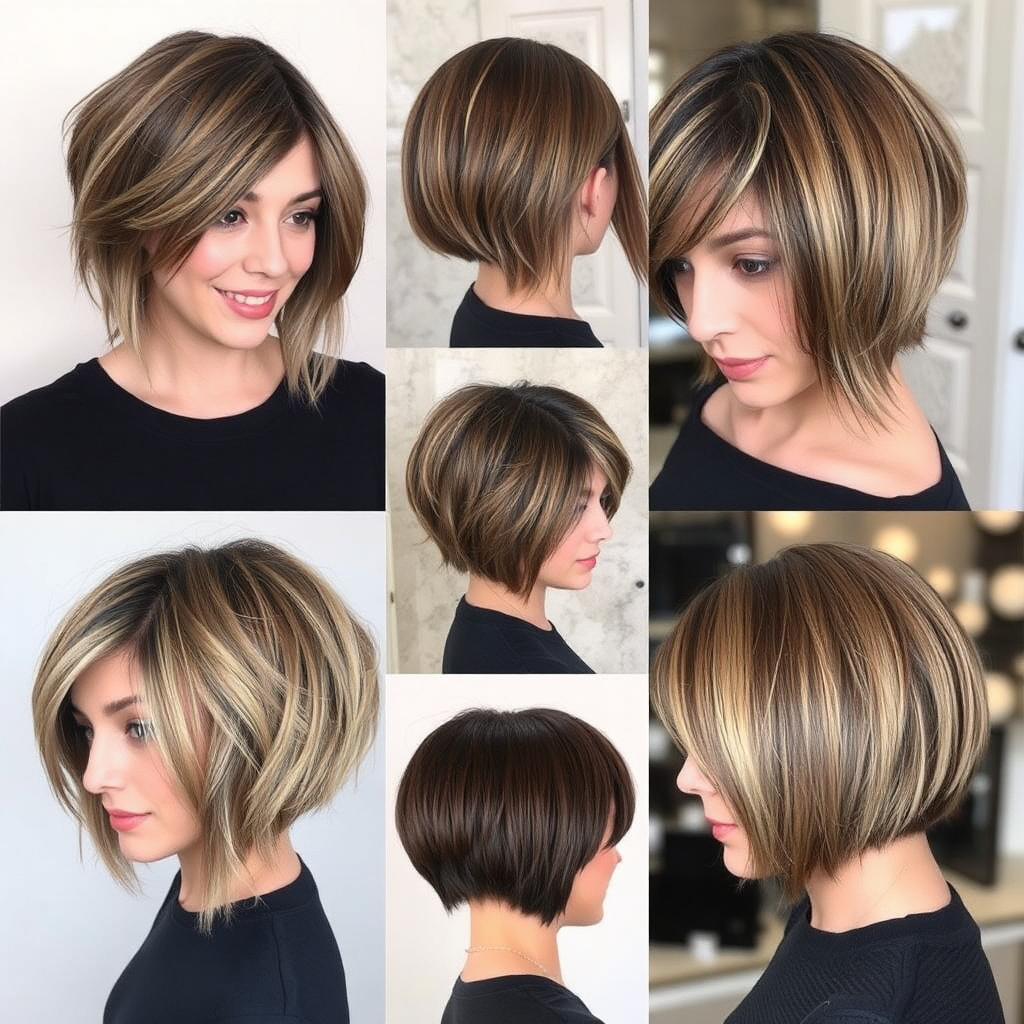
Layered Haircuts That Add Dimension
Layering helps remove weight and encourage natural lift, preventing hair from clumping together. Subtle long layers work well as they maintain length but create movement that catches the light, making hair look fuller.
Avoid overly choppy or uneven layers, which can expose scalp patches. A stylist can tailor layering based on your hair’s growth patterns and density to maximize volume without the hair appearing sparse.
- Long layers for movement
- Soft graduated layers
- Avoid extreme layering
Blunt Cuts and Short Hairstyles
Blunt cuts, especially at mid-lengths or shorter, create a sharp edge that visually thickens hair ends. A blunt bob cut at the jawline often works wonders by concentrating bulk in one area, giving the illusion of denser hair.
Pixie cuts are another great option. Their short length removes weight, making hair stand up naturally. Textured pixies can add dynamic volume and dimension for those with very thin hair who want low-maintenance options.
- Jaw-length blunt bob
- Textured pixie cut
- Avoid excessive thinning
Styling Techniques to Enhance Thin Hair with the Best Haircut
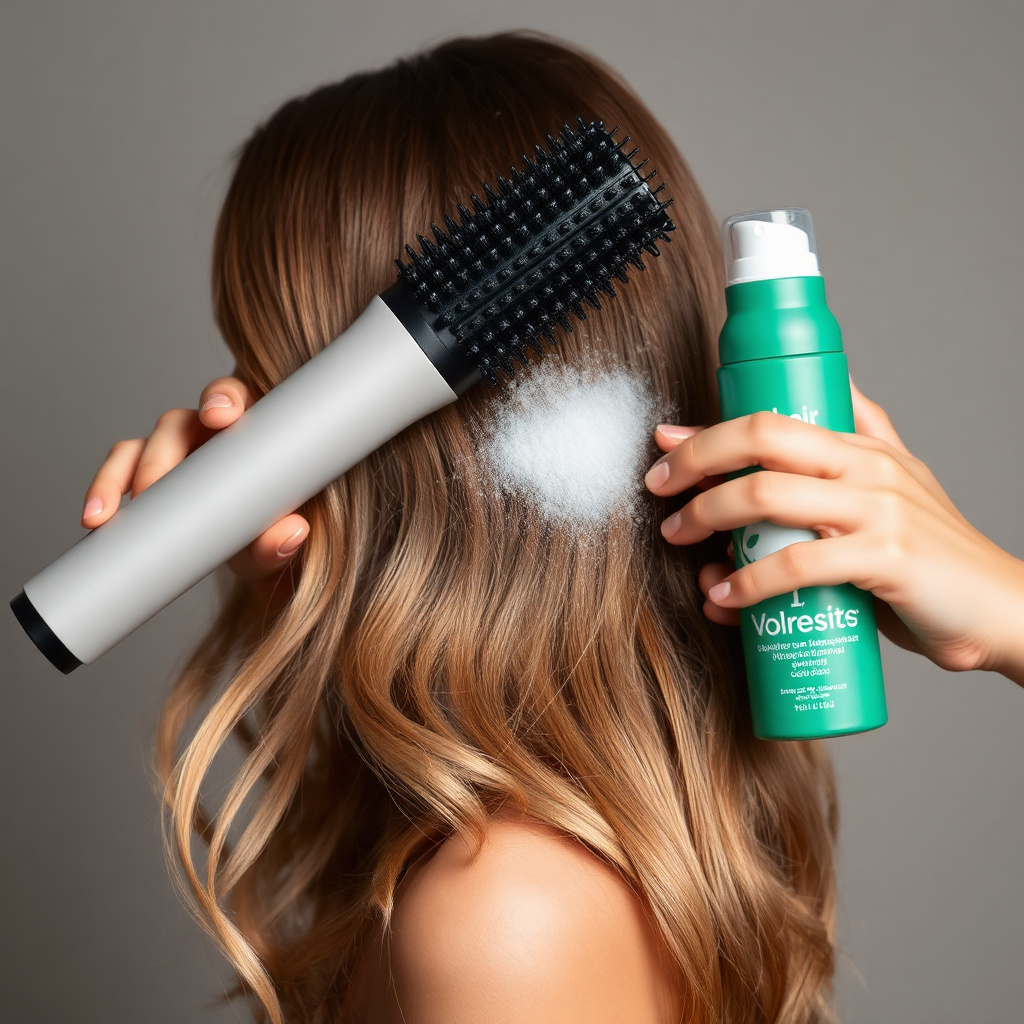
Blow-Drying Tips for Volume
Blow-drying hair upside down boosts root lift and volume, helping hair look denser. Using a round brush while drying creates bend and movement which sustains a fuller appearance.
Applying lightweight volumizing mousse or spray before drying adds texture without weighing hair down. Avoid heavy products that cause limpness.
- Blow-dry upside down
- Use round brush
- Light volumizing products
For more on this, see our related guide: How to Style Thick Hair: Practical Tips for Manageable, Stunning Looks.
Everyday Styling Tricks
Using dry shampoo between washes can keep hair from looking greasy and flat. Texturizing sprays and light waxes can define layers or short cuts, adding bounce.
Avoid over-brushing, which can make thin hair fragile and more prone to breakage. Gentle finger-combing preserves hair integrity while styling.
- Dry shampoo for freshness
- Texturizing sprays
- Avoid over-brushing
Maintaining Your Haircut and Health for Thinner Hair Types

Routine Trims and Cuts
Regular trims every 6-8 weeks prevent split ends and help keep hair shape intact. Maintaining the cut’s structure is key for thin haircuts to preserve volume and prevent limpness.
Communicate with your stylist about your hair’s density to tweak layers or length gradually rather than sudden changes that might not work well for thin hair.
Hair Care Habits for Thin Hair
Use shampoos and conditioners formulated for fine or thin hair as they provide lightweight moisture without weighing strands down. Avoid excessive heat styling and harsh chemical treatments.
Incorporate scalp massages and gentle detangling to stimulate blood flow and reduce damage that can contribute to thinning. Healthy scalp promotes stronger hair growth.
Common Haircut Mistakes to Avoid with Thin Hair

Over-Thinning or Texturizing Hair
Over-thinning removes natural bulk and can create patchy or see-through areas. Many people mistakenly assume thinning will reduce volume when it actually accentuates it.
Styling thin hair after over-thinning is also more difficult as there’s less natural fullness to work with.
For more on this, see our related guide: What Type of Hairstyle is Best for Thick Hair? Expert Tips and Styles.
Choosing the Wrong Length
Very long hair tends to weigh thin strands down, flattening them against the scalp. While long hair isn’t impossible with thin hair, careful layering and maintenance are crucial.
Conversely, extremely short cuts may expose scalp more than desired if volume is lacking. Finding a balanced length that enhances fullness is essential.
Professional Consultation and Customizing Your Haircut
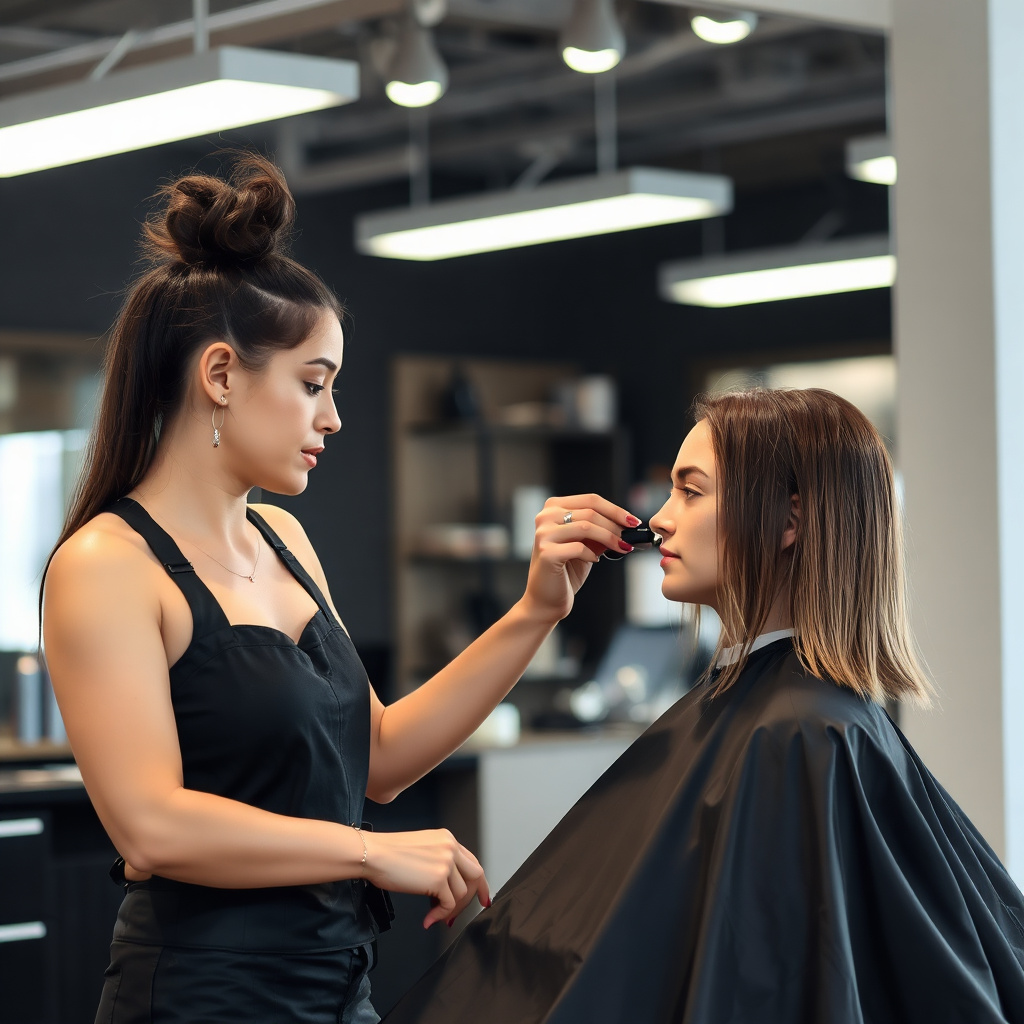
Assessing Hair Type and Face Shape
A professional stylist evaluates hair thickness, growth patterns, and your face shape to recommend the most flattering haircut. Customized cuts ensure better results than generic styles for thin hair.
Face shapes such as oval, round, or heart-shaped respond differently to volume-adding techniques. Tailoring layers and length around your features enhances balance and proportion.
For a detailed overview of hair types including thin hair characteristics, see this informative article on thin hair on Wikipedia. thin hair on Wikipedia.
Discussing Maintenance and Styling Preferences
Styling preferences and daily routine impact the best haircut choice. Some thin-haired clients want low-maintenance pixies while others prefer versatile layered looks with interchangeable styling options.
Clear communication about time you’re willing to spend styling and product use helps stylists design workable haircuts that suit your lifestyle.
Haircut Style Comparison for Thin Hair
Here’s a comparison of popular haircut styles tailored for thin hair, highlighting pros, cons, and suitable hair textures.
| Haircut Style | Best Hair Texture | Maintenance Level | Volume Effect |
|---|---|---|---|
| Layered Long Cut | Wavy to Straight Thin Hair | Medium | Moderate |
| Blunt Bob | Straight Thin Hair | Low to Medium | High |
| Textured Pixie | Fine Straight or Wavy Hair | Low | High |
| Soft Graduated Layers | All Thin Hair Types | Medium | Moderate |
| Very Short Crop | Fine Thin Hair | Low | Moderate |
Frequently Asked Questions
Can I keep long hair if I have thin hair?
Yes, but maintaining volume in long thin hair requires layers to add movement and regular trims to prevent split ends and limpness. Using volumizing products helps retain body.
Is layering always recommended for thin hair?
Layering can be very beneficial by adding dimension and reducing weight, but it must be done subtly to avoid exposing thin spots or creating a choppy look.
How often should I trim thin hair to keep volume?
Trimming every 6 to 8 weeks is ideal for thin hair, as it removes damaged ends and helps maintain the haircut’s structure, which supports a fuller appearance.
Which styling products are best for thin hair?
Lightweight volumizing mousses, sprays, and dry shampoos work well without weighing hair down. Avoid heavy conditioners or oils that flatten thin hair.
Can short haircuts make thin hair look thicker?
Yes, especially blunt bobs and textured pixie cuts concentrate hair bulk and create the illusion of density, making thin hair look thicker.
Key Takeaways
- Layered and blunt cuts add volume and movement for thin hair.
- Avoid over-thinning and extremely long styles that weigh hair down.
- Styling with lightweight volumizers supports fuller-looking hair.
- Regular trims preserve the shape and health of thin haircuts.
Conclusion
Selecting the best type of haircut for thin hair involves balancing length, layers, and texture to create the appearance of fullness while maintaining hair health. Understanding your hair’s natural texture and growth patterns allows for styles that enhance volume and avoid flattening or exposing sparse areas. Strategically designed haircuts not only improve aesthetics but simplify styling routines to manage fine strands better.
For those aiming to boost volume, layered long cuts and blunt bobs are excellent versatile options. If you prefer lower-maintenance styles, textured pixie cuts provide a dynamic lift without daily fuss. Avoid over-thinning hair or embracing extreme lengths that typically reduce the appearance of thickness. Regularly consulting with a skilled stylist is valuable for personalized advice to evolve your haircut with your hair’s changing needs.
Your next step could be scheduling a consultation focused on your hair type and lifestyle requirements, discussing haircuts for fine hair and styling strategies. By choosing thoughtfully, you can enjoy a flattering, manageable haircut that makes thin hair look vibrant and fuller every day.


One Comment