How to Style a Wolf Cut: A Modern Guide for Every Hair Type
Styling a wolf cut is all about enhancing its layered, shaggy vibe with a combination of texture and volume. To style your wolf cut effectively, you should focus on defining the layers by using lightweight styling products like texturizing sprays or mousses and incorporating tools like a diffuser or curling wand depending on your hair’s natural texture.
The wolf cut stands out due to its wild, lived-in feel, blending elements of mullet and shag haircuts. This unique style embraces volume around the crown and tapered ends, which creates a textured, edgy appearance. How you style it can completely transform its look, whether you want a sleek finish or a tousled, beachy effect.
This article will explore a variety of techniques to style a wolf cut, including product recommendations, step-by-step how-tos for different hair textures, and ways to maintain and refresh your cut. You'll learn how to adapt this bold style to suit your personality and occasion by working with your hair type and preferred look.
Understanding the Wolf Cut: Styling Essentials

What is a Wolf Cut?
A wolf cut combines the shaggy layers of a classic shag haircut with the length and volume emphasis of a mullet. Its distinctive feature is a lot of texture and volume at the top and a more tapered, feathered look toward the ends. It usually works best for medium to thick hair.
Styling a wolf cut requires focusing on those layers and the natural movement of your hair. Since the cut is designed to look slightly untamed and textured, over-smoothing it can negate the essence of the style.
Key Products for Wolf Cut Styling
Texturizing sprays and sea salt sprays create volume and movement by lightly roughing up the hair strands without weighing them down. For those with finer hair, volumizing mousse applied to damp strands before blow-drying adds lift.
Creamy styling pomades or waxes can be used sparingly to define ends or add separation without making the hair greasy or stiff. Heat protectants are recommended when using styling tools to preserve hair health.
- Texturizing spray
- Sea salt spray
- Volumizing mousse
- Light pomade or wax
- Heat protectant spray
Styling a Wolf Cut for Different Hair Textures

Styling for Straight Hair
Those with straight hair should focus on building texture to achieve the wolf cut’s signature tousled effect. Applying texturizing spray evenly to slightly damp hair before blow-drying with a diffuser or round brush can enhance natural body.
Finishing with a light wax applied to the ends helps separate layers and prevents the cut from looking too flat or lifeless. Avoid heavy gels that can make straight hair limp.
Styling for Curly and Wavy Hair
Wavy and curly hair naturally complements the wolf cut’s textured style. Use a curl-enhancing cream or mousse after washing on damp hair to define curls without weighing them down.
Scrunch your hair gently and let it air dry or use a diffuser on low heat to maintain bounce. You can selectively separate curls around the face to give an intentional messy look that emphasizes the shape of the cut.
Everyday Wolf Cut Styling Techniques

Quick Tousled Look
Spray texturizing spray onto dry hair, focusing on roots and mid-lengths. Use your fingers to tousle hair upward and outward to add volume and movement. If needed, lightly scrunch ends with a small amount of pomade for definition.
This style works well for a casual, effortless appearance and doesn’t require heat tools, making it quick and gentle on hair.
Defined Layer Styling with Heat Tools
Use a curling wand or flat iron to add subtle waves or bends in select sections, especially around the face. This adds dimension to the layers and creates a polished yet playful finish.
Always start with a heat protectant spray. After styling, finish with a light mist of hairspray or sea salt spray to hold shape without stiffness.
Maintaining Your Wolf Cut Style

Freshening Up Layers
Regular trims every 6 to 8 weeks keep the layers sharp and prevent the cut from becoming heavy or shapeless. Ask your stylist to retain the textured ends and avoid blunt cuts that contradict the wolf cut’s purpose.
You can also refresh texture at home by carefully trimming split ends and using texturizing scissors to enhance layering.
Hair Care Tips for Styling Longevity
Use gentle shampoos and conditioners that maintain moisture without weighing hair down. Overwashing can strip natural oils, reducing volume and texture.
Apply leave-in conditioners or light oils sparingly to keep hair hydrated and shiny but avoid overuse, which can reduce the ability to style effectively.
Wolf Cut Styling for Different Occasions

Casual and Everyday Styling
For daily wear, embracing the wolf cut’s natural texture with minimal product results in a relaxed, cool style. Spray lightweight texturizer and use fingers to lift and tousle hair lightly.
This easy-going approach suits a variety of outfits and saves time in busy routines.
Formal or Nighttime Styling
To dress up a wolf cut, define waves or curls more precisely with a curling iron and smooth flyaways with a light serum or pomade. Tuck hair behind one ear or add subtle accessories for a sleek, stylish look.
This method balances the wild nature of the cut with elegance suitable for events.
Troubleshooting Common Styling Challenges
Dealing with Frizz and Flyaways
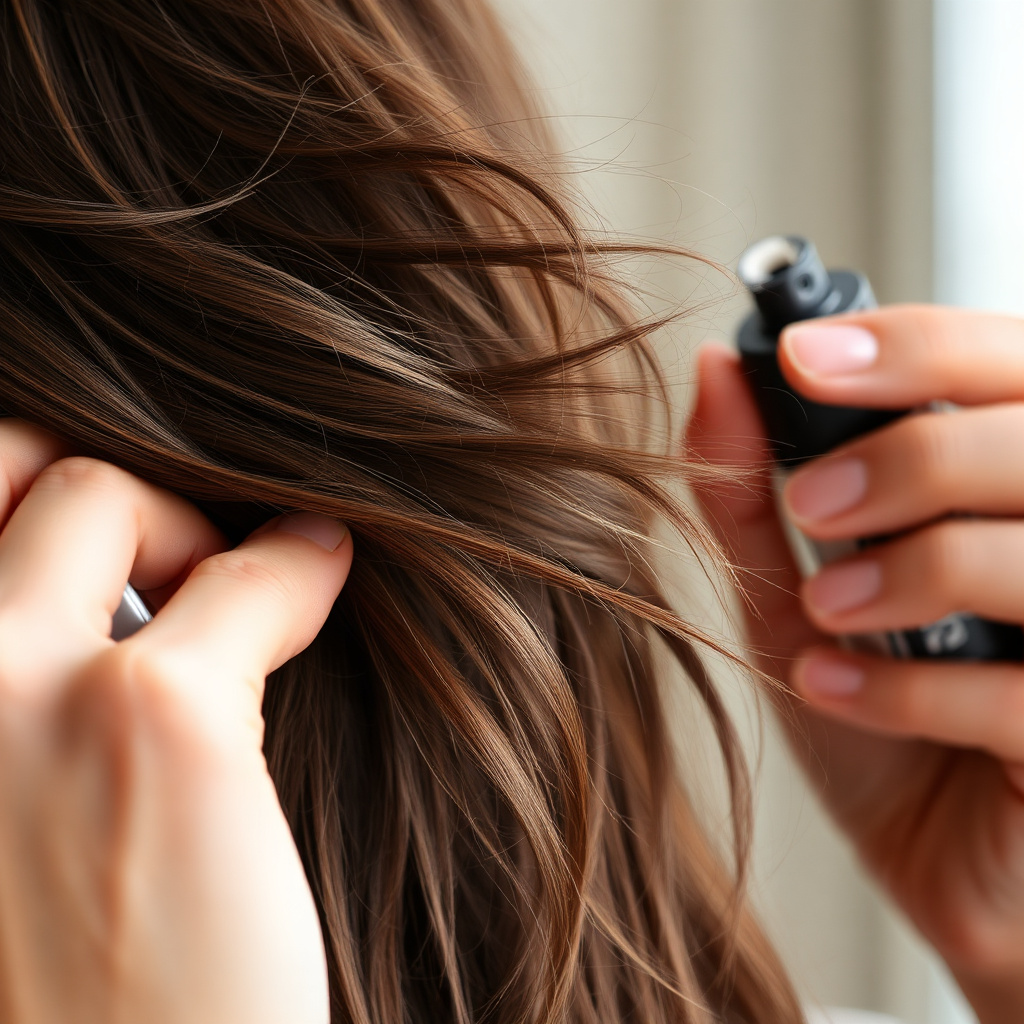
Frizz is common with the layered texture of the wolf cut, especially in humid environments. To manage it, use anti-frizz serums lightly on dry hair focusing on mid-lengths and ends but avoid heavy products that weigh hair down.
Using a soft brush or wide-tooth comb rather than fingers prevents disrupting layers excessively, maintaining style.
For more on the origins and variations of cuts similar to the wolf cut, check out this detailed overview of shag haircuts. Wolf cut hairstyle details.
Managing Volume Without Bulk
Wolf cuts can become bulky if hair is thick or poorly layered. Thinning scissors help reduce excess volume without sacrificing style.
When styling, avoid heavy creams and opt for lightweight mousses or sprays to keep hair light and bouncy.
Wolf Cut Styling Techniques Comparison
This table compares popular styling techniques based on hair type suitability, typical results, and time needed.
| Styling Technique | Best For Hair Type | Result | Time Required |
|---|---|---|---|
| Tousled Texturizing Spray | Straight, Wavy | Messy, Volume Boost | 5-10 minutes |
| Curling Wand Waves | Straight, Wavy, Curly | Defined Layered Waves | 15-20 minutes |
| Mousse & Diffuser Blow-Dry | Fine, Straight | Lifted, Natural Texture | 10-15 minutes |
| Pomade for Ends | All Hair Types | Separated, Defined Layers | 5 minutes |
| Anti-frizz Serum | Curly, Wavy | Smooth, Controlled | 2-5 minutes |
Frequently Asked Questions
Can I style a wolf cut on thin hair?
Yes, using volumizing mousse and light texturizers can help add body and lift to thin hair, making the wolf cut's layers appear fuller and more dynamic.
How often should I trim my wolf cut?
Trimming every 6 to 8 weeks maintains the wolf cut's shape and texture, preventing ends from becoming heavy and keeping layers well defined.
Is the wolf cut suitable for curly hair?
Absolutely. Curly hair naturally complements the wolf cut’s textured layers, and using curl-enhancing styling products helps showcase the style beautifully.
Can I straighten a wolf cut without losing its style?
You can straighten parts of the hair to create contrast, but avoid making the entire cut too sleek, as the wolf cut thrives on texture and movement.
What styling products should I avoid for a wolf cut?
Heavy gels and oils that weigh hair down or make it look greasy are best avoided to preserve the cut’s natural volume and layered texture.
Key Takeaways
- Use lightweight texturizing products to highlight the wolf cut's layered texture.
- Adapt styling techniques to your hair texture for best results.
- Maintain layers regularly with trims to keep the shape fresh.
- Choose styling products that add volume without heaviness.
Conclusion
Styling a wolf cut successfully involves balancing its signature layered texture with the natural qualities of your hair. Focusing on maintaining volume and movement while enhancing layers allows the cut to express its unique, edgy character. Regular trims and careful product choices also play key roles in keeping this look bold yet manageable. The wolf cut thrives on a sense of effortless wildness, so embracing some imperfection in styling is both natural and desirable to give your hair personality.
If you have straight or fine hair, using volumizing mousse and texturizing sprays helps build body, while those with wavy or curly hair benefit by emphasizing natural curls with creams or scrunching techniques. For everyday wear, a quick tousled look using a texturizer and finger-style is easy and stylish. More defined waves created with a curling wand add polish for special occasions. Maintaining your layered ends with trims every few weeks prevents bulk and keeps the style fresh and intentionally textured.
Starting your styling routine with the right products for your hair type — such as a sea salt spray for texture or a light pomade for definition — can make all the difference. Combining these with techniques like blow-drying with a diffuser, or hand-tousling after drying, brings the wolf cut alive with energy. Whether you want a relaxed casual vibe or a more styled statement, this hairstyle offers flexible options to match your everyday needs.



One Comment