How to Condition Curly Hair for Moisture and Definition
Conditioning curly hair properly means using products and methods that hydrate without weighing down or leaving residue. To condition curly hair effectively, apply a nourishing conditioner after shampooing, detangle gently with fingers or a wide-tooth comb, and allow the product to sit for several minutes before rinsing with cool water. This helps lock in moisture and defines curls without causing frizz.
Curly hair tends to be drier and more prone to tangling than straight hair because natural oils from the scalp have a harder time traveling down the twists and turns. Proper conditioning restores hydration, enhances curl elasticity, and protects the hair from damage caused by environmental factors and styling routines.
This article covers the best types of conditioners for curly hair, step-by-step conditioning techniques, tips on how often to condition, and a comparison of popular product categories. You’ll also find guidance on maintaining healthy curls through hydration strategies tailored to different curl patterns and hair porosity.
Understanding Curly Hair Needs for Conditioning
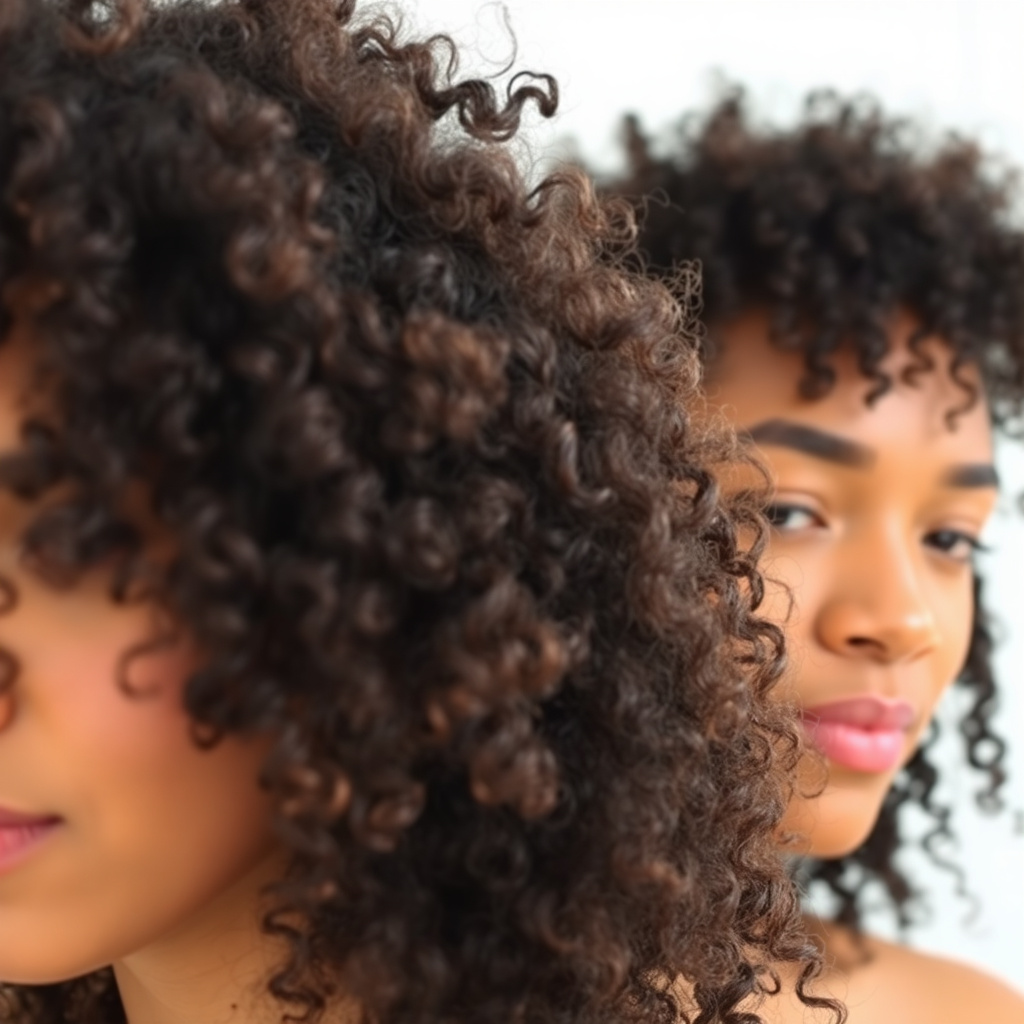
How Curly Hair Differs from Straight Hair
The unique spiral structure of curly hair makes it naturally drier than straight hair because sebum, the scalp’s natural oil, doesn't easily move down the hair shaft. This results in increased fragility and the need for intensive hydration through conditioners formulated to penetrate curls effectively.
Curly hair also tends to tangle more and break when handled aggressively. As a result, conditioners need to provide adequate slip to facilitate gentle detangling without causing damage or frizz.
Role of Conditioner in Healthy Curly Hair
Conditioners replenish moisture, smooth the cuticle, and improve manageability. For curly hair, a good conditioner addresses dryness, defines curls, and helps seal the hair’s outer layer to protect against humidity and breakage.
Using conditioners enriched with humectants like glycerin and oils like jojoba or coconut oil supports moisture retention and curl bounce, especially important for maintaining curl shape over time.
Types of Conditioners Best Suited for Curly Hair

Rinse-Out Conditioners for Daily Moisture
Rinse-out conditioners provide lightweight hydration and smooth the hair after cleansing. They are typically formulated with moisturizing agents and silicones or natural oils that help detangle and reduce frizz without buildup.
These conditioners work best for fine to medium curls and can be used every wash to maintain moisture balance and curl definition.
Leave-In Conditioners for Extended Hydration
Leave-in conditioners are designed to stay in the hair to continuously provide moisture throughout the day. They often contain richer emollients and protectants that combat dryness, friction, and environmental stressors.
Ideal for tighter, coarser curl types, leave-ins can be used daily or as needed to refresh curls between washes and maintain softness and elasticity.
Step-by-Step Guide: How to Condition Curly Hair
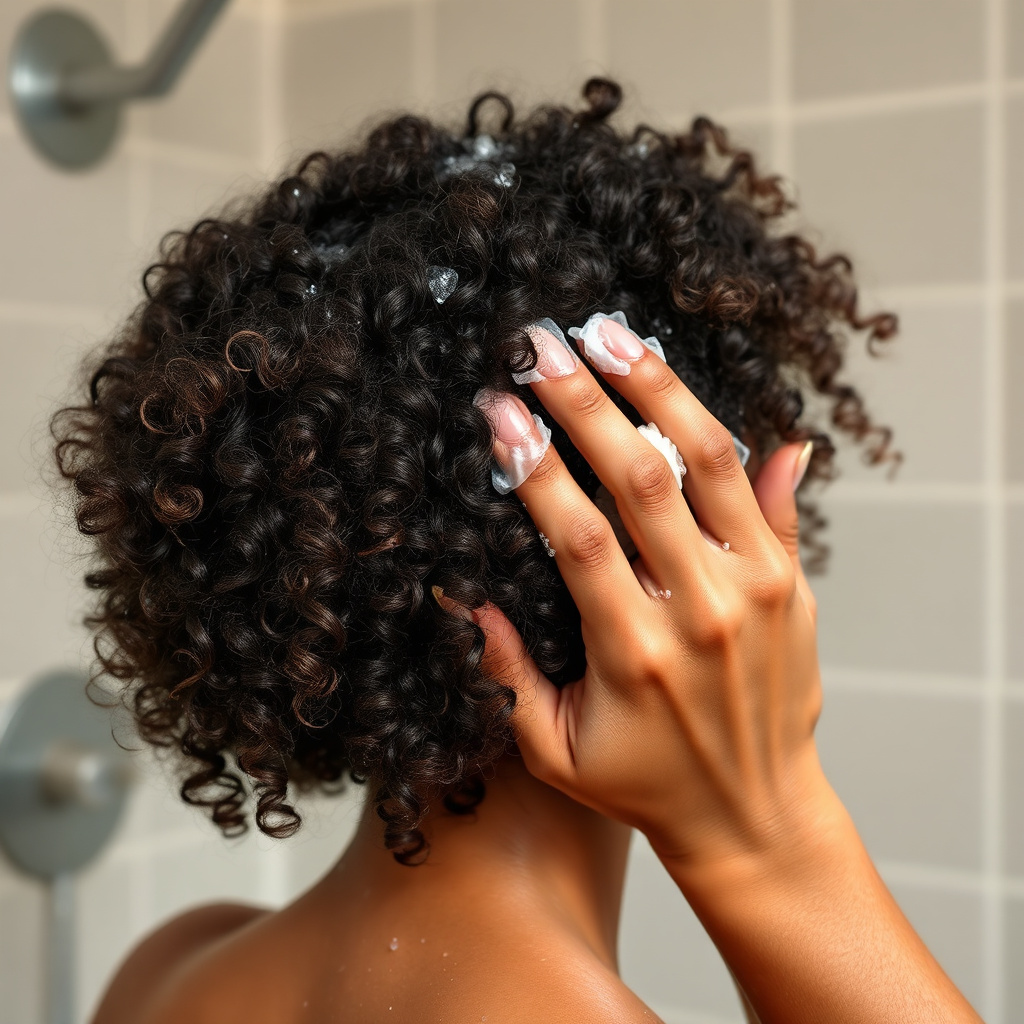
Applying Conditioner After Shampooing
After shampooing, squeeze excess water from your curls so they are damp but not dripping. Take a generous amount of conditioner and distribute it evenly from mid-lengths to ends, where curls are driest and more prone to damage.
Avoid applying conditioner directly to the scalp unless it’s a scalp-specific formula, as this can weigh down roots. Use your fingers to gently work the product into curls to maximize penetration.
- Detangle gently with fingers or wide-tooth comb
- Focus on ends where hair is oldest and driest
- Avoid heavy application near the scalp
For more on this, see our related guide: How to Style Curly Hair for Defined, Frizz-Free Curls.
Rinsing and Styling After Conditioning
Let your conditioner sit for 3-5 minutes to fully hydrate the hair shaft. Rinse thoroughly but not with hot water to keep cuticles sealed and prevent frizz. Follow with a leave-in treatment if desired for extra moisture retention.
After rinsing, apply styling products to wet curls and avoid rough towel drying. Use micro-fiber towels or cotton T-shirts for scrunching to retain curl shape and prevent breakage.
- Rinse with cool or lukewarm water
- Use leave-in conditioner or curl creams to lock moisture
- Scrunch gently with microfiber towel
Conditioning Frequency and Routine Optimization
How Often to Condition Curly Hair
Most curly hair types benefit from conditioning at every wash, generally 1-3 times per week, depending on curl tightness and dryness. Coarser hair usually needs more frequent conditioning and occasional deep-conditioning treatments.
Over-conditioning can lead to buildup and limp curls, so gauging your hair’s response is important to find the ideal frequency. Adjust based on season, exposure, and styling habits.
- Fine curls: condition every wash or every other wash
- Coarse curls: may benefit from daily leave-in conditioning
- Use deep conditioner monthly or biweekly
Incorporating Deep Conditioning Treatments
Deep conditioners or hair masks provide intense moisture and repair by penetrating deeper into the hair cuticle. Use these treatments regularly—typically once every one to two weeks—especially if curls are dry, chemically treated, or heat styled.
Apply to freshly shampooed hair, leave in for 10-30 minutes under heat or a shower cap, and rinse thoroughly. This boosts hydration and elasticity for healthier curls.
- Apply to damp, towel-dried hair
- Use heat for better absorption
- Rinse with cool water to close cuticle
Choosing the Best Conditioner for Curly Hair
Key Ingredients to Look For
Conditioners rich in humectants such as glycerin and aloe vera attract moisture from the air into the hair. Oils like argan, jojoba, and coconut oil help seal in hydration and provide softness without heaviness if used in proper concentrations.
Avoid excessive silicones that can weigh curls down or cause buildup unless your washing routine includes clarifying shampoos regularly.
- Humectants: glycerin, honey, aloe vera
- Oils: argan oil, coconut oil, jojoba
- Proteins: keratin, silk amino acids for damage repair
For more on this, see our related guide: How to Wash Natural Hair for Beginners: Easy Steps to Healthy Curls.
Ingredients to Avoid in Curly Hair Conditioners
Harsh sulfates and drying alcohols strip moisture and weaken curls over time. Some silicones and heavy waxes can clog cuticles and cause tangling unless removed with clarifying shampoos, so look for water-soluble versions if needed.
Synthetic fragrances and parabens may irritate sensitive scalps and hair follicles, so choosing conditioners with natural or gentle preservatives is preferable.
- Avoid sulfate detergents
- Limit non-water-soluble silicones
- Skip drying alcohols and parabens
Maintaining Curls with Complementary Hair Care Practices
Detangling Techniques for Curly Hair
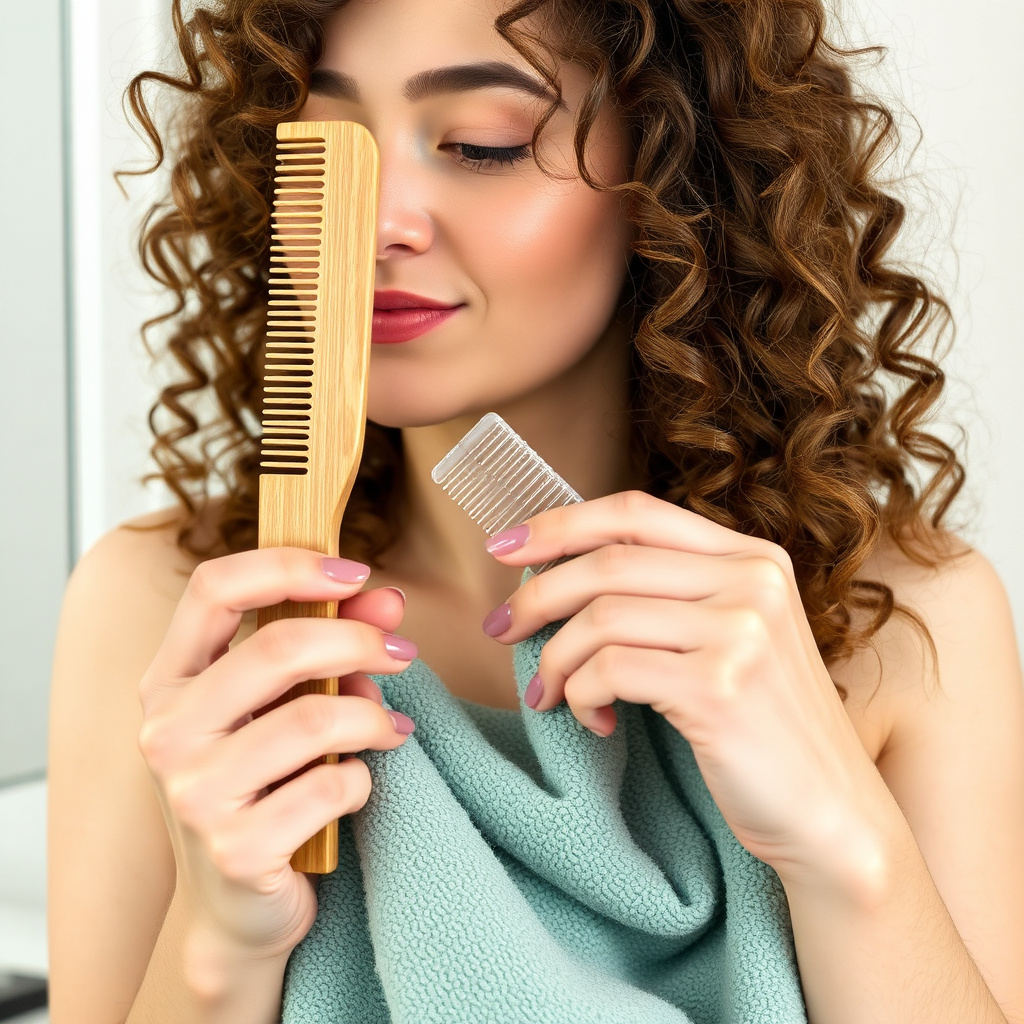
Detangling while conditioning makes curls easier to manage and reduces breakage. Use fingers or a wide-tooth comb on wet, conditioned hair, starting at the ends and working upward gently to remove knots.
Avoid brushing dry curls, which disrupts the natural pattern and creates frizz.
- Detangle under running water or in the shower
- Use fingers first, then wide-tooth comb
- Be gentle to avoid hair snapping
For further detailed information, you can review established curly hair care guidelines from reputable health organizations. curly hair care guidelines.
Protecting Curls Between Washes
To keep curls defined and hydrated between days, refresh with a mist of water and a light leave-in conditioner or curl refresher spray. Pineapple your hair or use a satin bonnet to reduce friction during sleep.
Regular conditioning combined with these practices helps maintain shape and elasticity without the need for frequent washing.
- Use satin pillowcases or bonnets
- Apply leave-in conditioner as a refresher
- Avoid excessive heat styling
Comparison of Curly Hair Conditioner Types
Here’s a quick overview comparing the main conditioner types to help you match your curl needs with the right formula.
| Conditioner Type | Hydration Level | Best For | Frequency of Use | Typical Ingredients |
|---|---|---|---|---|
| Rinse-Out Conditioner | Light to Medium | Fine to Medium Curls | Every Wash | Humectants, lightweight oils, silicones |
| Leave-In Conditioner | Medium to High | Medium to Coarse Curls | Daily or as needed | Rich emollients, humectants, proteins |
| Deep Conditioner | Intense | Dry, Damaged, or Coarse Curls | Weekly to Biweekly | Heavy oils, proteins, glycerin |
| Co-Wash (Conditioner Wash) | Moderate | Dry or Low-Porosity Curls | Every Wash | Mild cleansing agents, moisturizing oils |
Frequently Asked Questions
Can I use conditioner without shampoo on curly hair?
Yes, co-washing with conditioner can cleanse and hydrate curls gently, especially beneficial for dry or low-porosity hair types, but occasional shampooing is recommended to prevent buildup.
How do I know if I’m conditioning curly hair enough?
If your curls feel dry, brittle, or frizzy, you need more conditioning. Well-conditioned curls are soft, springy, and defined without feeling weighed down.
Is it better to use cold or warm water when rinsing conditioner?
Warm water helps remove conditioner without shocking the hair, but finishing with a cool rinse helps close the cuticle and locks in moisture, reducing frizz.
Can conditioners cause buildup on curly hair?
Yes, conditioners that are heavy or contain non-water-soluble silicones may build up over time, making curls feel dull. Clarifying shampoos can remove this residue occasionally.
How can I protect my curls while sleeping?
Use satin pillowcases or bonnets to reduce friction that causes frizz and breakage. You can also loosely tie your hair in a pineapple style to preserve curl shape.
Key Takeaways
- Curly hair needs hydration through conditioners formulated to penetrate and define curls without buildup.
- Use rinse-out conditioners after shampooing and consider leave-in conditioners for ongoing moisture.
- Adjust how often you condition based on your curl type and dryness levels to avoid over-conditioning.
- Look for ingredients like humectants and natural oils while avoiding drying alcohols and heavy silicones.
Conclusion
Conditioning curly hair well requires understanding its unique structure and needs. Since curls trap less natural oil, replenishing moisture regularly with the right products is essential to maintain elasticity, reduce breakage, and enhance definition. Selecting conditioners with moisturizing and protective ingredients while following gentle application methods supports healthier, more manageable curls over time. Attention to conditioning frequency and complementary hair care practices enhances these benefits, preventing common issues like dryness and frizz.
For finer curls, using a lightweight rinse-out conditioner at every wash keeps strands hydrated without weighing them down. Medium to coarser curls often thrive with the addition of leave-in conditioners to maintain softness between washes. Incorporating deep conditioning treatments once or twice a month repairs damage and boosts moisture retention, especially for frequently styled or chemically treated curls. Ultimately, choosing the best conditioner for curly hair involves considering your curl pattern, porosity, and styling routine to find tailored solutions that promote long-lasting health and bounce.
Start by evaluating your current hair condition and testing various conditioner types to identify what makes your curls feel supple and defined without residue. Maintain hydration by conditioning consistently and handle curls with care during washing, detangling, and drying. Over time, you’ll develop a personalized routine that maximizes your curls’ natural beauty and resilience, allowing you to enjoy soft, vibrant hair every day.




One Comment