How to Do an Updo on Natural Hair: Step-by-Step Guide for Stunning Styles
Doing an updo on natural hair starts with clean, moisturized hair that’s detangled and stretched or styled for manageability. Updos can involve twists, braids, buns, or pinned curls to create a polished look that protects the hair while highlighting its texture. With some tools like hairpins, elastic bands, and styling creams, you can achieve a range of updo styles suitable for any occasion.
Natural hair often responds best to techniques that minimize manipulation and maintain moisture. Updos are popular in natural hair circles because they shield ends from damage, promote healthy hair growth, and prevent breakage while offering versatile looks. Whether you’re preparing for a formal event or looking for a practical everyday style, knowing how to execute an updo on natural hair enhances your hairstyling options.
This guide will cover prepping your natural hair, different updo techniques like twist and braid updos, how to secure and maintain your style, and recommended tools and products. You’ll also find tips on styling for various hair lengths and textures, ensuring your updos look great and feel comfortable.
Preparing Natural Hair for an Updo
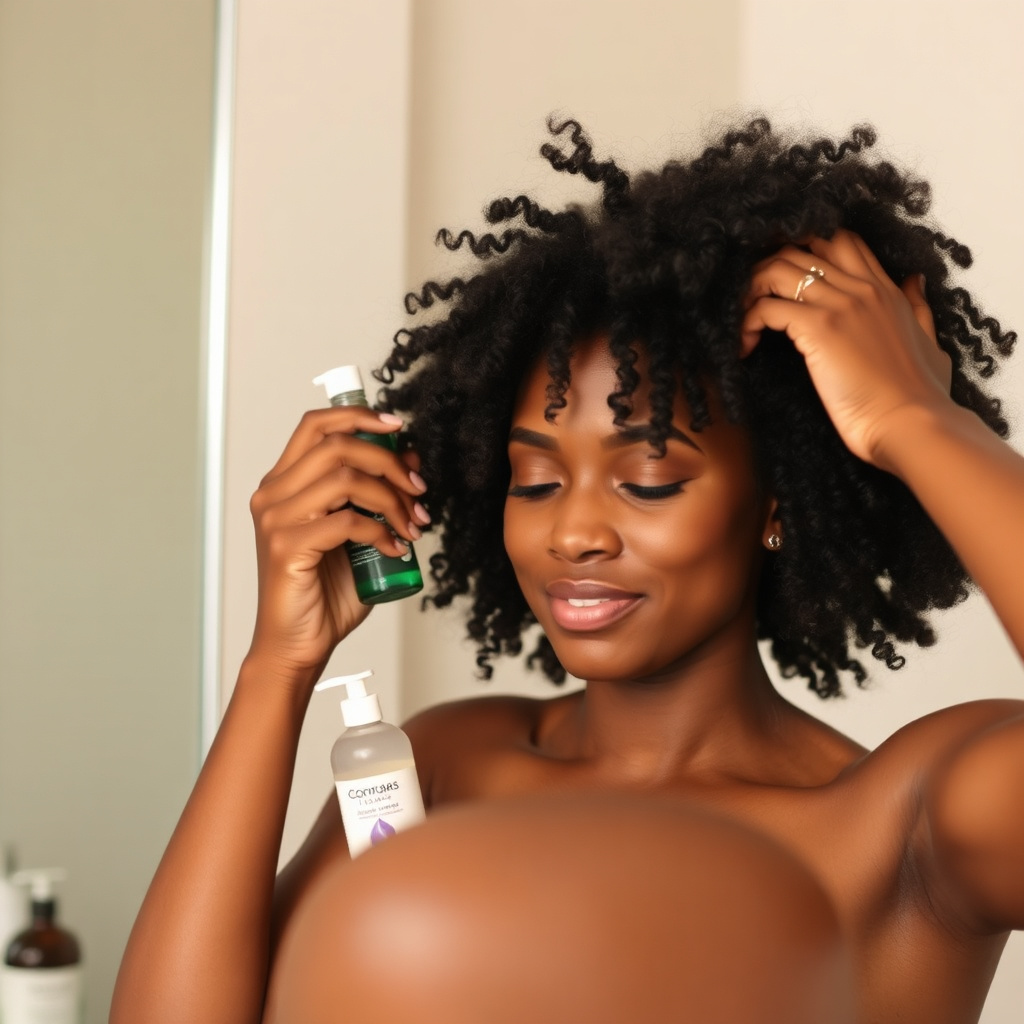
Detangling and Moisturizing
Properly detangling is crucial for smooth styling and to prevent breakage during updo creation. Use a wide-tooth comb or your fingers on damp hair with a moisturizing conditioner or leave-in treatment to gently remove knots.
Moisturizing natural hair keeps strands pliable and reduces frizz. Applying a water-based moisturizer followed by an oil or butter locks in hydration and primes the hair for styling.
- Wide-tooth comb or detangling brush
- Leave-in conditioner or detangler
- Water-based moisturizer
- Natural oils like jojoba or coconut oil
Stretching Techniques
Stretching natural hair lengthens curls and makes styling easier. Common methods include bantu knots, twist outs, or banding. Stretching reduces shrinkage and helps create sleeker updos.
Choose a stretching technique based on your hair’s curl pattern and the desired updo texture. For example, twists create defined strands for twisted buns, while bantu knots offer soft waves for pinned styles.
- Bantu knots
- Two-strand twists
- Banding with hair ties
- Blow drying on low heat with tension
Basic Updo Techniques on Natural Hair
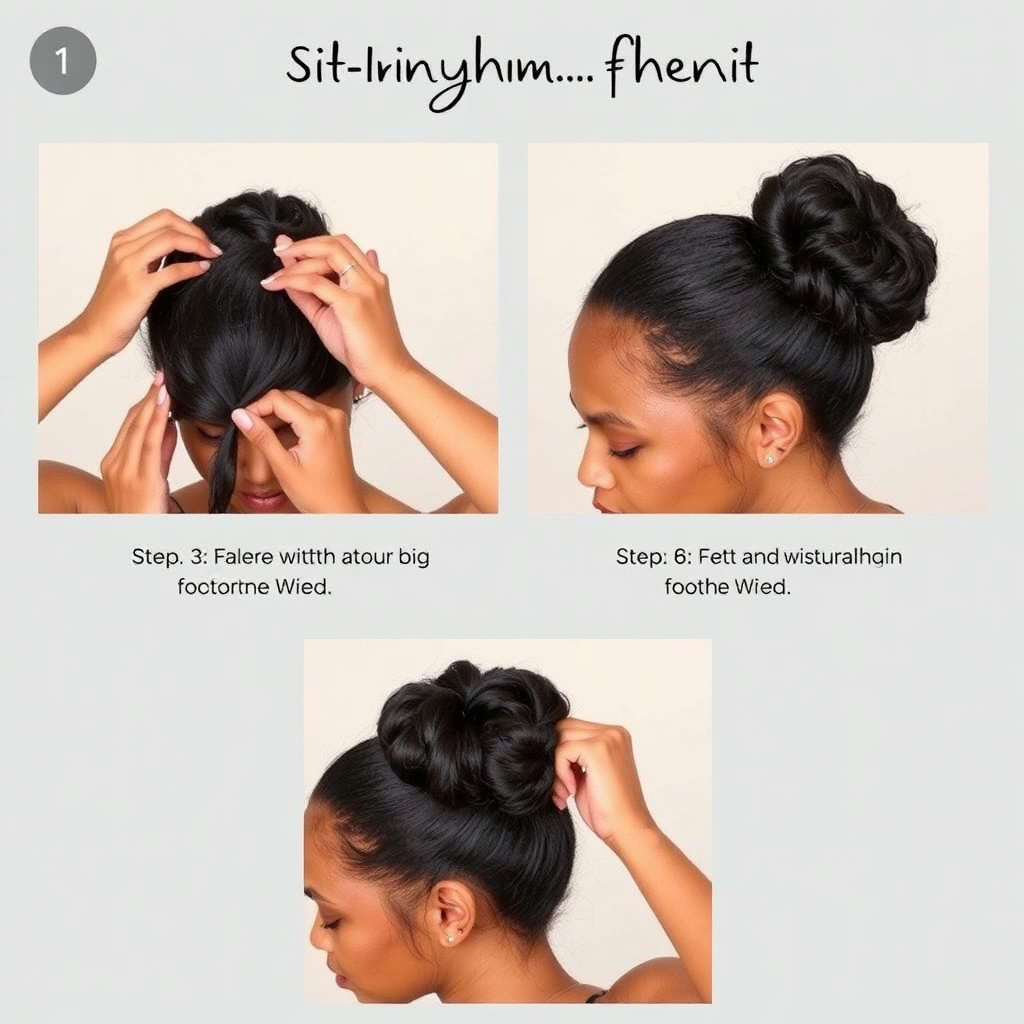
Twist and Pin Updos
Twist sections of hair and then pin them up strategically around the head for a textured, elegant look. Twists create volume and showcase curl definition within the updo.
Secure twists using bobby pins or hair clips. Position them in shapes like a crown or chignon to match your style preference.
- Divide hair into sections
- Twist each section tightly
- Pin twists around the scalp
- Use hairspray for hold
For more on this, see our related guide: How to Style Medium Length Hair: Tips and Techniques for Every Occasion.
Braided Updos
Braids add structure and can protect hair within the updo. French braids, cornrows, or flat twists can be braided close to the scalp and then gathered into buns or rolled styles.
Braided updos are versatile and last longer while keeping hair secure. They also create striking patterns that add a creative touch to the overall look.
- Choose braid type based on hair texture
- Braid close to the scalp or in individual sections
- Gather and pin or wrap braids
- Add accessories for flair
Advanced Styling and Securing Methods
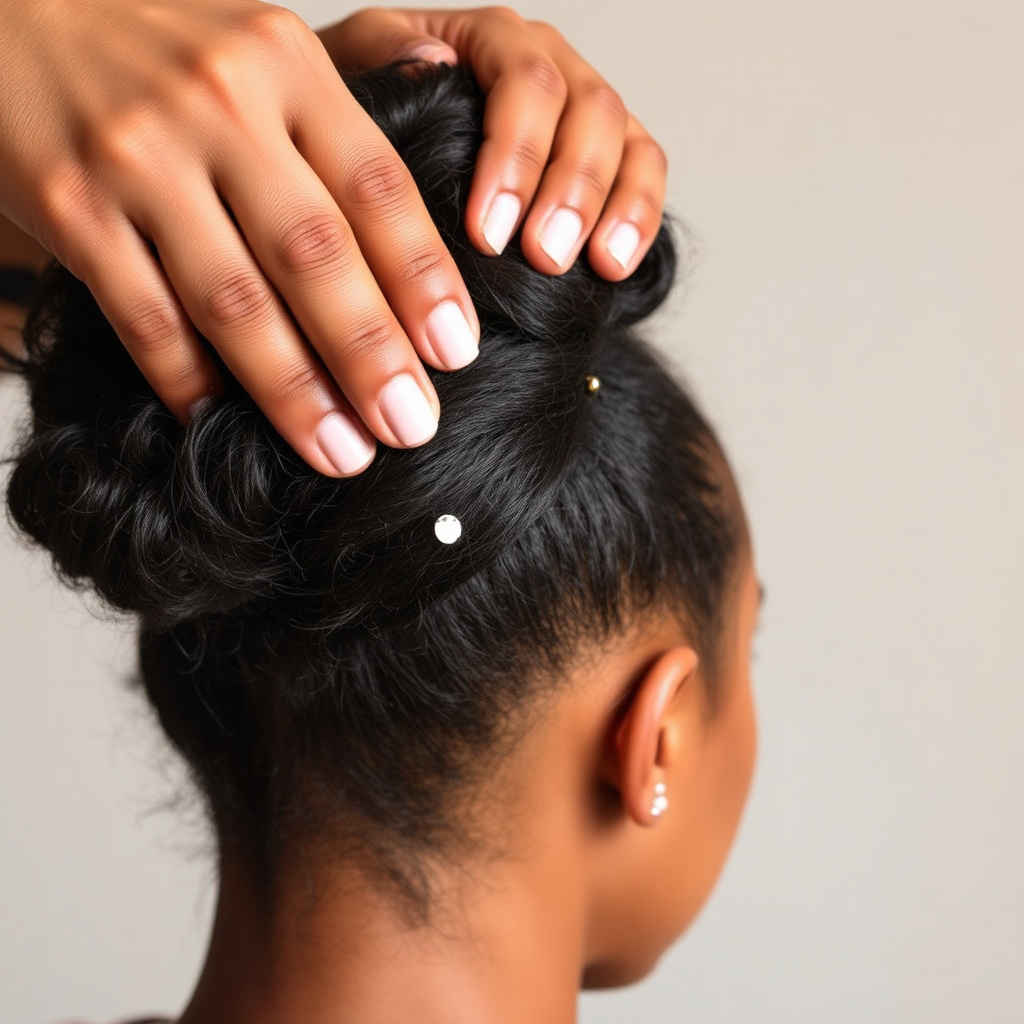
Using Hairpins and Accessories
Proper placement of hairpins is key to a secure updo. Insert bobby pins with the ridged side facing down for better grip on textured hair.
Incorporate decorative accessories like hair cuffs, beads, or combs to elevate the style while keeping the updo intact.
- Bobby pins or U-pins
- Elastic bands matching hair color
- Decorative clips or combs
- Silk or satin scarves for edge control
Maintaining Hold with Styling Products
Choose styling gels or creams designed for natural hair to smooth edges and reduce flyaways. Apply sparingly to avoid buildup or stiffness.
Finishing sprays provide additional hold without dulling natural luster, ensuring your updo stays in place throughout the day.
- Edge control gels
- Light-hold hairsprays
- Curl defining creams
- Avoid heavy waxes that flake
Adapting Updos for Different Hair Lengths and Textures
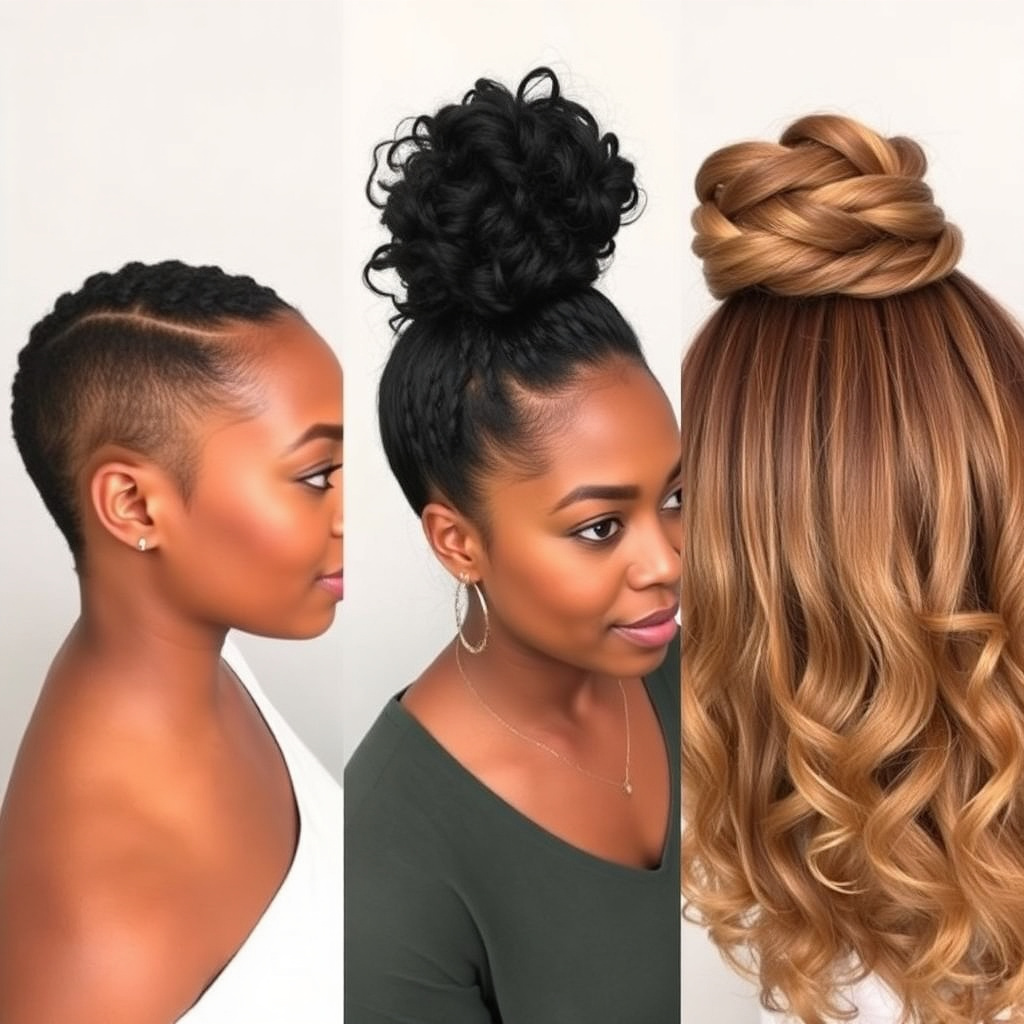
Short and Medium Length Hair Updos
Shorter natural hair can be styled into mini buns, twists, or pin curls to achieve an updo look. Stretching the hair beforehand facilitates easier manipulation.
For medium lengths, layered twists or braids can be gathered into buns or French rolls, offering both volume and versatility.
For more on this, see our related guide: How to Do a Twisted Ponytail: A Step-by-Step Guide.
Long Natural Hair Updos
Longer hair allows more intricate updos such as braided crowns, layered twists, and voluminous buns. Sectioning the hair well is essential for handling longer lengths comfortably.
Updos on long natural hair provide a dramatic statement and protect the ends from environmental stressors.
Caring for Natural Hair After an Updo
Nighttime Protection
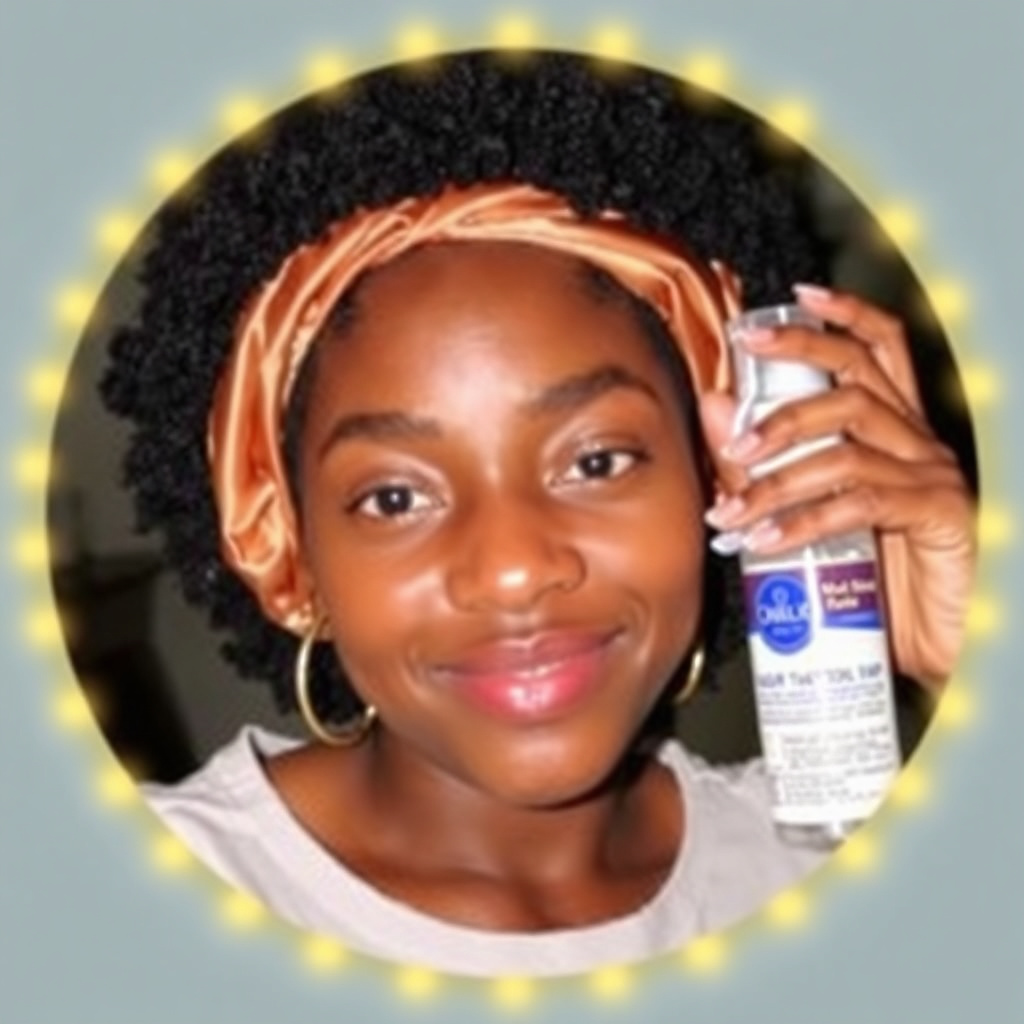
Use a satin or silk bonnet or scarf to cover your updo at night. This reduces friction that can lead to breakage and helps maintain moisture levels.
Loose updos should be gently unpinned before bed to prevent tangling, while tightly secured styles can be covered without disturbance.
- Satin bonnet or scarf
- Silk pillowcases as alternative
- Light moisture spray before covering
For more on natural hair care and styling techniques, this natural hair styling techniques resource provides a helpful overview. natural hair styling techniques.
Moisturizing and Refreshing
Spritz natural hair with a water-based refresher or moisturizing mist in the morning to revive an updo’s bounce and reduce dryness.
Reapply light oils or leave-in conditioners to maintain softness and manageability throughout the day.
Natural Hair Updo Techniques Comparison
This table summarizes popular updo techniques, highlighting their benefits, suitable hair lengths, and styling complexity.
| Technique | Best For Hair Length | Protection Level | Styling Complexity | Longevity |
|---|---|---|---|---|
| Twist Updo | Short to Long | High | Moderate | 3-5 Days |
| Braided Updo | Medium to Long | Very High | Advanced | 1+ Weeks |
| Bun Updo | Short to Long | Moderate | Easy | 1-3 Days |
| Pinned Curl Updo | Short to Medium | Moderate | Moderate | 2-4 Days |
| French Roll Updo | Medium to Long | High | Moderate | 3-5 Days |
Frequently Asked Questions
Can I do an updo on natural hair without heat?
Yes, many natural hair updos are achieved without heat by using stretch and twist techniques. Heat-free methods protect hair health and preserve curl texture.
How often should I refresh my natural hair updo?
Refreshing depends on the style, but generally every 2-5 days using light moisturizers and edge controls is recommended to maintain neatness and scalp health.
What products work best for holding natural hair in an updo?
Lightweight gels, edge control creams, and curling creams designed specifically for natural textures provide hold without flaking or stiffness.
Will updos cause breakage on natural hair?
Properly done updos with minimal tension and moisturizing preparation can prevent breakage. Avoid overly tight styles and excessive manipulation for hair health.
How do I protect my hair overnight with an updo?
Cover your updo with a satin or silk bonnet or scarf to reduce friction and moisture loss while sleeping. This helps preserve the style and protects hair strands.
Key Takeaways
- Start with well-moisturized and detangled natural hair for easier updo styling.
- Twist and braided updos offer protective and stylish options for various hair lengths.
- Use appropriate pins and light styling products to secure and maintain your updo.
- Protect your hair at night with satin accessories to keep your updo fresh longer.
Conclusion
Choosing how to do an updo on natural hair involves balancing style with hair health. Preparing the hair with moisture and detangling sets the foundation for a successful and damage-free updo. Exploring techniques like twists, braids, and buns reveals options to suit different textures and lengths, ensuring you have both protective and fashionable styles to rely on. Following proper securing methods and using the right products adds longevity and comfort to your finished look.
If you have short to medium hair, simple twist or bun updos are excellent starting points that provide both ease and style. For medium to long hair, braided updos or French rolls create sophisticated looks and offer superior protection against environmental damage. Selecting the appropriate style depends on the occasion, your hair’s condition, and how much time you want to spend maintaining it. Integrating these methods helps maintain natural hair’s integrity while letting you enjoy versatile, attractive updos.
Taking your natural hair updo further means incorporating nighttime care with satin coverings and light hydration to preserve moisture and shape. Start with basic styles and gradually try more intricate updos as you become confident with handling your hair’s unique properties. Whether for daily wear or special events, mastering these updo techniques rewards you with both beauty and healthier natural hair.


One Comment