How to Do Bantu Knots on Short Hair: A Step-by-Step Guide
Doing bantu knots on short hair involves sectioning your hair into small, manageable parts, twisting each section tightly, and then wrapping it into a coil close to the scalp before securing it. The key is using enough product to hold the knots firmly, but not so much that it causes buildup or flaking. This method works well on natural hair textures and enhances curl definition.
Short hair presents a unique challenge for bantu knots because it requires more twisting precision and careful securing to keep the knots intact without slipping or unraveling. However, bantu knots on short hair can create a stylish, protective look that also doubles as a heat-free way to achieve curls when untwisted. It promotes healthy hair growth by minimizing manipulation and breakage.
This article will cover how to prepare your hair properly, detailed step-by-step instructions for creating bantu knots on short hair, product recommendations, tips for maintaining the style, and alternatives you can try with similar protective effects. By following these guidelines, your bantu knots will look neat and last longer regardless of hair length.
Preparing Your Hair for Bantu Knots on Short Hair
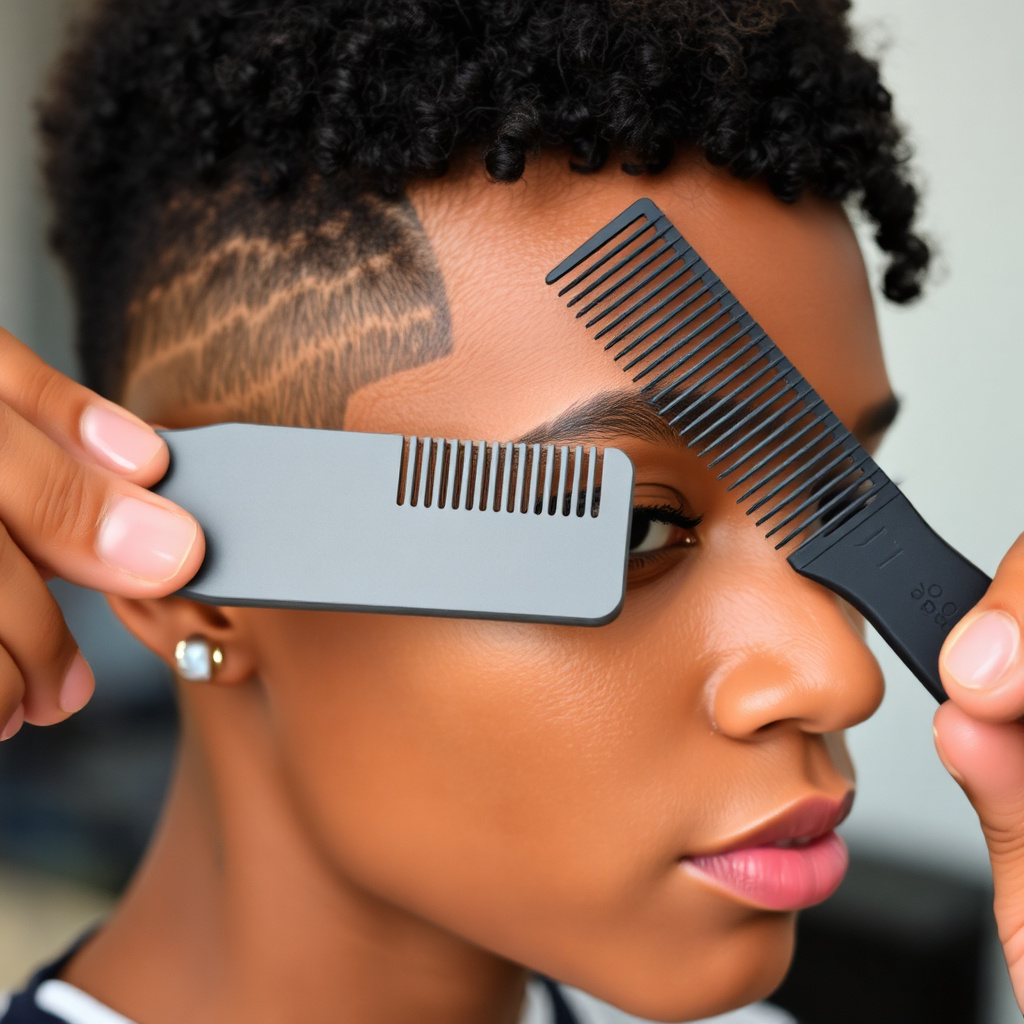
Washing and Conditioning
Start with clean hair by washing with a gentle sulfate-free shampoo that hydrates without stripping natural oils. Follow with a moisturizing conditioner to soften and detangle the hair, making it easier to section and twist.
For short hair, applying a leave-in conditioner after rinsing helps maintain moisture and increases elasticity, which reduces breakage when twisting the hair into bantu knots.
Detangling and Sectioning
Use a wide-tooth comb or finger detangle your hair gently to remove any knots or tangles. Performing this step when hair is damp is ideal because it prevents unnecessary breakage and makes styling smoother.
Divide the hair evenly into small sections according to your desired bantu knot size, which should typically be around 0.5 to 1 inch per section for short hair. Precise sectioning ensures uniform knots and a tidy look.
- Use clips to hold sections apart
- Section size influences knot tightness
- Smaller sections create more knots
Step-by-Step Method to Create Bantu Knots on Short Hair
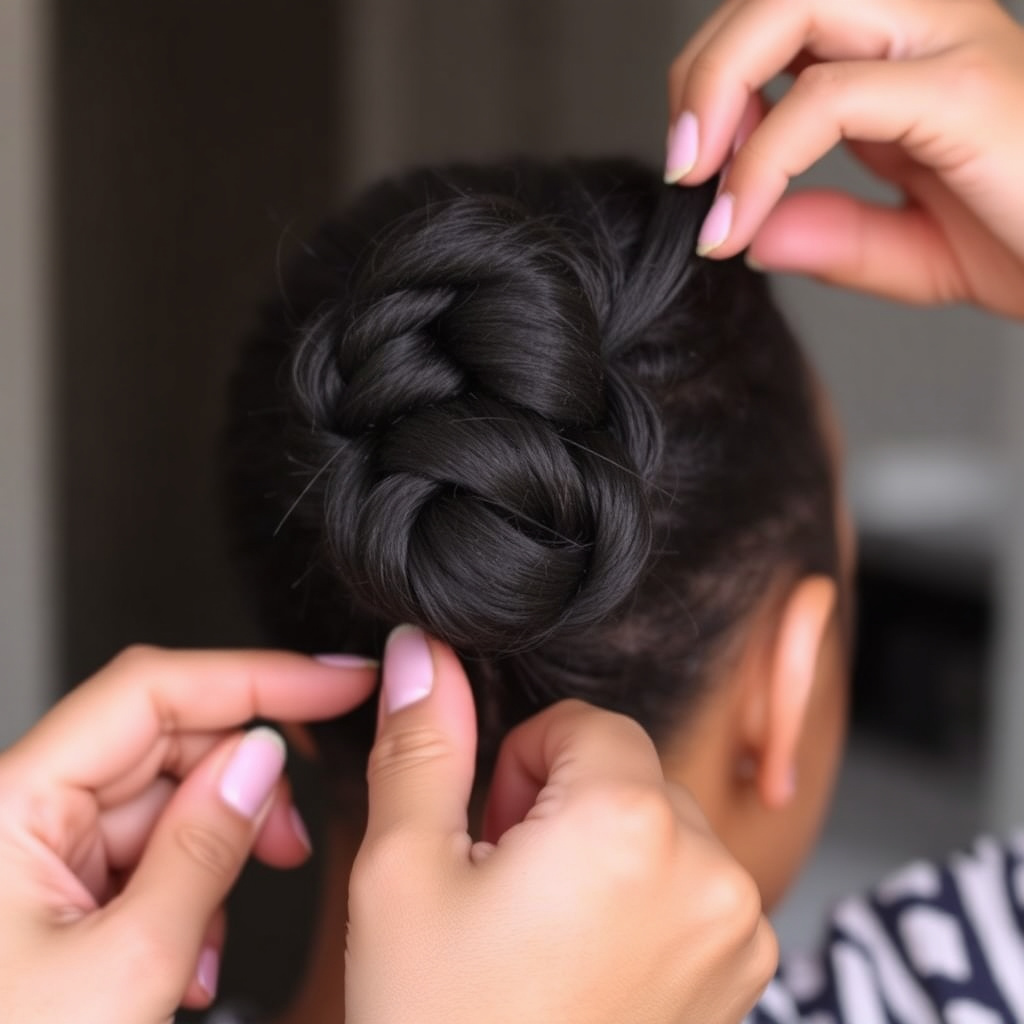
Twisting Each Section
Take each hair section and apply a curl-enhancing or hold product like a styling cream or gel. Twist the hair tightly from root to tip, ensuring the twist remains firm and smooth to prevent frizz and loosening.
When dealing with short hair, it's important to twist close to the scalp and maintain consistent tension throughout the process to create defined knots that won’t unravel easily.
For more on this, see our related guide: How to Do an Updo on Natural Hair: Step-by-Step Guide for Stunning Styles.
Forming and Securing the Knots
Wrap the twisted hair around itself near the base to form a tight coil. Secure the knot by tucking the ends under the knot or using small bobby pins if needed, especially if your hair is very short and prone to slipping.
Avoid using elastics as they can snag the hair or cause breakage. Instead, the tightness of the coil and product hold usually keeps the bantu knots in place for short hair.
- Tuck ends under the coil
- Use bobby pins sparingly
- Avoid rubber bands or ties
Choosing the Right Products for Bantu Knots on Short Hair
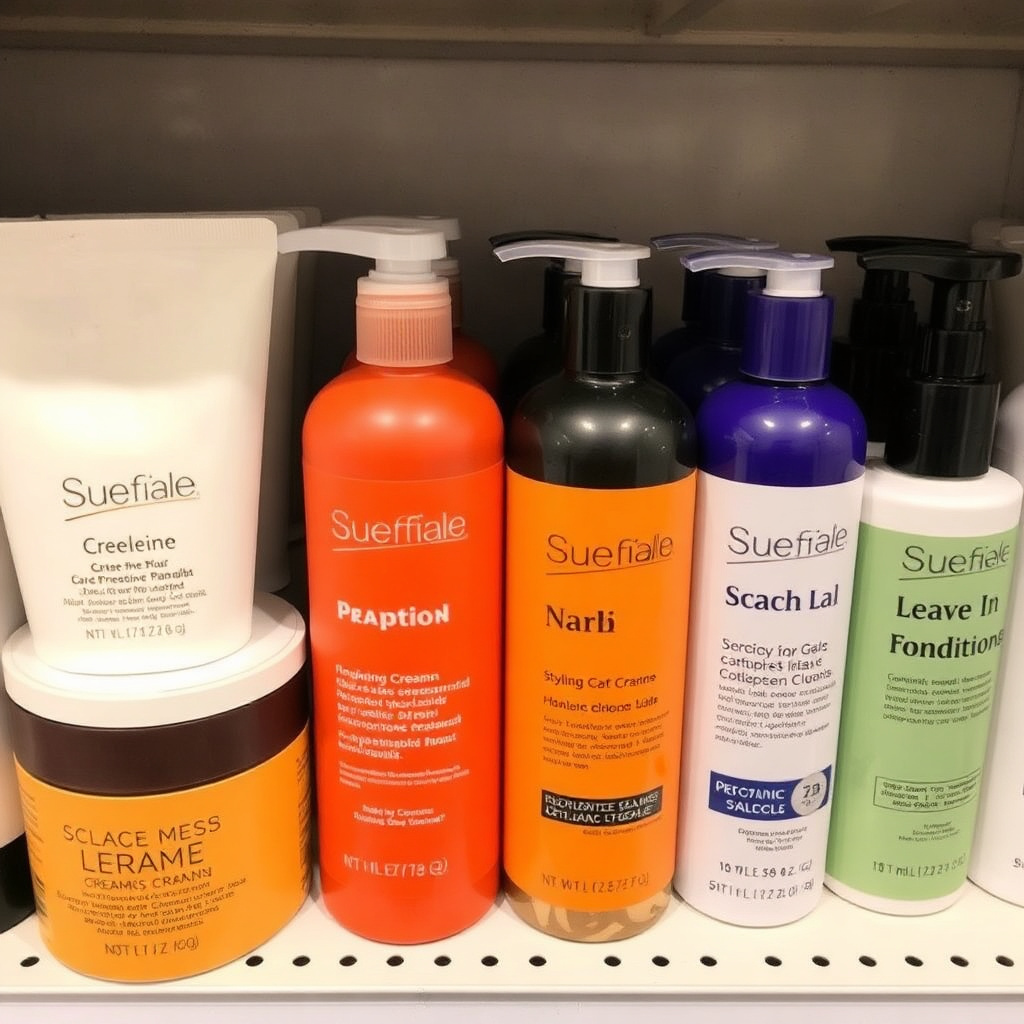
Moisturizing and Styling Products
Opt for lightweight leave-in conditioners and curl creams that add moisture without weighing down short hair. The right product increases shine and elasticity, crucial for forming smooth bantu knots.
Avoid heavy oils or thick butters as they can make short hair greasy or cause buildup that weighs down the twists.
- Lightweight curl creams
- Water-based leave-in conditioners
- Avoid heavy oils and butters
Hold Products for Longevity
Use a lightweight gel or edge control to provide a firm hold that prevents frizz and keeps bantu knots intact throughout the day. For short hair, avoid overly stiff gels that cause white flakes or stiffness.
Products with a blend of natural ingredients promote scalp health and prevent dryness under the knots, which is essential for maintaining scalp comfort.
- Light-hold gels or edge controls
- Check for natural scalp-friendly ingredients
- Avoid alcohol-based formulas to prevent drying
Maintaining and Caring for Bantu Knots on Short Hair

Protective Nighttime Care
Wear a satin or silk scarf or bonnet at night to reduce friction and protect bantu knots from unraveling or frizzing. Cotton pillowcases absorb moisture and cause hair to dry out faster.
Proper nighttime care helps maintain the style longer, preserving the bantu knots’ neat appearance for 3-5 days depending on hair type.
- Use satin bonnet or scarf
- Avoid cotton pillowcases
- Sleep with knots intact
For more on this, see our related guide: How to Do a Big Chop at Home: Step-by-Step Guide for Healthy Natural Hair.
Refreshing and Re-twisting
To refresh bantu knots during wear, lightly mist with water or a hydrating spray and smooth edges with a small amount of styling gel if frizz appears. Re-twist loose or undone knots gently without pulling hard.
Short hair bantu knots may need more frequent refreshes but avoid overhandling since it can cause brittleness or split ends.
Styling Variations and Alternatives to Bantu Knots on Short Hair
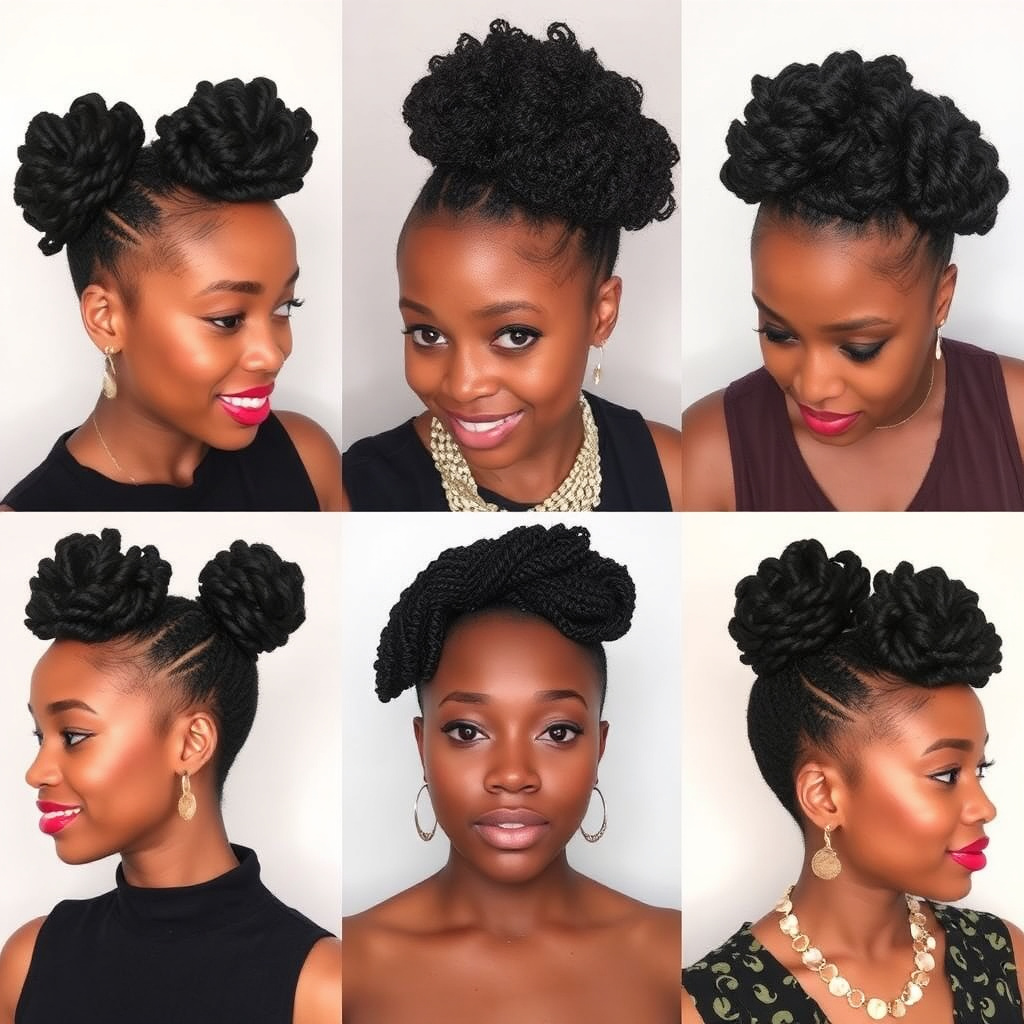
Mini Bantu Knots and Parting Styles
For a bold look, try mini bantu knots by creating smaller sections spread evenly across the scalp. This style works well on very short hair and allows for creative parting patterns, such as zigzags or geometric shapes.
Mini knots offer versatility with styling options after unraveling to create tight, uniform curls or waves reminiscent of the bantu knots hairstyle for short hair.
- Smaller sections create mini knots
- Experiment with bar or side parts
- Great for tight curl patterns
For more historical and cultural information about bantu knots, visit the Bantu knots page on Wikipedia. Bantu knots on Wikipedia.
Twist Outs and Other Protective Styles
If bantu knots feel too time-consuming, consider twist outs as an alternative. They also protect short hair and provide defined curls upon unraveling but require less securing effort.
Other protective styles for short hair include flat twists and finger coils, which similarly reduce styling damage while maintaining texture definition.
- Twist outs for curl definition
- Flat twists for low manipulation
- Finger coils as quick curl styles
Bantu Knots on Short Hair Style Type Comparison
Here’s a comparison of popular bantu knots variations and related styles suited for short hair, highlighting key features and suitability.
| Style Type | Ease of Creation | Hold Duration | Best Hair Texture | Styling Time |
|---|---|---|---|---|
| Standard Bantu Knots | Medium | 4-5 days | Natural curls/coils | 45-60 mins |
| Mini Bantu Knots | High | 3-4 days | Tight coils/kinky hair | 60-75 mins |
| Twist Outs | Low | 2-3 days | Loose curls to coils | 20-30 mins |
| Flat Twists | Low | 3-5 days | All natural textures | 30-45 mins |
| Finger Coils | Medium | 1-2 days | Tight curls | 20-40 mins |
Frequently Asked Questions
Can bantu knots be done on very short hair?
Yes, bantu knots can be created even on very short hair by using smaller sections and securing knots tightly. Using light gels and bobby pins can help keep knots from unraveling.
How do I prevent my bantu knots on short hair from unraveling?
To prevent unraveling, twist hair tightly and coil knots close to the scalp. Applying a good hold gel and protecting hair at night with a satin scarf helps maintain the style longer.
Is it better to do bantu knots on damp or dry hair?
Bantu knots are easiest to achieve on damp, detangled hair, as it provides flexibility and better hold. Styling products also absorb better when hair is slightly damp.
How do I protect my hair while sleeping with bantu knots?
Cover your bantu knots with a satin or silk scarf or bonnet before sleeping. This prevents friction, retains moisture, and helps keep the knots neat and intact.
Can I use bantu knots to create curls on short hair?
Absolutely. Once bantu knots are unraveled, they create heatless curls or waves, which adds texture and volume to short hair without heat damage.
Key Takeaways
- Proper hair preparation is essential for neat bantu knots on short hair.
- Tight twisting and securing methods prevent knots from unraveling easily.
- Lightweight, moisturizing products balance hold and hair health.
- Protective nighttime care extends the life of bantu knots dramatically.
Conclusion
Creating bantu knots on short hair requires attention to section size, twisting technique, and product choice to achieve a secure, stylish look. Unlike longer hair, short hair demands smaller sections and a closer coil to keep knots tight and neat. Moisturizing before styling and using appropriate holding products ensure that the bantu knots last longer without frizz or unraveling. Incorporating protective nighttime habits like wearing satin scarves enhances durability and maintains hair health during wear.
If you have natural curly or coily short hair, standard bantu knots or mini bantu knots work well to define texture while safeguarding strands from daily manipulation. For a quicker style or looser curls, consider alternatives like twist outs or finger coils, which also offer curl definition with less time commitment. Choosing the right style depends on your hair type, desired look, and how much time you want to spend on maintenance.
To start, wash and condition your hair thoroughly, then section and twist with care, using light gels or creams for hold. Protect your knots at night by wearing a satin bonnet, and refresh as needed during the day to keep the style looking fresh. Whether for a chic everyday style or a protective regimen, mastering bantu knots on short hair is a versatile and rewarding technique that enhances natural hair beauty.




One Comment