How to Do a Wig Install on Short Hair: A Step-by-Step Guide
The fastest way to do a wig install on short hair is by starting with a clean, moisturized scalp and using the right techniques to secure the wig firmly and naturally. Preparing the hair with a silk or nylon scarf wrap or a wig cap creates a smooth base that ensures the wig sits flat. Whether using glue, tape, or elastic straps, anchoring the wig properly prevents shifting.
Short hair wig installs matter because they offer versatility and quick transformation without the need for lengthy hair preparation. This method especially benefits those with natural hair textures that don’t lay flat or individuals who want a neat, polished look without wearing extensions themselves. The right steps also protect your hair and scalp from tension or damage caused by improperly installed wigs.
In this guide, we'll cover essential preparations such as prepping your scalp and hair, various installation methods tailored for short hair, tips for achieving the most natural appearance, and advice on caring for your wig and natural hair post-install. By the end, you'll confidently know how to install a wig on short hair with results that look effortless and last longer.
Preparing Your Short Hair for Wig Installation

Cleansing and Moisturizing the Scalp
A clean and moisturized scalp is essential for a secure wig install on short hair. Use a sulfate-free shampoo to wash the scalp and hair gently, avoiding harsh irritation. Follow with a lightweight, non-greasy moisturizer or scalp serum that absorbs quickly without leaving residue that might affect wig adhesion.
Moisturizing keeps the scalp healthy and prevents dryness or flakiness that can compromise the wig's grip. This step is fundamental to preventing discomfort while wearing the wig later on.
Using a Wig Cap or Hair Wrap to Flatten Hair
For short hair, a wig cap or a silk/nylon scarf wrap helps flatten hair and create a smooth surface. This reduces bulk under the wig and helps it lay flat against your scalp. Stretch the cap over your head, pin or secure any edges, and ensure it covers all hair.
If you choose a scarf instead, fold it tightly and wrap it around your head, tying at the nape of your neck. Leave the scarf on for 10-15 minutes before installing the wig to really flatten hair and tame any flyaways.
- Choose a cap color matching your skin tone or wig base
- Avoid caps with lace netting if it irritates your scalp
- Ensure the cap fits snugly without slipping
Choosing the Right Wig and Attachment Method for Short Hair
Selecting a Wig Suitable for Short Hair Install
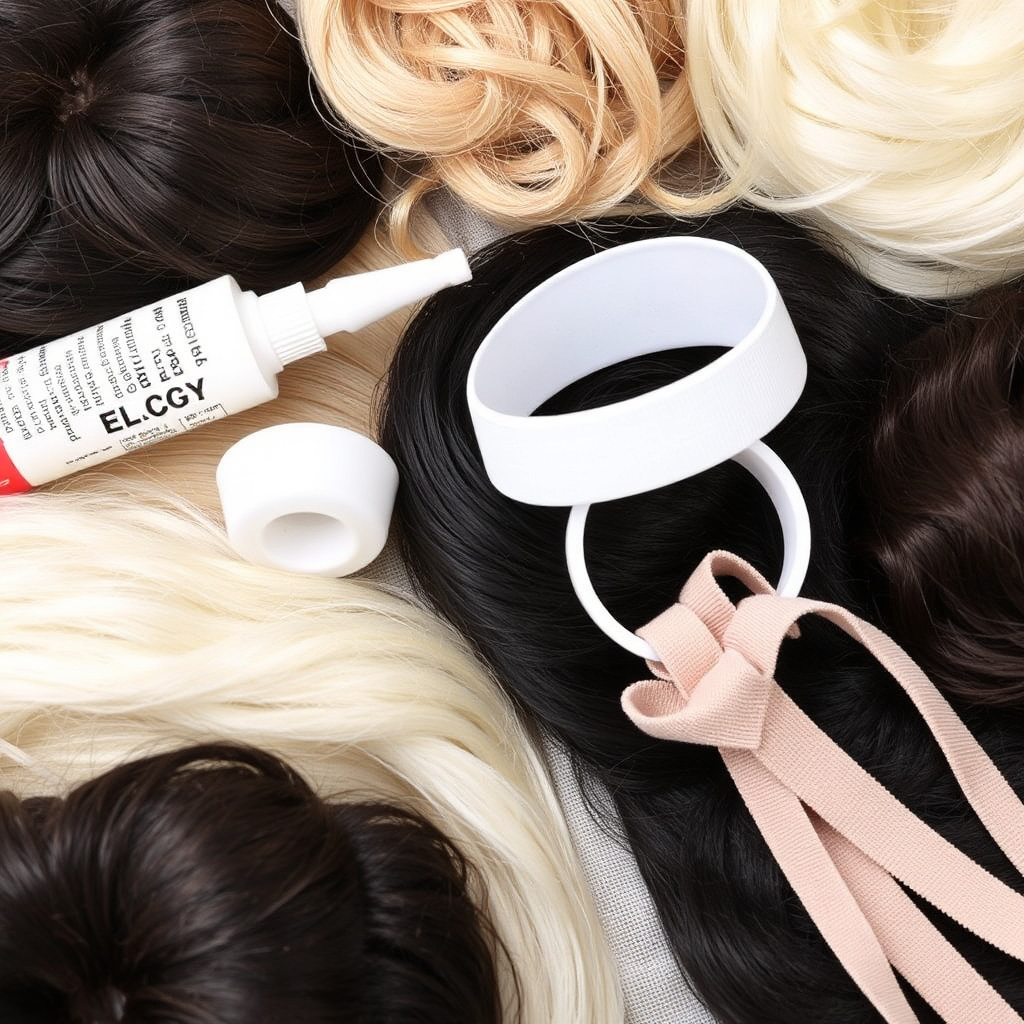
Opt for lace front or full lace wigs that allow versatile parting and provide a natural hairline, ideal for short hair installs. The wig cap size should fit snugly but comfortably to avoid excess pressure. Weight and density are important—lighter, less dense wigs minimize strain on your scalp and wig cap.
Synthetic wigs often hold their shape well, but human hair wigs offer styling flexibility. Consider your lifestyle and budget to pick the best option. For short hair, a tighter cap design helps the wig stay in place without needing additional adhesive.
- Lace front wigs create realistic hairlines
- Full lace wigs allow all-over parting
- Lightweight wig caps reduce scalp strain
For more on this, see our related guide: How to Do Cornrows on Natural Hair: A Step-by-Step Guide.
Attachment Options: Glue, Tape, and Straps
Wig glue provides the strongest hold but requires careful application and removal to avoid damage to short hair or scalp. Use glue formulated for sensitive skin and apply sparingly along the hairline.
Double-sided wig tape offers a balance of hold and removability, ideal for short hair that can't withstand heavy glue. Elastic straps inside the wig allow additional security and comfort without adhesives.
Each method suits different preferences and occasions, so try a combination if needed for a custom fit.
- Wig glue for long-lasting, secure hold
- Tape for easier removal and less scalp stress
- Straps increase wig stability without adhesives
Step-by-Step Wig Installation Process on Short Hair
Preparing the Attachment Base
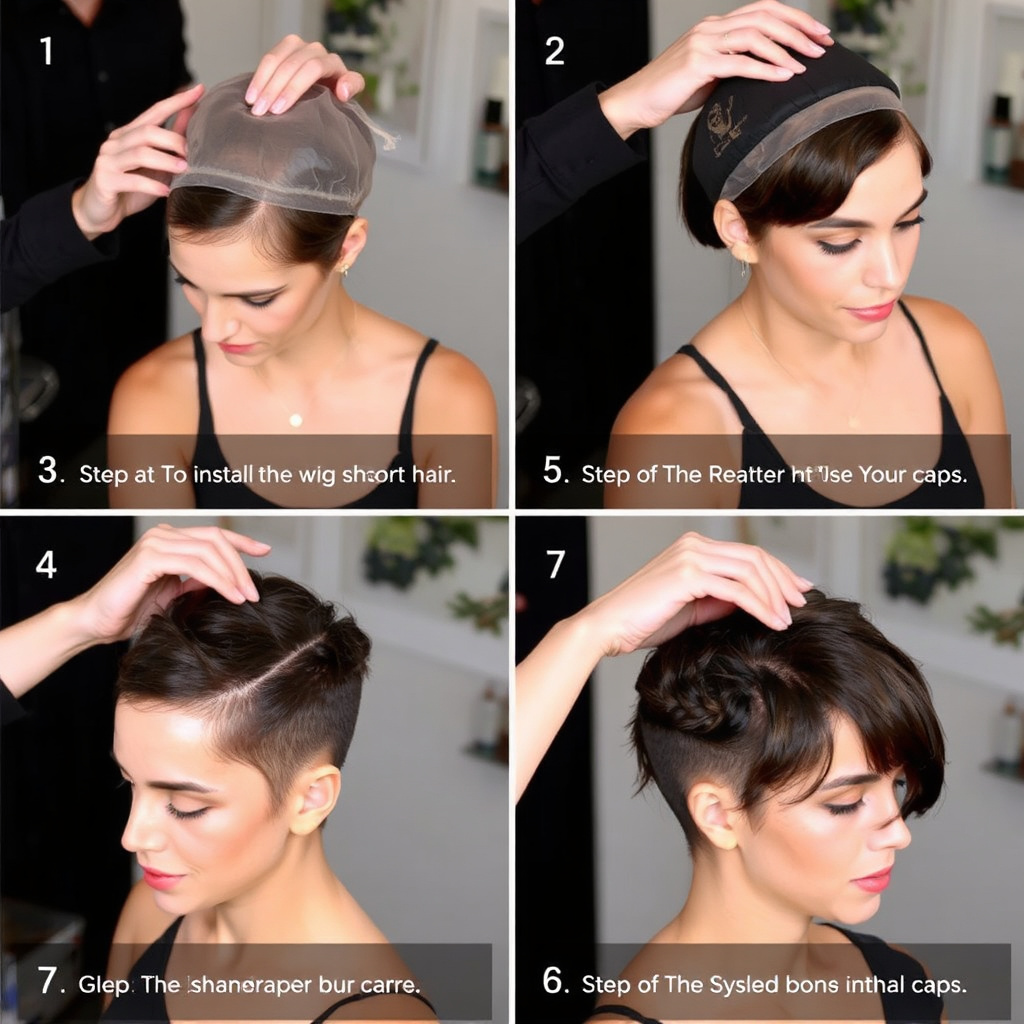
After cleaning and placing a wig cap, mark the natural hairline with a skin-safe pencil if your lace front wig needs aligning. Apply glue or tape carefully along this line and wait until it becomes tacky before placing the wig.
Ensure the glue or tape is not too thick to avoid lumps under the lace. For straps, adjust them before placing the wig to achieve a comfortable grip.
- Use thin layers of adhesive
- Align the wig hairline with your own
- Test tackiness before applying the wig
Securing and Styling the Wig
Place the wig starting from the front and press gently but firmly onto the adhesive or tape. Use a fine-tooth comb or makeup sponge to press the lace into the glue evenly for a seamless look.
After securing the wig, style baby hairs or edges with gel or mousse to mimic natural hairlines. Trim any excess lace carefully with scissors following your forehead shape.
- Press lace gently to avoid tearing
- Style baby hairs for realism
- Trim lace carefully for perfect fit
Maintaining Your Wig and Natural Hair After Installation
Daily Care for Your Wig
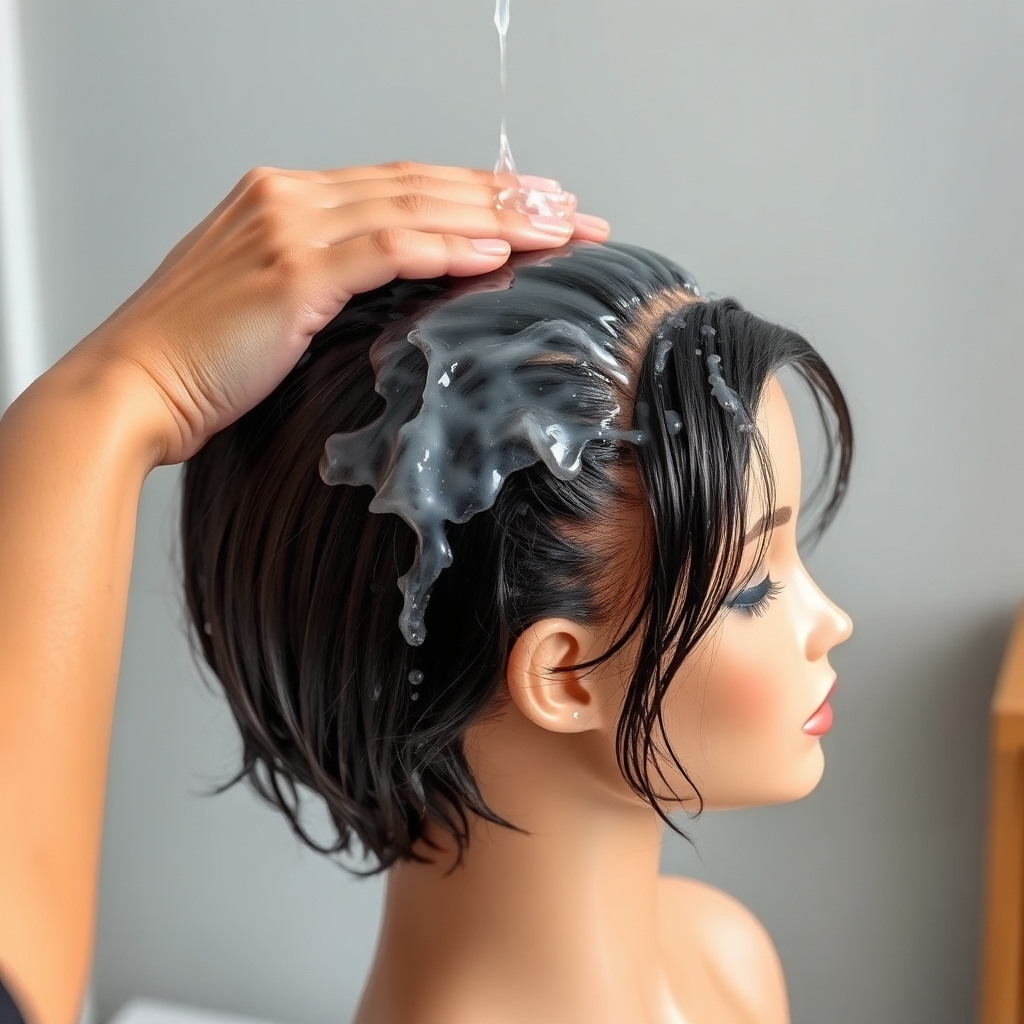
Remove dirt and oil buildup by washing your wig every 7-10 wears using sulfate-free shampoo and conditioner. Store your wig on a stand to retain its shape and prevent tangling.
Use wig detanglers and avoid excessive heat styling to prolong wig lifespan. Avoid sleeping in your wig unless it is designed for overnight wear.
- Wash wig regularly but not daily
- Use wig-specific products
- Store on a wig stand or mannequin head
For more on this, see our related guide: How to Do a Glueless Wig Install: A Step-by-Step Guide.
Protecting Your Short Hair and Scalp
Allow your scalp and hair to breathe by giving breaks between wig wears. Apply a leave-in conditioner under the wig cap to keep short hair moisturized and reduce friction.
Remove adhesive residues gently using recommended removers and avoid tight wig installations to prevent traction alopecia or irritation.
- Take wig-free days for scalp health
- Moisturize short hair daily
- Use gentle adhesive removers
Troubleshooting Common Issues with Wig Installs on Short Hair
Fixing Lace Lifting and Slippage
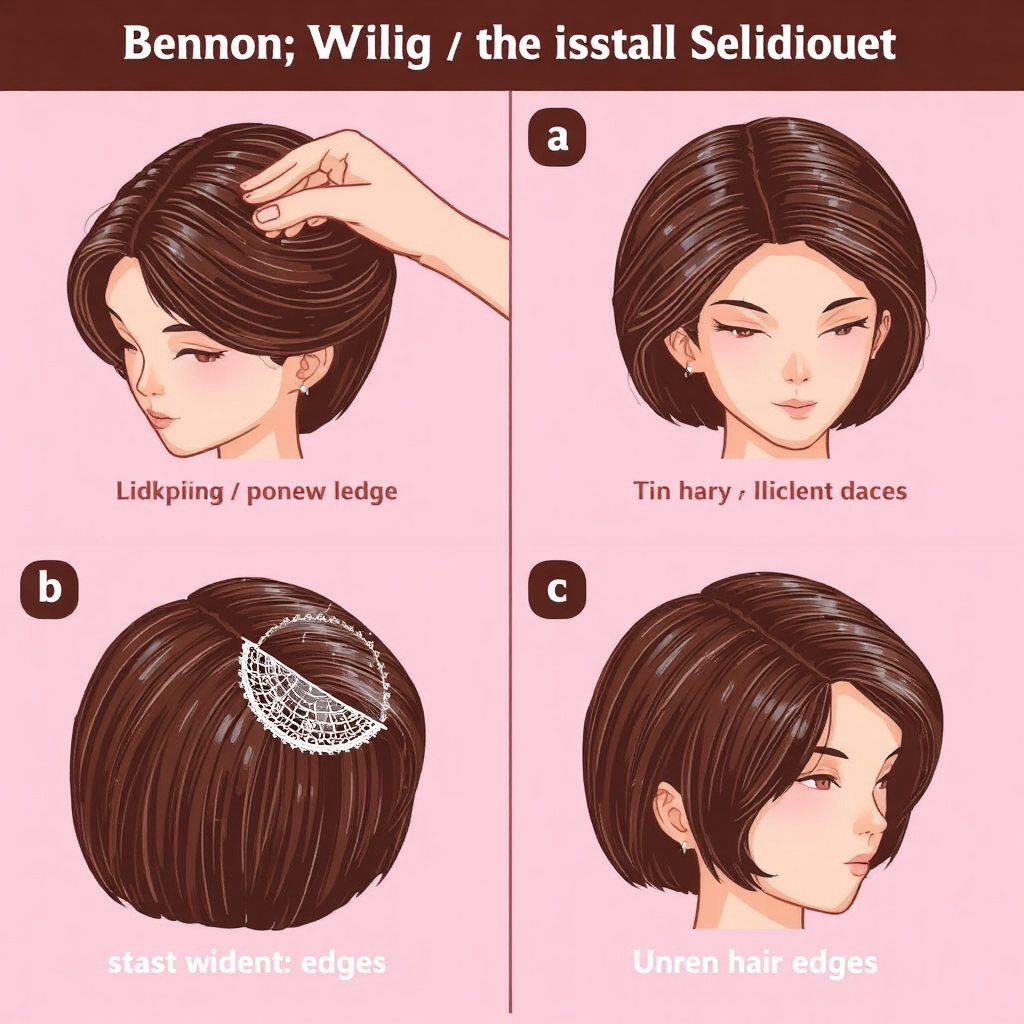
Lace lifting often happens when glue or tape isn't applied evenly or when scalp oils weaken adhesion. Clean the scalp thoroughly and reapply adhesion, pressing the lace flat. Use a blow dryer on cool setting to help set the bond.
Elastic straps can reduce wig movement to prevent slippage without additional glue.
- Reapply adhesive if lace lifts
- Ensure scalp is oil-free before applying glue
- Use straps to stabilize wig position
For further insights on wig construction and types, you can explore this detailed overview of wig installation techniques. wig installation techniques.
Minimizing Itchiness and Irritation
Sensitive scalps may itch due to glue residue or tight wig caps. Wash the scalp gently to remove residue and switch to hypoallergenic adhesives.
Opt for breathable wig caps and avoid wearing wigs too tightly. Adding breathable liners under the wig cap can reduce irritation.
- Use gentle scalp cleansers
- Try hypoallergenic wig adhesive
- Choose breathable caps and liners
Wig Install Methods for Short Hair: A Comparison
Here’s a quick look at popular wig install methods suitable for short hair, comparing hold strength, scalp impact, and ease of use.
| Method | Hold Strength | Scalp Impact | Removal Ease | Cost |
|---|---|---|---|---|
| Wig Glue | Very Strong | Moderate (may cause irritation) | Difficult | Medium |
| Double-Sided Tape | Strong | Low to Moderate | Moderate | Low |
| Elastic Strap | Medium | Low | Easy | Free with wig |
| Clips and Combs | Medium | Low | Easy | Usually Included |
| No Adhesive (Wig Cap Only) | Low | Low | Very Easy | Free |
Frequently Asked Questions
Can I install a wig directly on short hair without braiding?
Yes, you can install a wig directly on short hair by flattening it with a wig cap or a silk scarf to create a smooth base, which helps the wig sit securely without braids.
How do I prevent my wig from slipping on short hair?
Use a snug wig cap, secure adhesives like glue or tape along the hairline, and consider elastic straps inside the wig for additional support to keep it from sliding.
Is it safe to use glue on sensitive scalps?
Certain wig glues are formulated for sensitive skin, but always do a patch test. If irritation occurs, switch to hypoallergenic adhesives or non-adhesive methods like elastic straps.
How often should I remove my wig to care for my short hair?
It's best to take your wig off daily or at least every night to allow your scalp and natural hair to breathe and remain healthy, especially with adhesive-based installs.
Can I style lace wigs on short hair to look natural?
Yes, lace wigs allow for styling baby hairs and customizing the hairline, making them the most natural-looking option for short hair wig installs.
Key Takeaways
- Proper scalp prep with cleansing and moisturizing is critical for a smooth wig install.
- Lace front and full lace wigs deliver the most natural look on short hair.
- Choose attachment methods based on hold, scalp sensitivity, and removal preferences.
- Routine wig and scalp care prolong the life of both the wig and your natural hair.
Conclusion
Installing a wig on short hair requires a clear understanding of your scalp and hair type, the wig’s structure, and the right attachment method. Start by thoroughly preparing your scalp and hair to create an ideal base that supports a firm fit. Whether using glue for a long-lasting hold or elastic straps for comfort, balancing security with your scalp’s health leads to the best results. Attention to detail during application minimizes common problems like lace lifting or irritation, giving your wig a natural appearance.
If you want the most realistic finish, lace front and full lace wigs are excellent choices that allow you to shape the hairline and style baby hairs. For secure attachment, wig glue works well but may not be suitable for sensitive scalps, where tape or elastic straps offer gentle alternatives. Those new to wig installs on short hair might prefer starting with elastic straps and wig caps, building confidence before experimenting with adhesives.
Take care to remove your wig regularly, cleanse your scalp, and moisturize to maintain scalp health under the wig. Regular wig maintenance like washing and proper storage keeps your investment lasting longer. By following these steps, you can enjoy the versatility and style that come with wearing wigs on short hair confidently and comfortably.






3 Comments