How to Retain Hair Color: Effective Tips for Long-Lasting Vibrancy
To retain hair color effectively, focus on protecting your hair from harsh washing, heat styling, and environmental damage, while using products specifically designed for color-treated hair. This includes washing with cool water, choosing sulfate-free shampoos, and regularly applying color-protecting conditioners and masks. Doing so helps maintain the vibrancy and prevents premature fading.
Maintaining hair color matters because it preserves the look and feel you desired from your dye session, saving both time and money on frequent touch-ups. When color fades too quickly, hair can look dull, brassy, or uneven, which many find frustrating after investing in professional or at-home coloring.
This article will cover the best daily habits, products, and treatments that help retain hair color. You’ll learn how water temperature, hair washing frequency, UV protection, heat styling methods, and nutrition impact your dyed hair’s longevity.
Proper Hair Washing Techniques to Retain Hair Color

Using Cool Water Instead of Hot Water
Hot water strips natural oils and opens the hair cuticle, which causes color molecules to escape and fade faster. Washing your hair with cool or lukewarm water helps seal the cuticle, locking in color and moisture for longer retention.
Cold rinses not only maintain shine but also reduce scalp irritation and dryness, both of which can contribute to dull hair. This simple switch from hot to cooler water during washing can significantly extend the life of your hair color.
- Prevents stripping of hair dye
- Seals cuticle for color lock
- Preserves scalp health
Choosing the Right Shampoo and Conditioner
Sulfate-free shampoos are less likely to remove hair dye as they cleanse gently without harsh detergents. Brands specifically formulated for color-treated hair contain ingredients that protect color molecules and add moisture.
Pair your shampoo with a rich conditioner or color-protecting mask to replenish hydration and smooth the hair surface, reducing fading from friction and environmental exposure.
- Look for labels like 'color safe' or 'for color-treated hair'
- Avoid shampoos with sulfates and parabens
- Use a weekly color-protecting deep conditioner
Heat Styling and Environmental Factors Affecting Hair Color

Minimizing Heat Damage During Styling
Heat tools like flat irons and curling wands can rapidly fade hair dye by breaking down the pigment molecules and drying out the hair shaft. Using a heat protectant before styling forms a barrier that reduces color loss and prevents damage.
Adjusting your heat setting to the lowest effective temperature and limiting styling frequency also protects color-treated hair from quicker fading.
- Use heat protectant sprays or serums
- Set styling tools below 350°F (177°C)
- Limit heat styling to a few times per week
For more on this, see our related guide: How to Do a Wig Install on Short Hair: A Step-by-Step Guide.
Protecting Hair from Sun and Pollution
Ultraviolet rays from the sun break down hair pigments, leading to fading, dryness, and frizz. Wearing hats or applying UV-protectant sprays helps shield hair color from sun damage.
Environmental pollutants like smoke and dust can also dull hair vibrancy by depositing residues and causing oxidation. Gentle cleansing and protective measures help reduce this impact.
- Use hair sunscreens or UV protective sprays
- Cover hair with hats or scarves outdoors
- Rinse hair after exposure to pollutants
Daily Hair Care Practices for Maintaining Color
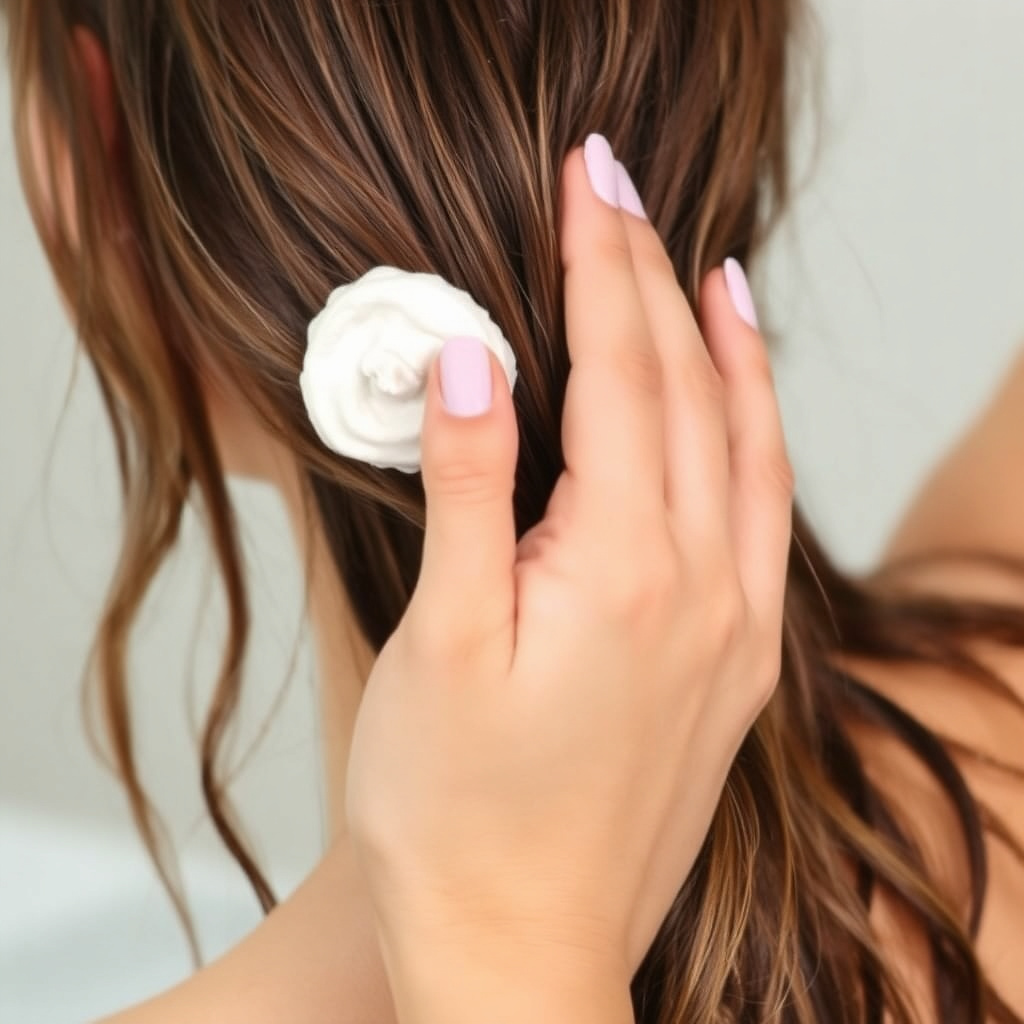
Using Leave-In Conditioners and Serums
Leave-in conditioners and serums provide ongoing hydration and form a protective layer against friction and environmental stressors that strip color. These products often contain antioxidants and UV filters which help maintain the hair’s color integrity.
Regular use on damp hair before drying or styling keeps strands smooth and vibrant throughout the day.
- Choose products with UV protection
- Apply evenly on mid-lengths to ends
- Reapply as needed for dry or exposed hair
Limiting Hair Washing Frequency
Washing hair too often strips away the color and natural oils that nourish strands. Most color-treated hair maintains vibrancy best when washed two to three times weekly, allowing natural oils to safeguard color and moisture.
Using dry shampoo between washes helps extend freshness without fading hair color prematurely.
- Wash 2-3 times per week
- Use dry shampoo to reduce washing
- Avoid daily shampooing unless necessary
Professional Treatments and Touch-Up Strategies to Keep Color Fresh

Color-Refreshing Gloss and Toner Treatments
Glosses and toners deposit translucent color onto hair surface without harsh chemicals, enhancing shine and correcting fading or brassiness. These treatments are ideal for between-dye sessions to maintain a fresh look.
Many salons offer gloss services tailored for different hair colors or specific undertones, boosting vibrancy with minimal damage.
- Gloss treatments last 4-6 weeks
- Toners neutralize unwanted tones
- Safe for frequent use on color-treated hair
For more on this, see our related guide: How to Do a Gray Coverage: A Step-by-Step Guide for Luscious Hair.
Scheduling Regular Touch-Ups
Maintaining color often requires scheduling touch-ups every 4-8 weeks, depending on hair growth rate and dye type. Timely root coloring and overall refresh prevent noticeable fading and maintain a polished appearance.
Communicate with your stylist about your lifestyle and hair goals to plan ideal touch-up intervals and products.
- Typically every 4-8 weeks for permanent dye
- Semi-permanent colors may need more frequent attention
- Avoid overprocessing hair with too frequent dyeing
Nutrition and Lifestyle Choices Impacting Hair Color Retention

Eating a Hair-Friendly Diet
A diet rich in vitamins A, C, E, omega-3 fatty acids, and proteins supports hair health from the inside out. Well-nourished hair is stronger and holds dye pigments better, resisting fading caused by brittle strands.
Incorporate leafy greens, nuts, fish, and colorful fruits to improve hair quality along with supplements if needed.
- Vitamin C aids collagen production
- Omega-3 promotes scalp health
- Protein is essential for keratin strength
For more detailed insights on hair coloring techniques and care routines, refer to this comprehensive resource. hair coloring techniques and care.
Managing Stress and Avoiding Harmful Habits
Chronic stress can disrupt hair growth cycles and weaken strands, potentially accelerating color fading. Minimizing stress through relaxation techniques improves overall hair resilience.
Avoid smoking and excessive alcohol consumption as they contribute to dull, dehydrated hair less able to maintain hair color vibrancy.
- Practice mindfulness and exercise
- Quit smoking to improve hair quality
- Limit alcohol to support hydration
Hair Color Retention Methods Comparison
A quick comparison of common strategies for retaining hair color, highlighting their benefits and drawbacks.
| Method | Effectiveness | Cost | Frequency Needed | Hair Type Compatibility |
|---|---|---|---|---|
| Cool Water Washing | High | Free | Every wash | All hair types |
| Sulfate-Free Shampoo | High | Moderate | Every wash | Color-treated hair |
| Heat Protectant Use | Moderate | Low | When styling | Heat-styled hair |
| Color Gloss Treatment | High | Moderate to High | Every 4-6 weeks | All hair colors |
| UV Protection | Moderate | Low to Moderate | Daily | Outdoor hair exposure |
| Balanced Nutrition | Moderate | Varies | Ongoing | All hair types |
Frequently Asked Questions
How often should I wash color-treated hair to keep the color from fading?
Washing color-treated hair two to three times a week helps maintain vibrancy. Overwashing strips natural oils and color pigments, accelerating fading.
Can heat styling tools damage hair color?
Yes, heat styling tools break down color molecules and dry out hair, causing quicker fading. Using heat protectants and reducing styling frequency helps preserve color.
Are there specific products recommended for retaining hair color?
Products labeled for color-treated hair, especially sulfate-free shampoos and conditioners, help retain hair color by gently cleansing and moisturizing without stripping dye.
Does sun exposure really affect hair color retention?
Sun UV rays can break down hair pigments, causing fading and dryness. Using UV hair sprays or wearing hats when outdoors can minimize this damage.
Is it necessary to do professional gloss treatments for color longevity?
Gloss treatments enhance shine and refresh faded tones between dye sessions, extending the vibrant look without additional harsh coloring.
Key Takeaways
- Wash hair with cool water using sulfate-free shampoos to protect hair color.
- Minimize heat styling and use heat protectants for less fading.
- Apply UV protection and limit environmental exposure to retain vibrancy.
- Maintain a balanced diet and healthy lifestyle for stronger, longer-lasting color.
Conclusion
Maintaining vibrant hair color depends on combining a few key habits that protect both the hair’s health and its pigment molecules. This means adjusting your washing routine, selecting gentle, color-friendly products, and protecting hair from heat and environmental stressors. Each step supports the color's longevity by strengthening the hair and preventing pigment loss over time.
For those with freshly dyed hair, investing in sulfate-free shampoos and conditioners is an excellent starting point. Occasional professional gloss treatments can refresh fading tones seamlessly, while daily use of UV protection and heat guards saves color from external damage. Tailoring your approach based on hair type and lifestyle will yield the best results, ensuring you enjoy your hair color for weeks longer.
Start by reducing washing frequency and switching to cool rinses today to immediately slow down fading. Then introduce targeted care with leave-in conditioners and UV shields, plus a nutritious diet supporting hair’s natural strength. With consistent care, your hair color will retain that vibrant, freshly dyed look well beyond your appointment.


