How to Style a TWA: Expert Tips for a Flawless Textured Wave Afro
Styling a TWA (Teeny Weeny Afro) starts with moisturizing the hair thoroughly and using light styling products that enhance texture without weighing it down. You can shape your TWA by finger-coiling, using a soft brush, or a microfiber towel to define natural curls and waves effectively.
TWA hairstyles are popular for their ease and versatility, but moisture retention and definition are key to maintaining a neat look. Understanding your hair type and using suitable products can help prevent frizz and dryness, which can quickly disrupt your style.
In this article, we will cover techniques to prep and style your TWA, including daily maintenance tips, product recommendations, and methods to achieve various looks such as wave patterns, defined curls, and more manageable growth styling.
Preparing Your Hair for Styling Your TWA

Washing and Conditioning
Start with gentle cleansing using a sulfate-free shampoo to preserve your scalp's natural oils. Then, apply a moisturizing conditioner to soften hair strands, making styling easier and reducing breakage.
Rinse with cool water to close hair cuticles and lock in moisture, which helps your TWA maintain its shape and shine throughout the day.
- Use sulfate-free shampoo
- Apply hydrating conditioner thoroughly
- Rinse with cool water
Applying Leave-in Conditioner and Oils
After towel-drying, apply a lightweight leave-in conditioner to hydrate your hair without causing buildup. Follow with natural oils like jojoba, argan, or coconut oil to seal moisture and increase shine.
These steps protect your hair from dryness and promote a softer TWA texture that's easier to manipulate during styling.
- Apply leave-in conditioner evenly
- Seal moisture with light natural oils
Styling Techniques for a Textured Wave Afro

Finger Coiling
Finger coiling is a popular method where you twirl small sections of your hair around your finger to define curls and waves naturally. It allows for precise shaping and enhances your TWA's texture.
This technique works best when hair is damp and moisturized, and you can finish with a light gel or curl cream to maintain hold without stiffness.
- Divide hair into small sections
- Twist strands around your finger
- Apply light hold styling cream
Using a Soft Wave Brush or Sponge
For subtle wave definition, use a soft wave brush or sponge designed for short natural hair. Brush your TWA in circular motions to enhance your hair’s natural pattern and create waves.
This approach is great for a quick style and can be paired with moisturizing sprays to keep hair hydrated and reduce frizz throughout the day.
- Brush in circular motions
- Use hydrating sprays as needed
Choosing Products for Styling and Maintenance

Best Products for TWA Styling
Selecting the right products is key to maintaining a stylish TWA. Lightweight curl creams and gels that offer medium hold without causing flakiness work well. Avoid heavy products that can weigh down your hair or cause buildup.
Look for products rich in natural oils and humectants to keep your hair moisturized and shiny throughout the day.
- Lightweight curl cream
- Medium-hold gel
- Natural oil-based moisturizers
For more on this, see our related guide: How to Style Hair with a Round Brush: Techniques for Smooth, Voluminous Hair.
Avoiding Product Buildup
To prevent buildup that can clump hair and dull your TWA's appearance, wash your hair regularly with clarifying shampoo but avoid over-cleansing which strips natural oils.
Rotate your styling products and wash tools like brushes or sponges frequently to maintain hair and scalp health.
- Use clarifying shampoo weekly
- Clean styling tools regularly
- Alternate products to reduce buildup
Maintaining Your TWA Daily

Nighttime Care
Protect your TWA at night with a satin or silk scarf or bonnet to reduce friction that causes breakage and moisture loss. This simple step helps maintain your style and prevents frizz overnight.
Alternatively, sleep on a satin pillowcase for added protection without sacrificing comfort.
- Wrap hair in satin or silk scarf
- Use satin pillowcase for extra care
Refreshing Your TWA
To refresh your TWA during the day or between washes, lightly mist your hair with water or a leave-in spray, then reshape with your fingers or a wave brush.
Applying a small amount of curl cream helps redefine curls and reduce frizz without needing a full restyle.
- Use water or leave-in spray
- Lightly reapply curl cream as needed
- Reshape with fingers or brush
Experimenting with Different Looks for Your TWA

Defined Finger Coils Versus Soft Waves
Finger coils create a more deliberate, defined curl pattern for a crisp look, while soft waves offer a relaxed, natural texture. Each style complements different occasions and preferences.
Use gels and creams for coils, and light brushes or sponges for waves, adapting product choices to support each look’s texture and hold.
For more on this, see our related guide: How to Style Layers: Essential Tips for Effortless Layered Looks.
TWA Growth Styling and Shaping
As your TWA grows, you can shape it into different silhouettes like rounded afros or tapered styles by trimming strategically or finger shaping.
Consult with a stylist to maintain clean edges and a balanced shape, helping your hair look purposeful even as it changes length.
- Trim edges for shape
- Use shaping products lightly
Preventing Damage and Promoting Hair Health
Limiting Heat and Chemical Treatments
Avoid excessive heat styling tools or chemical treatments on your TWA, as these can lead to breakage and dryness especially with delicate, short hair.
Emphasize natural products and protective styles that support your hair’s inherent texture and strength.
- Minimize heat tools
- Avoid harsh chemicals
For more detailed background on the characteristics and cultural significance of natural hairstyles like the TWA, you can visit this informative page about the Teeny Weeny Afro hairstyle. Teeny Weeny Afro hairstyle.
Regular Scalp Care
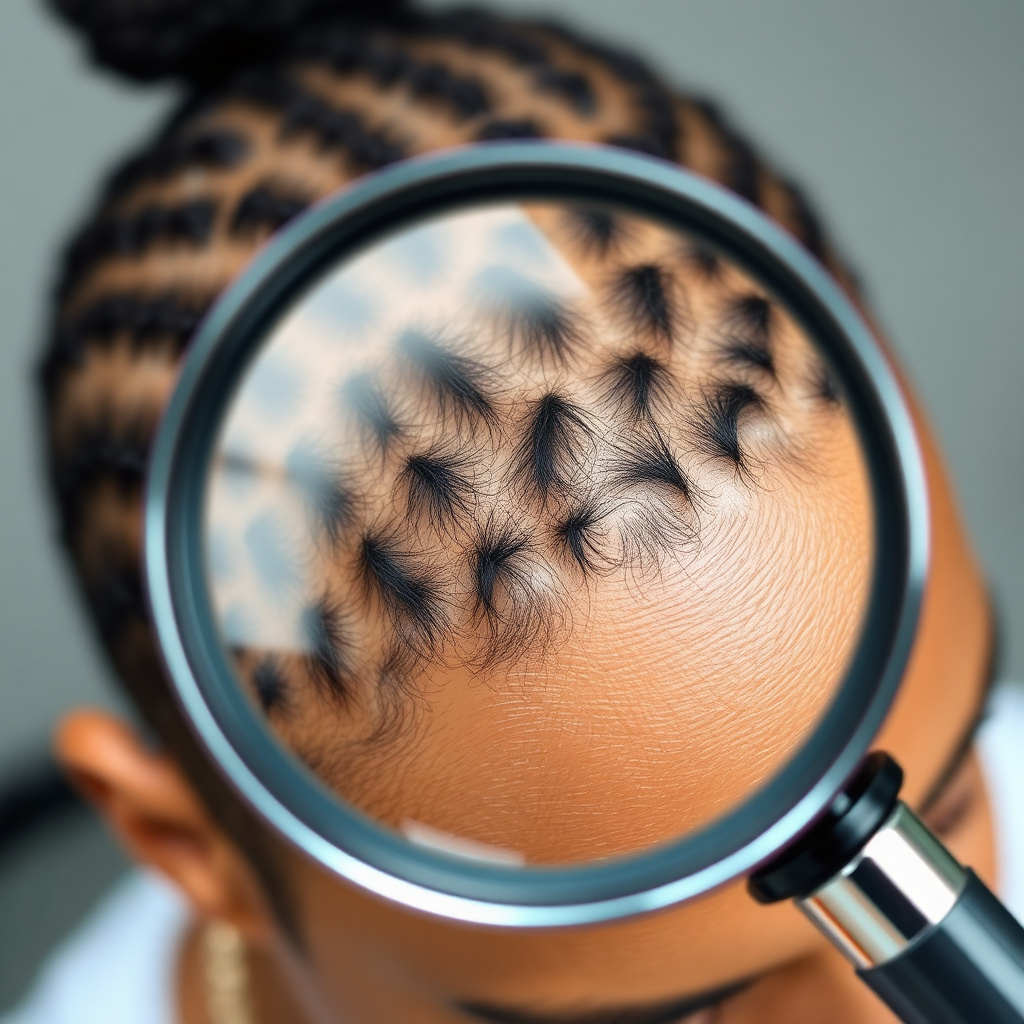
A healthy scalp is fundamental to a vibrant TWA. Cleanse regularly and use scalp massages with oils like peppermint or tea tree to stimulate circulation and promote hair growth.
Be attentive to dryness or flaking, addressing these early with suitable moisturizers or treatments.
- Massage scalp with natural oils
- Monitor and treat scalp dryness
TWA Styling Product Types Comparison
Here's a comparison of common product categories for styling and maintaining a TWA to help you choose what suits your needs best.
| Product Type | Hold Strength | Moisturizing | Finish | Best For |
|---|---|---|---|---|
| Curl Cream | Light to Medium | High | Natural shine | Defining curls with moisture |
| Styling Gel | Medium to Strong | Medium | Wet or shiny | Strong hold and shaping |
| Hair Butter | Light | Very High | Matte or natural | Deep moisture and soft hold |
| Hair Oil | None | Very High | Glossy | Sealing moisture and scalp care |
| Leave-in Conditioner | None | High | Dewy | Hydrating and prepping hair |
Frequently Asked Questions
How often should I wash my TWA?
Washing your TWA once a week is usually enough to keep it clean without stripping natural oils. Adjust based on scalp oiliness and activity levels.
Can I style my TWA without products?
While possible, using moisturizing and light hold products helps define texture and reduce frizz, making your TWA easier to style and maintain.
What is the best way to detangle a TWA?
Use a wide-tooth comb or your fingers on damp, conditioned hair to gently detangle without causing breakage.
Will nighttime scarves cause my TWA to flatten?
Satin or silk scarves protect hair while reducing friction; to avoid flattening, loosely wrap your hair or choose a bonnet to preserve volume.
Can heat tools be used safely on a TWA?
Heat tools should be used sparingly on a TWA to prevent damage; always apply a heat protectant and keep temperature settings low.
Key Takeaways
- Moisturizing and gentle products enhance TWA texture without heaviness.
- Finger coiling and wave sponges are effective styling techniques for TWAs.
- Nighttime protection with satin scarves helps maintain style and prevent damage.
- Selecting the right product type impacts hold, moisture, and finish.
Conclusion
Styling a TWA successfully depends on understanding your hair's unique texture and needs. You start by preparing your hair with proper washing and moisturizing routines that keep your strands hydrated and healthy. From there, choosing the right styling techniques like finger coiling or using a soft wave brush can reveal your hair’s natural patterns beautifully. The main keyword, styling a TWA, embodies this process where skill and patience create a dynamic look that highlights your natural hair.
Depending on your preferences and lifestyle, different product choices support varying needs. Curl creams or light gels work well for defined curls or waves, while hair butters and oils are ideal for added moisture and scalp health. Nighttime care practices, including satin wraps, play a significant role in preserving your style and preventing friction damage. Whether you want tight coils or soft waves, keeping your hair moisturized and protected is essential in maintaining a polished TWA look.
To begin styling your TWA today, start with a thorough cleansing routine and apply leave-in conditioners combined with natural oils to set a strong moisture foundation. Experiment with finger coiling or wave brushing to find your preferred texture, and protect your hair during sleep to prolong your style’s freshness. Choosing suitable styling products and maintaining consistent care will ensure your TWA always looks its best.