How to Tie a Satin Scarf on Your Head: Stylish and Secure Methods
Tying a satin scarf on your head can be done in several simple yet stylish ways that keep it secure and enhance your look. Start by folding the scarf into a triangle or rectangle, then position it on your head at your desired placement—whether as a headband, full wrap, or turban. Tie the ends firmly but comfortably to avoid slippage while maintaining a neat appearance.
Satin scarves offer not only a fashionable accessory but also practical benefits, such as protecting hair from frizz and breakage. Knowing how to tie them properly helps you maintain your hair’s health while adding versatility to your style. Satin’s smooth texture also ensures less friction against the hair compared to cotton or wool scarves.
This article explains a variety of techniques to tie a satin scarf on your head. You'll learn methods suited for different occasions—from casual daywear tying styles to elegant evening wraps—as well as tips for selecting the right scarf size and shape. By the end, you’ll feel confident and creative with your scarf styling.
Choosing the Right Satin Scarf for Your Head

Material Quality and Satin Types
Not all satin scarves are the same—high-quality satin will feel smooth, have a slight sheen, and resist snagging. Look for options made from silk or high-grade polyester satin, which enhance durability and comfort. Thicker satin offers more grip on the hair, while lighter options feel breezier.
The satin weave's tightness affects how slippery the scarf will be. A firmly woven satin scarf reduces the chances of slipping and minimizes friction that can cause hair damage. Choosing the right fabric weight helps balance ease of tying with holding power.
- Silk satin: luxurious, smooth, breathable
- Polyester satin: affordable, durable, slightly less breathable
- Satin blends: combine qualities for specific preferences
Size and Shape Preferences
Satin scarves come in various sizes from small squares (18-24 inches) to long rectangles and large squares (up to 36 inches or more). The style you want dictates the best size. Smaller scarves are ideal for headbands or partial wraps, while large squares allow full turban styles and elaborate knots.
Rectangular scarves offer flexibility for layering and more complex tying styles. Consider your hair volume as well—to cover a full head of thick hair, a bigger scarf is usually necessary to tie comfortably without excess bulk.
- Small square: headbands, neckties
- Large square: full wraps, turbans
- Rectangle: layered styles, bows, and knots
Basic Techniques to Tie a Satin Scarf on Your Head

The Classic Headband Tie
Fold your satin scarf into a long, narrow band by folding a square diagonally multiple times. Place it around your head covering the hairline or slightly back. Cross the ends at the nape of your neck and bring them back to the front.
Tie a secure knot or bow on top of your head or slightly to the side for a vintage-inspired look. This method keeps hair out of your face and adds a pop of color effortlessly.
- Fold scarf into a band
- Wrap around head above forehead
- Cross and tie ends at the front
Full Head Wrap for Coverage
For greater coverage and hair protection, fold a large square scarf diagonally into a triangle. Center the long edge on your forehead and bring the two pointed ends to the back of your head, crossing them over your hair.
Tie the ends tightly at the nape or side, tucking the shorter point under for a sleek finish. This wrap covers the entire crown and works well for preserving hairstyles overnight or adding flair to a casual look.
- Fold large square into triangle
- Position on forehead
- Tie ends at back or side
Advanced Tying Styles for Satin Scarves

The Turban Wrap
Starting with a large square satin scarf, fold it slightly to reduce bulk and place it centrally on your head with the edges at your forehead. Pull the ends taut and twist them before wrapping around the crown, creating a snug turban effect.
Tuck the ends at the nape or secure with pins for neatness. This style is both fashion-forward and excellent for protecting hair all day or evening.
- Fold large square slightly
- Position centrally on head
- Twist ends and wrap
- Tuck or pin loose ends
For more on this, see our related guide: How to Wrap Hair for Sleeping: A Guide to Protecting Your Hair Overnight.
Knots and Bows for Decorative Flair
Adding knots or bows to your satin scarf elevates the style. After tying a basic wrap or headband, form a bow or a decorative knot on one side or the top to create a stand-out accessory.
Secure with extra knots or fabric glue if needed to maintain shape, especially for long days or active wear.
- Tie scarf loosely first
- Shape bow/knot at preferred spot
- Adjust and secure carefully
Maintaining Your Satin Scarf’s Appearance and Function

Cleaning and Care Tips
Satin scarves benefit from gentle hand washing in cold water with mild detergent to preserve softness and sheen. Avoid rough fabrics or harsh chemicals that can damage fibers.
Air dry your scarf on a flat surface away from direct sunlight. Proper maintenance extends the scarf’s appearance and prevents fabric stretching or shrinking.
- Hand wash gently
- Use cool water and mild soap
- Air dry flat away from sunlight
Storing to Prevent Wrinkles and Damage
Fold your satin scarf neatly or roll it loosely to avoid creasing. Use a soft drawer or fabric pouch storage method to limit contact with heavier fabrics or rough surfaces that might snag the satin weave.
If you prefer hanging, select padded hangers or scarf organizers that distribute weight evenly without causing deformation.
- Fold or roll gently
- Store in soft pouches
- Use padded hangers for hanging
Styling Tips for Different Hair Types and Occasions
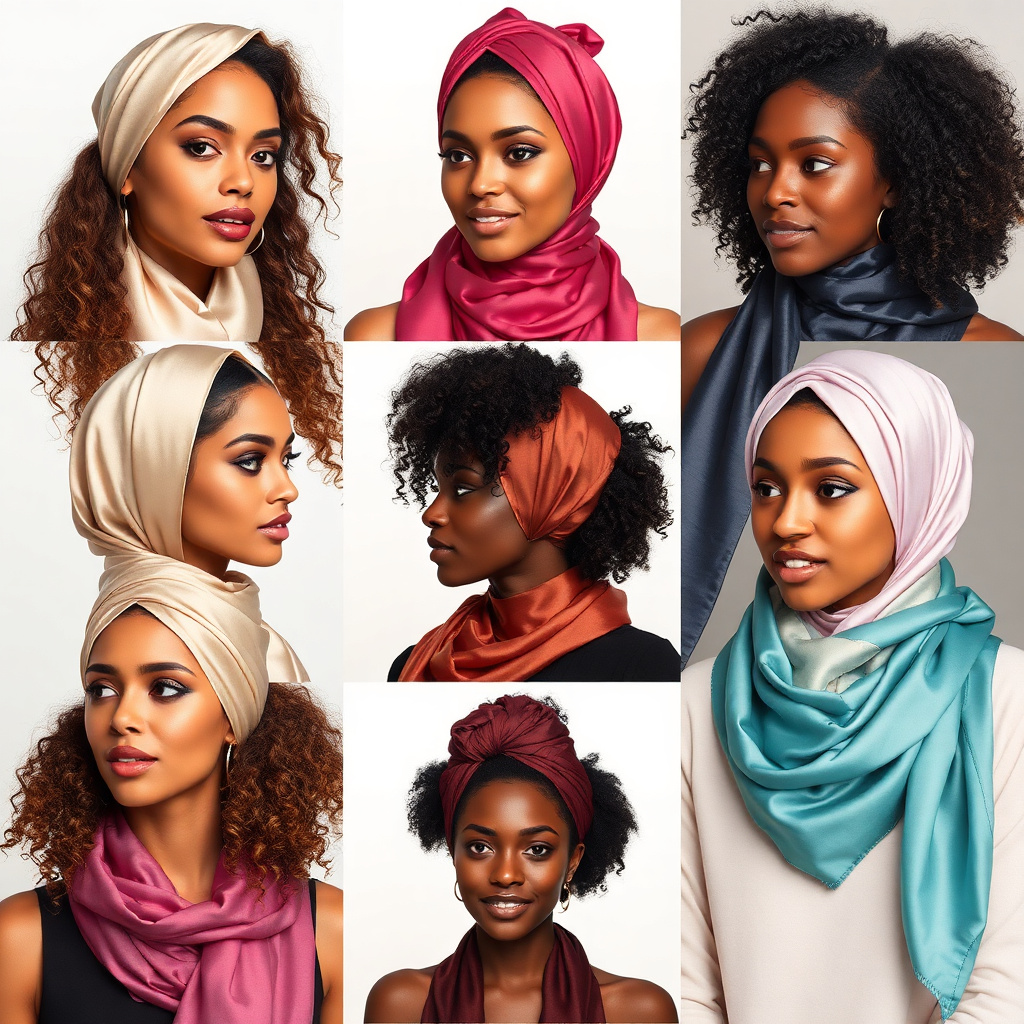
Adjusting Tie Styles for Hair Texture
Curly or coily hair benefits from larger scarves that can fully cover hair to prevent frizz and maintain moisture. Ensure ties are loose enough to avoid flattening curls but secure enough to stay in place.
Straight or fine hair might prefer tighter knots or smaller scarves that don’t slip easily. Satin scarves reduce friction regardless of hair type, but adjust tying techniques to balance comfort and style.
- Larger scarves for voluminous curls
- Looser tying to preserve natural shape
- Tighter knots for fine hair grip
For more on this, see our related guide: How to Wrap Hair for a Silk Press: A Step-by-Step Guide.
Occasion-Based Styling Choices
For casual outings, simple headband or low bun wraps offer quick and stylish fixes. Evening events can call for elegant turban wraps or accentuated bows for a polished look.
Matching scarf colors and fabric sheen with your outfit mood enhances overall cohesion. Satin scarves work well with both daytime laid-back attitudes and sophisticated evening ensembles.
- Casual: simple wraps, headbands
- Formal: turbans, decorative bows
- Coordinate colors and sheen with outfits
Incorporating Satin Scarves into Your Daily Hair Routine

Protecting Hair Overnight
Wrapping hair with a satin scarf before bed minimizes friction against pillowcases, which limits breakage and keeps hairstyles fresh longer. A full head wrap or bonnet style generally works best.
Ensure the tie is secure enough to stay overnight but gentle to prevent headaches. Satin’s smoothness maintains hair moisture, an advantage for natural and chemically treated hair.
- Use large scarf or bonnet
- Secure tie comfortably
- Wrap before sleep for protection
To understand more about the qualities that make satin effective and gentle for hair care, explore this detailed overview of satin fabric benefits. Satin fabric benefits.
Adding Style to Morning Routines
Start your day by styling a satin scarf as a headband or decorative wrap to enhance even simple outfits. Combining function with fashion, satin scarves reduce frizz after washing while giving you confidence in your look.
Keep scarves accessible to mix styles quickly depending on your day’s activities or moods.
Satin Scarf Tying Styles Comparison
Here’s a breakdown of popular satin scarf tying styles by coverage, difficulty, and typical use to help you find your preferred method.
| Style | Coverage | Difficulty Level | Best For |
|---|---|---|---|
| Classic Headband | Partial (forehead, hairline) | Easy | Everyday casual, active wear |
| Full Head Wrap | Full crown coverage | Medium | Hair protection, modesty, casual look |
| Turban Wrap | Full head | Medium to Hard | Fashion statement, hair protection |
| Knots and Bows | Partial, decorative | Medium | Adding flair to smooth wraps |
| Overnight Wrap | Full head | Easy | Hair care while sleeping |
Frequently Asked Questions
Can I tie a satin scarf on my head with short hair?
Yes, satin scarves work well on short hair. Folding the scarf into a narrow band and tying it as a headband or small wrap keeps it secure and stylish without needing extra volume.
How do I keep the satin scarf from slipping off my head?
Ensure the scarf is folded properly into a snug band and tied firmly but comfortably. Using scarves with a bit more fabric weight or lining your hair with a grippy under-layer like a cotton cap can reduce slipping.
Is satin a good material for hair scarves compared to cotton?
Satin is better for hair health because its smooth texture reduces friction that causes breakage and frizz. Cotton absorbs moisture and creates more friction, which can lead to hair damage over time.
Can I wear a satin scarf in rain or humid weather?
Satin can get water spots if soaked, so it's best to avoid wearing it in heavy rain. In humid conditions, satin helps reduce frizz better than cotton, but tie it securely to prevent slippage.
How often should I wash my satin scarf?
Wash your satin scarf by hand after several wears or if it becomes visibly soiled. Frequent gentle cleaning maintains softness and sheen without damaging fibers.
Key Takeaways
- Satin scarves protect hair and add versatile style when tied properly.
- Choosing the right scarf size and quality satin helps secure the tie and comfort.
- Various tying techniques suit different occasions and hair types.
- Proper scarf care preserves appearance and extends usability.
Conclusion
Deciding how to tie a satin scarf on your head combines considerations of style, comfort, and hair health. Begin by selecting a scarf that suits your hair's volume and texture, then practice tying methods like the classic headband or full wrap depending on your needs. A well-tied scarf not only enhances your look but also serves as a protective barrier, especially for fragile or textured hair types.
For those wanting everyday practicality, the classic headband tie or casual full head wrap offers an easy approach that stays put and looks polished. If you seek an elegant statement, explore turban wraps and decorative knots, which bring sophistication to any outfit or event. At night, larger wraps protect your hair from breakage and moisture loss, making satin scarves valuable for both style and care.
Start integrating satin scarves into your routine by experimenting with the styles discussed here and observing what feels most comfortable and flattering. Keeping scarves clean and stored properly extends their life, letting you enjoy their benefits daily. Consider your hair's needs and personal taste to select the best scarf and tying method, and you'll find yourself reaching for your satin scarf as a reliable, chic hair accessory.


