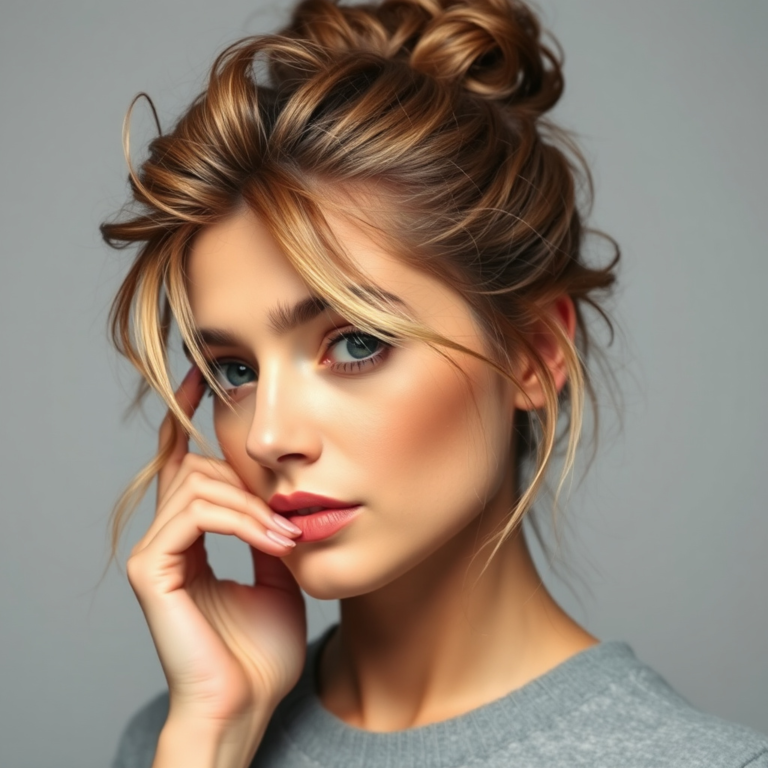
What Type of Haircut Is Best for Winter to Stay Comfortable and Stylish
The best type of haircut for winter is one that helps retain warmth while minimizing damage from harsh weather. Generally, haircuts that keep some length and allow layering work well because they provide extra insulation and protect the scalp and neck from cold air.
Choosing the right winter haircut matters because cold temperatures and humidity can dry out hair and make it brittle. Haircuts that expose less skin around the neck and ears can also reduce the risk of discomfort and overall dryness caused by wind and cold weather.
This article will explore several haircut options suited for winter, highlighting styles that balance protection and style. We’ll also cover how to tailor your haircut to your hair texture, face shape, and daily habits to get the most from your winter hairstyle.
Layered Haircuts for Winter Protection

Why Layers Help Retain Warmth
Layered haircuts add volume and thickness by cutting hair at different lengths, which helps trap heated air closer to the scalp in winter. This acts like a natural barrier against cold temperatures, keeping you warmer compared to blunt cuts.
Additionally, layers create movement that prevents hair from lying flat against the scalp, promoting better insulation. The slight lift from layering keeps your hair from freezing to your skin in low temperatures.
- Creates natural insulation through volume
- Prevents hair from lying flat and losing heat
- Reduces cold air exposure to scalp
Best Layered Cuts for Varying Hair Textures
For straight hair, long layers work well to maintain warmth without sacrificing length. Curly or wavy hair benefits from layered cuts that control volume while enhancing natural curls, preventing frizz often worsened by winter dryness.
Layered bobs and shoulder-length cuts provide versatility and warmth across many hair types, helping manage thickness and avoiding excess cold exposure to the neck and ears.
- Long layered cuts for straight hair
- Layered bobs for wavy hair
- Curly hair layers to control frizz
Short Haircuts That Work for Cold Weather

Benefits of Short Cuts in Winter
Short haircuts such as pixies or fades are low maintenance and reduce cold damage because there's less hair exposed to harsh elements. These cuts dry quickly after coming inside from the cold and minimize static electricity buildup.
Short hair also allows for better layering with scarves and hats, preventing bulkiness and discomfort during winter activities.
- Quick drying after exposure to cold
- Reduced static and tangling
- Comfortable with winter accessories
For more on this, see our related guide: How to Style a French Twist: A Step-by-Step Guide.
Popular Short Winter Haircut Styles
Textured pixie cuts add style and volume while controlling hair in chillier months. Classic fades and tapered cuts offer neatness and reduced tangling risks. These styles suit active lifestyles in cold climates for easy upkeep.
For men, slightly longer top hair with tapered sides blends warmth and style, allowing hats to fit comfortably without crushing the hair.
- Textured pixie for women
- Classic fade for men
- Tapered sides with longer top
Maintaining Hair Health with Winter Haircuts

Trimming to Prevent Split Ends
Regular trims during winter remove split ends caused by dryness and static. A fresh cut helps hair look healthier and reduces breakage risk from wearing hats or scarves that can snag damaged strands.
Scheduling trims every 6-8 weeks keeps hair strong and ready to face cold weather conditions with less brittleness.
- Maintain trims every 6-8 weeks
- Focus on removing damaged ends
- Strengthens hair during harsh weather
Hydrating Haircuts with Appropriate Products
Pairing your haircut with moisturizing shampoos, conditioners, and leave-in treatments is essential in winter to combat dryness. Haircuts that allow room for hydrating products to evenly coat strands help maintain softness and shine.
Layers create spaces helping products penetrate better, while short cuts prevent product build-up that can weigh hair down.
- Use moisturizing hair products
- Apply leave-in conditioners
- Choose haircuts that aid product absorption
Versatile Haircuts for Indoor and Outdoor Winter Styling

Haircuts Adaptable for Hats and Scarves
Winter haircuts that maintain shape after removing hats are ideal. Layered cuts and controlled short styles perform well because they resist flattening and retain form, keeping you looking polished indoors.
Long blunt cuts may flatten under winter gear, while those with tapered ends spring back faster, reducing styling time after going inside.
- Layers resist hat-induced flattening
- Tapered ends bounce back quickly
- Short cuts fit comfortably with hats
Styling Tips for Mixed Winter Environments
In cold outdoor conditions, prioritize haircuts that hold moisture and volume. Indoors, you can add light styling products to reduce static and frizz caused by dry heating systems. Cut length affects how well hair holds styles across environments.
Moderate length haircuts strike a balance, allowing both protective layering and styling flexibility for shifting temperatures.
- Use anti-static sprays indoors
- Choose medium-length cuts for flexibility
- Employ hydrating mists outdoors
Winter Haircut Trends to Watch

Current Popular Winter Haircut Styles
Modern winter trends favor textured cuts with natural movement, such as shag haircuts and curtain bangs that add warmth and style. These cuts complement layering for insulation while enhancing facial framing.
Men’s winter trends include undercuts with longer top layers and styled fringes, balancing cold coverage and fresh looks.
- Textured shag cuts
- Curtain bangs for warmth
- Men’s undercuts with longer tops
For additional context on various haircut styles and their historical use, you can visit this detailed resource on haircut information on Wikipedia. haircut information on Wikipedia.
Classic Cuts That Never Go Out of Style
Timeless cuts like the bob, lob, and crew cut remain ideal choices for winter because they balance ease of care and suitability with hats and scarves. These cuts provide enough coverage while maintaining a polished appearance regardless of weather.
Choosing these classic cuts allows for simple adaptation with slight layering tweaks for extra winter warmth.
- Classic bob and lob haircuts
- Crew cuts for men
- Slight layering for added warmth
Winter Haircut Types Comparison
Here’s a comparison of popular winter haircut types highlighting their warmth, maintenance, and styling suitability.
| Haircut Type | Warmth Level | Maintenance Level | Best Hair Types | Style Flexibility |
|---|---|---|---|---|
| Layered Long Hair | High | Medium | Straight, Wavy, Curly | High |
| Textured Pixie | Medium | Low | Straight, Wavy | Medium |
| Classic Bob | Medium | Medium | Straight, Wavy | High |
| Tapered Fade | Low | Low | Straight, Curly | Medium |
| Shag Haircut | High | Medium | Wavy, Curly | High |
Frequently Asked Questions
Is it better to cut hair shorter for winter?
Shorter haircuts can be easier to maintain and dry faster in winter, but longer layered cuts often provide better warmth by insulating the scalp and neck.
How often should I trim my hair during winter?
Trimming every 6-8 weeks helps prevent split ends and damage caused by cold, dry winter weather, keeping hair healthier throughout the season.
Can winter haircuts reduce static and frizz?
Yes, layered and textured haircuts tend to reduce static and frizz by preventing hair from lying flat and allowing better moisture retention.
What haircuts work best with winter hats?
Haircuts with tapered ends and layers resist flattening and maintain shape better under hats, making them ideal for winter.
Should I change my haircut for winter styling needs?
Adjusting your haircut to include layers or texture can improve both warmth and styling flexibility in varying winter conditions.
Key Takeaways
- Layered haircuts offer natural insulation ideal for winter warmth.
- Short haircuts dry quickly and minimize cold weather damage.
- Regular trims prevent winter hair brittleness and split ends.
- Choose styles compatible with hats and scarves for comfort.
Conclusion
Deciding what type of haircut is best for winter centers on balancing warmth, hair health, and easy maintenance. Haircuts that retain length with layers tend to trap heat better and protect the scalp from cold air exposure. Shorter cuts, though less insulating, dry faster and pair well with winter accessories. Assessing your hair texture and lifestyle will help steer your choice toward a winter-friendly cut that still fits your style preferences.
For those with straight or wavy hair who want warmth without bulk, layered long cuts or classic bobs provide good coverage. Curly-haired individuals benefit from textured shags or layered styles that manage volume and frizz during dry months. Short styles like pixies or fades work best for active people seeking low maintenance and compatibility with hats. Incorporating regular trims and moisturizing treatments further supports healthy hair through winter.
Start by consulting your stylist about keeping layers or trying tapered options that suit your hair type and daily routine. Pair your haircut with proper hair care products, and plan trim appointments every two months. Taking these steps will make your winter hairstyle comfortable, stylish, and resilient against cold weather challenges.