How to Do Havana Twists: Step-by-Step Guide to the Perfect Style
Havana twists are a popular protective hairstyle featuring thick, chunky twists with a natural, textured appearance. To do Havana twists, start with clean, detangled hair, section it into manageable parts, and twist synthetic hair extensions into your natural hair using a soft, matte texture for that signature look. Secure each twist firmly, but avoid overly tight tension to protect your scalp.
This style stands out because it blends effortlessly with natural hair, offering a lightweight and easy-to-maintain option that can last several weeks. Many choose Havana twists to protect fragile hair from daily wear and tear while enjoying a fashionable, versatile look. Their chunky size makes styling simpler and faster compared to smaller twists.
This article will break down the process of doing Havana twists at home or with professional help. It will cover preparation, selecting the right materials, twisting techniques, maintenance tips, and styling ideas so you can confidently achieve this stylish look.
Preparing Your Hair and Materials for Havana Twists

Cleaning and Conditioning Your Hair
Begin with freshly washed hair using sulfate-free shampoo to avoid drying out your scalp. Follow with a moisturizing conditioner to hydrate your strands thoroughly. Leave-in conditioner or a light oil can help maintain moisture balance before twisting.
Adequate preparation ensures your hair is pliable and less prone to breakage during the twisting process. It also extends the longevity of your Havana twists by keeping your natural hair nourished underneath.
- Use sulfate-free shampoo
- Apply deep conditioner if needed
- Use leave-in moisturizer
- Detangle gently
Choosing the Right Extensions and Supplies
Synthetic hair extensions intended for Havana twists typically have a matte, natural-looking texture that blends seamlessly with fragile hair. Opt for hair that is lightweight yet bulky enough to achieve the characteristic thick twist style.
In addition to extensions, you’ll need a rat tail comb for sectioning, hair clips to hold sections, and a good edge control or twisting gel for neatness and hold.
- Matte synthetic Havana twist hair
- Rat tail comb
- Hair clips
- Edge control or twisting gel
Step-by-Step Process to Create Havana Twists

Sectioning Your Hair Properly
Divide your hair into even, manageable sections using a rat tail comb. Typically, sections are larger than for regular twists because Havana twists are thick.
Use clips to keep unworked sections out of the way. Consistent section sizes create uniform twists that look neater and last longer.
- Create clean, square sections
- Make sections around 1-2 inches wide
- Secure sections with clips
Twisting Technique
Take one section of hair and separate it into two equal parts. Add extensions by folding the synthetic hair in half to start the twist around your natural hair.
Twist tightly but comfortably, ensuring the synthetic hair wraps securely without causing excessive scalp pulling. Twist downward until you reach the end and seal off the tips by twirling or using hot water if synthetic hair requires it.
- Start twists at scalp base
- Incorporate synthetic hair smoothly
- Twist firmly but not too tight
- Seal twist tips
Maintaining and Caring for Havana Twists

Daily Maintenance Tips
Keep your scalp moisturized by applying lightweight hair oils or a moisturizing spray regularly. This prevents itchiness and dryness under the twists.
At night, protect your twists with a satin scarf or bonnet to reduce friction and frizz. This extends their neat appearance and reduces the need for frequent retwisting.
- Moisturize scalp daily
- Use satin bonnet or scarf at night
- Avoid heavy products that cause buildup
Washing and Refreshing Havana Twists
Wash your twists gently every 1-2 weeks using diluted shampoo applied to the scalp. Avoid excessive rubbing to preserve the twist integrity.
Refreshing with edge control or re-twisting loose ends helps maintain a polished look throughout the style’s lifespan.
- Dilute shampoo for gentle cleansing
- Focus shampoo on scalp
- Refresh edges as needed
Styling Options for Your Havana Twists
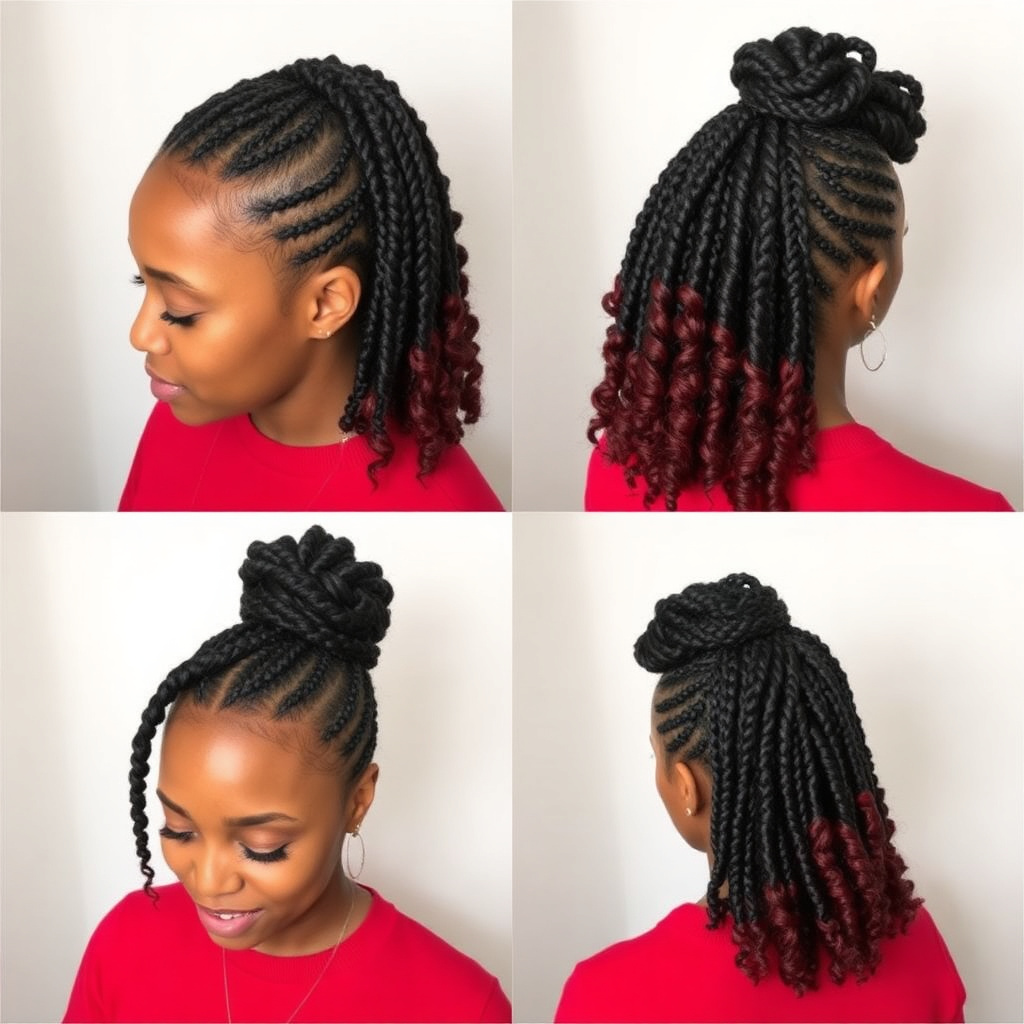
Updos and Half-Up Styles
You can gather your Havana twists into buns, ponytails, or half-up half-down styles for versatile looks. Using hair ties or pins designed for natural hair helps avoid breakage.
These hairstyles offer both practicality and fashion, great for different occasions while keeping twists secure and framed.
- High bun
- Half-up ponytail
- Low twists ponytail
Accessorizing Your Twists
Adding beads, cuffs, or colorful yarn can personalize your twists and add flair. Careful placement avoids putting stress on the roots, preserving twist longevity.
Accessories elevate the natural beauty of Havana twists and allow for unique expression.
- Hair cuffs
- Beads
- Colored yarn or thread
Common Challenges with Havana Twists and How to Fix Them

Avoiding Scalp Irritation and Breakage
Too-tight twists or heavy extensions can cause scalp pain or hair damage. Loosen twists around tender areas and use lighter hair extensions if necessary.
Taking breaks between styles and deep conditioning regularly helps maintain scalp and hair health.
- Loosen tight twists regularly
- Choose light synthetic hair
- Deep condition weekly
For more information on different styles designed to protect natural hair, the Protective hairstyle Wikipedia article provides valuable insights. Protective hairstyle Wikipedia article.
Fixing Loose or Frizzy Twists
Frizz naturally appears over time, especially near the scalp. Apply twist gel or edge control to tame flyaways and re-twist loose sections.
Moisturizing sprays also help maintain a polished, sleek look between full styling sessions.
- Use twist gel sparingly
- Retwist frizzy ends
- Moisturize daily
Havana Twists Category Comparison
Here is a comparison of popular types of twist hairstyles to help identify the best option for your hair and lifestyle needs.
| Twist Type | Extension Hair | Size | Average Installation Time | Maintenance Level |
|---|---|---|---|---|
| Havana Twists | Matte synthetic hair | Large, chunky | 3-6 hours | Medium |
| Senegalese Twists | Sleek Kanekalon | Small, thin | 6-10 hours | High |
| Marley Twists | Coarse Marley hair | Medium | 5-7 hours | Medium |
| Passion Twists | Soft curly hair | Medium-small | 4-6 hours | Medium-High |
| Knotless Twists | Synthetic Kanekalon | Small | 6-8 hours | High |
Frequently Asked Questions
How long do Havana twists typically last?
Havana twists generally last between 4 to 8 weeks, depending on hair care routines and original hair condition.
Can I install Havana twists on short hair?
Yes, Havana twists can be installed on short hair, though very short hair may require smaller twist sizes or additional styling techniques.
Do Havana twists damage natural hair?
If installed and maintained properly, Havana twists protect natural hair and minimize damage by reducing daily manipulation.
What products should I use on Havana twists?
Use lightweight moisturizing sprays, light oils, twist gels, and edge control products formulated for natural hair to maintain Havana twists.
Can I swim or exercise with Havana twists?
Yes, but it's best to protect your twists with a swim cap and to rinse and moisturize hair after exercise to avoid buildup and dryness.
Key Takeaways
- Start with clean, moisturized hair and matte synthetic extensions for authentic Havana twists.
- Section hair evenly and twist firmly but gently to avoid scalp damage.
- Maintain moisture and protect hair at night to prolong style longevity.
- Havana twists offer versatile styling options with manageable installation time.
Conclusion
Selecting its protective qualities, visual appeal, and installation needs makes Havana twists an excellent hairstyle choice. This style balances beauty with hair health, requiring careful preparation and regular care to maintain. Knowing how to do Havana twists gives you the power to protect your hair while enjoying a trendy, resilient look that stretches over several weeks.
For those who prioritize low-maintenance styling with chunky twists, Havana twists stand out compared to smaller Senegaleses or knotless twists. If you want quicker installation and a lightweight feel, Havana twists or Marley twists are suitable; for intricate, sleeker styles requiring longer sessions, consider Senegalese or knotless twists instead. Applying this knowledge helps you match the style to your hair’s texture, length, and personal rhythm.
If you’re ready to try Havana twists, gather quality matte synthetic extensions and prepare your hair as outlined earlier. Either seek a skilled stylist knowledgeable about twist hairstyles, especially if you’re new, or try at home carefully sectioning and twisting your hair in stages. Maintaining moisture and protecting your scalp will ensure your Havana twists look great and stay healthy longer.


