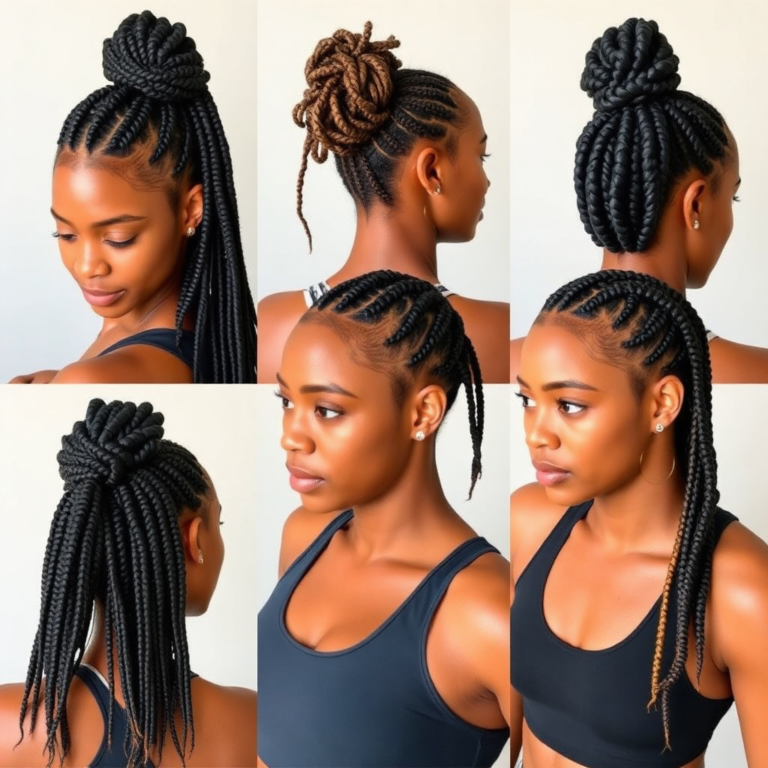
How to Tie a Headwrap: Step-by-Step Techniques for Stylish Looks
Tying a headwrap is simpler than many think and can instantly enhance your style while protecting your hair. The key is selecting a suitable wrapping method that accommodates your hair length and desired look, whether casual or formal. You only need a versatile piece of fabric and basic tying skills to start.
Headwraps have a rich cultural history and practical appeal, providing a protective barrier against weather or styling damage while offering a bold fashion statement. Knowing how to tie a headwrap adds a flexible accessory to your wardrobe that adapts to your mood and outfit effortlessly.
This article will guide you through several popular headwrap tying methods, including the turban style and bow knot, address fabric choices, and give styling tips. By the end, you'll have multiple ideas to experiment with and make your own.
Choosing the Right Fabric and Size for Tying a Headwrap

Best Fabrics for Comfort and Grip
Cotton and jersey fabrics are often ideal for headwraps because they are breathable, slightly stretchy, and provide enough grip to stay in place without slipping. Silk and satin, although smooth and excellent for hair protection, might slide more and require different tying techniques.
Selecting fabrics that balance comfort with security helps avoid discomfort and adjustments throughout the day. For beginners, cotton blends offer a forgiving stretch and ease in tying.
- Cotton: breathable, holds shape
- Jersey: stretchy, comfortable
- Silk or satin: protective but slippery
Choosing Size and Shape of Fabric
Rectangular or square fabrics measuring roughly 20-30 inches on each side provide versatility in tying styles. Longer wraps allow for elaborate knots and turban styles, while smaller fabrics can be simpler and quicker to secure.
A wider headwrap can cover more hair and provide a bold statement; narrow strips offer subtler accents and are easier for beginners to manipulate.
- Square wraps: easier for some knots
- Rectangular wraps: allow turban and bow styles
- Adjust size based on hair volume
Step-by-Step Guide to Basic Headwrap Tying Techniques

How to Tie a Simple Turban Wrap
Start by placing your headwrap at the back of your neck so the fabric falls evenly over your forehead. Bring both ends toward the front above your hairline, crossing them to create an ‘X’. Twist the fabric together snugly for a centered knot and then tuck the ends under the wrap at the nape or side to secure.
This style suits casual and formal looks and works well with various fabric types. Practice creating a tight but comfortable knot to prevent slippage.
- Position wrap behind neck
- Cross ends over forehead
- Twist and tuck ends securely
Tying a Headwrap Bow Knot
Place the wrap over your head and bring both ends in front. Tie the ends into a classic bow knot centered or slightly off-center according to your preference. Adjust the loops and tails for neatness and volume.
A bow knot adds a playful and feminine touch, perfect for casual days or accenting simple outfits.
- Place wrap and pull ends forward
- Tie into a bow
- Fluff loops for desired size
Advanced Headwrap Styles and Variations

Layered Wraps for Volume and Texture
Layering fabric by wrapping multiple times or folding the fabric before tying adds richness and structure to your look. It can create impressive shapes that frame your face, especially flattering for medium to long hair.
This method takes practice to balance even tension so the wrap feels stable without being tight.
- Fold fabric for thickness
- Wrap layers evenly
- Secure ends under layers
For more on this, see our related guide: How to Protect Braids at Night: Essential Tips for Lasting Styles.
Twisted Knot Styles for Elegance
By twisting the wrap ends before knotting, you create elegant, rope-like details that elevate the appearance. This style pairs well with formal attire or events, offering a refined finish.
Ensure your twists are tight and consistent for the cleanest look, and pin if necessary for additional hold.
- Twist fabric ends tightly
- Knot at center or side
- Secure with pins if needed
Maintaining and Caring for Your Headwrap Fabrics

Cleaning Tips to Preserve Fabric Quality
Handwashing headwraps in cold water with a mild detergent is best to prevent stretching or fading. Avoid harsh chemicals and high heat in dryers, which can degrade fibers quickly.
Silk and satin wraps especially need delicate care; air drying flat maintains their shape and sheen.
- Cold water hand wash
- Mild detergent
- Air dry flat
Storage and Folding to Prevent Wrinkles
Fold headwraps neatly to avoid creases. Store flat or rolled in a drawer or on a clean shelf to maintain fabric softness and accessibility.
Avoid stuffing wraps in tight spaces where they could snag or lose shape.
- Fold or roll gently
- Store in breathable container
- Avoid tight cramming
Styling Headwraps for Different Occasions

Casual and Everyday Looks
For everyday wear, simple knots or bows using cotton wraps create comfortable, effortless styles that protect hair while enhancing outfits.
Pair with casual clothes like jeans and tees, or use as a quick hair-fixer on busy days.
- Simple turban wraps
- Soft cotton fabrics
- Loose bow knots
For more on this, see our related guide: What Type of Protective Style Is Best for Short Hair? Expert Tips and Options.
Formal and Special Event Styling
Intricate twists, layered wraps, or fine fabrics like silk make headwraps suitable for weddings or evening events. Coordinate colors and accessories for a polished look.
Elevate your outfit with statement jewelry and makeup to complement your headwrap.
- Silk or satin wraps
- Twisted knot styles
- Pair with elegant attire
Headwrap Styling Tips and Common Mistakes to Avoid

Tips for Long-Lasting Hold
Securing your headwrap with hidden pins or tucking ends tightly keeps it in place through daily activities. Choose fabrics with slight texture to reduce slipping.
Try different tying techniques to find one that suits your head shape and hair volume for all-day comfort.
- Use hidden pins
- Choose textured fabrics
- Test different knots
To better appreciate the cultural significance and evolution of headwraps, you can explore the detailed history covered in this article. History of Headwraps.
Common Mistakes Beginners Make
One frequent error is using overly slippery fabrics without proper securing methods, causing slips and frustration. Another is tying wraps too tightly, leading to discomfort or headaches.
Avoid uneven fabric distribution which can look untidy and cause imbalance.
- Avoid slippery fabrics without pins
- Don’t tie too tight
- Distribute fabric evenly
Headwrap Types and Their Benefits Comparison
Here's a comparison of common headwrap styles, focusing on ease of tying, fabric suitability, and typical occasions.
| Headwrap Style | Ease of Tying | Best Fabric | Ideal Occasion |
|---|---|---|---|
| Simple Turban | Medium | Cotton, Jersey | Casual and Formal |
| Bow Knot | Easy | Cotton, Silk | Casual, Playful Looks |
| Layered Wrap | Hard | Cotton, Jersey | Formal or Statement |
| Twisted Knot | Hard | Silk, Satin | Elegant Events |
| Band Style (Simple Strip) | Easy | Cotton, Jersey | Everyday/Active |
| Full Coverage Wrap | Medium | Silk, Satin | Hair Protection, Formal |
Frequently Asked Questions
Can headwraps protect my hair from damage?
Yes, headwraps create a barrier against environmental stressors like sun and wind and reduce friction, helping to prevent hair breakage and dryness.
Are certain headwrap fabrics better for curly hair?
Silk and satin headwraps are preferred for curly hair because they reduce friction and frizz, preserving curls better than rougher fabrics.
How can I keep my headwrap from slipping throughout the day?
Using wraps with some texture like cotton, tying snug knots, and securing with small pins can help keep the headwrap firmly in place without discomfort.
Is it necessary to match my headwrap to my outfit?
While matching can create a polished look, mixing patterns and colors can express creativity and flair – there are no strict rules.
Can headwraps be used for athletic activities?
Yes, breathable, stretchy fabrics like jersey work well for sports, keeping hair controlled without overheating or slipping.
Key Takeaways
- Select fabric and size based on comfort and style needs.
- Master basic tying methods like the turban and bow knot.
- Use textured fabrics and pins to enhance hold.
- Adapt headwrap styles to suit occasions and personal style.
Conclusion
Knowing how to tie a headwrap unlocks a functional, stylish accessory adaptable for a variety of needs—from casual hair protection to sophisticated fashion statements. Choosing the right fabric and practicing different tying methods builds confidence and skill, allowing you to express individuality through this unique piece.
For everyday comfort and ease, styles like the simple turban or bow knot paired with cotton or jersey fabrics are excellent starting points. When aiming for more formal occasions, layered wraps or twisted knot styles using silk or satin offer an elegant flair. Athletic users benefit from stretchy, breathable fabrics and simpler ties that secure without distraction.
Experimentation is key; trying multiple styles with different wraps will help you discover what looks and feels best for you. Start with familiar techniques before advancing to more intricate methods. Ultimately, your preference and comfort should guide your choices to ensure your headwrap becomes a versatile, confident part of your outfit rotation.