What Is a Medical Pedicure? Understanding Its Benefits and Process
A medical pedicure is a specialized foot treatment designed to address and prevent foot conditions beyond cosmetic care. Unlike regular pedicures focused on aesthetics, this treatment targets nail and skin concerns such as fungal infections, calluses, ingrown toenails, and diabetic foot care. It combines medical knowledge with pedicure techniques to promote overall foot health safely.
This type of pedicure is especially important for individuals with foot health problems or risk factors like diabetes, poor circulation, or foot deformities. It reduces the likelihood of infections and complications by providing a controlled, hygienic environment handled by trained professionals, sometimes including podiatrists or medical pedicurists who understand anatomy and contraindications.
This article explains how a medical pedicure works, what conditions it addresses, the differences from a cosmetic pedicure, key benefits, safety protocols, and how to choose a qualified practitioner. You’ll learn why this treatment can be essential for maintaining healthy feet, especially when foot issues or sensitivities are present.
Understanding Medical Pedicure: What Sets It Apart
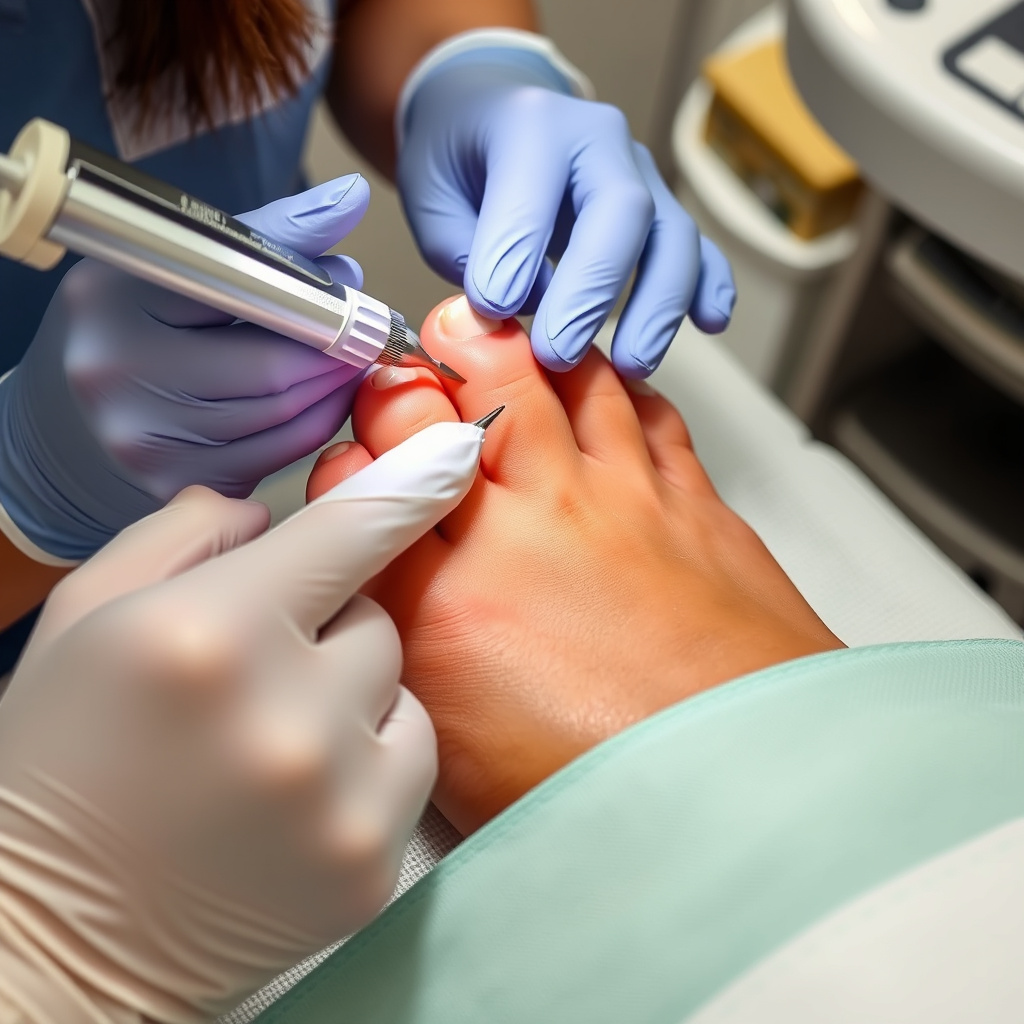
Definition and Purpose of a Medical Pedicure
A medical pedicure is a foot care procedure focused on therapeutic treatment rather than mere beauty enhancement. It aims to resolve or manage foot ailments like fungal infections, callouses, cracked heels, and nail deformities with medical precision and hygiene standards.
The treatment balances skin and nail maintenance with clinical vigilance to prevent complications, especially for vulnerable patients. It’s performed by trained individuals knowledgeable in foot anatomy and medical contraindications.
How It Differs from a Regular Pedicure
Unlike regular pedicures mostly centered on polishing nails and cosmetic skin smoothing, medical pedicures use sterile instruments and emphasize treatment of foot health concerns. They involve more thorough care to avoid trauma to sensitive areas.
The environment is kept sterile, and clients’ medical histories might be reviewed before treatment. This reduces infection risk and ensures the procedure suits the client’s health needs.
Common Conditions Treated by Medical Pedicure

Nail Disorders and Fungal Infections
Medical pedicures effectively address nail disorders such as onychomycosis (fungal nail infections), thickened or brittle nails, and ingrown toenails by carefully trimming and treating these issues under sterile conditions.
Proper removal of infected areas and application of antifungal treatments during or after the session helps prevent spread and promotes healing.
Skin Issues: Calluses, Corns, and Cracked Heels
Calluses and corns, caused by pressure or friction, are gently debrided during a medical pedicure to relieve discomfort and prevent further skin damage. Cracked heels can be treated with moisturizing and protective therapies.
These foot care techniques improve skin integrity and reduce pain while minimizing risk of infection in these damaged areas.
Who Should Consider a Medical Pedicure?

People with Diabetes and Poor Circulation
Individuals with diabetes or circulatory issues benefit greatly from medical pedicures as they are at higher risk of foot ulcers and infections. Gentle and hygienic treatment prevents wound formation and monitors foot health.
Regular foot screenings and early management of minor issues during medical pedicures help avoid costly complications.
For more on this, see our related guide: How to Choose Shanu Eyebrow Threading and Full Service Salon for Your Beauty Needs.
Those with Athlete’s Foot, Fungal Nails, or Sensitive Feet
People experiencing fungal infections or sensitive skin require the careful approach of a medical pedicure, which prevents symptom worsening and cross-contamination.
The customized treatment plans also address underlying skin conditions using safe, proven remedies tailored to individual needs.
The Medical Pedicure Process Explained

Preparation and Assessment
A medical pedicure begins with a thorough foot assessment including skin and nail examination along with health history questions. This helps determine any infections or conditions that might affect treatment.
Sterilized tools and gloves are standard to maintain hygiene throughout the procedure.
Treatment Techniques and Aftercare
The specialist carefully removes dead skin, trims nails properly, and addresses problem areas like fungal infections or corns with medicinal applications.
Aftercare involves moisturizing, protective creams, and sometimes recommending follow-up treatments or consultations with a podiatrist.
Choosing a Qualified Medical Pedicure Specialist

Certifications and Training to Look For
Look for practitioners trained in podiatric care, dermatology-linked foot treatments, or those certified as medical pedicurists. Proper training ensures the specialist knows about infection control, anatomy, and contraindications.
Qualifications from health or beauty regulatory bodies enhance confidence in the clinician’s skills.
For more on this, see our related guide: How to Choose the Best High Maintenance Full Service Salon LLC for Your Beauty Needs.
Questions to Ask Before Booking
Inquire about hygiene protocols, instrument sterilization, experience with specific foot conditions, and if they coordinate with medical professionals for complex cases.
Understanding their approach helps ensure the medical pedicure matches your foot care requirements safely.
Benefits and Risks of Medical Pedicure
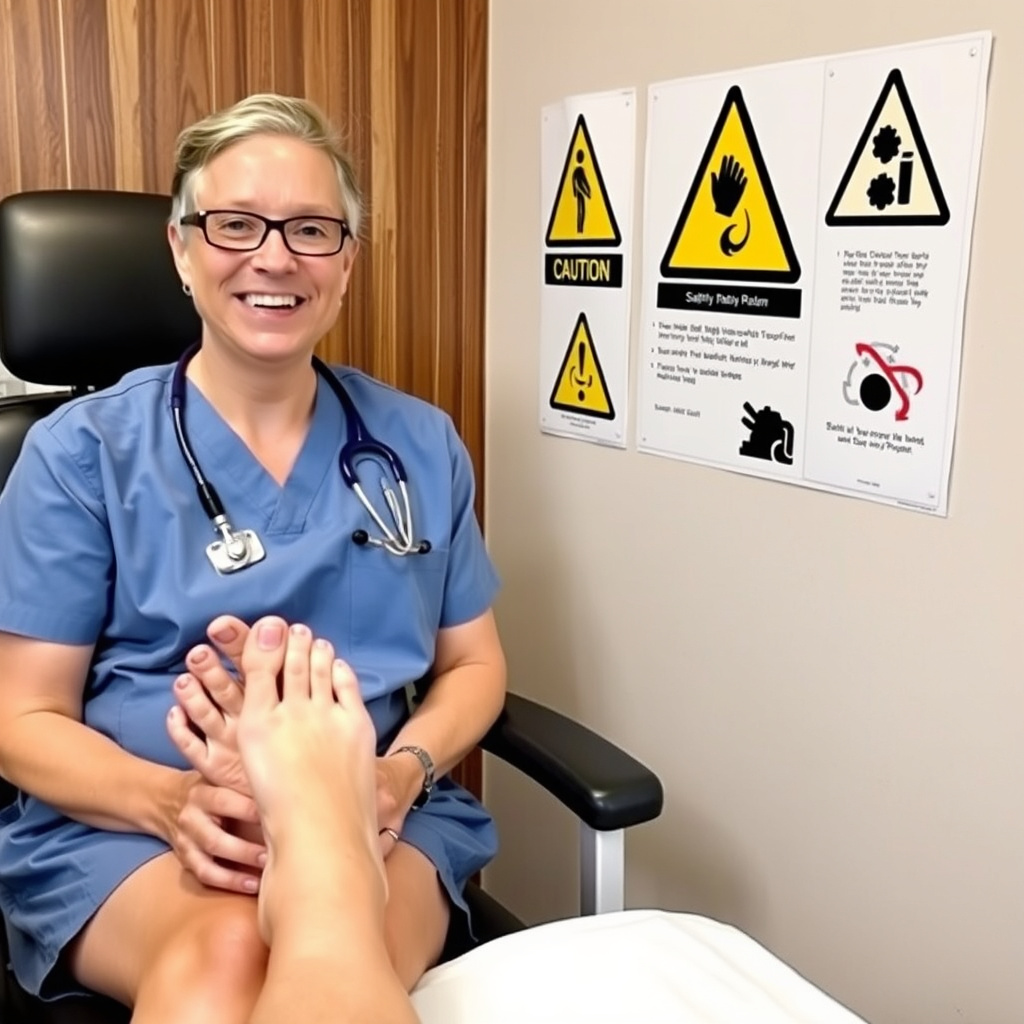
Advantages Over Standard Pedicures
Medical pedicures offer therapeutic foot care, reduce infection risk, and manage chronic foot problems unlike cosmetic pedicures focused solely on appearance.
Clients gain healthier skin and nails with professional monitoring, particularly those with health vulnerabilities.
- Reduced infection risk
- Treatment of underlying foot conditions
- Tailored care for sensitive feet
- Improved foot comfort
For a detailed overview of pedicure types and history, see the medical pedicure information on Wikipedia. medical pedicure information on Wikipedia.
Possible Risks and How They Are Prevented
Risks include potential infection if hygiene is poor or improper technique is used. However, reputable practitioners apply strict sterilization and clinical standards to minimize dangers.
Clients should avoid treatments if they have open wounds, severe infections, or certain circulatory problems unless cleared by a doctor.
- Ensure sterile instruments
- Avoid treatments during foot infections
- Communicate health issues upfront
Medical Pedicure vs Regular Pedicure: A Quick Comparison
This table highlights the main differences between medical and regular pedicures to help understand their distinct purposes and benefits.
| Aspect | Medical Pedicure | Regular Pedicure |
|---|---|---|
| Purpose | Therapeutic foot care addressing medical conditions | Cosmetic enhancement and nail beautification |
| Practitioner | Trained medical pedicurist or podiatrist | Nail technician or beautician |
| Instruments | Sterilized medical-grade tools | Standard salon tools |
| Suitability | Ideal for sensitive or problematic feet | Primarily for healthy feet without issues |
| Infection Control | Strict hygiene and risk screening | Basic hygiene, lower medical oversight |
| Aftercare | Includes medicinal treatments and foot health advice | Focus on nail polish and skin smoothing |
Frequently Asked Questions
Is a medical pedicure painful?
A medical pedicure is generally gentle, designed to avoid pain by using careful techniques suited to sensitive or problematic feet. Some pressure might be felt during callus removal, but discomfort is minimized.
How often should I get a medical pedicure?
Frequency depends on your foot condition; typically, every 4 to 6 weeks is recommended for ongoing management or preventive care, but your specialist may adjust this based on your needs.
Can medical pedicures help diabetic foot problems?
Yes, medical pedicures help manage diabetic foot complications by reducing infection risk, removing problematic skin, and monitoring foot health, which is vital for people with diabetes.
Are medical pedicures covered by insurance?
Most insurance plans do not cover medical pedicures unless prescribed by a healthcare provider as part of a treatment plan. Check with your insurer for specific coverage details.
What should I bring to a medical pedicure appointment?
Bring any relevant medical information, especially regarding foot health or circulatory issues. Comfortable footwear for aftercare and questions about your foot history are helpful.
Key Takeaways
- Medical pedicures focus on therapeutic foot care, not just appearance.
- They are essential for people with diabetes, fungal infections, or sensitive feet.
- Sterile instruments and trained practitioners reduce infection risks.
- Regular sessions can prevent and manage common foot problems.
Conclusion
Choosing a medical pedicure involves weighing your foot health needs against available treatments. This specialized foot care promotes skin and nail health while actively addressing medical conditions. It requires attention to hygiene, expertise, and sometimes coordination with medical providers to avoid complications and maintain healthy feet over time. The medical pedicure’s therapeutic focus ensures that treatment goes beyond aesthetics, making it a sensible approach for those prone to foot ailments or with sensitivity considerations.
For anyone managing chronic foot issues like fungal infections, thick nails, or diabetic concerns, medical pedicures offer targeted relief and prevention of worsening symptoms. People with healthy feet who desire routine maintenance might not need this level of care but can benefit from understanding the distinct safety and hygiene advantages it provides. Choosing a qualified practitioner trained in therapeutic foot care is critical. This can be a podiatrist or a certified medical pedicurist who understands anatomical and dermatological factors affecting your feet. The tailored services provide peace of mind alongside practical treatment options.
If your feet often experience discomfort, infections, or skin problems, scheduling a medical pedicure might be the next smart step. Start by researching certified providers in your area, ask about their infection control procedures, and share your foot health history. This will help ensure you receive safe, effective care designed for your specific needs. The medical pedicure is more than a luxury—it is a proactive foot health solution that can improve quality of life and prevent costly complications.