What Size Guard to Use for a Perfect Fade: A Practical Guide
The right size guard for a fade depends on the specific fade style and desired length transition. Typically, barbers use a range of clipper guard sizes from #0 to #4 to achieve clean, gradual blends from very short to longer hair. Choosing guards in this range helps create the classic faded effect by blending hair smoothly from the skin up through progressively longer lengths.
Fade haircuts work by contrasting lengths, and the clipper guard size determines how much hair stays on each section. For a sharper fade, smaller guards such as #0 or #1 are used near the neckline and sideburns, while longer guards like #3 or #4 taper the hair toward the crown. Understanding guard sizes allows for precise control, turning a simple cut into a stylish fade that suits the wearer’s preferences.
This article explains the different guard sizes and how to apply them for various types of fades. You'll learn which sizes work best for low, mid, and high fades, plus how to blend effectively using guard combinations. By the end, you'll be able to pick the correct guard sizes to create seamless fades at home or instruct your barber with confidence.
Understanding Clipper Guard Sizes for Fades
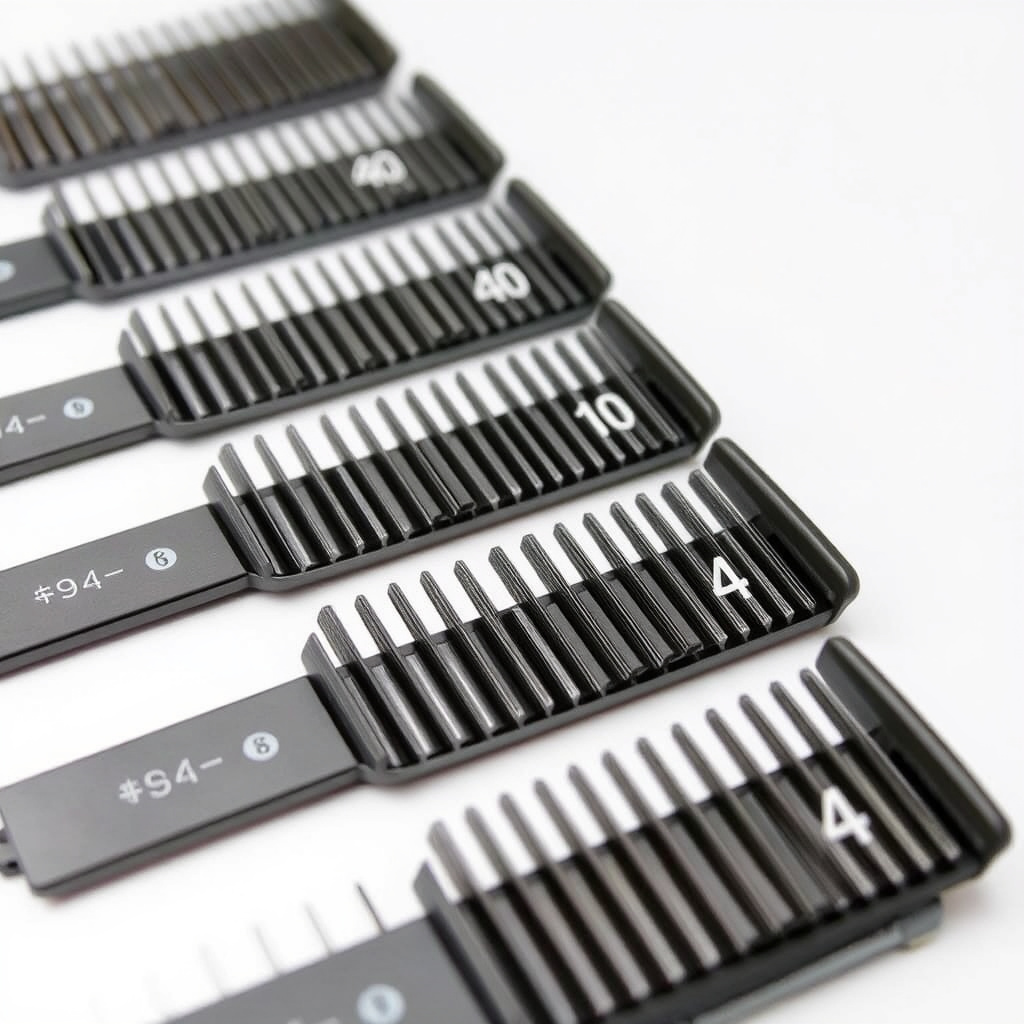
What Each Guard Size Means
Clipper guards come in standardized sizes, represented by numbers with each size corresponding to the hair length left after cutting. For example, a #0 guard leaves hair at 1/16 inch, while a #4 leaves 1/2 inch. Knowing guard measurements helps achieve precise fades by controlling hair length progression.
Each guard allows barbers or self-cutters to maintain consistent hair length, which is key when blending different sections. Smaller guards create tighter fades with very short hair, while longer guards keep more length, offering softer blends.
- #0 guard: 1/16 inch length, closest to the scalp
- #1 guard: 1/8 inch length, short and tight
- #2 guard: 1/4 inch length, medium short
- #3 guard: 3/8 inch length, medium length
- #4 guard: 1/2 inch length, longer hair
Why Guard Sizes Matter for a Fade Haircut
Fade haircuts rely on a gradual transition from very short hair near the neck and sides to longer hair on top. Choosing the right clipper guard sizes ensures this transition looks smooth and balanced. If guard sizes are too close in length, the fade can appear patchy or abrupt.
The guard size selection affects not only the fade’s appearance but also how it feels and grows out. Using a range from very short to longer sizes gives the haircut dimension and professional sharpness.
Choosing Guard Sizes for Different Fade Types
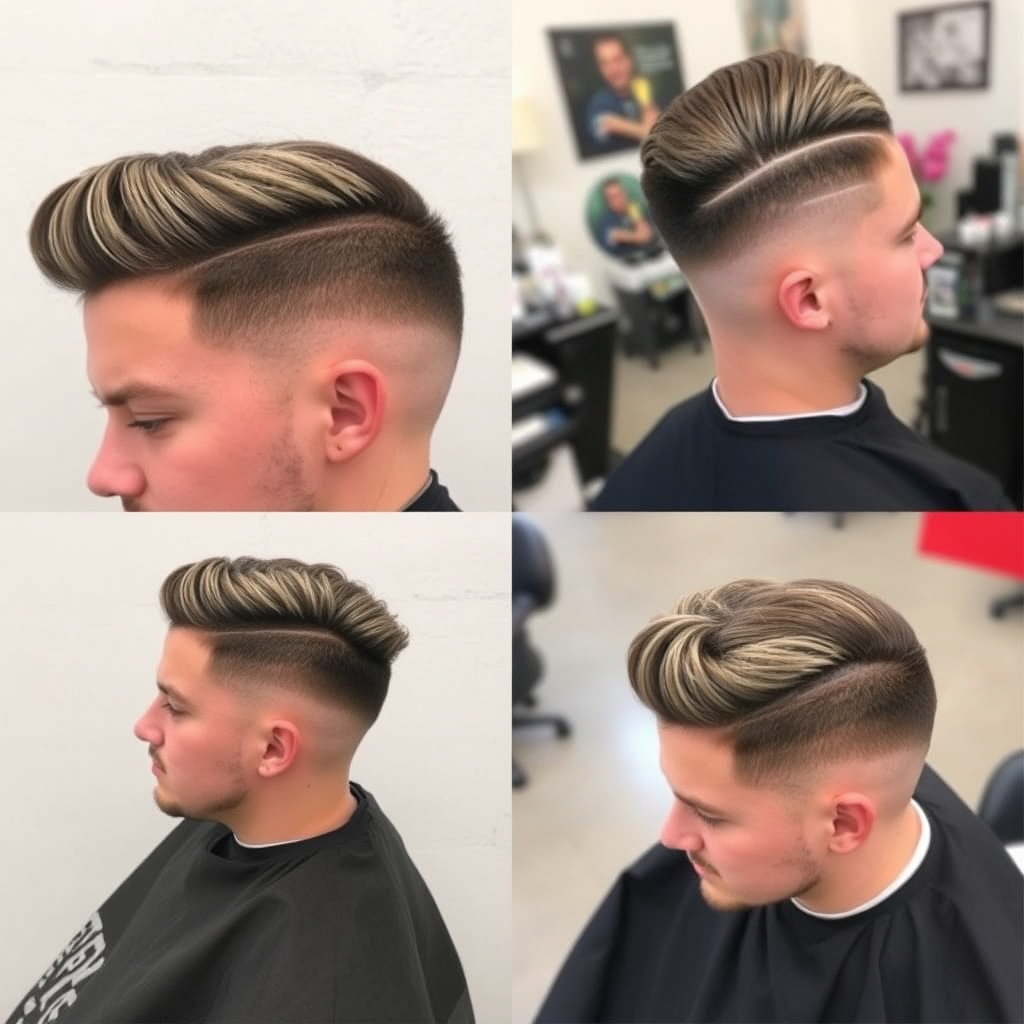
Ideal Guard Sizes for Low Fades
Low fades start just above the ears and gradually increase length moving upward. For low fades, barbers often use #0 or #1 guards at the bottom, blending into #2 or #3 guards as they reach the midsection of the fade. This results in a subtle, tapered look that's less bold but still neat.
Because low fades remain closer to the neckline, the guard selection focuses on maintaining short lengths with smooth transitions, typically avoiding guards longer than #3 for the fade area.
For more on this, see our related guide: What Size Guard for a Buzz Cut: A Practical Guide for Perfect Hair Length.
Best Guard Sizes for Mid Fades
Mid fades begin around the temple area and blend down to shorter lengths near the ears and neckline. Clippers usually move from a #0 or #1 guard at the lowest points to a #3 or #4 guard higher up, giving a balanced gradient that's more noticeable than a low fade but not as dramatic as a high fade.
The mid fade’s guard selection provides a wide enough range to contrast sharp lines with longer hair, making it one of the most popular fade choices for its versatility.
Advanced Guard Techniques for a Clean Fade

Using Guard Overlap for Smoother Blends
Barbers often overlap guard sizes by cutting twice with two adjacent guards, such as #1 followed by #2. This overlap softens the visible transition line, producing a more natural fade without harsh edges.
To achieve this, it's typical to start with the shortest guard near the neckline and then move upward with the next longer guard, blending meticulously between passes.
- Cut with shorter guard first
- Brush hair upward
- Cut with next longer guard overlapping
- Repeat as needed for softness
Manual Adjustments and Lever Usage
Many clippers have adjustable levers that can fine-tune the guard length in between standard sizes. Pulling or pushing the lever slightly changes blade exposure, allowing for perfect fade gradients without changing guards constantly.
Lever adjustments help during fades by creating micro-length differences, letting the barber blend hard-to-reach areas or customize the fade’s sharpness.
- Use lever halfway for intermediate length
- Adjust based on hair type and fade style
- Combine with guard overlaps for precision
Common Mistakes with Guard Sizes in Fades

Choosing Guard Sizes Too Close in Length
Using guards that are too similar, for instance jumping only one guard size between fades, can cause visible lines and uneven blending. The fade loses its smooth gradient look and may appear choppy.
Increasing the gap between some guard sizes or using lever adjustments helps avoid this issue by creating more natural transitions.
For more on this, see our related guide: What Size Guard Is a Number 2? Understanding Hair Clipper Guards.
Ignoring Hair Texture When Selecting Guards
Different hair types respond uniquely to guard sizes. Coarser, thicker hair may need longer guards to avoid patchiness, while fine hair benefits from shorter sizes and closer blending.
Failing to consider texture can result in fades that look uneven or that don’t hold their shape as the hair grows out.
Maintenance and Tools for Perfect Guard Usage

Keeping Clippers and Guards Clean
Clippers perform best when blades and guards are clean and well-oiled. Residue buildup can clog guards, affecting cutting length and causing uneven fades.
Regular cleaning prolongs tool life and guarantees consistent guard sizes during each haircut.
- Remove hair from blades after each use
- Use clipper oil to lubricate moving parts
- Clean guards with mild soap and water regularly
For additional insights into the history and variations of the fade haircut, you can visit the fade haircut details on Wikipedia. Fade haircut details on Wikipedia.
Choosing Quality Guards for Fade Haircuts
Higher-quality clipper guards fit securely and retain their shape, ensuring accurate hair lengths during fades. Cheaper guards may warp or loosen, leading to inconsistent cuts.
Investing in a good set supports precise fade control and makes using the right guard sizes easier.
- Select guards designed for your clipper model
- Look for durable plastic or metal guards
- Replace worn guards to maintain length accuracy
Comparison of Guard Sizes for Different Fade Styles
This table compares the typical guard sizes used across popular fade types to help identify what suits your haircut goals.
| Fade Style | Lowest Guard Used | Highest Guard Used | Length Range |
|---|---|---|---|
| Low Fade | #0 | #3 | 1/16 inch to 3/8 inch |
| Mid Fade | #0 | #4 | 1/16 inch to 1/2 inch |
| High Fade | #0 | #4 | 1/16 inch to 1/2 inch or longer top |
| Skin Fade | No Guard (blade only) | #1 | Skin to 1/8 inch |
| Taper Fade | #1 | #3 | 1/8 inch to 3/8 inch |
Frequently Asked Questions
Can I do a fade with just one guard size?
Using only one guard size will not create a proper fade because fading requires gradual length changes. Multiple guard sizes or lever adjustments are needed to blend hair lengths smoothly.
What is the difference between a #0 and #1 guard in fading?
A #0 guard leaves hair at 1/16 inch, almost skin-tight, while a #1 leaves 1/8 inch. The #0 is for the shortest fade areas, and #1 is slightly longer for softening transitions.
How do I know which guard size fits my clipper?
Guard sizes are typically designed to fit specific clipper models. Check your clipper brand's manual or look for guards made for your clipper type to ensure a proper fit.
Why do some fades use no guard at all?
Using no guard means the clipper blade cuts hair down to the skin, creating a skin or bald fade effect. This is often the shortest part of a fade for a clean, defined look.
How often should I replace my clipper guards?
Replace clipper guards if they become warped, cracked, or loose fitting. On average, guards can last several years with proper care but should be checked regularly.
Key Takeaways
- Fade haircuts require multiple guard sizes for smooth length transitions.
- Small guards like #0 and #1 create short fade bases; larger guards soften blends.
- Overlap and lever adjustment techniques improve fade smoothness.
- Clean, quality guards help maintain consistent fade results.
Conclusion
Selecting the correct size guard for a fade haircut revolves around understanding how different guard lengths create the illusion of a gradual length transition. True fades achieve a balanced progression from nearly shaved hair at the neckline to longer lengths up top. By using a series of clipper guards ranging between #0 and #4 strategically, the hairdresser or individual can sculpt distinct fade styles, including low, mid, and high fades. This careful guard selection combined with blending techniques ensures the fade looks professional, smooth, and tailored to the client's head shape and hair type.
For someone aiming to replicate a fade at home or communicate effectively with their barber, knowing the appropriate guard sizes for different fade types is highly beneficial. Low fades commonly use #0 through #3 guards to maintain subtlety, mid fades stretch from #0 up to #4, and high fades often combine the shortest guards with longer top lengths for a bolder contrast. Additionally, advanced methods such as guard overlapping and using adjustable clipper lever settings can refine the blend even further. Recognizing your hair texture also aids in choosing the best guards for a fade that lasts and looks natural.
In practical terms, those new to fading should start with a basic fade style, using a simple set of guards in the recommended ranges, and focus on technique rather than speed. Maintaining clean, high-quality guards will help keep the haircut precise, and gradual adjustments will allow for modifications as you grow more confident. Whether you're styling yourself or briefing your barber, these guard size insights empower you to achieve a fade haircut that complements your style and personality.


2 Comments