What Type of Wig Is Best for Thin Hair: Guide to Natural-Looking Options
The best type of wig for thin hair is one that is lightweight, breathable, and mimics natural scalp appearance, such as lace front wigs or monofilament wigs. These styles provide realistic hairlines and parting while minimizing stress on fragile hair.
Thin hair requires wigs designed to be gentle and not overly heavy or thick. Choosing a wig that matches your hair’s delicacy helps maintain comfort, prevents further hair damage, and enhances confidence by offering a natural look.
This article covers different wig constructions, materials, cap designs, and styling tips suitable for thin hair. We'll also compare popular wig categories and provide essential advice for choosing and caring for wigs when you have fine or thin hair.
Understanding Wig Constructions Best Suited for Thin Hair

Lace Front Wigs: Seamless Hairline Illusion
Lace front wigs have a thin lace material along the front hairline, allowing individual hair strands to be hand-tied for a realistic and natural look. This design is ideal for thin hair as it creates the appearance of hair growing directly from the scalp.
The lightweight lace reduces pressure on delicate strands, making it comfortable to wear for extended periods. Also, lace front wigs allow versatile styling options around the face without revealing wig edges.
Monofilament Wigs: Scalp-Like Parting and Versatility
Monofilament wigs feature a cap made of a fine mesh material where each hair strand is individually hand-knotted, simulating natural hair growth through the scalp. This creates lifelike parting and exceptional breathability.
For those with thin hair, monofilament wigs reduce friction and tension on the scalp, helping protect fragile hair beneath. They also permit part changes and multi-directional styling for a natural finish.
Selecting Materials That Support Fine Hair Comfort

Human Hair Wigs: Realism and Styling Freedom
Human hair wigs offer unmatched natural appearance and styling flexibility because they behave like real hair. They can be heat-styled and colored just as natural hair can, providing a seamless look for thin hair wearers seeking authenticity.
However, human hair wigs require more care to maintain softness and luster, and due to their heavier weight, they may need careful cap design like lace front or monofilament construction to avoid burdening fine hair.
Synthetic Wigs: Lightweight and Low Maintenance
Synthetic wigs are made from man-made fibers that are lighter and generally less costly than human hair wigs. Advanced synthetic fibers can closely mimic natural hair texture and sheen, offering easy maintenance and style retention.
For thin hair, lightweight synthetic wigs can reduce scalp stress and are a practical choice for everyday use. Choosing high-quality synthetic wigs prevents unnatural shine and enhances comfort throughout the day.
Cap Sizes and Fit for Thin Hair
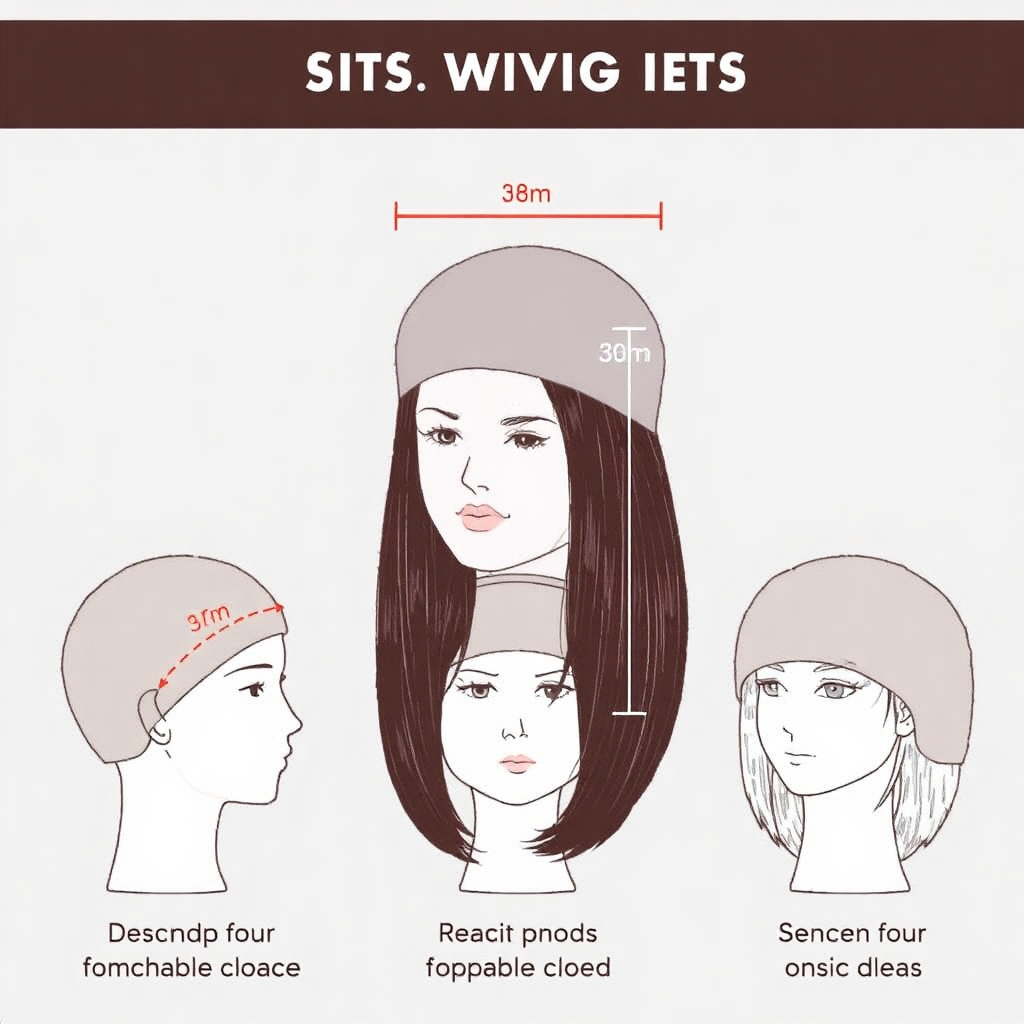
Adjustable Caps: Personalized Comfort
Wigs with adjustable straps or elastic bands offer customizable fit, which is essential for thin hair to avoid slipping or excessive tightness. Proper fit helps stabilize the wig on fine hair and prevents movement that might expose natural scalp.
Fine hair can be fragile, so adjustable features reduce unnecessary tension and allow comfortable daily wear. They accommodate minor size fluctuations and support secure attachment options like wig clips or tape.
- Velcro adjustable straps
- Elastic bands
- Snap-in clips
For more on this, see our related guide: How to Do a Hair Trim at Home: Step-by-Step Guide for a Clean Cut.
Cap Sizes: Measuring for Thin Hair
Accurate head measurements ensure the wig cap fits snugly but comfortably, which is crucial for thin hair to keep the wig in place without damaging natural strands.
Use a flexible tape to measure circumference, front-to-back length, and ear-to-ear length over the crown. Choose small or average cap sizes based on measurements to avoid excess bulk that might overwhelm fine hair.
- Circumference
- Front to nape length
- Ear to ear across forehead
Styling Techniques for Wigs on Thin Hair

Volumizing Styles That Add Movement
To create fullness on thin hair, opt for soft curls, waves, or layered cuts in your wig. These styles add dimension and reduce flatness for a natural, lively look.
Avoid heavy, blunt cuts that might reveal scant underlying hair. Using volumizing mousse on human hair wigs or lightweight synthetic wigs can also enhance body without weighing down delicate fibers.
- Loose curls or waves
- Layered textures
- Avoid blunt, heavy cuts
Protective Styling to Safeguard Fragile Hair
Limiting tight ponytails or styles that pull on natural hair helps protect thinning strands beneath the wig. Choose styles that distribute weight evenly over the cap.
Applying wig caps underneath the wig can protect fine hair and provide a grip base to reduce friction, helping maintain scalp health and prolong wig life.
- Use wig caps
- Avoid tight hairstyles
- Even weight distribution
Caring for Your Wig to Preserve Thin Hair Health

Cleaning and Maintenance Best Practices
Regular cleaning of your wig according to the manufacturer’s instructions helps maintain fiber integrity and prevents buildup of oils and dirt that could irritate sensitive scalps.
Use gentle shampoos designed for wigs, cold water rinses, and avoid harsh brushing when wet. Maintaining the wig properly extends its lifespan and supports scalp health beneath.
For more on this, see our related guide: How to Do a Wash Day for Beginners: Step-by-Step Guide to Healthy Hair Care.
Storage Tips to Retain Shape and Quality
Store your wig on a stand or mannequin head to keep the shape intact and avoid tangling. Keep it away from direct sunlight or heat sources to prevent fiber damage.
For thin hair users, proper storage minimizes wear and tear, ensuring the wig remains comfortable and natural-looking for repeated use.
Choosing Wigs for Different Occasions and Needs

Everyday Wigs for Comfort and Durability
For daily wear, lightweight lace front or monofilament synthetic wigs are excellent choices due to comfort and easy maintenance. They suit fine hair by minimizing scalp irritation while providing natural appearance.
These wigs are durable enough for frequent use and offer flexibility in casual or professional settings, making them practical options for thin hair.
For a detailed overview of wig types and their history, you can explore wigs on Wikipedia. wigs on Wikipedia.
Special Occasion Wigs for Style and Impact
Human hair wigs or premium quality lace front wigs are favored for special events where styling versatility and realistic look matter most. They can be custom styled, colored, and hold curls or updos gracefully.
Choosing these wigs for thin hair enables more elaborate styles without sacrificing scalp health or comfort, helping you achieve your desired aesthetic.
Comparison of Wig Types for Thin Hair
Here’s a practical overview comparing common wig types tailored for thin hair, focusing on comfort, appearance, and maintenance.
| Wig Type | Weight | Natural Appearance | Maintenance Level | Best For |
|---|---|---|---|---|
| Lace Front Human Hair | Medium | Highly Natural | High | Realistic style versatility |
| Monofilament Synthetic | Light | Natural | Low | Breathable everyday wear |
| Full Lace Human Hair | Light to Medium | Very Natural | High | Custom styling & comfort |
| Basic Synthetic Wig | Light | Less Natural | Low | Budget-friendly, casual use |
Frequently Asked Questions
Can wigs damage thin hair?
If worn improperly or too tightly, wigs can cause stress on thin hair. Choosing lightweight caps, proper fit, and gentle attachment methods helps prevent damage.
Are human hair wigs better for thin hair than synthetic ones?
Human hair wigs offer more natural styling but can be heavier and require more care. Lightweight synthetic wigs can be better for comfort and daily wear on thin hair.
How often should I wash my wig if I have thin hair?
Typically, washing a wig every 10-14 wears helps maintain cleanliness without over-washing, which can damage fibers and irritate a sensitive scalp.
What styling products are safe for wigs on thin hair?
Use products designed specifically for wigs or gentle, alcohol-free styling sprays and mousses to avoid buildup and protect wig fibers and natural hair underneath.
Can I color a wig if I have thin hair?
Human hair wigs can be colored with professional care. Coloring synthetic wigs is not recommended due to fiber composition. Always consult a stylist experienced with wigs.
Key Takeaways
- Lace front and monofilament wigs are best suited for thin hair due to realistic appearance and comfort.
- Choosing lightweight materials reduces strain on fragile hair and scalp.
- Proper cap fit and adjustable features enhance security and wearability.
- Regular gentle care and appropriate styling protect wig quality and natural hair beneath.
Conclusion
Choosing the right wig for thin hair involves balancing natural look, comfort, and scalp health. Lace front and monofilament constructions lead the field by mimicking real hair growth and distributing weight evenly. Pairing these cap designs with lightweight human hair or synthetic fibers helps maintain fragile hair strength and provides versatility in styling or daily wear.
For everyday use, monofilament synthetic wigs stand out as practical choices, delivering breathability and ease of maintenance that protect sensitive scalps. Special occasions call for human hair lace front wigs, which can be styled and colored professionally to match your natural hair and personal style preferences. Measuring your head accurately and choosing adjustable caps will create a secure fit, reducing irritation or damage to thin hair under the wig.
Before purchasing, try on different wig types to gauge comfort and appearance. Consider consulting with a wig specialist for personalized recommendations tailored to your hair condition and lifestyle. Taking good care of your wig with proper washing, storage, and gentle styling will enhance its lifespan while keeping your delicate natural hair safe and healthy.