What Type of Hairstyle Is Best for Thin Hair: Expert Tips for Fuller Looks
The best type of hairstyle for thin hair is one that creates the illusion of volume and fullness while being easy to maintain. Layered cuts, texturized styles, and bobs can help thin hair look thicker by adding body and movement. Avoid overly long hairstyles which can make hair appear limp and weighed down. Shorter or medium-length styles that lift the roots are ideal for enhancing thin strands.
Thin hair tends to lack natural volume, making it prone to looking flat or lifeless if styled without consideration. Choosing a hairstyle that adds texture and shape boosts confidence and allows you to make the most of your natural hair texture. Hairstyles that strategically remove bulk and use layering create a more dynamic, thicker appearance.
This article covers a variety of hairstyle types tailored for thin hair, including haircut styles, color techniques, and styling tips. It will explain how to pick the right cut for different face shapes and hair textures, as well as what to avoid to keep your hair healthy and looking full.
Understanding Thin Hair Characteristics

What Makes Hair Thin?
Thin hair results from the diameter of individual strands being smaller than average or the overall density of hair follicles being low. Genetics, aging, hormonal changes, and environmental factors can contribute to thin hair. Because strands are finer, they tend to lie flatter and reflect less light, which reduces the perception of volume.
Even hair-covered scalp areas with plenty of follicles can appear thin if each strand is fine. Understanding this helps in choosing styles that create the illusion of thicker hair by focusing on lift at the roots and movement throughout the length.
Challenges of Styling Thin Hair
Thin hair is prone to oils and weight from products making it look flat. It also lacks natural hold, so styles tend not to maintain volume throughout the day. Breakage is a concern due to finer strands being less resilient to tension and heat styling.
This means hairstyles for thin hair should minimize heavy products and excessive heat use while promoting texture and body with layering or specialized cuts.
Effective Haircuts for Thin Hair

Layered Cuts
Layered cuts work well for thin hair because they remove weight and add movement, which can create a fuller appearance. Layers that start around the chin or jawline give dimension without sacrificing length, making hair feel lighter and more voluminous.
Avoid very long layers that can pull the hair downward, further flattening the hair. Instead, opt for soft or textured layers that build lightness and airiness.
- Soft, graduated layers
- Texturizing shears to thin thick sections
- Layers starting near the face for framing
Bob Hairstyles
Bobs are a popular option for thin hair as they naturally appear thicker because of the blunt ends and shorter length. A classic bob cut just at the jawline or chin creates the illusion of density by keeping hair from weighing down.
Adding subtle waves or curls to a bob enhances volume and texture. This haircut suits many face shapes and is versatile enough to style sleek or tousled.
- Blunt or slightly textured bob
- Chin-length cuts for fullness
- Wavy bob styles to add body
Styling Techniques to Boost Volume
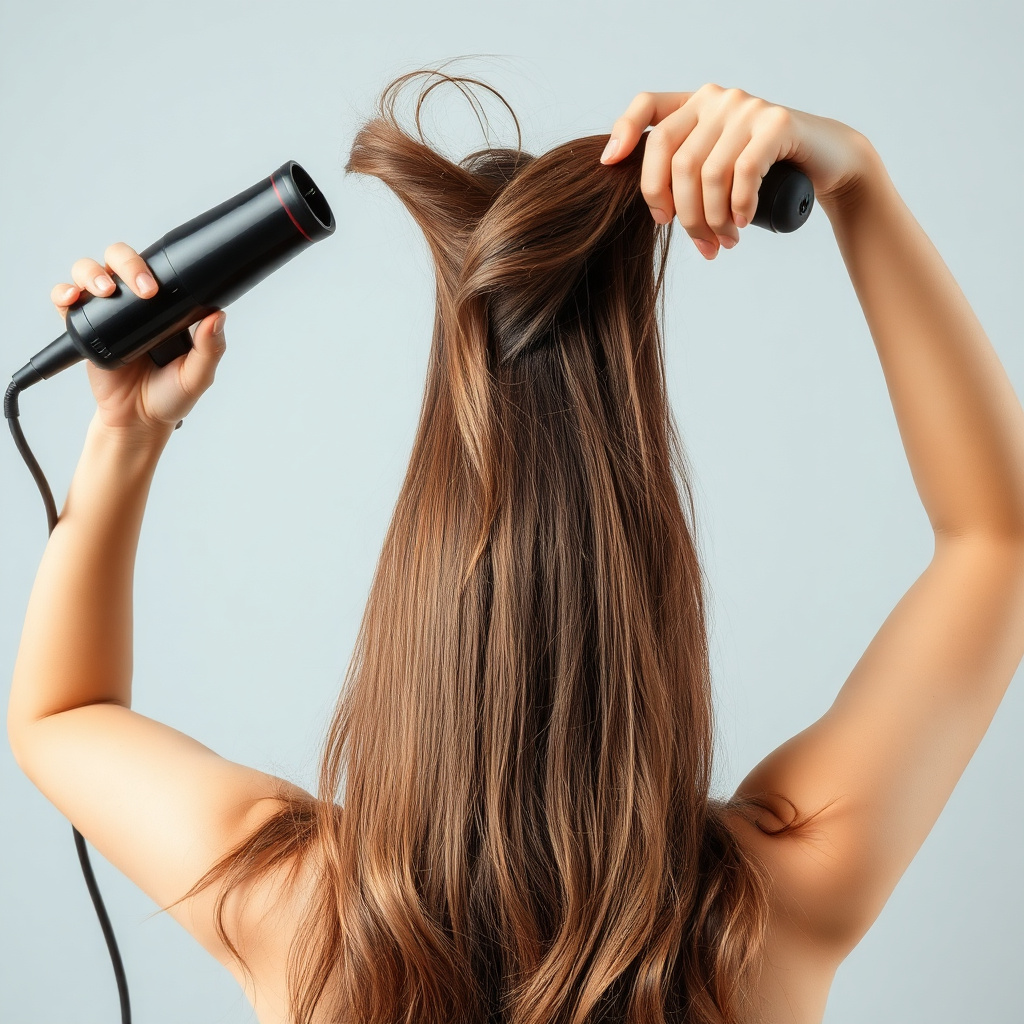
Root Lifting Methods
Root lifting with volumizing mousse, sprays, or powders raises the hair at the scalp to prevent the flat look common in thin hair. Blow-drying hair upside down encourages natural lift by breaking the hair’s flat position against the scalp.
Using a round brush during blow-drying and focusing heat at the roots helps achieve maximum volume. Avoid heavy conditioners at the scalp that weigh hair down.
- Volumizing mousse or spray
- Blow-drying upside down
- Round brush lift technique
For more on this, see our related guide: How to Do a Hair Trim at Home: Step-by-Step Guide for a Clean Cut.
Texturizing Products
Texturizing sprays, sea salt sprays, and light styling creams add grit and body to thin hair, making it more manageable and giving it thicker feel. These products help hold style and prevent hair from clumping together.
Apply texturizing products mainly on the mid-lengths and ends to avoid root buildup. They can also enhance layered cuts by emphasizing movement and dimension.
- Sea salt spray for natural texture
- Light styling cream for softness
- Avoid heavy oils or waxes
Hair Color and Treatment Tips

Color Techniques to Add Dimension
Adding highlights or lowlights using multi-tonal color creates an impression of depth and thickness. Blonde or caramel highlights on darker hair create contrast that makes strands appear denser.
Balayage and foiling techniques distribute color softly, avoiding harsh lines that can emphasize thinness. These methods work well with layered haircuts to boost the sense of volume.
- Balayage highlighting
- Soft lowlights for contrast
- Multi-dimensional color tones
Avoiding Damage During Treatment
Thin hair is vulnerable to damage from frequent coloring or chemical treatments. To preserve hair integrity, use gentle color formulas, avoid excessive bleaching, and nourish hair with protein and moisture treatments post-color.
Regular trims help prevent split ends. Using color-safe, sulfate-free shampoos also maintains hair health.
- Gentle, ammonia-free color
- Protein hair masks
- Sulfate-free shampoo usage
Common Hairstyles to Avoid with Thin Hair

Overly Long and Heavy Styles
Very long hairstyles often weigh thin hair down, causing strands to lie flat and appear stringy. Weight pulls on the scalp, reducing volume and making fine hair seem even thinner, especially if layers are missing.
Heavy, thick haircuts without layering can also reduce lift, leading to a limp hairstyle.
- Straight, waist-length hair without layers
- Heavy blunt ends without texturizing
For more on this, see our related guide: What Type of Bangs Are Best for Natural Hair: A Detailed Guide.
Extremely Short Pixie Cuts
Pixie cuts can be risky on thin hair if strands are too fine because extremely short lengths reveal scalp through sparse areas. Unless hair density is adequate and styling products create texture, pixies might highlight thin patches.
However, some shorter cuts with textured styling and volume at the crown are possible for those with moderate thinness.
- Very short buzz cuts
- Minimized layering on pixies
Daily Hair Care Advice for Thin Hair

Shampooing and Conditioning
Using lightweight, volumizing shampoos is best for thin hair because they cleanse without stripping natural oils or weighing hair down. Conditioners should be applied mostly to mid-length and ends to avoid oil buildup at roots that flattens hair.
Overwashing can dry out strands making them brittle, so washing 2-3 times per week is recommended. Choose products formulated specifically for fine hair.
- Volumizing shampoo
- Conditioner applied to ends only
- Limit washing frequency
For more detailed insights into causes and treatment options related to thin hair, visit the Hair thinning information from Mayo Clinic. Hair thinning information from Mayo Clinic.
Heat Protection and Gentle Styling
Heat styling can damage thin hair quickly, so applying a heat protectant spray before using dryers or irons is necessary. Limit heat exposure to maintain strand integrity and prevent breakage.
Opt for gentle hairstyles such as loose waves or blowouts instead of tight ponytails or braids that pull on hair and lead to traction alopecia.
- Heat protectant spray use
- Avoid tight hairstyles
- Air-drying when possible
Best Haircuts for Thin Hair Category Comparison
Explore how different haircut styles for thin hair compare in volume effect, maintenance, and suitability for various textures and face shapes.
| Hairstyle | Volume Boost | Maintenance Level | Best Hair Texture | Face Shape Suitability |
|---|---|---|---|---|
| Layered Cut | High | Moderate | Fine to Medium | Oval, Round, Square |
| Bob | High | Low to Moderate | Fine to Medium | Oval, Heart, Square |
| Pixie Cut | Medium | Low | Medium to Thick | Oval, Heart |
| Long Straight Hair | Low | High | Fine | Oval, Rectangular |
| Textured Lob | High | Moderate | Fine to Wavy | Oval, Round |
Frequently Asked Questions
Can thin hair grow thicker over time?
Hair thickness is largely genetic, but improving scalp health, nutrition, and gentle hair care can optimize existing hair condition. While strands don’t typically become thicker, growing stronger hair reduces breakage, making hair seem fuller.
Are bangs a good option for thin hair?
Bangs can work if cut with texture and avoid heavy blunt styles that weigh hair down. Wispy or side-swept bangs add softness and can conceal forehead area thinning.
Which hair tools are best for styling thin hair?
Lightweight tools like small round brushes and blow dryers with diffuser attachments help add volume without damaging strands. Avoid heavy irons and excessive heat use to prevent breakage.
How often should I trim thin hair?
Regular trims every 6-8 weeks prevent split ends and maintain style shape. Keeping ends healthy helps hair reflect light better, improving overall appearance.
Is it better to air dry or blow dry thin hair?
Blow drying with proper root lifting techniques creates more volume than air drying alone. Using heat protectant sprays limits damage during drying.
Key Takeaways
- Layered cuts and bobs create volume and movement for thin hair.
- Use volumizing and texturizing products sparingly to boost fullness.
- Avoid heavy, long styles that weigh down thin strands.
- Protect hair from heat and handle gently to maintain health.
Conclusion
Choosing the right type of hairstyle for thin hair involves focusing on cuts and styles that add volume and reduce weight. Layering, especially around the face and crown, plays a major role in creating the illusion of thickness. Hairstyles like bobs, particularly blunt or textured, lend themselves naturally to fuller looks. Beyond the haircut, daily hair care practices including light washing, root lifting, and careful use of styling products are essential to maintain body and shine in thin strands. By understanding your hair’s unique characteristics and selecting styles tailored to those traits, it’s possible to achieve a lively, voluminous appearance.
For people with thin hair, layered cuts are usually the safest bet for adding texture and fullness without losing length. Medium-length bobs also work well for many because they prevent hair from weighing down while still giving a polished silhouette. If you prefer shorter styles, textured pixie cuts with root volume can be flattering but require some density to avoid picking up the scalp visibly. Color techniques like balayage or highlights enhance dimension and should be incorporated with treatments to maintain hair strength. Each approach should be customized to your hair’s density, face shape, and lifestyle preferences to create a manageable, attractive hairstyle.
The best next step is to consult with a stylist experienced in fine or thin haircuts, showing them the styles that appeal to you from this guide. Consider a layered bob or textured cut as a starting point and experiment with volumizing hair products suited to your texture. Remember that maintaining healthy hair with gentle washing and heat protection extends the life and look of any cut. Over time, you’ll find the balance of style and care that makes your thin hair look and feel its best.


One Comment