Understanding the Difference Between Clippers and Shavers
The main difference between clippers and shavers lies in their design and primary function: clippers are designed to trim and cut longer hair with adjustable guards for length control, while shavers are meant to remove hair very close to the skin for a smooth finish. Clippers use blades that move side to side or in a rotary motion above guards, making them ideal for haircuts or beard shaping. Shavers, on the other hand, have either foil or rotary heads designed for close shaving, often leaving the skin smoother than clippers can.
Choosing the right tool matters because your grooming goals depend on how close you want the cut and the area you want to groom. Clippers are versatile for styling and trimming hair of varying lengths, whereas shavers focus on delivering a close, clean shave mostly suited for facial hair or body areas where smoothness is desired. Knowing their differences helps you avoid choosing a device that won’t achieve your preferred look or may irritate your skin.
This article breaks down the differences between clippers and shavers in detail, exploring their designs, functions, ideal use cases, maintenance, and models to help you select the best grooming tools for men looking for precision or smoothness.
How Clippers Work and Their Uses
Design and Mechanism of Clippers
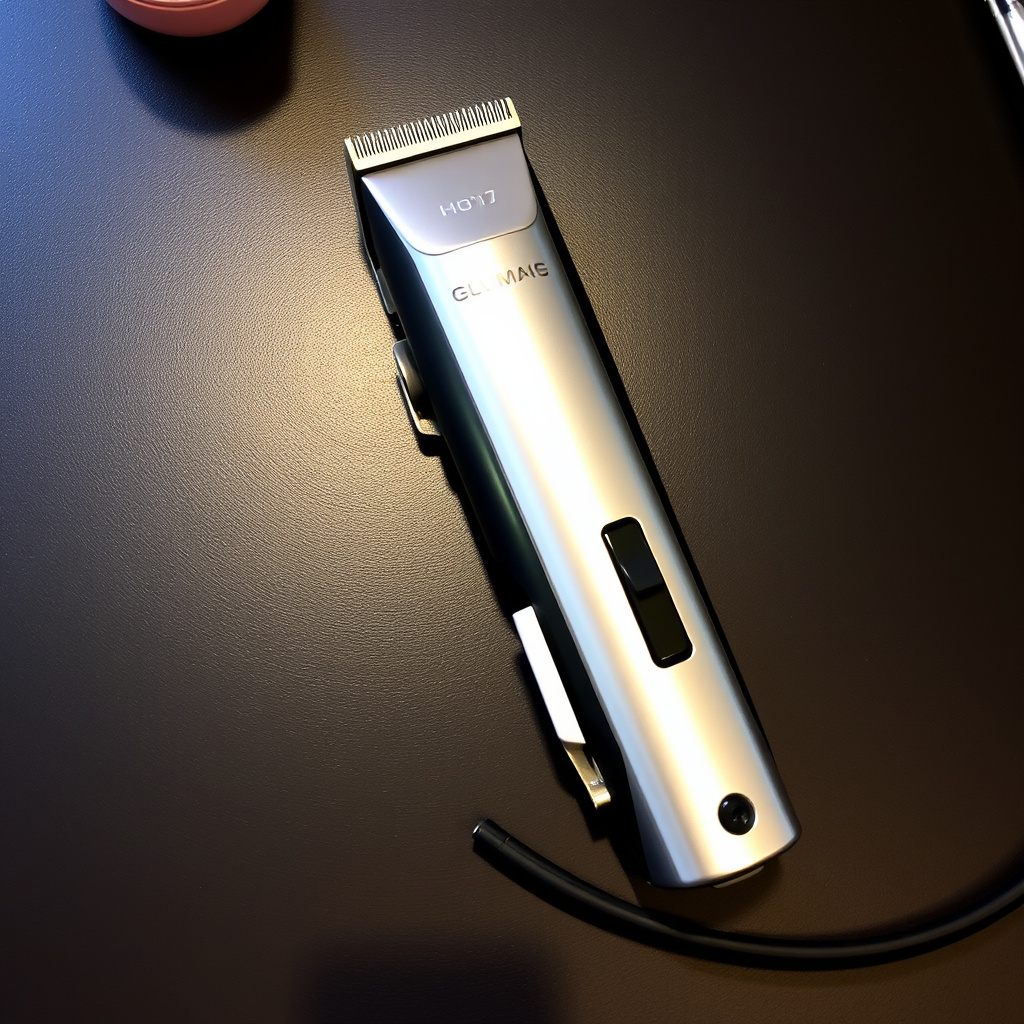
Clippers consist of a pair of sharp blades that move side to side or in a rotary motion to trim hair. They typically come with detachable or adjustable guards that help control the cutting length, enabling uniform trimming without cutting hair too short. The motor inside powers the blades for rapid movement to facilitate quick and even haircuts.
Most clippers are cordless or corded and use stainless steel or ceramic blades for durability. Their construction focuses on safely cutting through thick or long hair without pulling, which is why they are preferred for head hair, beards, or body hair trimming.
Typical Uses of Hair Clippers
Clippers are used primarily for cutting head hair, trimming beards, shaping sideburns, or managing body hair with length control. Barbers often use clippers for fades and layered cuts because of their precision and ability to cut various lengths in one pass.
They are practical for maintaining hair length without removing it completely, providing a groomed look without shaving to the skin. Clippers also work well for pet grooming and other tasks where hair length needs regulation.
Understanding Shavers and Their Purpose

Types and Mechanics of Shavers
Shavers are specialized grooming tools designed to remove hair very close to the skin surface for a smooth finish. There are two primary types: foil shavers that use oscillating blades beneath a perforated metal foil, and rotary shavers that use spinning circular blades under flexible heads to follow the face’s contours.
These devices usually operate with high-speed motors and are often cordless, making them convenient for daily use. Shavers are built to reduce skin irritation by minimizing contact between the blades and the skin’s surface.
Ideal Applications of Electric Shavers
Electric shavers excel when you want a near-bare skin appearance without using a manual razor. They are best for shaving facial hair closely, maintaining clean-shaven looks, or managing sensitive areas without nicks or cuts.
Shavers are also beneficial for individuals who shave frequently and seek efficiency and safety, especially for fine facial hair or in delicate skin zones.
Key Differences Between Clippers and Shavers
Functionality and Hair Length
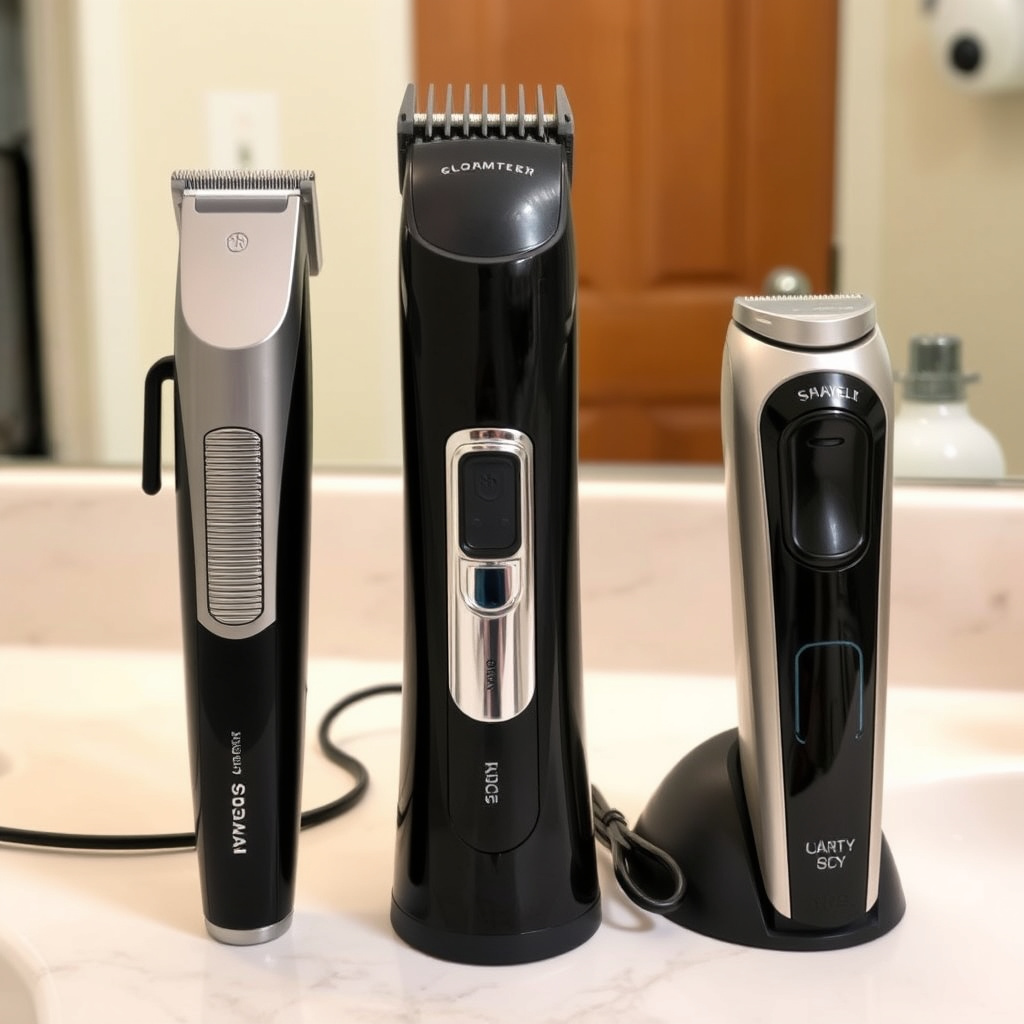
Clippers are tailored toward cutting and shaping longer hair, allowing control over hair length through guards, while shavers aim to remove hair as close to the skin as possible for a smooth shave. Clippers can’t achieve the skin-level closeness that shavers provide.
Because clippers leave a bit of hair depending on guard size, they are suited for styling rather than bare skin finish, whereas shavers remove stubble entirely, ideal for clean-shaven looks.
Comfort and Skin Sensitivity
Shavers usually offer a gentler experience for the skin due to their foil or rotary design, reducing the risk of cuts and irritation that sometimes arise with clippers if blades are dull or used incorrectly.
Clippers can be uncomfortable if used directly on very short hair or skin without guards, making shavers better for sensitive areas or for those prone to razor burn.
Maintenance and Durability of Clippers and Shavers
Caring for Clippers
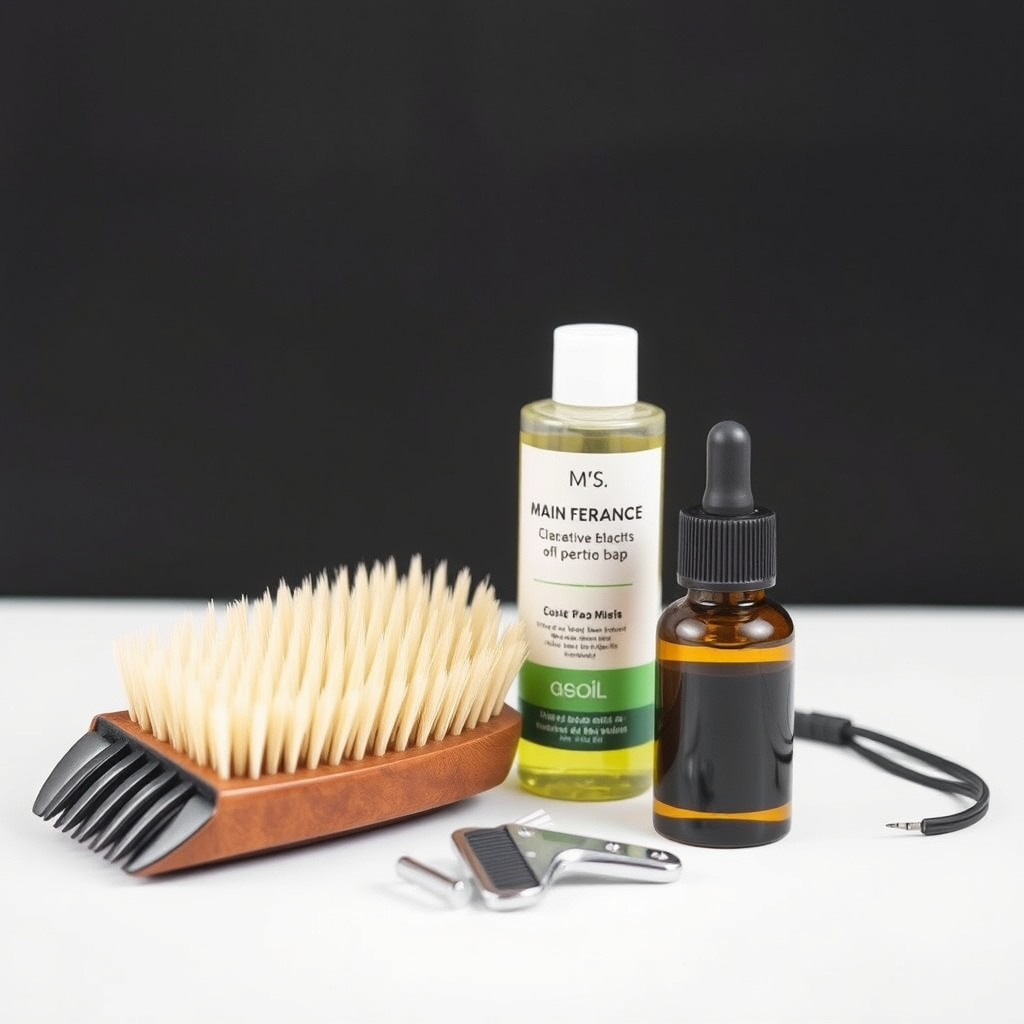
Regular maintenance of clippers involves cleaning hair buildup between blades, oiling moving parts to reduce friction, and occasionally replacing the blades or guards. Proper upkeep ensures the blades stay sharp and prevents uneven cutting.
Most clippers come with specific cleaning brushes and blade oil; skipping maintenance can reduce motor life and haircut quality.
- Clean blades after every use
- Apply blade oil regularly
- Replace dull blades or guards as needed
Shaver Maintenance Best Practices
Shavers require cleaning of hairs trapped under foils or rotary heads, sometimes done by rinsing under water if waterproof. Regular blade replacement and lubrication optimize shaving performance and reduce skin irritation.
Some models include cleaning stations that sanitize and charge the shaver, which is convenient but adds to overall cost.
- Rinse or brush heads after each use
- Replace blades or foils every 12-18 months
- Use manufacturer cleaning solutions if available
Choosing Between Clippers and Shavers
Factors Influencing Your Choice
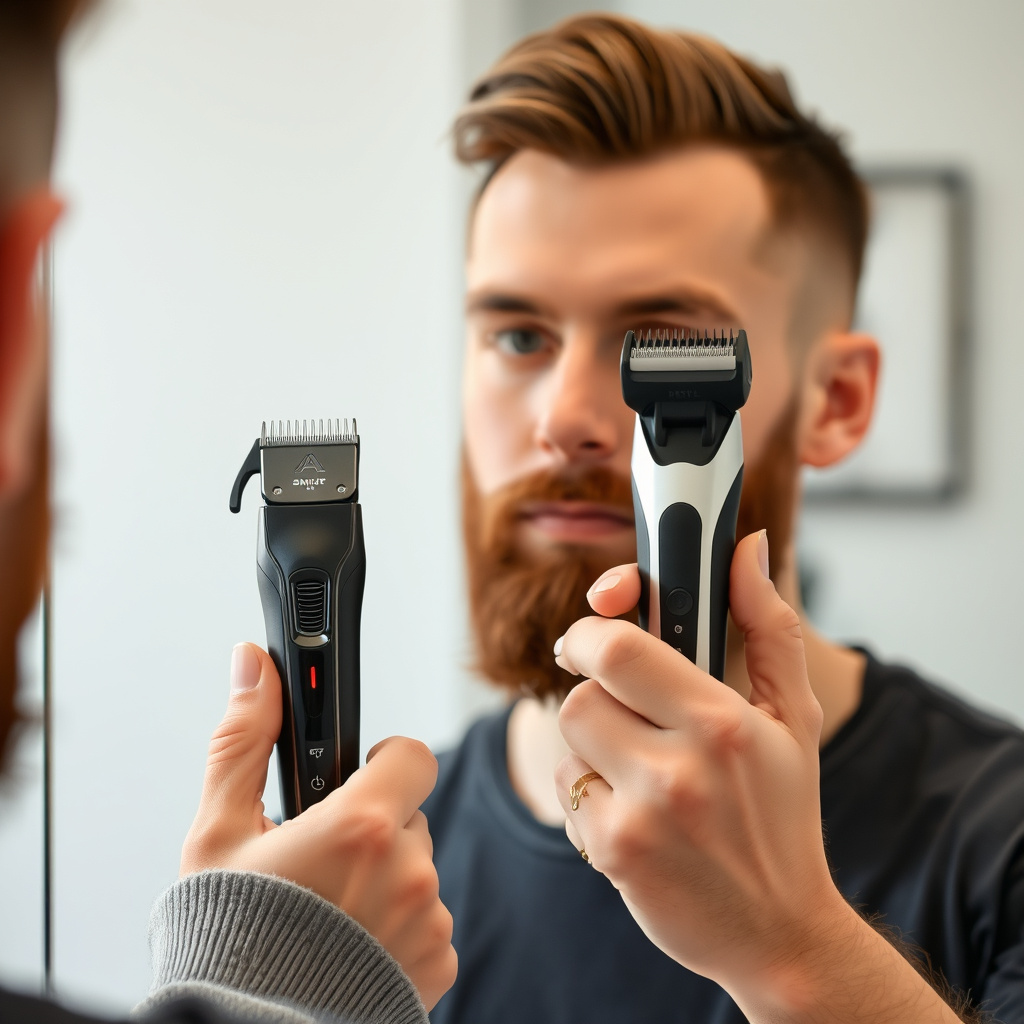
Your decision depends on the grooming style you want—longer hair shaping with clippers or a close shave with shavers. Skin sensitivity, frequency of grooming, and specific hair types also influence which tool fits best with your routine.
Budget and portability may matter; clippers generally cost less than advanced shaving systems, but high-end shavers come with extras like cleaning stations.
Combining Clippers and Shavers
Many groomers use both tools: clippers for haircuts or beard trims and shavers for finishing smooth shaves on neck or face. Integrated grooming kits often include both devices for comprehensive care.
Knowing how to coordinate their use can lead to superior grooming results tailored to personal preferences.
Popular Models and Brands for Clippers and Shavers

Recommended Hair Clippers
Leading clipper brands such as Wahl, Andis, and Philips offer models favored for durability, sharp blades, and ergonomic designs. Popular picks include Wahl Elite Pro, known for professional-grade cutting, and Philips Norelco Hair Clippers with cordless convenience.
Model choice often hinges on motor power, available guards, and ease of cleaning.
- Wahl Elite Pro
- Andis Master Cordless
- Philips Norelco Hair Clipper Series 3000
For more detailed technical information on electric shavers and hair clippers features, you can refer to this Wikipedia article on electric shavers. Electric shaver and hair clipper differences.
Top Electric Shavers
For shavers, Philips Norelco, Braun, and Panasonic dominate. The Philips Norelco Series 9000 offers rotary heads with contour detection, Braun’s Series 7 foil shavers combine comfort and closeness, and Panasonic’s Arc5 promises fast, close cuts with multi-blade systems.
Choosing the right shaver depends on head design, noise level, battery life, and skin comfort features.
- Philips Norelco Series 9000
- Braun Series 7
- Panasonic Arc5
Comparing Clippers and Shavers by Features
Here’s an overview comparing clippers and shavers across features like hair length, finish, comfort, and typical uses to help you decide.
| Feature | Clippers | Shavers |
|---|---|---|
| Primary Use | Trimming and cutting hair of varying lengths | Removing hair close to the skin for a smooth shave |
| Hair Length Control | Adjustable guards allow different lengths | No length control; shaves very close |
| Skin Contact | Blades may make direct skin contact if no guard | Blades covered by foil or rotary heads to protect skin |
| Best For | Haircuts, beard trimming, body hair shaping | Close facial shaves, clean-shaven look |
| Comfort Level | May cause tugging if blades dull; skin prone to irritation | Gentler on skin, designed to minimize irritation |
| Maintenance | Regular oiling, cleaning, blade replacement | Frequent cleaning, blade/foil replacement |
Frequently Asked Questions
Can I use clippers to get a clean shave?
Clippers are not designed to provide a clean, skin-close shave. They trim hair to a short length but do not remove it completely, so for a smooth shave, a shaver or razor is better.
Are shavers better for sensitive skin than clippers?
Yes, shavers typically include features that reduce irritation, such as foil or rotary heads that cushion the skin, making them generally more comfortable for sensitive skin than clippers.
How often should I maintain or clean my clippers and shavers?
Clippers should be cleaned and oiled after each use, and blades replaced as needed. Shavers require frequent cleaning of heads and replacing foils or blades every 12 to 18 months to maintain performance.
Can I use both clippers and shavers in one grooming routine?
Absolutely. Many people use clippers for hair length control or trimming and shavers for a close shave on the neck or face for a polished look.
What is the benefit of rotary versus foil shavers?
Rotary shavers handle curved areas well with circular heads, great for contouring, while foil shavers provide a closer, straighter shave and tend to be better for precise trimming.
Key Takeaways
- Clippers cut hair to controlled lengths for styling, while shavers remove hair completely for smoothness.
- Shavers tend to be gentler on sensitive skin compared to clippers.
- Proper maintenance improves the lifespan and performance of both tools.
- Combining clippers and shavers can create a versatile grooming routine.
Conclusion
When deciding between clippers and shavers, it helps to focus on what kind of grooming results you want. Clippers specialize in cutting and controlling hair length, making them the go-to option for haircuts and beard shaping. Shavers excel at providing a close shave that leaves the skin smooth. Evaluating your grooming needs and skin sensitivity can guide your choice effectively.
For those who prefer maintaining some hair length or need precision cutting, models like Wahl Elite Pro or Andis Master suit well. If a clean shave is your priority, shavers such as the Philips Norelco Series 9000 or Braun Series 7 offer excellent closeness and skin comfort. Budget and convenience factors also play a role, as high-end shavers can be pricier but offer added features like cleaning stations.
Many users find the best balance by using both tools: clippers to trim and style, and shavers for finishing touches with a clean shave. Exploring this combined approach with the right devices for your hair type and skin sensitivity will elevate your grooming routine. Starting with a clear understanding of each tool’s strengths is the first step toward that.



One Comment